


Is It Safe to Drink Carrot Juice Every Day?
Jul 11, 2019

For many healthy adults, a small daily serving of pasteurized, unsweetened 100% carrot juice can fit into an otherwise varied diet. That is not the same as saying that a large bottle every day is automatically safe, necessary or better than eating carrots. A useful practical reference is 150 ml: the NHS advises limiting fruit juice, vegetable juice and smoothies to a combined total of 150 ml a day and keeping them to mealtimes. This is a public-health portion framework, not a universal medical limit for every person or country.
Your real decision depends on five things: the amount you actually pour, the finished drink's total carbohydrate and ingredients, how much fiber remains, your overall intake of carotene-rich foods, and whether the juice has been pasteurized or otherwise treated for safety. If you manage diabetes, use mealtime insulin, are pregnant, have a weakened immune system, or notice persistent yellow-orange skin, the general answer needs an individual health or food-safety check.
The short answer: Start with no more than one measured 150 ml serving of unsweetened 100% juice, count its total carbohydrate in your meal, keep whole vegetables in the day, and choose a treated product. Reduce the frequency or portion if the drink crowds out fiber-rich foods, repeatedly pushes your carbohydrate plan upward, or causes orange-yellow skin discoloration.

A Daily Habit Is About Dose, Not Just Frequency
The word daily can describe very different exposures. A 100 ml pour with breakfast, one 150 ml glass at lunch, a 250 ml bottle and several refills from a home juicer are all daily habits, but they do not deliver the same carbohydrate, beta-carotene, energy or food-safety risk. Frequency only becomes meaningful when it is paired with volume and product composition.
For a general starting point, we would use one measured 150 ml serving rather than the bottle as the unit. The current NHS guidance combines fruit juice, vegetable juice and smoothies within that 150 ml total. Therefore, 100 ml carrot juice plus a 100 ml fruit smoothie is not two separate allowances under that framework; the combined volume is 200 ml. More juice also does not keep adding vegetable portions indefinitely. The purpose of the limit is to preserve dietary variety and reduce frequent exposure to sugars released by crushing and juicing.
A recommendation printed as a serving on a commercial label answers a different question. The FDA explains that serving size reflects an amount people typically consume; it is not advice about how much they should consume. A 240 ml or 250 ml label serving can be valid labeling while still being larger than the 150 ml daily juice reference. Read the number of servings per container before deciding whether one bottle equals one nutrition serving.
There is also no nutritional requirement to drink carrot juice every day. If you enjoy it, keep the portion visible and make room for other vegetables. If you do not enjoy it, cooked carrots, raw carrots and other red, orange, green and cruciferous vegetables can contribute to a varied pattern without a daily beverage ritual. For solid-carrot serving decisions, our separate daily carrot portion guide owns that question and distinguishes raw, cooked, frozen and juice measures.

What 150 ml of Carrot Juice Can Contribute
USDA FoodData Central's SR Legacy entry for canned carrot juice provides a defined reference per 100 g: 40 kcal, 9.28 g carbohydrate, 0.8 g fiber, 3.91 g total sugars and 9,303 micrograms of beta-carotene. The same entry lists one U.S. cup as 236 g. These figures describe that database food, not every fresh, bottled, blended, concentrated or pulpy carrot drink.
| Measure | USDA carrot-juice reference | What it means for daily use |
|---|---|---|
| Energy per 100 g | 40 kcal | Scale to the amount actually consumed |
| Carbohydrate per 100 g | 9.28 g | Use total carbohydrate for a glucose-management plan |
| Fiber per 100 g | 0.8 g | Do not treat screened juice as a full fiber replacement |
| Total sugars per 100 g | 3.91 g | Total Sugars can include naturally occurring sugars |
| Beta-carotene per 100 g | 9,303 micrograms | Repeated large portions can create a high cumulative exposure |
Worked example: The USDA record puts one cup at 236 g. Using 236.6 ml for a U.S. cup, a 150 ml pour is 150 ÷ 236.6 = 0.634 cup and weighs about 236 × 0.634 = 149.6 g in that reference. Scaling the per-100 g values gives about 60 kcal, 13.9 g carbohydrate, 1.2 g fiber, 5.9 g total sugars and 13.9 mg beta-carotene. This is a transparent database estimate. Use the finished drink's label because density, filtration, dilution, blend ingredients and formulation can move every value.
The same calculation explains why an apparently ordinary bottle can change the decision. If that database juice filled a 250 ml bottle, the estimated mass would be about 249 g and total carbohydrate about 9.28 × 2.49 = 23.1 g. Drinking the entire bottle is not equivalent to the 150 ml example. It is 250 ÷ 150 = 1.67 times the volume. The correct action is to compare your actual pour with both the label serving and the dietary portion you intend to use.

Juice Does Not Replace the Fiber of Whole Carrots
Juicing commonly removes much of the pulp. In the defined USDA entries, raw carrots provide 2.8 g fiber per 100 g while canned carrot juice provides 0.8 g per 100 g. That is a 3.5-to-1 difference at equal weight. A pulpy drink may retain more fiber than a clarified juice, and a smoothie that keeps all edible solids is a different product again. The finished value, not the front image of a carrot, tells you what remains.
Fiber is only part of the form difference. Drinking requires little chewing and can make a large amount disappear quickly. You may drink the carrot material used for a large glass in minutes even when you would not sit down to eat the same quantity of solid carrot. This does not prove that every liquid meal produces the same appetite response, but it makes portion drift easier. Pour the juice before the meal and put the bottle away if you want the amount to stay intentional.
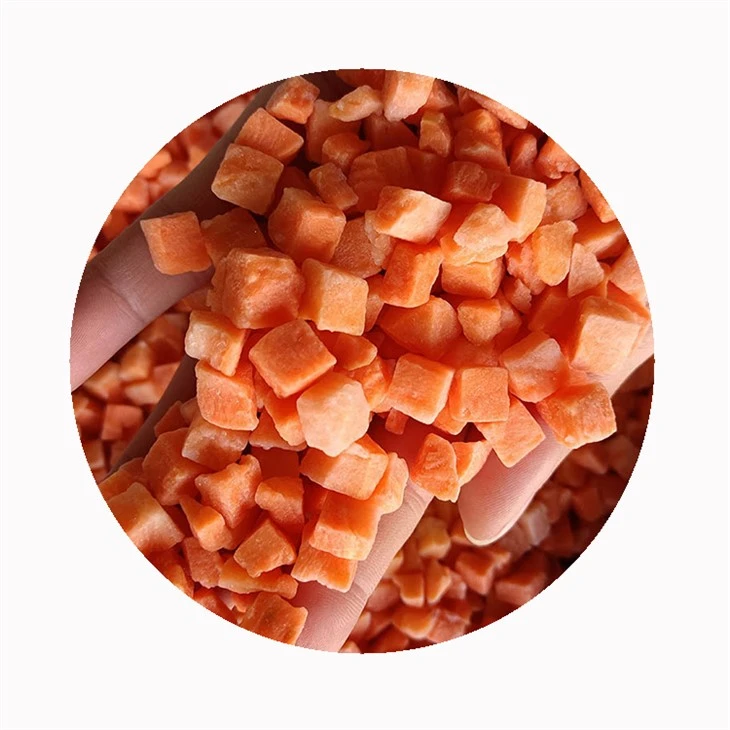
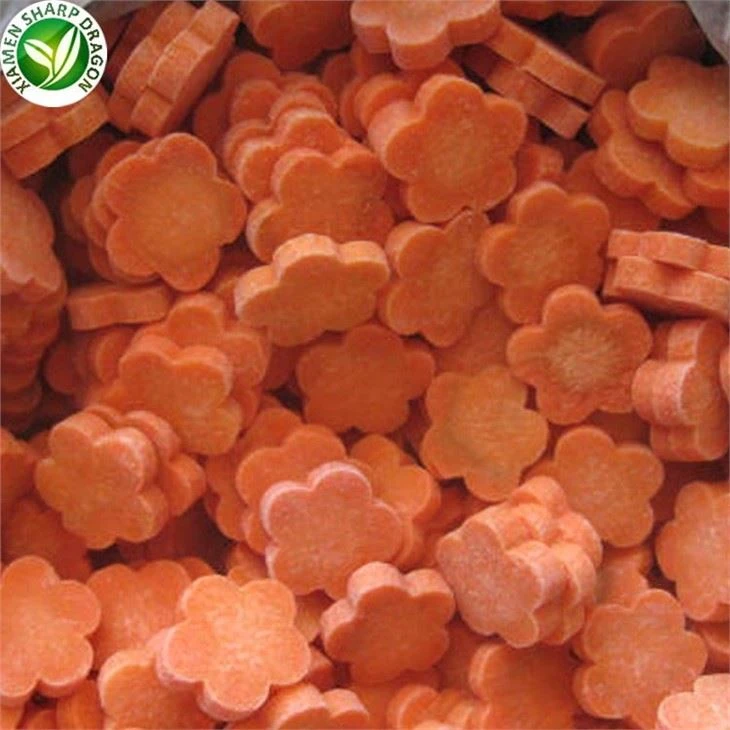
Keep whole vegetables elsewhere in the day rather than asking juice to do every job. Solid carrot sticks, cooked slices or plain frozen dice retain the visible vegetable structure and can join soups, rice, stews and side dishes. Other vegetables add a broader mixture of fibers and nutrients. Daily variety also prevents one carotene-rich drink from dominating the pattern merely because it is convenient.
The related choice between eating carrots and drinking their juice deserves a full form comparison of equal weights, fiber, consumption speed and carotenoid availability. That distinct decision is covered in our whole carrots versus carrot juice guide. For a daily safety decision, the important point is simpler: a measured juice can supplement a varied pattern, but it should not silently displace most solid vegetables.
Plan Total Carbohydrate, Not Just the Sugar Line
Carrot juice contains carbohydrate even when it has no added sugar. FDA defines Total Sugars as naturally occurring sugars plus any sugars added during processing. Added Sugars is a subset. A product can therefore show Total Sugars above zero and zero Added Sugars. Conversely, a carrot-flavored juice drink or blend may include sweeteners or concentrated juice ingredients that affect the Added Sugars declaration under the applicable labeling rules.
If blood glucose management matters, start with Total Carbohydrate rather than deciding from the word natural. CDC explains that sugars and starches raise blood glucose, while fiber is not digested in the same way, and it uses about 15 g carbohydrate as one carbohydrate serving for meal planning. That 15 g reference is a counting tool, not a universal allowance. Your target can vary with medication, insulin plan, activity, age, body size and clinical goals.
Worked label example: Imagine an unsweetened carrot drink lists 9 g Total Carbohydrate per 100 ml. A 150 ml glass supplies 9 × 1.5 = 13.5 g carbohydrate, close to one 15 g carbohydrate serving. A 300 ml bottle supplies 9 × 3 = 27 g, close to two carbohydrate servings. If you planned 15 g from the drink but consumed the bottle, your estimate is short by 13.5 g. The action is to count the volume you drank, not the serving you meant to pour.
Pairing juice with a meal does not make its carbohydrate vanish. It does, however, make the drink easier to count as one component of a defined eating event rather than a repeated sip throughout the day. Keep water as the main thirst drink. If you monitor glucose, use the portion and timing already agreed in your care plan and observe your actual response rather than relying on a generic glycemic-index claim from a web page.
For teeth, timing matters too. The NHS recommends keeping juice and smoothies to mealtimes because crushing releases sugars and frequent exposure can contribute to tooth decay. That is another reason not to nurse a bottle through the afternoon. A single measured serving with a meal creates a clearer endpoint than continuous sipping.
Carotenemia Is a Cumulative Signal, Not Vitamin A Poisoning
Carrot juice is concentrated in beta-carotene, the orange pigment that the body can convert to vitamin A as needed. Repeated high intake can produce carotenemia: a yellow-orange color that is often most noticeable on the palms, soles, nose or other thicker skin. Cleveland Clinic describes food-related carotenemia as generally harmless and reversible, and notes that the whites of the eyes are not affected in the same way as jaundice.
The same clinical source gives a useful exposure context rather than a hard toxicity limit: roughly 20 to 50 mg beta-carotene per day for a few weeks may raise blood levels enough for discoloration in some people. Response varies, and other carotene-rich foods such as pumpkin, squash, sweet potato, mango and leafy greens contribute to the total. Certain health conditions can also alter carotene processing. Do not use 20 mg as a guaranteed symptom threshold or as a target.
Practical example: The USDA carrot-juice reference contains 9.303 mg beta-carotene per 100 g. The estimated 249 g in a 250 ml bottle would provide about 9.303 × 2.49 = 23.2 mg. That sits within the lower part of Cleveland Clinic's reported exposure range when repeated for weeks, before counting other carotene-rich foods. It does not predict that the bottle will turn your skin orange. It shows why a daily 250 ml habit deserves a portion review rather than an assumption that "vegetable juice has no limit."
Beta-carotene from carrots is not the same hazard as excessive preformed vitamin A from certain supplements, animal-source products or retinoid medicines. NIH states that high beta-carotene intake does not cause the same toxicity as preformed vitamin A, and no upper limit has been established for beta-carotene and other provitamin A carotenoids. High-dose beta-carotene supplements have separate concerns for smokers, former smokers and people exposed to asbestos; that evidence should not be casually transferred to normal carrot foods.
If your skin becomes yellow-orange, reduce unusually concentrated carotene sources and seek professional assessment when the color persists, the whites of the eyes look yellow, or other symptoms are present. Those signs should not be self-diagnosed from a food page. Our related high-intake carrot safety guide covers the fear-based toxicity question, while the daily decision here remains portion, cumulative exposure and symptom response.
Read the Label as a Daily-Use Specification
A front panel can make several products look alike. The words 100% carrot juice, 100% vegetable juice blend, carrot juice drink and carrot-flavored beverage do not describe the same formula. Start with the legal product name and juice percentage, then read the ingredients in order. Water, other vegetable or fruit juices, concentrates, sugar, syrup, salt, acid, flavor and stabilizers can move the nutrition and intended use away from plain carrot juice.
Next, match the Nutrition Facts values to the actual container. Record serving volume, servings per container, calories, Total Carbohydrate, Dietary Fiber, Total Sugars, Added Sugars and sodium. "No added sugar" does not mean carbohydrate-free. "100% juice" does not mean unlimited. "One bottle" does not necessarily mean one serving. If the panel reports per 100 ml and you drink 180 ml, multiply every value by 1.8.
Treatment status belongs on the same review. Look for pasteurized, heat-treated or an equivalent validated treatment statement where applicable. Refrigerated placement alone does not prove that a juice is untreated, and shelf-stable placement does not tell you what to do after opening. Follow the storage and use-after-opening instructions on that package. Discard a product when the seal is damaged, the pack is swollen or leaking, or the stated handling conditions have not been maintained.
For a retail or foodservice product, write the acceptance rule before approving the label: exact serving basis, number of servings, juice percentage, ingredient order, sugar declarations, allergen statement where required, treatment statement, storage instructions, date coding and target-market compliance. The visible carrot picture is supporting design; the controlled formula and approved artwork are the evidence.
Packaging systems for frozen carrot pieces and beverage juice are not interchangeable. A frozen bag needs low-temperature performance and seal integrity, while a juice bottle, carton or pouch needs a beverage-specific validated process and closure system. Our frozen-food packaging overview is relevant when the project uses solid IQF carrots; it is not evidence that the same pack suits carrot juice.
Pasteurization and Clean Handling Matter Every Day
Daily exposure magnifies a handling mistake because the product is consumed repeatedly. FDA reports that outbreaks of foodborne illness have been traced to fruit and vegetable juices that were not treated to kill harmful bacteria. Raw produce can carry bacteria into the liquid during cutting and extraction. A drink can look fresh, smell normal and still be unsafe; visual quality is not a microbiological test.
Safety note: Children, older adults, pregnant people and people with weakened immune systems face a greater risk of serious illness from untreated juice. Choose pasteurized or otherwise treated juice for these groups. Juice sold by the glass may not carry the packaged warning label, so ask how it was treated when the status is unclear.
For home juicing, FDA advises washing hands with soap and warm water for at least 20 seconds before and after preparation, washing produce thoroughly under running water, removing damaged or bruised areas, discarding rotten produce and keeping preparation equipment clean. Wash carrots even when you plan to peel them so surface contamination is not transferred by the peeler or knife. Do not wash produce with soap or detergent.
Make only what you can handle safely. Refrigerate according to authoritative local guidance and the appliance or product instructions, and do not invent a universal home-juice shelf life from smell alone. A commercial treated product can have a validated unopened life, yet the opened container follows a different instruction. If you share the refrigerator, date the opening and discard the juice when its stated window or temperature control has been lost.

A Seven-Day Check Is Better Than a Vague Promise
If you want carrot juice regularly, make the habit observable. For one week, record the product, actual milliliters, Total Carbohydrate, whether it was consumed with a meal, other juice or smoothie volume, and whether whole vegetables remained in the day. You are not creating a clinical trial. You are checking whether the routine you imagine matches what you actually drink.
At the end of the week, ask four concrete questions. Did your daily combined juice and smoothie volume usually stay near the chosen 150 ml reference? Did the drink fit your carbohydrate plan without unplanned refills? Did it replace water or most solid vegetables? Did you notice persistent digestive discomfort, orange-yellow skin or another symptom? A "no" to the first two or a "yes" to the last two is a reason to adjust the routine rather than defend it because carrots are vegetables.
Practical example: Suppose you plan 150 ml at breakfast for seven days, but the bottle records 1,400 ml used by one person. Average intake is 1,400 ÷ 7 = 200 ml per day, 50 ml above the plan and 33% higher than 150 ml. If the label lists 8 g carbohydrate per 100 ml, the planned week was 7 × 12 g = 84 g, while the observed week was 14 × 8 g = 112 g. Your result is not a diagnosis; it is evidence to use a smaller glass, buy smaller containers, or reduce the number of juice days.
Variety is the easiest long-term control. Alternate juice with water, unsweetened drinks and whole vegetables. Use solid carrots in meals where their texture works. XMSD's IQF frozen carrot range shows dice, slices and strips for soups, ready meals and vegetable blends; those are solid-food formats, not substitutes for a beverage supplier or a medical recommendation.
For Beverage Programs, Define the Daily Serving Before the Formula
A commercial brief should not begin with "healthy carrot drink" and fill in the numbers later. Start with the target market, use occasion and declared serving. Then define whether the product is 100% juice, a vegetable blend, juice from concentrate, a pulpy smoothie-style drink or a diluted beverage. The formula, treatment, packaging, storage route and legal name must agree.
For label review, compare values per 100 ml, per declared serving and per container. A 200 ml single-serve pack may encourage the whole-pack drinking behavior even if the nutrition panel is based on 100 ml. If the brand's message recommends daily use, review cumulative beta-carotene exposure from the formula, not just vitamin A percent Daily Value. Also examine Total Carbohydrate, Total Sugars, Added Sugars, fiber, sodium and any other ingredients that change the product's real role.
Food-safety acceptance needs evidence rather than a "fresh" adjective. Identify the validated kill step or other treatment, the responsible processor, microbiological criteria, fill and closure controls, storage condition, unopened shelf-life basis, opened-pack instruction, lot coding and recall traceability. For an untreated product, destination-market warning rules and channel restrictions must be resolved before artwork approval. For a treated product, do not let a pasteurization claim replace cold-chain or post-opening instructions where those remain necessary.
Worked formulation example: A project plans 12,000 bottles at 200 ml each. Finished volume is 12,000 × 0.200 L = 2,400 L. At 70% carrot juice by volume, nominal carrot-juice input is 2,400 × 0.70 = 1,680 L before validated process loss and production overage. If the label serving is 100 ml but the bottle is normally consumed at once, nutrition communication must also show the practical 200 ml consequence: twice every per-100 ml value. The action is to align formula records, serving declaration, pack size and use-pattern testing before release.
When the project instead needs visible carrot pieces for soups, prepared meals or frozen vegetable blends, define cut size, defect tolerances, texture after the intended cook, pack weight and cold-chain conditions. Juice extraction and beverage filling require a different supplier capability. We should not use a solid IQF carrot specification as proof for a juice process, or copy a juice nutrition panel onto frozen dice.

XMSD sourcing note: XMSD supplies solid IQF carrot formats rather than presenting itself here as a carrot-juice processor. If your project needs frozen dice, slices or strips for a meal, soup, blend or further-processing line, send the intended cut, application, pack format, destination and volume so we can review the appropriate solid-carrot specification.
Final Thoughts from XMSD
For many healthy adults, drinking carrot juice every day can be reasonable when the product is treated, the serving is modest and the rest of the diet stays varied. A measured 150 ml glass is a defensible starting reference, not a license to treat every bottle as one serving or a personalized prescription. Check total carbohydrate, fiber, ingredients, beta-carotene exposure and treatment status together.
The best daily routine is one you can measure and adjust. Keep juice with a meal, leave water as the main thirst drink, retain whole vegetables, and do not ignore persistent discoloration or symptoms. For a commercial product, align the declared serving, formula, treatment, label and package so the daily-use message matches the actual pack and expected drinking occasion.
References
- U.S. Department of Agriculture, Agricultural Research Service. FoodData Central: Carrot juice, canned, FDC 170491. Accessed August 25, 2026.
- National Health Service. 5 A Day: What Counts? Accessed August 25, 2026.
- U.S. Centers for Disease Control and Prevention. Carb Counting. Accessed August 25, 2026.
- U.S. Food and Drug Administration. Serving Size on the Nutrition Facts Label. Accessed August 25, 2026.
- U.S. Food and Drug Administration. Added Sugars on the Nutrition Facts Label. Accessed August 25, 2026.
- U.S. Food and Drug Administration. What You Need to Know About Juice Safety. Accessed August 25, 2026.
- National Institutes of Health, Office of Dietary Supplements. Vitamin A and Carotenoids: Fact Sheet for Consumers. Accessed August 25, 2026.
- Cleveland Clinic. Carotenemia: What It Is, Causes and Treatments. Accessed August 25, 2026.
- XMSD operational experience in IQF carrot format selection, solid-product specifications, frozen packaging and B2B supply coordination.