


Can Eating Too Many Carrots Kill You? Real Risks Explained
Jul 08, 2019

For a healthy adult, eating a large amount of ordinary carrots is very unlikely to cause fatal vitamin A poisoning. Carrots provide beta-carotene, a plant pigment that the body converts to vitamin A as needed. That is not the same exposure as swallowing a high dose of preformed vitamin A from a supplement or medicine. With repeated high carrot intake, the usual visible effect is carotenemia: yellow-orange skin, especially on the palms and soles. Diet-related carotenemia is generally benign and reversible.
The word "kill" still deserves a careful answer because dose is only one kind of risk. A hard raw carrot piece can obstruct a young child's airway. Carrot allergy can rarely become severe. Contaminated produce can cause serious foodborne illness. High-dose beta-carotene or preformed vitamin A supplements have risks that cannot be assigned to normal carrot dishes. Do not choose between "eat without limits" and "avoid carrots." Identify the form, amount, duration and symptom, then act on the real hazard.
The short answer: Too many carrots usually raise a carotenemia concern, not a fatal "carrot overdose" concern. Treat choking, breathing difficulty, yellow eye whites, a recalled product or a high-dose supplement as separate situations that need their own response.

Carrot Beta-Carotene Is Not Preformed Vitamin A
USDA FoodData Central lists 8,285 micrograms of beta-carotene, 835 micrograms of vitamin A as retinol activity equivalents, 2.8 grams of dietary fiber, 88.29 grams of water and 41 kilocalories per 100 grams of raw carrots. Those values describe a specific raw edible sample on a 100-gram basis. They do not guarantee the composition of every variety, cooked recipe, juice or frozen lot, but they give us a transparent starting point for judging a large amount.
Beta-carotene is provitamin A. The body must absorb and convert it before it can perform vitamin A functions. NIH's Office of Dietary Supplements explains that high intake of beta-carotene does not cause the same toxicity as preformed vitamin A. Conversion is regulated, which is why excessive carotene from vegetables is associated mainly with skin pigmentation rather than the acute neurological and liver effects of retinol overdose.
Preformed vitamin A includes retinol and retinyl esters from certain animal foods, fortified products, supplements and medicines. It is fat-soluble and can accumulate. NIH sets an adult tolerable upper intake level of 3,000 micrograms RAE per day for preformed vitamin A. The source distinction is essential: that upper limit does not convert a plate of carrots into a retinol overdose merely because a nutrition database also expresses provitamin A activity in micrograms RAE.
High carrot intake should not be blamed for the reproductive toxicity associated with excess preformed vitamin A. NIH states that beta-carotene is not known to be teratogenic or to cause reproductive toxicity. High-dose preformed vitamin A supplements are a different concern, particularly during pregnancy. If you are pregnant, might become pregnant, use a retinoid medicine or take several supplements, review the actual retinol and retinyl-ester amounts with a qualified clinician instead of treating carrots and capsules as interchangeable.
Worked example: A repeated intake of 300 grams of raw carrots contains about 300 g × 8,285 µg ÷ 100 g = 24,855 µg, or 24.9 mg, of beta-carotene using the USDA reference. It also supplies about 8.4 g of fiber. That is a high, measurable dietary exposure, but it is not 24.9 mg of preformed vitamin A. If this pattern continues for weeks and skin color changes, reduce the repeated carotene load and assess the symptom rather than calculating against the preformed-vitamin-A upper limit.
What Repeated High Carrot Intake Usually Does
Carotenemia is the clearest dose-related effect. Excess carotenoids circulate in blood and deposit in the outer skin. The color is often most noticeable on the palms, soles and folds beside the nose. The white parts of the eyes are usually spared. That pattern helps a clinician distinguish carotenemia from jaundice, but it is not a reason to self-diagnose every yellow color change.
There is no single carrot count that changes everyone's skin. Carrot size, food preparation, total intake of other carotene-rich foods, absorption, body composition and medical conditions all change the result. NCBI's clinical review reports that more than 30 mg of carotene per day for a prolonged period could lead to carotenemia. Cleveland Clinic gives a practical estimate of about 20 to 50 mg of beta-carotene per day for a few weeks. These are observation ranges, not poisoning thresholds or serving recommendations.
The color can take weeks or months to fade after intake falls because carotenoids are fat-soluble and remain in skin for a time. You do not need to remove every orange or green vegetable. First stop the unusual pattern-such as several large carrot servings plus carrot juice every day-and restore variety. If the discoloration persists despite that change, or the intake was not high, arrange a medical review instead of assuming the carrots explain everything.
Carotenemia can also appear alongside hypothyroidism, diabetes, liver disease, kidney disease, anorexia nervosa or altered carotene metabolism. The color does not mean carrots caused those conditions, and you should not assume food alone explains it. Yellow eye whites, dark urine, significant fatigue, abdominal symptoms or illness require prompt clinical evaluation because they do not fit a simple food-pigment story.
A sudden increase can also change digestive comfort. In the 300-gram calculation above, 8.4 grams of fiber arrives from carrots alone. NIDDK advises increasing fiber gradually and drinking enough liquid to help it work. If your usual intake is low, add carrots as part of meals rather than turning a large bag into a one-food challenge. Bloating, loose stool or constipation after a major diet change is a reason to adjust the pattern, not evidence of detoxification.
The Serious Risks Are Usually Not a Carrot-Dose Problem
Choking can become fatal even when the food itself is nutritionally ordinary. CDC lists hard raw carrot pieces as a potential choking hazard for young children. Shape, hardness, chewing ability, posture and supervision matter more than beta-carotene content. Prepare the carrot to the child's developmental ability, soften it when appropriate, avoid hard chunks, keep the child seated and supervise the meal. If swallowing is difficult for any age because of a diagnosed condition, follow the texture plan provided by the care team.
A frozen cut is not automatically ready for a child simply because the piece looks small. Judge the texture after the stated cooking method. A small hard coin or cube can remain difficult to chew, while a properly cooked larger piece may mash easily. Use the final served texture as the acceptance point. Do not use a package photo or nominal cut name as proof of choking safety.
Allergy is a separate immune reaction. The American College of Allergy, Asthma & Immunology lists carrot among foods that can cross-react with birch pollen in pollen-food allergy syndrome. Itchy mouth, scratchy throat or lip swelling after raw carrot may fit that pattern. Cooking often changes the relevant proteins enough for some people to tolerate the cooked form, but that is not universal.
Trouble breathing, faintness, widespread hives, rapidly increasing tongue or throat swelling, or symptoms beyond the mouth can indicate a severe reaction. Follow an existing emergency allergy plan and seek emergency help. Do not test a raw, cooked or larger carrot dose at home after a serious reaction. An allergist can interpret the history, decide whether testing is useful and tell you which forms need avoidance.
Foodborne contamination is another route to severe illness. It is not caused by the vegetable's natural beta-carotene. FDA recommends washing whole fresh produce under running water, separating produce from raw meat and contaminated utensils, refrigerating pre-cut or packaged produce, and following recall instructions. Washing reduces surface bacteria but does not eliminate every pathogen, so a recalled product should be discarded as directed rather than washed and served.
Safety note: Call emergency services for choking or breathing difficulty. Seek prompt medical advice for yellow eye whites, severe or persistent gastrointestinal symptoms, a suspected serious allergy, or illness after a recalled product. Orange palms after weeks of high-carotene eating belong to a different, usually non-emergency pathway.
Whole Carrots, Carrot Juice and Supplements Are Different Exposures
The product form changes how much you can consume quickly, how much fiber stays in the serving and which safety evidence applies. A whole raw carrot requires chewing and retains its food matrix. A strained juice is easy to drink quickly and can deliver beta-carotene with less fiber per equal weight. A capsule provides an isolated labeled dose. A preformed vitamin A supplement introduces retinol or a retinyl ester rather than carrot beta-carotene.
| Form | Main high-intake issue | Best evidence to check |
|---|---|---|
| Whole, cut or cooked plain carrot | Repeated carotene load, digestive comfort and served texture | Edible weight, preparation and form-specific nutrition data |
| Carrot juice | A large liquid serving can be consumed quickly and contains less fiber than equal-weight raw carrot in USDA entries | Finished volume, ingredient list and beverage nutrition panel |
| Beta-carotene supplement | Isolated high dose; specific long-term risks in smokers and former smokers | Milligrams per dose, source form, frequency and clinical advice |
| Preformed vitamin A supplement | Retinol or retinyl esters can accumulate and cause true vitamin A toxicity | Micrograms RAE from preformed vitamin A across all products and medicines |
USDA's canned carrot-juice entry lists 9,303 micrograms of beta-carotene and 0.8 gram of fiber per 100 grams. The raw-carrot entry lists 8,285 micrograms of beta-carotene and 2.8 grams of fiber per 100 grams. These two database foods are not every homemade or commercial product, but they show why raw-carrot numbers should not simply be copied onto a juice label.
Practical example: Compare 240 grams of each USDA food. The canned juice reference gives about 22.3 mg beta-carotene and 1.9 g fiber; the raw-carrot reference gives about 19.9 mg beta-carotene and 6.7 g fiber. The juice is not poison, but it packages a similar high carotene exposure into an easy-to-drink serving with far less fiber. If you also eat several carrot portions, add the beverage to the daily pattern rather than treating it as "just hydration."
Supplement evidence must stay in its own lane. NIH reports that 20 mg/day beta-carotene in the ATBC trial increased lung-cancer risk and mortality in male smokers, and 30 mg/day beta-carotene plus preformed vitamin A in the CARET trial increased risk in current and former smokers and some asbestos-exposed participants. Those results support caution with high-dose supplements in those groups. They do not show that a carrot meal has the same effect.

Use the Symptom and Product Form to Choose the Next Action
If you feel well and your intake is an ordinary part of varied meals, there is no reason to fear a lethal dose from carrots. Keep portions proportionate to the complete diet and rotate vegetables. The separate everyday carrot guide covers routine eating patterns. Risk changes when the amount is unusual, repeated, concentrated or linked to a symptom.
For orange palms after weeks of heavy carrot, pumpkin, squash or carotene-rich drink intake, record approximate daily weights and products. Reduce the repeated high-carotene items while keeping a varied diet. Take a clear photo in consistent light and review the change over time. If the color does not improve, the eye whites are yellow, or the diet was not unusually carotene-rich, seek a medical assessment.
For digestive discomfort, change one variable at a time. Reduce the portion, spread it across meals, drink normally and avoid adding a large juice and several raw-carrot snacks on the same day. If symptoms continue at ordinary amounts, do not keep escalating or eliminating foods without guidance. A clinician can evaluate causes that a food diary cannot diagnose.
For a supplement, read the Supplement Facts panel and ingredient form. Add preformed vitamin A from every capsule, multivitamin and fortified product before comparing it with the applicable upper limit. Do not add carrot-derived RAE to that preformed total as if it were retinol. If you smoke, formerly smoked, had substantial asbestos exposure, are pregnant or use a retinoid medicine, professional advice is especially important before high-dose beta-carotene or vitamin A supplementation.
For allergy or choking, amount is not the main decision. A small trigger can cause an allergic reaction, and one badly shaped hard piece can obstruct an airway. Follow emergency guidance first. Portion calculations belong only after the immediate hazard is controlled.
Preparation Changes Exposure, Texture and Use
Raw and cooked carrots remain carrots, but they do not behave identically. Cooking softens the tissue, changes water content and can improve carotenoid availability, while the finished recipe may add oil, sugar, salt or other ingredients. Our cooked-versus-raw carrot comparison explains how to choose by texture and application rather than declaring one form universally superior.
Juicing changes the serving pattern more sharply. Straining removes part of the solid matrix, while recipes may combine several carrots in one glass or add fruit and sweeteners. Use the finished beverage label or analysis. The whole-carrot and carrot-juice comparison addresses that format choice without treating juice as either medicine or poison.
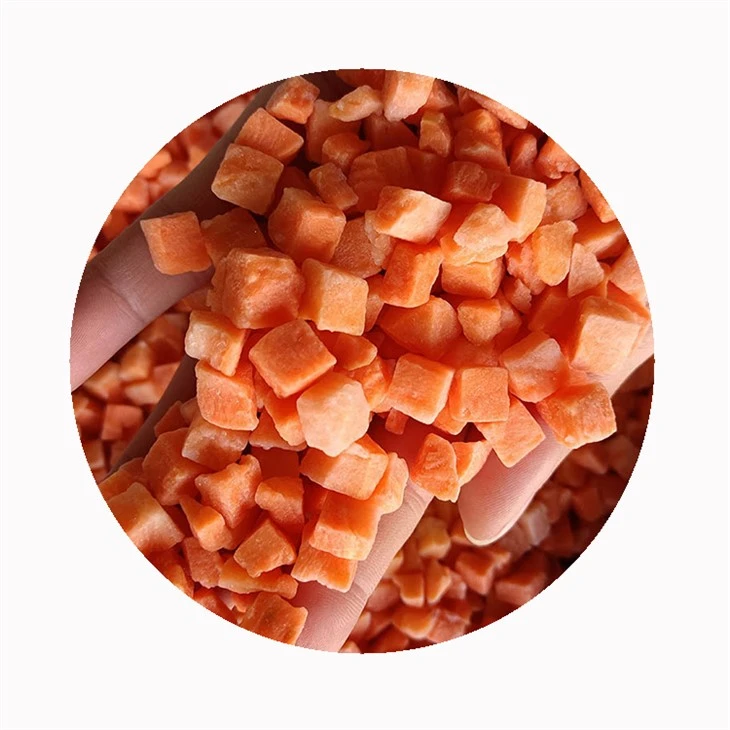
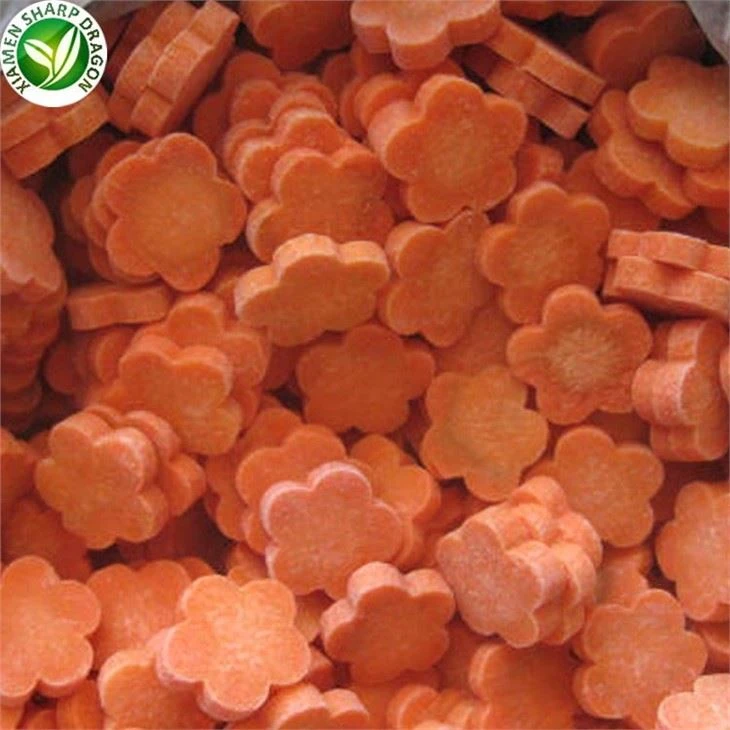
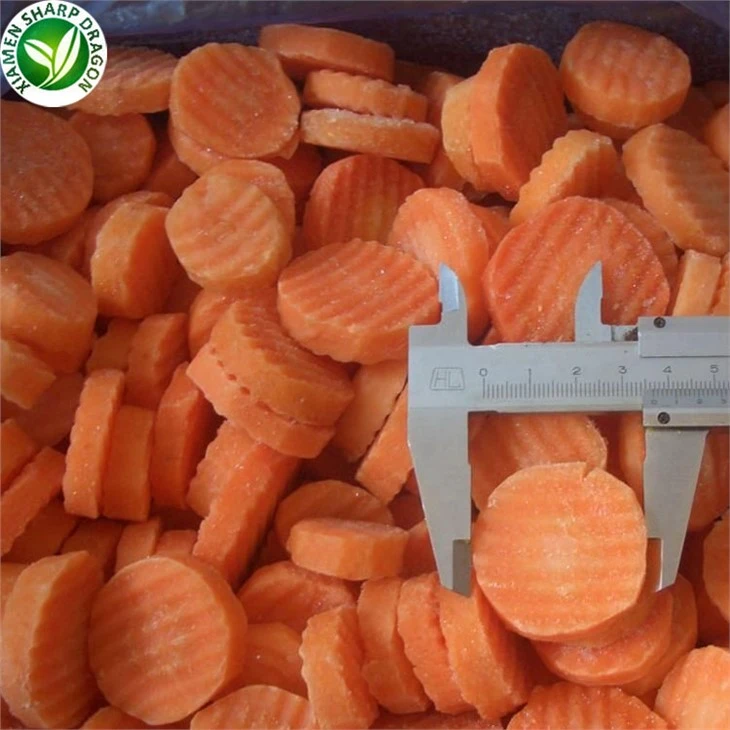
Frozen carrots add convenience and portion control, not a new toxicology category. The current XMSD frozen carrot range shows diced, sliced and other visible forms. Evaluate the actual edible weight and prepared recipe. Do not assume the same per-100-gram figure after blanching, cooking, draining or combining with sauce.
For a child meal, elderly-care menu or dysphagia-managed product, cut dimensions are only the first screen. Cook the sample with the stated method and assess firmness, cohesion and piece geometry in the served state. For a soup, ready meal or side dish, the same cut also affects distribution and portion consistency. Write acceptance criteria around the actual application rather than the word "diced."
Turn the Health Answer into a Finished-Product Decision
A retail pack, juice, ready meal and supplement need different wording. "Contains carrots" identifies an ingredient. A declared vitamin A value needs the accepted data or test method for the finished product and destination market. "Cannot cause harm" is too broad because it ignores allergy, choking, contamination and misuse. "Vitamin A overdose from carrots" is also misleading when the ingredient supplies provitamin A carotenoids rather than a high dose of preformed retinol.
Worked example: A 400-gram frozen meal contains 15% plain carrot, so the pack contains 400 g × 0.15 = 60 g carrot before cooking. The raw USDA reference would provide a rough development estimate of 60 g × 8,285 µg beta-carotene ÷ 100 g = 4,971 µg, or 5.0 mg, from the carrot input. It would also estimate 1.68 g of carrot fiber. Processing and other ingredients change the finished basis, so use the approved recipe and market method for the label; keep this calculation as a transparent check, not a claim that every pack delivers the raw value.
If you make food for children or a texture-sensitive group, define the consumer and served state before choosing the cut. If you make juice, define the finished serving and whether pulp remains. If you make a vegetable blend, calculate the carrot fraction in the complete serving rather than presenting the full bag as carrots. These choices determine which number and hazard statement are meaningful.
For an industrial line, review a representative cooked sample, not only a frozen photograph. The frozen ingredients for food processing page describes the application route. In your trial, record cut distribution, weight recovery, softness, visible breakage and dispersion through the batch. An acceptable result is the cut that stays within the intended recipe and serving, not the cut with the strongest nutrition slogan.

Evaluate Frozen Carrots by Measurable Quality, Not Fear
When you buy frozen carrots, control product identity, cut, maturity, color, breakage, clumping, frost, foreign material, pack integrity and cooking performance. A health headline cannot tell you whether the pieces distribute evenly in a meal or soften to the intended bite. Define the form and use first, then make the sample reproduce the actual preparation.
Cut consistency affects both yield and serving exposure. Very small pieces may create more fines and disappear into sauce; large pieces may dominate one serving while another receives little carrot. Sample more than one bag or carton position, weigh the prepared portion and classify defects separately. A total reject percentage shows the commercial effect, while separate cut, breakage, clumping and texture results show what needs correction.
Arrival inspection should link the received lot to the approved sample. Record product temperature, codes, bag and carton condition, separation, frost and visible color before rough handling adds damage. Retain a sample and cook it with the approved method. If a lot differs, decide against written application criteria; do not use a general belief that carrots are healthy or dangerous as the acceptance rule.
Keep nutrition and preparation instructions aligned with the same product. The recipe code, carrot percentage, serving declaration, calculation or laboratory report, cooking direction and artwork should describe one finished configuration. Reopen the review when the cut, coating, sauce, serving or carrot ratio changes. That evidence chain is more useful than an absolute promise about how many carrots any person can tolerate.

XMSD sourcing note: We can review your frozen carrot cut, application, finished serving basis, packing brief and sample plan so the product specification and consumer wording stay aligned.
Final Thoughts
Eating too many ordinary carrots is unlikely to cause fatal vitamin A poisoning. Repeated high intake can cause carotenemia, a usually harmless and reversible yellow-orange skin change. Beta-carotene from carrots, isolated beta-carotene supplements and preformed vitamin A are not equivalent exposures, so keep their dose forms, limits and evidence separate.
Act on the real signal. Reduce a sustained extreme carrot or juice pattern if skin color changes. Get medical advice when the eye whites are yellow or the explanation is uncertain. Treat choking, severe allergy and recalled-product illness as urgent safety issues. For finished foods, use actual serving weight, preparation, product data and intended consumer-not a frightening headline-to make the decision.
References
- USDA FoodData Central API: Carrots, raw, FDC ID 170393
- USDA FoodData Central API: Carrot juice, canned, FDC ID 170491
- NIH Office of Dietary Supplements: Vitamin A and Carotenoids
- NCBI Bookshelf: Carotenemia
- Cleveland Clinic: Carotenemia-Causes, Appearance and Resolution
- CDC: Choking Hazards for Infants and Young Children
- American College of Allergy, Asthma & Immunology: Pollen Food Allergy Syndrome
- U.S. FDA: Selecting and Serving Produce Safely
- NIDDK: Eating, Diet, & Nutrition for Constipation