


What Happens If You Eat Carrots Every Day?
Jul 09, 2019

If you eat a moderate portion of carrots every day, the usual result is a steady contribution of beta-carotene, fiber and potassium-not a dramatic physical change. For most healthy adults, about 75–80 g at a meal is a practical portion. Using USDA data for raw carrots, 80 g provides about 33 kcal, 2.2 g fiber, 7.7 g carbohydrate, 256 mg potassium and 6.6 mg beta-carotene. It can be one vegetable serving in a varied pattern; it should not become your only vegetable.
You should not expect sharper eyesight, lower cholesterol, cancer prevention, a stronger immune system or different skin after a few days. Carrots provide nutrients involved in normal vision and immune function, but composition does not prove that one daily food causes those outcomes. The visible exception is repeated high carotene intake: after weeks, very large amounts may turn the skin yellow-orange, especially on the palms and soles. That benign condition is called carotenemia and is different from vitamin A toxicity and jaundice.
The short answer: A 75–80 g daily carrot portion is reasonable for many healthy adults. Keep other vegetables in the day, vary raw, cooked and plain frozen forms, treat juice as a separate portion decision, and reduce repeated high intake if your skin develops an orange-yellow tint.

Daily Carrots Change the Diet Before They Change the Body
The first effect is behavioral. A carrot portion occupies a real place in your meal or snack. If it replaces a food that contains fewer nutrients or less fiber, the substitution may improve the overall pattern. If it is simply added on top of an already adequate diet, the effect may be small. If carrots displace dark-green vegetables, beans, cruciferous vegetables and other foods day after day, the habit can reduce variety even though carrots themselves remain nutritious.
Current U.S. dietary guidance recommends a variety of colorful, nutrient-dense vegetables and gives a goal of three vegetable servings per day in a 2,000-calorie pattern, adjusted for individual energy needs. It also accepts frozen and canned vegetables with no or very limited added sugars as useful options. The key word is variety. One carrot serving can fill one vegetable slot; it does not automatically improve the other two.
Time does not create a guaranteed sequence of benefits. One day supplies nutrients. Several weeks create a repeated exposure and a stable habit. Months or years may contribute to a healthy dietary pattern, but carrots cannot be isolated from everything else you eat, your medical status, physical activity, smoking, sleep or medication use. There is no defensible clock that says vision improves on day seven, immunity rises in week two or heart risk falls after one month.
Practical example: You normally eat chips with lunch and replace them with 80 g of raw carrot sticks. The carrots add about 33 kcal and 2.2 g fiber by the USDA reference, while the removed snack determines the net change in energy, sodium and fat. If you keep the chips and add the carrots, you have made a different choice. Judge a daily food by what it replaces and what remains in the full meal.
What an 80 g Daily Portion Actually Contributes
USDA FoodData Central's SR Legacy entry for raw carrots reports, per 100 g, 41 kcal, 9.58 g carbohydrate, 4.74 g total sugars, 2.8 g fiber, 320 mg potassium, 8,285 micrograms beta-carotene and 835 micrograms retinol activity equivalents of vitamin A. These figures describe a raw edible sample on a 100 g basis. Variety, maturity, storage and preparation can move the finished values, so do not copy them onto a cooked recipe, juice or commercial product without adjustment.
| Raw-carrot measure | Calculated amount | What it means |
|---|---|---|
| 80 g portion | About 33 kcal | Low energy before oil, sauce or dip is added |
| 80 g portion | About 2.2 g fiber | About 8% of FDA's 28 g Daily Value, not a complete daily fiber plan |
| 80 g portion | About 6.6 mg beta-carotene | A substantial provitamin A carotenoid contribution |
| 80 g portion | About 668 micrograms vitamin A RAE | Database conversion value, not a promise of identical absorption |
| Seven 80 g portions | 560 g carrots per week | Useful for shopping or menu planning, not a weekly nutrient dose |
The fiber contribution is useful but modest. An 80 g raw portion scales to 2.8 × 0.80 = 2.24 g fiber. Against FDA's 28 g Daily Value, that is 2.24 ÷ 28 × 100 = 8%. If your bowel habits change after adding carrots, the result also depends on your total fiber, fluids, activity, medication and usual intake. A daily carrot cannot be presented as a treatment for constipation.
The beta-carotene number needs a different interpretation. Beta-carotene is a provitamin A carotenoid; your body regulates its conversion to vitamin A. NIH explains that vitamin A supports normal vision, immune function, growth, reproduction and organ function. That physiological role does not mean that more carrots improve already normal eyesight or prevent infection. A nutrient can be necessary without every extra serving producing an extra clinical benefit.
Use 75–80 g as a meal-sized starting point, then fit it to age, energy needs and the rest of the menu. It is not a mandatory dose or a safety ceiling. Our separate daily carrot portion guide explains gram, cup and piece-count conversions without turning them into a universal prescription.

What You May Notice-and What You Should Not Expect
You may find it easier to eat vegetables consistently. Carrots are familiar, portable and usable in raw or cooked meals. A repeatable food can make a dietary pattern easier to maintain. The value comes from the repeated vegetable occasion, not from a special daily-carrot mechanism. If the same habit makes you tired of vegetables and you stop eating them, frequency has become counterproductive.
You may notice a digestive difference, but it is not predictable. Adding about 2.2 g fiber each day may change stool bulk or regularity when your previous intake was low. A sudden large increase in total fiber can also bring gas or bloating for some people. Increase the portion gradually, drink according to your normal needs, and look at all fiber sources rather than blaming or crediting carrots alone.
You are unlikely to notice an immediate eyesight change. Vitamin A deficiency can impair vision, but a well-nourished person does not gain "super vision" from a carrot every day. Existing eye symptoms need an eye-care assessment, not a food experiment. Carrots can contribute to adequate intake; they do not replace diagnosis, treatment, corrective lenses or prescribed supplements.
Your skin should not be expected to tan after one serving a day. Carotenoid status and skin color vary with total intake, duration, body composition, metabolism and other carotenoid-rich foods. A subtle color change is not sun protection. Continue normal sun-safety measures, and treat a sudden or persistent yellow appearance as something to evaluate rather than as a cosmetic goal.
Claims about cholesterol, blood pressure, cancer, allergy prevention or heart disease require outcome evidence, not just a nutrient list. Observational findings about vegetable-rich diets cannot prove that a fixed number of carrots caused the result. The responsible daily message is narrower: carrots can help build a nutrient-dense, varied eating pattern. They are not a medicine and no piece count guarantees disease prevention.

Repeated High Intake Can Cause Carotenemia
Carotenemia is the clearest visible result of eating very large amounts of carotene-rich foods repeatedly. The skin develops a yellow-orange tint, often most obvious on the palms, soles, nose or forehead. Cleveland Clinic notes an important distinction: the whites of the eyes generally remain white in carotenemia, unlike jaundice. Do not diagnose a color change yourself. Yellow eyes, other symptoms or persistent discoloration need medical evaluation because diet is not the only possible cause.
There is no universal carrot count that turns every person orange. Cleveland Clinic gives a clinical estimate of about 20–50 mg beta-carotene per day for a few weeks as an intake that can raise levels enough for visible discoloration. It also uses roughly 10 medium carrots per day for several weeks as an understandable example. Individual metabolism, body condition, other carotenoid-rich foods and supplements move the result.
Worked example: USDA raw carrots contain 8.285 mg beta-carotene per 100 g. Reaching 20 mg from raw carrots alone would require 20 ÷ 8.285 × 100 = about 241 g per day. Reaching 50 mg would require about 603 g per day. Those weights equal roughly three to seven and a half 80 g portions every day. This is an exposure illustration, not a guaranteed threshold. If your repeated intake is in that range and your skin changes color, reduce the carotene load and seek advice if the change persists.
Diet-induced carotenemia is generally benign and improves after intake falls, but resolution is not instant. Cleveland Clinic describes a return toward normal over several weeks or months. A 2023 literature review of about 100 reported cases found much wider durations, from 14 days to 4.5 years, reflecting different exposures and causes. That range is descriptive case literature, not a personal recovery prediction.
This condition is not the same as vitamin A toxicity. NIH states that high beta-carotene intake does not produce the same toxicity as excess preformed vitamin A and that the upper limits for preformed vitamin A do not apply to beta-carotene and other provitamin A forms. High-dose beta-carotene supplements are a separate issue: trials found increased lung-cancer risk in smokers, former smokers and people exposed to asbestos. Do not use a food article to justify concentrated supplementation.
Safety note: Orange-yellow palms with white eye sclera can fit carotenemia, but yellowing of the eye whites, pain, weakness, vomiting or unexplained persistent color change should not be attributed to carrots without medical evaluation.
If your real question is where high intake becomes impractical, use the separate too-many-carrots guide. The daily-outcome decision is simpler: one moderate serving is far removed from the repeated multi-portion pattern normally discussed in carotenemia.
Raw, Cooked, Frozen and Juiced Carrots Do Not Create the Same Habit
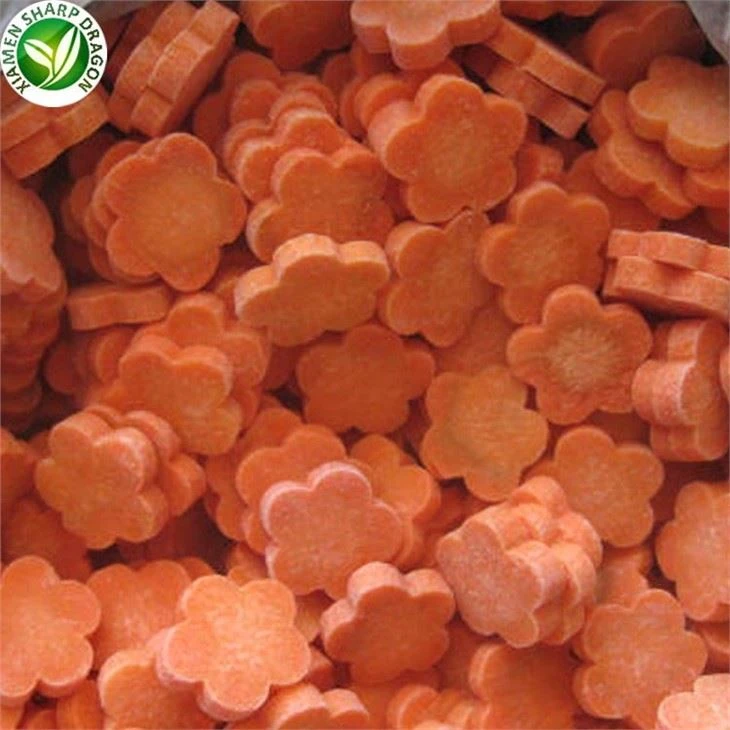
Frequency alone is incomplete; the food form and recipe decide what you consume. Raw sticks preserve crunch and require chewing. Cooked carrots become softer, and heat can make carotenoids more accessible by breaking plant cell structures. Plain frozen carrots remain a practical vegetable format, particularly for cooked meals, but blanching, storage, final cooking and the specific product affect texture and nutrient retention. Juice removes much of the pulp in many processes and can deliver a larger carrot mass quickly.
| Daily form | Main advantage | What to control |
|---|---|---|
| Raw sticks or grated carrot | Crunch, visible portion and retained solids | Wash, edible weight, chewing ability and dip |
| Cooked carrots | Softer texture and easier meal integration | Oil, sauce, salt, final weight and overcooking |
| Plain frozen carrots | Portionable pieces and reduced repeated preparation | Cut, clumping, package condition, storage and recipe fit |
| Carrot juice | Drinkable texture and accessible carotenoids | Serving volume, fiber, ingredients, added sugars and treatment |
Preparation can change the energy calculation more than the carrot itself. Raw carrots supply 41 kcal per 100 g in the USDA entry. Oil supplies about 9 kcal per gram as a general macronutrient calculation. A lightly coated roasted side and a glazed restaurant side may start with the same carrot weight but finish as different dishes. Count the recipe, not only the vegetable name.
Worked example: An 80 g raw-carrot portion contributes about 33 kcal. If the recipe assigns 10 g oil to that portion, the oil adds about 10 × 9 = 90 kcal, making roughly 123 kcal before any honey, sugar or sauce. Repeating that preparation daily gives a different energy pattern from repeating plain steamed carrots. Use the oil because it supports flavor and can help carotenoid absorption, but measure it when energy control matters.
There is no universal winner between raw and cooked carrots. Choose raw for crisp texture when chewing is safe; choose cooked for softness and a hot meal; alternate them if both fit. The raw-versus-cooked carrot comparison handles that preparation question in depth. When repeatable cuts and frozen storage are the operational priority, the IQF frozen carrot category shows diced, sliced and strip formats for cooked applications.

Who Should Adjust the Daily Form or Portion?
Young children need texture control. CDC lists pieces of hard raw vegetables such as raw carrots among potential choking hazards. Prepare carrots to the shape, size and softness appropriate for the child's development, seat and supervise the child, and follow clinical advice where feeding skills are delayed. A small carrot is not automatically a safe carrot; hardness and geometry matter.
Chewing or swallowing difficulty changes the preferred format. Soft cooked pieces, mash or purée may be easier than raw sticks, but a swallowing plan is not simply a preference for soft food. Use the texture level prescribed by the relevant clinician or speech-language professional. Juice is not automatically safer, because thin liquids can also be unsuitable for some swallowing disorders.
A prescribed nutrition target changes the arithmetic. An 80 g raw portion supplies about 7.7 g carbohydrate and 256 mg potassium by scaling the USDA reference. If you count either nutrient for diabetes, kidney disease or another medical plan, include the carrot within the complete meal rather than declaring it forbidden or free. Your clinician's target takes priority over a general serving suggestion.
Raw-carrot itching needs attention. Carrot can cross-react with pollen allergens in oral allergy syndrome. If raw carrot repeatedly causes itching or swelling in the mouth or throat, stop eating it and seek allergy advice. Cooking may reduce symptoms for some pollen-related reactions, but it is not a home safety test for anyone with a history of systemic or severe allergy.
Supplements are not equivalent to food. The beta-carotene in a normal carrot portion is embedded in food. High-dose beta-carotene capsules deliver a concentrated exposure, and NIH identifies a specific harm signal for smokers, former smokers and asbestos-exposed people. Do not calculate supplement doses from the carrot table or assume that "natural pigment" makes every dose harmless.
Keep the Habit Daily Without Making the Menu Monotonous
You can eat carrots daily and still vary the diet. "Daily" does not require the same cut, cooking method or meal. Use raw sticks at lunch, cooked rounds in a stew, a small amount of dice in rice and carrot strips in a mixed dish. More importantly, keep other vegetables visible. The current U.S. 2,000-calorie pattern uses three vegetable servings per day; if carrots fill one, the remaining two should not be automatic repetitions.
Worked example: You plan three vegetable servings today and choose one 80 g carrot serving. Carrots then occupy 1 ÷ 3 × 100 = about 33% of the vegetable-serving occasions. Fill the other two with different choices, such as a dark-green vegetable and beans or a cruciferous vegetable. You keep the convenient daily carrot while protecting variety.
Mixed vegetables can build that variety into the portion. If an 80 g vegetable serving is 30% carrot, it contains 80 × 0.30 = 24 g carrot and 56 g other vegetables. That is still a meaningful carrot exposure, but it no longer treats orange carrot as the complete vegetable plan. The XMSD frozen mixed-vegetable range illustrates formats where carrot rounds sit beside broccoli and cauliflower.
Variety also protects product acceptance. Repeating one texture can produce menu fatigue even when the ingredient is well liked. Rotate crisp, soft, diced and blended applications, and change the surrounding flavors. If the carrot portion becomes larger only because the recipe is familiar, measure it once. Habit should make vegetables easier to eat, not make portion drift invisible.

Daily Menu Planning Requires a Weight Basis
For foodservice or prepared meals, "carrots every day" becomes a repeatability question. Specify whether the portion is frozen as-packed weight, raw edible weight, cooked weight or cooked drained weight. These bases can produce different purchase quantities. Choose the point your operation can control and the point your nutrition or recipe system actually uses. Do not cost frozen input while labeling a cooked drained output without a tested conversion.
Cut size changes cooking and distribution. Uniform dice spread through soup, rice and filling more evenly than mixed large and small pieces. Rounds remain visible but can overlap in a scoop. Strips integrate quickly into stir-fries. Check a representative sample, measure several consecutive portions, cook them in the intended process and define an acceptable average and range. A catalog photograph cannot establish your line result.
Worked example: A central kitchen serves 600 meals with 75 g cooked drained carrots per meal on two menu days each week. Required output per carrot day is 600 × 75 g = 45,000 g, or 45 kg. If a line trial gives a hypothetical 95% cooked drained yield from frozen input, stage 45 ÷ 0.95 = 47.37 kg per day, or 94.74 kg for two days. Record the real tested yield; the 95% figure is an illustration, not an XMSD product promise.
Daily service magnifies small specification problems. Excess fines can make the last portions softer and less visible. Clumps can defeat scoop consistency. Package damage or temperature exposure can increase handling problems. Accept a lot against the agreed cut distribution, freedom from major clumping, package integrity and the cooked result your application requires. Then store and prepare it according to the product instructions and your food-safety plan.
Pack size should match the amount opened per shift. If one station uses 12 kg daily, three 4 kg inner bags may reduce repeated exposure compared with one large liner, but only if carton strength, seal performance, labor and cost remain acceptable. Use actual shift demand and opening frequency to choose the pack; do not repeat a convenient pack specification across every channel.

A Practical Daily-Carrot Check
Look at five things together: amount, form, recipe, variety and tolerance. A moderate whole-carrot portion inside a varied meal is the normal case. Repeated multi-portion intake, large juice volumes or high-dose supplements are different exposures. Oil, glaze, dip and salt belong to the dish calculation. Other vegetables still need space. New itching, swallowing difficulty, persistent digestive symptoms or unexplained skin color changes deserve a specific response rather than another generic serving.
If your habit passes those checks, daily carrots can remain pleasantly uneventful. That is a useful outcome: a repeatable vegetable that contributes nutrients without needing a miracle claim. Keep the portion visible, rotate preparation, and let the full diet-not the frequency of one ingredient-carry the health goal.
XMSD sourcing note: For an IQF carrot program, send your cut, cooked application, portion basis, pack size, destination and estimated volume. We can review suitable formats and the information needed for a sample or quotation.
Final Thoughts from XMSD
Eating carrots every day usually produces no dramatic short-term event. A 75–80 g portion can contribute beta-carotene, fiber and potassium, while a varied diet supplies what carrots do not. Preparation and substitution determine whether the habit improves the meal. Very high repeated carotene intake can produce benign orange-yellow skin, but that is different from preformed vitamin A toxicity. Use whole, cooked or plain frozen carrots in visible portions, reserve juice for a separate measured decision, and respond to symptoms or persistent discoloration with appropriate professional advice.
References
- U.S. Department of Agriculture, Agricultural Research Service. FoodData Central Download Data. SR Legacy entry for carrots, raw (FDC 170393). Accessed August 25, 2026.
- U.S. Department of Health and Human Services and U.S. Department of Agriculture. Dietary Guidelines for Americans, 2025–2030. Accessed August 25, 2026.
- National Health Service. 5 A Day Portion Sizes. Accessed August 25, 2026.
- National Institutes of Health, Office of Dietary Supplements. Vitamin A and Carotenoids: Fact Sheet for Consumers. Accessed August 25, 2026.
- U.S. Food and Drug Administration. Daily Value on the Nutrition and Supplement Facts Labels. Accessed August 25, 2026.
- American Heart Association. What's Up with Carrots? Let's Root Out the Truth. Accessed August 25, 2026.
- Cleveland Clinic. Carotenemia: What It Is, Causes and Treatments. Accessed August 25, 2026.
- McKenna M. Diet-Induced Carotenodermia: A Literature Review. International Journal of Dermatology. 2024;63(3):320–328. doi:10.1111/ijd.16891.
- Centers for Disease Control and Prevention. Choking Hazards. Accessed August 25, 2026.
- American Academy of Allergy, Asthma & Immunology. Oral Allergy Syndrome: Pollens and Cross-Reacting Foods. Accessed August 25, 2026.