


Does Eating Carrots Make You Tan? The Evidence Explained
Jul 09, 2019

Eating carrots does not give you a true tan. A tan develops when ultraviolet radiation stimulates changes in melanin, the brown-black pigment produced by specialized skin cells. A sustained high intake of carrots can produce a different effect: beta-carotene and related pigments accumulate in the outer skin and add a yellow, orange or golden cast. Clinicians call the blood finding carotenemia and the visible skin change carotenoderma.
The distinction matters. Carotenoid color does not show that your skin has adapted to the sun, and it does not make ultraviolet exposure safe. It also does not follow a universal recipe such as "three carrots for two weeks." Human studies have detected small skin-color changes after several weeks of increased fruit and vegetable intake or a daily mixed smoothie, but they did not test a dependable carrot count that produces a cosmetic tan in every person.
An ordinary carrot serving can fit comfortably into a varied diet. The practical concern is repeated concentrated exposure from large daily portions, juice or supplements-not one carrot at lunch. If your skin turns yellow-orange, especially on the palms or soles, lower the concentrated carotenoid intake and seek medical advice when the cause is uncertain, the color persists or the whites of your eyes are yellow.
Quick answer: Carrots can shift skin toward yellow-orange after sustained high beta-carotene exposure, but that is carotenemia, not a UV/melanin tan. There is no validated carrot dose or timetable for a predictable cosmetic result, and the color offers no substitute for sunscreen, shade or protective clothing.

A Carrot Color Shift and a Sun Tan Are Different Processes
Your skin can change color through more than one pigment pathway. With ultraviolet exposure, skin cells respond to injury by increasing and redistributing melanin. The FDA describes tanning as a sign of skin damage, whether the ultraviolet radiation comes from sunlight or an indoor tanning device. Delayed darkening may appear over roughly 48 hours, but the extra melanin provides only about SPF 2–4-far below adequate sun protection.
Dietary carotenoids work differently. Beta-carotene is an orange-yellow plant pigment and a precursor that your body can convert to vitamin A as needed. When intake and blood concentration remain high, carotenoids can become visible in the stratum corneum and subcutaneous fat. The resulting color often looks warmer, more yellow or more orange than a UV tan. It may be more noticeable in the palms, soles and folds beside the nose, where the outer skin is thicker or oilier.
That visible overlap explains the popular "carrot tan" phrase, but the phrase hides the mechanism. You may perceive either color as golden under warm lighting, while an instrument can distinguish greater skin yellowness from melanin-associated change. The 2012 human study often cited in this discussion used spectral analysis to identify carotenoid-linked color change, not a UV tan. It also followed total fruit and vegetable intake rather than assigning a set number of carrots.
Do not treat darker appearance, improved "tone" and tanning as interchangeable outcomes. If you want the nutrient basis rather than a cosmetic claim, the separate carrot beta-carotene and vitamin A guide explains conversion and food composition. Here, the decision is narrower: whether eating carrots produces a tan. The evidence says no, even when carotenoid color becomes visible.

What Human Studies Can-and Cannot-Predict
Controlled and observational work supports a real carotenoid-linked skin-color effect, but the designs are much narrower than online before-and-after claims imply. In one randomized study, 81 Malaysian Chinese university students received either water or a 500 ml fruit-and-vegetable smoothie on weekdays for six weeks. Instrument readings showed increased facial yellowness and redness in the smoothie group after four weeks, and the difference remained at a two-week follow-up.
That study shows that a substantial mixed produce intervention can change measured skin color in a specific group. It does not show that 500 ml carrot juice produces the same result, that every skin type changes visibly or that the change resembles a natural tan. The drink combined several fruits and vegetables. Participants, measurement sites, baseline diet and six-week duration all limit how far you can generalize the result.
A second study followed 35 people over three and six weeks. Changes in self-reported fruit and vegetable intake tracked with spectrally measured skin-color changes attributed to carotenoids rather than melanin. In a separate perception task, an increase equivalent to about 2.9 fruit-and-vegetable portions per day produced a healthier-looking facial color on average. This was not a prescription: the diet was self-reported, the group was small, and the result concerned perceived appearance across mixed produce, not a carrot-only tanning trial.
Clinical reports add another boundary. A 2024 review of roughly 100 diet-induced carotenoderma cases found very wide variation in foods, quantities and discoloration duration. Reported duration ranged from 14 days to 4.5 years, reflecting very different exposures and case circumstances. A case collection can reveal patterns and unusual outcomes, but it cannot supply a universal carrot dose or promise that color will appear-or fade-on a fixed date.
This is why a precise "three carrots a day creates a tan" claim outruns the evidence. Carrot size varies; beta-carotene content changes with cultivar and processing; absorption changes with food structure, fat in the meal and individual physiology; and baseline carotenoid intake matters. Lighting, camera settings and makeup further weaken social-media comparisons. A measured change in a study is not automatically a visible or desirable change in your mirror.
Use Weight and Milligrams to Understand Exposure
Although there is no tanning dose, a transparent calculation helps you recognize a concentrated pattern. USDA FoodData Central lists 8.285 mg beta-carotene per 100 g of raw carrot. A 61 g medium-carrot reference therefore contains about 61 ÷ 100 × 8.285 = 5.05 mg beta-carotene. Actual roots are not standardized tablets, so weigh the edible portion when the distinction matters.
Cleveland Clinic gives about 20–50 mg beta-carotene per day for a few weeks as a range that may produce visible discoloration. Converting the lower end with the raw-carrot reference gives 20 ÷ 8.285 × 100 = 241 g raw carrot. The upper end is 50 ÷ 8.285 × 100 = 604 g. These figures screen for possible carotenemia; they are not targets, toxicity boundaries or proof that a particular skin color will develop.
Worked example: Suppose you eat 250 g of raw orange carrot every day. The reference estimate is 250 ÷ 100 × 8.285 = 20.7 mg beta-carotene per day. If the pattern continues for six weeks, the repeated exposure falls at the lower edge of that clinical screening range. It still does not predict your outcome because retention, absorption, other carotenoid foods and baseline status differ.
The useful response is observation, not a quest to reach the number. Record carrot grams, carrot-containing meals, juice volume and supplement dose for several representative days. Add the duration. If a 250 g serving occurred once at a party, the calculation does not describe a six-week pattern. If breakfast juice, lunch salad and dinner purée repeat daily, a casual count of whole roots may underestimate the total.
For the separate question of when sustained intake becomes excessive, use the upper-intake and carotenemia guide. It considers diet displacement, digestive tolerance and supplement safety in more depth. A calculation for skin-color exposure should not be expanded into a universal diagnosis.
Recognize Carotenemia Without Self-Diagnosing
Diet-associated carotenemia generally develops gradually. The yellow-orange tone may appear most clearly on palms, soles, the tip of the nose or folds beside the nose. One useful clinical distinction is that the sclera-the white part of the eye-usually remains white. In jaundice, the sclera may yellow. That clue is important, but it does not turn a home photograph into a diagnosis.
If the change followed a clear period of very high carotenoid intake and you otherwise feel well, reduce the concentrated source and restore variety rather than trying another concentrated food to balance the color. It can take weeks or months for the pigment to recede. The review evidence varies too widely to promise normal color in a set number of days.
Get medical advice when the eye whites are yellow, the change is sudden, you have abdominal pain, dark urine, pale stools, marked fatigue, itching or another concerning symptom. Also seek assessment when the color has no obvious dietary explanation or persists after you lower the suspected source. Liver, thyroid, kidney, diabetes-related and lipid-metabolism conditions can alter skin color or carotene handling, so "I eat carrots" is not enough to exclude another cause.
Safety boundary: A gradual yellow-orange palm color after sustained high-carotenoid intake may be diet-associated carotenemia. Yellow eye whites or systemic symptoms are not a cosmetic carrot-tan issue. Do not delay clinical assessment while experimenting with food or supplements.
Whole Carrots, Juice, Supplements and Tanning Pills Are Not Equivalent
The exposure form changes both the amount you can consume quickly and the safety evidence that applies. Keep four categories separate:
| Form | How to measure it | Main decision |
|---|---|---|
| Whole, cooked or plain frozen carrot | Edible grams and frequency | Diet variety and repeated carotenoid exposure |
| Carrot juice or smoothie | Milliliters, label and actual carrot concentration | Easy repeat intake and lower fiber than whole food |
| Beta-carotene supplement | Milligrams per dose and total daily dose | Smoking/asbestos history and professional advice |
| "Tanning pill" | Active ingredient and regulatory status | Avoid unapproved colorants and unsupported tanning claims |
Whole-versus-juice example: USDA reference entries list 8.285 mg beta-carotene and 2.8 g fiber per 100 g raw carrot, compared with 9.303 mg beta-carotene and 0.8 g fiber per 100 g canned carrot juice. At 240 g, that is about 19.9 mg beta-carotene and 6.7 g fiber for the raw reference versus 22.3 mg and 1.9 g for the juice reference. Brand formulation and serving density vary, so use the actual label where available.
The lower fiber figure does not make all carrot juice harmful. It shows why equal weights are not nutritionally identical and why a drink can make repeated exposure easy. NHS 5 A Day guidance limits the combined amount of fruit juice, vegetable juice and smoothies to 150 ml per day. That is a general public-health serving recommendation, not a skin-color threshold. For a focused form comparison, see carrot juice versus whole carrots.
Supplements need a separate safety judgment. In large trials, 20 mg/day beta-carotene in male smokers and 30 mg/day beta-carotene combined with preformed vitamin A in smokers or asbestos-exposed participants were associated with harm, including increased lung-cancer risk. Those results do not mean carrots cause the same risk. They do mean you should not turn a food-color idea into an unsupervised high-dose supplement routine, especially if you smoke, formerly smoked or had asbestos exposure.
Tanning pills add another distinction. The FDA says no tanning pills are approved. Products that use canthaxanthin to color skin are not creating melanin and have been associated with eye and liver problems. Canthaxanthin is not the same exposure as eating carrots. A sales label using words such as "natural tan" cannot replace ingredient identity, dose evidence and regulatory review.

Carotenoids Do Not Replace Sun Protection
Some supplement research has measured resistance to ultraviolet-induced redness after weeks of beta-carotene or mixed-carotenoid intake. A 2008 meta-analysis of seven beta-carotene supplement studies found a protective effect against sunburn only with sustained supplementation, with a minimum period of about ten weeks. A later 12-week randomized trial of a mixed carotenoid supplement also measured photoprotection endpoints in 60 adults.
Those findings do not demonstrate that carrots are sunscreen. The interventions were supplements rather than ordinary carrot servings; the later trial used a mixture of carotenoids; group sizes were limited; and the endpoints involved controlled ultraviolet responses. They do not establish reliable protection for a beach day, do not prevent long-term UV injury and do not convert carotenoid pigmentation into a melanin tan.
Use established protection whether your skin looks pale, brown, golden or orange. The American Academy of Dermatology recommends a broad-spectrum, water-resistant sunscreen with SPF 30 or higher. Combine it with shade and protective clothing, and reapply according to the product instructions, especially after swimming or sweating. A dietary color change provides no visible meter of UV safety.
Avoid intentional tanning as a way to "prepare" your skin. FDA guidance makes the central point plainly: a tan signals UV damage, and the small protection associated with additional melanin is inadequate. If appearance is your goal, a food pattern should not lead you toward deliberate sun exposure, unapproved pills or high-dose supplements.

A Normal Food Pattern Is Better Than Chasing Color
You do not need to avoid carrots because they contain pigment. The NHS uses about 80 g as an adult fruit-or-vegetable portion and lists three heaped tablespoons of cooked or frozen vegetables as an example. That gives an ordinary meal context, not a universal prescription. Your needs change with age, health, energy intake and the rest of the day's food.
Aim for variety instead of selecting foods by the skin color you hope to create. Dark leafy vegetables, tomatoes, peppers, legumes, cruciferous vegetables and fruits contribute different nutrients and food structures. Alternating colors also reduces the chance that one carotenoid-rich item quietly dominates breakfast, lunch, snacks and beverages every day.
If you enjoy carrots daily, an ordinary portion beside other foods is a very different exposure from several large roots plus concentrated juice. Cooking and eating carrots with some dietary fat can improve carotenoid bioaccessibility, but that is a nutrition point-not a reason to calculate a tanning regimen. Treat visible skin color as a reason to review the pattern, not as a nutrition score.
Children can develop diet-associated carotenemia because high intakes of orange purées may be large relative to body size and dietary variety. Do not apply adult gram examples to a child. If you notice a color change, discuss the overall feeding pattern and symptoms with a pediatric professional rather than removing broad food groups or adding supplements on your own.
Product Form Changes the Practical Decision
For a retail pack, foodservice recipe or private-label meal, the useful question is not whether orange pieces "look high in beta-carotene." Start with carrot percentage, finished serving weight, preparation state and the data approved for the final nutrition label. Cut shape controls visual distribution and piece count, while grams control the recipe exposure.
Finished-meal example: A 400 g vegetable meal at 18% carrot contains 400 × 0.18 = 72 g carrot per serving. A run of 10,000 packs therefore uses 720 kg finished carrot input before allowing for the agreed process and yield basis. Using the raw USDA reference only as a screening estimate, 72 ÷ 100 × 8.285 = 5.97 mg beta-carotene per serving. Final label values must come from the approved formulation and appropriate processed-food data, not this raw-reference shortcut.
This calculation prevents two claim errors. First, a vividly orange meal does not prove a meaningful effect on skin. Second, 5.97 mg in one serving cannot be multiplied into a promised result without knowing the whole diet, repeated duration and individual response. "Supports normal vitamin A intake" and "gives you a tan" are different claims with different evidence and regulatory exposure.
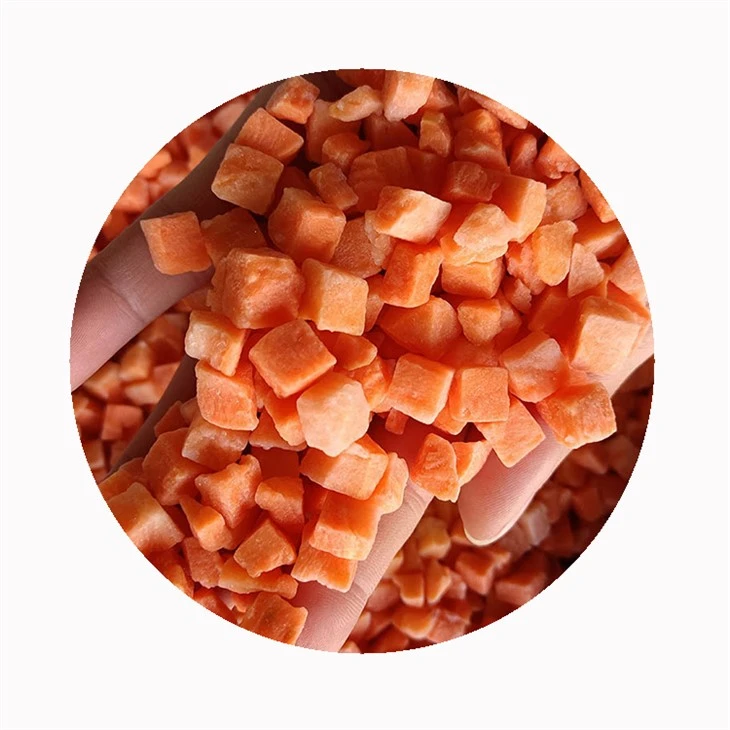
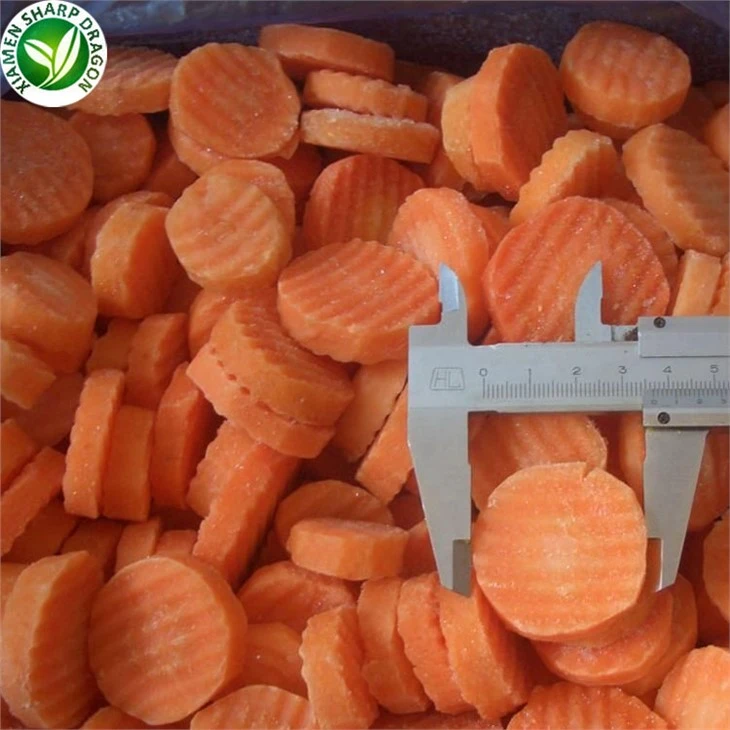
Specify the product before discussing the label: cultivar or color, cut dimensions, blanching status, tolerance, defect limits, glazing if any, pack weight, analytical basis and storage conditions. The XMSD frozen carrot range shows common cut options, while our food-processing overview explains the inspection and packing context behind finished formats.
Planning a carrot-containing frozen product?
Send your target cut, carrot percentage, serving weight, pack format, market and label basis through the XMSD inquiry form. We can review the supply specification and calculation inputs without turning food color into an unsupported tanning claim.

The Practical Answer
Carrots may add a yellow-orange carotenoid tint after sustained high intake, but they do not create a UV/melanin tan. No controlled evidence supports one reliable carrot count or schedule for cosmetic tanning. Keep ordinary portions inside a varied diet, measure concentrated patterns by grams and duration, treat juice and supplements separately, and never rely on food pigment for sun protection.
If visible color develops, lower the repeated carotenoid load and watch the clinical boundaries. Yellow eye whites, systemic symptoms, an unexplained change or persistent discoloration deserve medical assessment. For product decisions, use serving weight, recipe percentage and approved composition data-not a visual orange color or a "natural tan" promise.
References
- U.S. Food and Drug Administration. The Risks of Tanning.
- American Academy of Dermatology. How to Select a Sunscreen.
- National Institutes of Health, Office of Dietary Supplements. Vitamin A and Carotenoids: Fact Sheet for Health Professionals.
- Al Nasser Y, Jamal Z, Albugeaey M. Carotenemia. StatPearls.
- Tan KW, et al. Daily Consumption of a Fruit and Vegetable Smoothie Alters Facial Skin Color. PLoS One. 2015.
- Whitehead RD, et al. You Are What You Eat: Within-Subject Increases in Fruit and Vegetable Consumption Confer Beneficial Skin-Color Changes. PLoS One. 2012.
- Müller K, et al. Carotenodermia as a Possible Pitfall for the Diagnosis of Jaundice: A Systematic Review. Journal of the European Academy of Dermatology and Venereology. 2024.
- Köpcke W, Krutmann J. Protection from Sunburn with Beta-Carotene-a Meta-Analysis. Photochemistry and Photobiology. 2008.
- Balić A, et al. A Randomized, Double-Blind, Placebo-Controlled Study Evaluating the Photoprotective Effects of a Carotenoid-Rich Supplement. Photodermatology, Photoimmunology & Photomedicine. 2020.
- USDA FoodData Central. Carrots, Raw, FoodData Central ID 170393.
- USDA FoodData Central. Carrot Juice, Canned, FoodData Central ID 170491.
- U.S. Food and Drug Administration. Tanning Pills.
- NHS. 5 A Day Portion Sizes.