


How Many Carrots a Day Is Too Much? A Frequency Guide
Jul 11, 2019

No universal daily carrot count becomes "too much" for every person. A medium carrot is an ordinary food portion, while a repeated high intake is better judged from edible grams, consecutive days, all carotenoid sources and any yellow-orange skin change. The concern most closely linked with sustained carrot intake is carotenemia, a usually benign and reversible pigment change-not acute poisoning from a normal serving.
Cleveland Clinic gives 20–50 mg of beta-carotene per day for a few weeks as a range that can raise blood carotene enough for discoloration in some people. Using USDA reference data for raw carrots, that is roughly 241–604 g per day, or about four to ten 61 g medium carrots. This is a screening band for repeated exposure, not a recommended intake, poison threshold or diagnosis. Carrots vary, absorption varies, and not everyone changes color at the same amount.
If your question is what an ordinary portion looks like, use our separate guide to how many carrots fit into a varied day. The daily-frequency method below is for a different decision: whether a high amount has become a persistent pattern, and whether whole carrots, juice or supplements are driving it.
Practical answer: One moderate serving a day is not generally considered excessive. Recheck a habit when intake repeatedly approaches several hundred grams per day, when juice or supplements add concentrated beta-carotene, when carrots displace vegetable variety, or when palms and soles turn yellow-orange. Use a 7- to 28-day record rather than treating one large snack as a daily limit.

Daily Frequency Changes the Meaning of "Too Much"
Amount alone does not describe a repeated exposure. A useful record has three fields: grams per occasion, occasions per day and number of consecutive days. Two hundred grams once at a weekend meal is not the same pattern as 200 g at lunch and another 200 g at dinner every day for a month. The first is a single large serving. The second supplies 400 g daily, 2.8 kg weekly and 11.2 kg over 28 days.
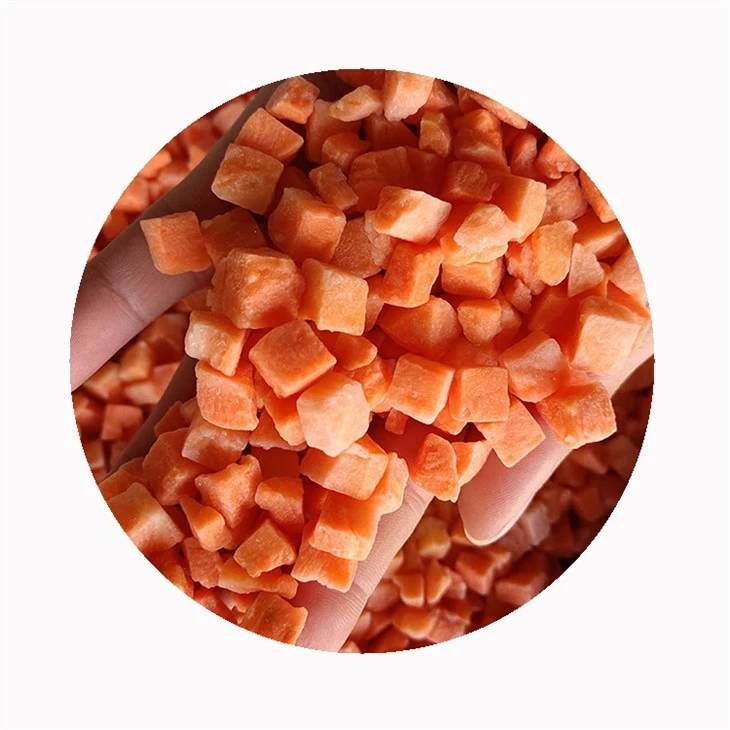
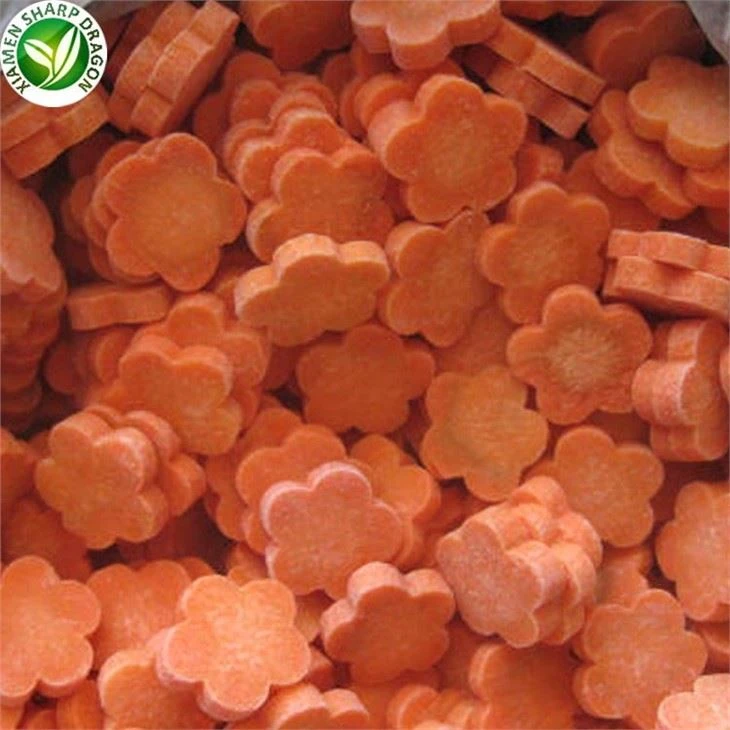
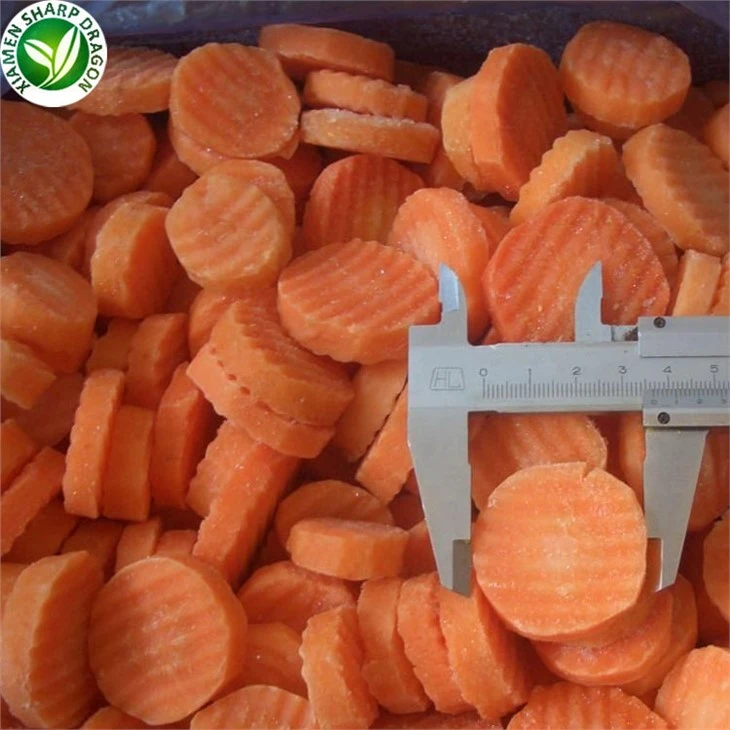
Carrot counts are especially unreliable. USDA FoodData Central lists one medium raw carrot as 61 g, but retail roots and trimmed foodservice carrots can be much smaller or larger. Baby-cut carrots are pieces shaped from larger roots, not a standard biological unit. Frozen dice, strips and crinkle slices create even more pieces from the same weight. If the decision matters, weigh the edible portion once and use grams.
Duration matters because diet-induced skin color develops gradually. A review of about 100 human cases reported exposure periods ranging from 14 days to years, reflecting wide differences in foods, amounts and individuals. That broad case range does not predict when your skin will change. It does show why "I ate six carrots today" cannot answer a question about a habit maintained for several weeks.
Think in rolling windows. A seven-day record catches weekday-versus-weekend changes and repeated carrot use in more than one meal. A 28-day view shows whether a temporary menu phase has become routine. Neither total creates a toxicity model: the body does not simply store every milligram unchanged. The totals are a management tool that reveals frequency, concentration and lack of variety.
Worked example: Five medium carrots every day. Five USDA-reference carrots weigh 5 × 61 = 305 g. Raw carrots provide 8.285 mg beta-carotene per 100 g, so the reference exposure is 305 ÷ 100 × 8.285 = 25.27 mg per day. Over 28 days, that pattern is 140 carrots, 8.54 kg of carrots and about 708 mg of beta-carotene on paper. The useful finding is the repeated 25.27 mg/day exposure, which sits inside the clinical screening band for possible discoloration; the 708 mg total is not a stored-body dose or a poison calculation.
Translate a Screening Band into Food Weight Carefully
USDA's reference entry for raw carrots reports 8,285 micrograms, or 8.285 mg, of beta-carotene per 100 g. The simple estimate is eaten grams ÷ 100 × 8.285. This lets you compare daily habits on one basis, but it cannot measure the actual carotenoid content of your cultivar, cooked recipe or frozen lot. Growing conditions, maturity, storage, processing, particle size and the meal matrix all affect the real exposure and its absorption.
| Daily raw-carrot reference | Estimated beta-carotene | How to interpret it |
|---|---|---|
| 1 medium carrot, 61 g | About 5.05 mg | An ordinary food amount, not a universal prescription |
| 2 medium carrots, 122 g | About 10.11 mg | Still below the 20 mg lower edge of the repeated-intake screen |
| 5 medium carrots, 305 g | About 25.27 mg | Inside the 20–50 mg/day screen if repeated for weeks |
| 10 medium carrots, 610 g | About 50.54 mg | A clearly concentrated daily pattern to review |
The table does not turn 241 g into "safe" and 242 g into "too much." It translates a published clinical observation into a recognizable food quantity. A person may develop color below it because other foods and supplements contribute, or may not develop color within it. The broader explanation of how many carrots are too many covers total-diet displacement and general upper-side safety; here, the daily figure is useful only when paired with duration.
Do not use this conversion for a finished dish without correcting the denominator. Three hundred grams of carrot soup is not 300 g carrot when water, stock, vegetables and cream make up most of the bowl. Likewise, a 300 g glazed-carrot side contains other ingredients that change energy, sugar, fat and sodium. Start from the carrot ingredient weight actually eaten, then assess the whole meal for its own nutritional purpose.
Use a Seven-Day Exposure Record
A short record replaces a vague memory with a repeatable decision. Record plain carrots by edible grams, prepared foods by their carrot ingredient or verified recipe percentage, juice by the serving volume and label, and supplements by milligrams per daily dose. Keep whole foods, juice and capsules on separate rows so a drink or tablet does not disappear inside a single "carrot" total.
- Measure the occasion. Note grams of whole, cooked or frozen carrot and the carrot percentage in a mixed recipe.
- Record frequency. Count separate eating occasions and show which days are consecutive.
- Add concentrated sources. Write juice milliliters and supplement label milligrams in their own fields.
- Check the outcome. Note palms, soles, eye whites, digestive tolerance and whether carrots are displacing other vegetables.
Worked example: A mixed week. A person eats two medium raw carrots on five weekdays and drinks one 236 g cup of canned carrot juice on each weekend day. The raw-carrot estimate is 122 g × 5 ÷ 100 × 8.285 = 50.54 mg per week. The USDA canned-juice reference supplies 9.303 mg per 100 g, so two cups provide 236 g × 2 ÷ 100 × 9.303 = 43.91 mg. The weekly total is about 94.45 mg, averaging 13.49 mg/day.
That average is useful for comparing weeks, but it hides the form and the daily peaks. The weekday whole-food amount is about 10.11 mg/day; each weekend juice day is about 21.96 mg/day. A good record therefore keeps the daily rows and the weekly average. If the person also takes a hypothetical 15 mg beta-carotene capsule every day, the supplement must be added separately; they should check its compound and label dose with a clinician or pharmacist, especially when smoking history or medical conditions affect the decision.
Also list other major carotenoid sources: pumpkin, sweet potato, squash, mango and dark-green vegetables can contribute. The goal is not to avoid those foods. It is to recognize when several orange foods, a concentrated drink and a supplement overlap every day. If the record shows that carrots appear at nearly every meal, changing two or three occasions to beans, cauliflower, broccoli or another suitable vegetable restores variety without making carrots the villain.
Carotenemia Is a Signal, Not a Poison Meter
Carotenemia means carotene in the blood has risen; carotenoderma is the yellow-orange skin appearance that can follow. It is often easiest to notice in thicker skin on the palms and soles and around the nose or forehead. The whites of the eyes are usually spared. That distinction is helpful, but a mirror or photograph cannot safely rule out jaundice or another condition.
Diet-associated carotenemia is generally described as benign and reversible. When a clearly concentrated intake is reduced and dietary variety returns, the color may fade over weeks or months. It does not need to disappear the next day, because carotenoids stored in tissue clear gradually. A visible change is a prompt to review the pattern, not proof that the liver has suffered vitamin A toxicity.
A new skin color with no obvious high-carotenoid diet deserves clinical assessment. Carotenemia can be associated with conditions that alter carotene metabolism or clearance, including hypothyroidism, diabetes and liver or kidney disease. That association does not mean carrots caused those conditions. It means reducing carrots is not a substitute for evaluating an unexplained or persistent change.
Act promptly: Yellowing of the eye whites, dark urine, marked itching, severe abdominal symptoms, breathing difficulty, facial or throat swelling, faintness or choking is not a routine carotenemia decision. Seek appropriate medical help. Ordinary food-derived beta-carotene and these acute warning signs should not be collapsed into the same "too many carrots" answer.
When fear centers on poisoning or death, consult the separate safety explanation of whether excessive carrot intake can be fatal. That boundary keeps a daily food-frequency question from obscuring choking, severe allergy, contaminated food or unsafe supplement use, each of which requires a different response.

Whole Carrots, Juice and Supplements Need Separate Rows
Whole, cooked or plain frozen carrots preserve a food structure and require chewing. Juice makes it easy to consume the carrot input quickly and contains less fiber at equal reference weight. A supplement is a concentrated dose with evidence and warnings that cannot be inferred from a vegetable serving. Treating all three as "one carrot product" produces a bad exposure record.
| Form | Daily record | Main judgment |
|---|---|---|
| Whole, cooked or plain frozen carrot | Edible grams and eating occasions | Repeated weight, recipe ingredients and vegetable variety |
| Juice or concentrated purée | Milliliters, serving density and product label | Easy daily repetition, lower fiber and total drink pattern |
| Beta-carotene or vitamin A supplement | Compound, milligrams or micrograms per dose | Label directions, smoking status, medical context and duplication |
At equal reference weight, the contrast is concrete. USDA lists raw carrots at 8.285 mg beta-carotene and 2.8 g fiber per 100 g, and canned carrot juice at 9.303 mg beta-carotene and 0.8 g fiber per 100 g. A 236 g portion therefore works out to about 19.55 mg beta-carotene and 6.61 g fiber for raw carrots, versus 21.96 mg beta-carotene and 1.89 g fiber for the juice reference. Real packaged products vary, so their label or product data should replace this comparison.
A hypothetical daily combination shows why separate rows matter. One 236 g cup of the reference juice plus a supplement label dose of 15 mg beta-carotene equals 21.96 + 15 = 36.96 mg/day before food at meals is counted. That sum falls within the carotenemia screening band, but it is not a safety clearance or toxicity line. Supplements carry their own evidence; people who smoke should avoid beta-carotene supplements, and anyone with a smoking history should disclose it before using a concentrated product.
If you drink carrot juice regularly, compare the actual volume, ingredients, sugars, fiber and serving frequency with the food alternative. Our guide to carrot juice versus whole carrots deals with that form choice. A juice serving should not be converted into an imaginary number of standard carrots unless the manufacturer supplies a dependable recipe yield.
Do Not Turn the Vitamin A Upper Limit into a Carrot Ceiling
Carrots supply provitamin A carotenoids, mainly beta-carotene. The body controls their conversion to retinol according to several factors, including vitamin A status. The NIH adult tolerable upper intake level of 3,000 micrograms retinol activity equivalents per day applies to preformed vitamin A from retinol and retinyl esters, not to beta-carotene naturally present in carrots. Comparing a carrot's vitamin A activity directly with that UL creates a false food limit.
The absence of a food beta-carotene UL also does not mean unlimited concentrated intake is advisable. EFSA's 2024 review found no indication that beta-carotene from the background diet is associated with adverse health effects, but evidence was inadequate to derive a supplemental upper level. EFSA advised smokers to avoid beta-carotene supplements and said supplemental use in the general population should be limited to meeting vitamin A needs.
Read a supplement label closely. "Vitamin A 900 mcg RAE" is incomplete for this decision unless the label also identifies how much comes from beta-carotene and how much from preformed forms such as retinyl palmitate or retinyl acetate. Check multivitamins, eye-health products and single-ingredient capsules together. Pregnancy, liver disease, smoking history and medicines can change the appropriate advice, so use a qualified clinician or pharmacist for supplement decisions rather than borrowing a carrot-food calculation.

When to Reduce the Pattern and When to Seek Assessment
Reduce concentration when the record shows several hundred grams of carrot every day for weeks, carrots at multiple daily meals, daily juice layered onto carrot-heavy meals, an unnecessary supplement, or a loss of vegetable variety. Replace part of the carrot amount with other foods that fit the meal. A gradual adjustment is usually more practical than banning carrots and then returning to the same pattern.
If palms or soles gradually turn yellow-orange while the eye whites stay normal, record the start date, photograph the trend in consistent light, list food and supplement sources, and reduce the concentrated intake. Arrange routine medical advice if the diagnosis is uncertain, if color persists despite change, or if there was no clearly high intake. Color may take weeks or months to fade; lack of overnight improvement is not proof that dietary adjustment failed.
Digestive response is a separate practical limit. Raw carrots contain 2.8 g fiber per 100 g in the USDA reference, so 500 g contributes about 14 g before other foods are counted. A rapid increase may cause fullness, gas or stool changes for some people. Persistent pain, vomiting, inability to eat, major bowel change or unintended restrictive behavior calls for individual assessment rather than another internet gram calculation.
Children and infants also need proportionate judgment. Repeated carrot purée can occupy a large share of a small child's diet even when the adult-looking bowl seems modest. Do not scale the 241–604 g adult screening translation by body weight and call the result a child limit. Use age-appropriate feeding guidance, variety and pediatric advice when skin color changes or intake becomes unusually repetitive.
For Menus and Packs, Control Frequency at Recipe Level
For foodservice, private label and prepared meals, the health question becomes a formulation and menu-frequency question. The bag weight is not the consumer exposure. Calculate edible carrot grams per finished serving, expected servings per week, other orange ingredients in the recipe and whether the same customer sees carrots in several products across the menu cycle.
Commercial example-a repeated menu side: A 400 g vegetable pack contains 15% carrot, so it supplies 400 × 0.15 = 60 g carrot per pack. If the planned user eats one pack on five days, the schedule provides 300 g carrot per week, averaging 42.9 g/day across seven days. If two other ready meals each add 80 g carrot, the portfolio total becomes 460 g/week. That is a menu record, not a label claim or toxicity calculation.
A defined cut makes this control easier. Plain IQF frozen carrot formats can be dosed by weight into soups, sides and mixed vegetables, but cut size changes the visual count. A dozen 10 mm dice does not equal a dozen crinkle rounds. Specify serving grams, carrot percentage, cut dimensions and tolerances, then verify the cooked distribution in the finished product.
Do not copy the USDA raw-carrot composition onto a finished frozen or prepared product. Cultivar, blanching, moisture, recipe yield, cooking and storage can change the as-served result. Use approved ingredient data and the required nutrition-calculation method or laboratory analysis for the destination market. For a mixed vegetable product, also confirm the carrot proportion after filling; visual balance can drift even when the total pack weight passes.

Need a repeatable carrot format for a menu or retail pack?
Tell us the finished application, cut, carrot percentage, serving weight, pack format, destination market and expected order volume. We can review which frozen carrot format fits the recipe trial and which product and commercial details still need confirmation.
A Daily Rule You Can Use
Do not search for one magic carrot count. Weigh a representative portion, multiply it by occasions and consecutive days, and keep whole carrots, juice and supplements separate. One moderate food serving is not generally "too much." A pattern repeatedly reaching several hundred grams a day, layering concentrated forms, narrowing dietary variety or changing skin color deserves review.
Use the 20–50 mg/day beta-carotene observation only as a carotenemia screen for repeated exposure. On USDA raw-carrot data it translates to roughly 241–604 g/day, but it is not a poison threshold and cannot predict individual response. If the eye whites yellow, symptoms are acute, discoloration is unexplained or supplements complicate the picture, move from a food log to appropriate medical assessment.
References
- Cleveland Clinic. Carotenemia: Can Eating Carrots Turn Your Skin Orange? Accessed August 26, 2026.
- USDA Agricultural Research Service. FoodData Central, legacy food entries 170393 (raw carrots) and 170491 (canned carrot juice). Accessed August 26, 2026.
- National Library of Medicine. Carotenemia, StatPearls. Accessed August 26, 2026.
- NIH Office of Dietary Supplements. Vitamin A and Carotenoids: Fact Sheet for Health Professionals. Accessed August 26, 2026.
- EFSA Panel on Nutrition, Novel Foods and Food Allergens. Scientific opinion on the tolerable upper intake level for beta-carotene. 2024.
- Jha P, et al. Diet-induced carotenodermia: a review of the clinical evidence. International Journal of Dermatology. 2024.
- National Capital Poison Center. What is the raw carrot salad social media trend? Accessed August 26, 2026.