


Who Cannot Eat Cauliflower? A Practical Safety and Buyer Guide
Jan 08, 2020

Most people can eat cauliflower. There is no sound reason to publish a long list of people who must avoid it. The clearest exception is a person with a diagnosed cauliflower or related Brassica allergy. Some people with irritable bowel syndrome may also limit cauliflower during a clinician-guided low-FODMAP trial because it can trigger gas, bloating, pain or bowel changes. People taking warfarin should keep vitamin K intake consistent and follow their prescriber's advice, not impose a cauliflower ban on themselves.
Thyroid disease and chronic kidney disease require more nuance than many search results provide. A 2024 systematic review found that most evidence does not support an antithyroid effect from normal dietary Brassica intake in humans, particularly when iodine intake is adequate. Kidney diets are individualized according to laboratory results, medicines and the whole meal; NIDDK even lists cauliflower among lower-potassium vegetables in one serving guide. The right question is therefore not simply "Can this group eat cauliflower?" but "What condition, product form, portion and professional instruction apply?"
Direct answer: Avoid cauliflower if a qualified clinician has confirmed that it causes your allergic reaction. If you have diagnosed IBS, take warfarin, follow a medically prescribed kidney diet or have a specific thyroid or digestive concern, use individualized guidance rather than a blanket internet restriction. Anyone with throat swelling, breathing difficulty, faintness or another possible severe allergic reaction needs urgent medical help.

Start With the Few Situations That Really Matter
A useful safety answer separates allergy, intolerance, medical nutrition and rumor. Allergy involves an immune response and may become serious. Intolerance or fermentable-carbohydrate sensitivity usually causes digestive symptoms rather than anaphylaxis. A therapeutic diet can ask a person to change portions or frequency for a defined reason. A rumor takes one laboratory mechanism or one nutrient and turns it into a universal prohibition.
The systematic review on cruciferous-plant safety concluded that these foods are generally safe in humans, with allergy as the main exception, and advised people treated with warfarin to consult their physician. That conclusion is more defensible than calling cauliflower "bad" for everyone with a named condition. It also leaves room for the person's own diagnosis and treatment plan.
Product form matters. Plain IQF cauliflower is not the same as cauliflower in cheese sauce, a seasoned vegetable mix, breaded bites or a prepared meal. The finished formulation may introduce milk, wheat, soy, sesame or another major allergen. It may also add sodium, fat, potassium-containing salt substitutes or ingredients that change digestive tolerance. Read the complete ingredient statement and the applicable allergen declaration.
Preparation matters too. Industrially blanched frozen vegetables are not necessarily ready to eat. Follow the product's cooking instruction, maintain the cold chain and keep the food separate from raw meat and other contamination sources. The XMSD frozen cauliflower process-status guide explains why blanching and full cooking should not be treated as synonyms.
A Confirmed Cauliflower or Brassica Allergy Is the Clearest Avoidance Case
Cauliflower is not one of the nine major allergens named in United States federal labeling law, but that does not mean an allergic response is impossible. FDA guidance is explicit that many different foods can cause reactions. Published case evidence involving related Brassica vegetables also supports the possibility of uncommon cross-reactivity in susceptible people. Prevalence should not be inferred from a case report, and a symptom should not be self-diagnosed from a web article.
Possible food-allergy symptoms include hives, an itchy or tingling mouth, swelling of the lips, face, tongue or throat, vomiting, abdominal cramps, wheezing, dizziness and difficulty breathing. FDA advises a person with a known food allergy who develops symptoms to stop eating the food, assess the need for emergency treatment such as prescribed epinephrine and seek medical attention. Severe breathing, throat or circulation symptoms require urgent action.
For a packaged-food brand, cauliflower allergy is only one part of the hazard review. A cauliflower gratin may contain milk; breaded cauliflower may contain wheat or egg; a plant-based sauce may contain soy, sesame or tree nuts. Cross-contact risk depends on the facility, line, cleaning controls and actual formulation. Do not convert "plain cauliflower is not a major allergen" into "the finished SKU is allergen-free."
Practical example: A distributor compares two 1 kg products. Product A contains only cauliflower. Product B contains cauliflower, cheese sauce and seasoning. The allergy assessment for Product B must include the sauce ingredients and production controls, not just the vegetable name. The buyer requests the full ingredient specification, allergen statement and change-control procedure before approving the label.

IBS May Call for a Structured Trial, Not Permanent Avoidance
Cauliflower appears on MedlinePlus's list of high-FODMAP foods. FODMAP carbohydrates can be poorly absorbed and rapidly fermented, increasing water and gas in the bowel. Some people with irritable bowel syndrome experience bloating, pain, diarrhea or other symptoms after particular high-FODMAP foods. Most people, however, can eat these foods without a problem, and fermentable foods may support beneficial gut bacteria.
MedlinePlus describes low FODMAP as an elimination diet for people diagnosed with IBS, used with a health professional or dietitian. It describes an elimination period of about six weeks followed by adding foods back one at a time to identify personal triggers. That is very different from telling every person with digestive discomfort never to eat cauliflower again.
Portion, meal composition and individual response can change the result. A person may react to a large serving but tolerate a smaller amount, or may blame cauliflower when the actual trigger is onion, garlic, dairy or a sweetener in the same dish. Keeping the formulation and portion stable makes reintroduction information more interpretable. A persistent or severe symptom deserves medical assessment instead of repeated unsupervised restriction.
Practical example: A hospital or meal-service program should not market a standard cauliflower side as "IBS-safe." Instead, its technical sheet states ingredients, portion mass and preparation instructions. A dietitian can then decide whether that specific food fits an individual's trial phase. The label supplies facts; it does not diagnose the diner.
| Situation | Better interpretation | Avoid this shortcut |
|---|---|---|
| Confirmed allergy | Avoid the diagnosed trigger and follow the clinical action plan | Assuming a small prior reaction can never become serious |
| Diagnosed IBS | Use a supervised elimination and reintroduction process if advised | Permanent broad restriction based on one uncomfortable meal |
| Warfarin treatment | Keep dietary vitamin K intake consistent and follow the prescriber | Suddenly banning or greatly increasing vegetables |
| Thyroid or kidney disease | Apply the individual's diagnosis, laboratory results and diet plan | Treating a condition name as a universal cauliflower ban |

Warfarin Advice Is About Consistency and Monitoring
Warfarin works against vitamin K activity, so a large dietary change can alter anticoagulation control. The NIH Office of Dietary Supplements advises people taking warfarin or similar vitamin K antagonists to discuss vitamin K status with their health care provider. The practical principle is to keep intake reasonably consistent from day to day and have treatment monitored, not to build an unsupervised blacklist from isolated web pages.
Cauliflower is not among the highest vitamin K sources highlighted in the NIH fact sheet; green leafy vegetables and certain oils are more concentrated examples. Nevertheless, the whole dietary pattern matters. A mixed vegetable product could include leafy greens, and a prepared cauliflower dish could contain oils or other ingredients. The correct advice depends on the actual label, serving and existing routine.
Do not recommend that a patient start, stop or change medicine because of this article. A pharmacist, anticoagulation service or prescriber can interpret the person's laboratory monitoring and usual diet. Also do not promise that freezing removes an interaction. Freezing preserves a vegetable product; it is not a medical treatment that makes every nutrient issue disappear.
Worked example: A 100 kg vegetable mix contains 24 kg of cauliflower. A 350 g tray therefore contains 350 g × 24% = 84 g of cauliflower before normal processing variation. This calculation helps a dietitian or technical team understand the formula; it does not determine whether a particular warfarin patient should eat the tray. The remaining 76% of ingredients and the person's overall intake still require review.

Thyroid Disease Does Not Create an Automatic Cauliflower Ban
Cauliflower contains glucosinolates, and their breakdown products are often discussed as "goitrogens." That biochemical label is sometimes stretched into a claim that anyone with hypothyroidism must avoid every cruciferous vegetable. Human dietary evidence does not support such a sweeping conclusion.
The 2024 systematic review examined 123 in vitro, animal and human studies. Its authors concluded that the great majority of results cast doubt on assumed antithyroid effects in humans and that daily dietary Brassica intake, particularly with adequate iodine, did not show adverse thyroid effects. The review also documents uncertainty and mechanisms; it is not a prescription for unlimited concentrated extracts.
Ordinary food and a highly concentrated supplement are not equivalent exposures. A person's iodine status, diagnosis, medication timing and clinician instructions may also matter. Someone receiving specific medical advice should follow it. What the evidence does not justify is a generic website declaring that all people with thyroid disease "cannot eat cauliflower."
For product claims, stay within the signed nutrient data and destination-market rules. Do not label frozen cauliflower as treating hypothyroidism, preventing thyroid cancer or being universally "thyroid safe." A supplier can truthfully describe ingredients, process, pack and tested specifications; medical outcome claims require a different level of evidence and regulatory review.
Kidney Diets Depend on Laboratory Results and the Whole Product
Chronic kidney disease is not one fixed diet. NIDDK emphasizes individualized medical nutrition therapy because potassium, phosphorus, sodium, protein and energy needs change with kidney function, laboratory results, medicines and nutritional status. Potassium restriction is not automatically indicated for every person with CKD.
In a NIDDK serving guide, cauliflower is listed among vegetables with 200 mg or less potassium per defined serving. That does not establish the exact value of every cultivar, processing condition or portion, and it does not overrule a patient's prescribed limit. It does show why "kidney patients cannot eat cauliflower" is a poor generalization.
Prepared products can change the decision. Cheese sauce may add sodium and phosphorus-containing additives. A seasoning blend may use potassium chloride. A large portion multiplies every nutrient. Provide a complete formula, verified nutrition information where required, serving definition and current ingredient statement so a qualified professional can assess the actual SKU.
The same discipline applies to diabetes, pregnancy and childhood feeding. Plain cauliflower is not automatically prohibited, but the meal, portion, choking safety for young children, infection risk and individual care plan still matter. One broad article cannot replace diagnosis, laboratory monitoring or age-appropriate preparation.

Buyer Controls Should Follow the Finished SKU
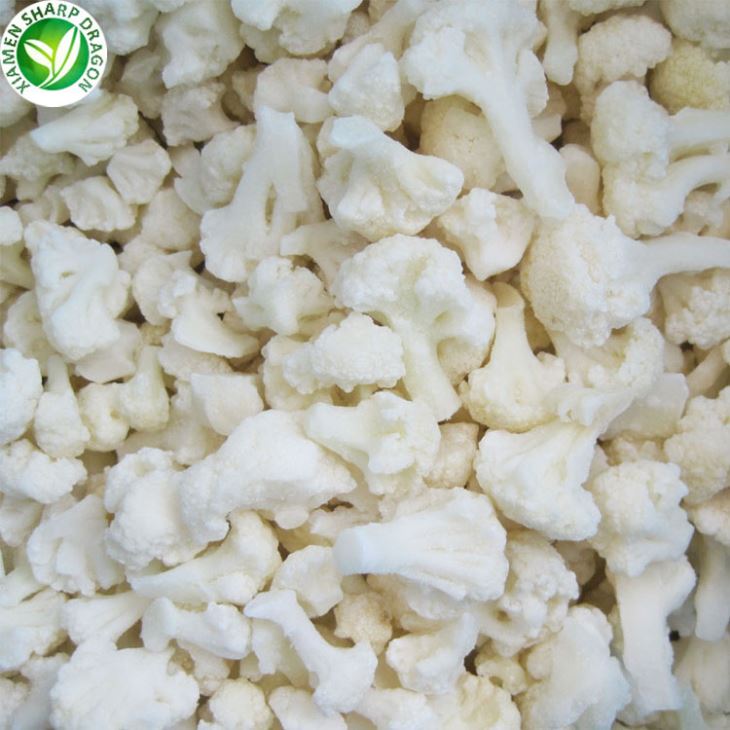
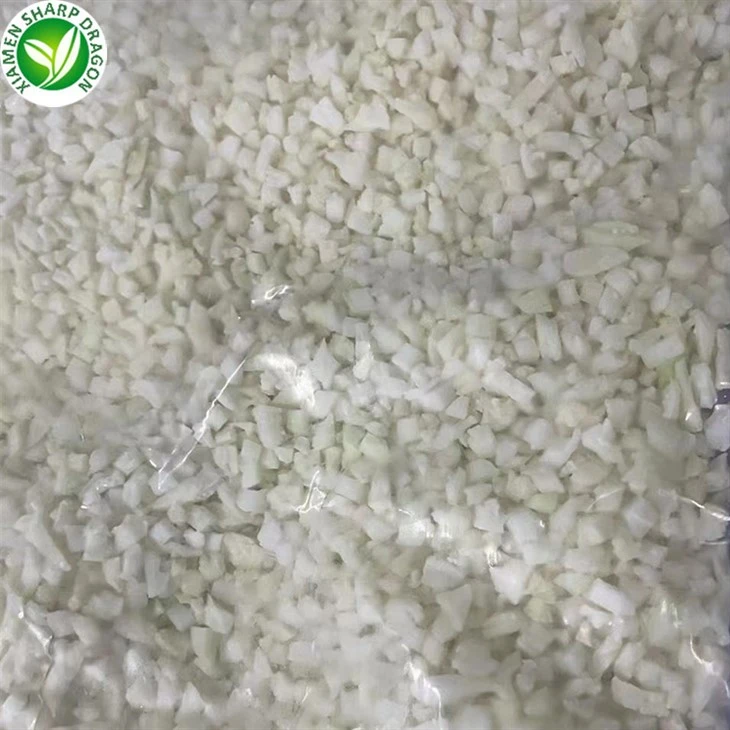
For plain IQF cauliflower, confirm the botanical and common name, ingredient statement, floret size, stem ratio, blanching or other process status, cooking instruction, pack format and storage temperature. Review allergen-control information, microbiological criteria, residue requirements, traceability and destination documents according to the buyer's risk assessment. Sensory appearance cannot prove medical or microbiological safety.
For a blend or value-added product, obtain the complete formulation and identify every compound ingredient. Confirm which allergens must be declared in the destination market and how recipe changes are controlled. A declaration that was correct for a plain vegetable cannot simply be copied onto a sauced or breaded line. Supplier approval should connect the ingredient specification, production site, label version and lot records.
Portion information must be meaningful. A foodservice carton can be several kilograms, but the eater receives a plated portion. A ready-meal brand may specify a fixed gram weight. State whether nutrition values are per 100 g, per serving or as prepared. Buyers can review current formats through the XMSD frozen cauliflower category and compare sensory targets with the cauliflower taste and approval guide.
Packaging also affects safe handling. Confirm inner-bag integrity, carton marking, lot code, label language, storage statement and preparation directions. The XMSD frozen packaging overview provides a starting point, but the order specification must record the actual material, unit weight, print and destination requirements.
A Better Decision Process Than "Good" or "Bad"
First identify the concern: immune allergy, digestive symptoms, medication management, renal nutrition, thyroid treatment or general preference. Second identify the food: plain cauliflower, a mixture, sauce, breading, seasoning or supplement. Third define the portion and frequency. Fourth apply the person's documented care plan or obtain professional guidance when the stakes warrant it.
Record what actually happened. "Cauliflower made me sick" could mean an itchy mouth within minutes, bloating several hours later, spoiled food, an undercooked ready meal or a reaction to sauce. Timing, symptoms, ingredients, amount, lot code, preparation and other foods help a clinician or quality team investigate. They do not prove causality by themselves.
For a complaint about a packaged product, retain the pack and label, photograph the lot and best-before codes and keep an unopened unit under the specified storage condition where safe and permitted. Escalate possible allergy and food-safety events through the brand's procedure. Do not ask someone to taste the product again to reproduce a potentially serious reaction.
For routine tolerance rather than an emergency, change one variable at a time with professional guidance: portion, product form or accompanying ingredients. This makes the result more useful than removing several food groups at once. A successful small-portion trial for one person is not a universal serving recommendation; a reaction in one person is not proof that cauliflower is unsafe for the population.
When the intended users include hospitals, schools or care facilities, lock the evidence package before the first order. Record the exact ingredient list, allergen declaration, nutrition basis, cooking method and portion. Review any recipe or supplier change before the revised product is served. This control is more reliable than adding an unsupported "suitable for everyone" badge.
XMSD sourcing note: Send the cauliflower format, ingredient and allergen requirements, floret size, process status, cooking instruction, pack, label language, trial quantity, annual volume, destination and required documents. We can review the commercial specification and application before quoting.
Frequently Asked Questions
Can people with hypothyroidism eat cauliflower?
A blanket ban is not supported by the 2024 systematic review of Brassica vegetables and thyroid function. Ordinary dietary intake, especially with adequate iodine, was not shown to harm thyroid function in the great majority of reviewed results. Follow any individualized advice from your clinician.
Should people with IBS avoid cauliflower?
Cauliflower is a high-FODMAP food and can trigger symptoms in some people with diagnosed IBS. A low-FODMAP plan should be supervised and normally includes reintroduction to identify personal triggers, not indefinite avoidance of every listed food.
Can cauliflower cause an allergy?
Yes, although cauliflower is not one of the nine major allergens under U.S. law. Anyone with a diagnosed allergy should avoid the trigger according to the clinical plan. Throat swelling, breathing difficulty, faintness or other severe symptoms require urgent medical care.
Can someone taking warfarin eat cauliflower?
Do not create a self-directed ban. NIH guidance emphasizes consistent vitamin K intake and discussion with the health care provider. Review the whole dish because blends, sauces and oils can change its composition.
Is cauliflower unsuitable for chronic kidney disease?
Not automatically. Kidney diets depend on laboratory results and treatment. NIDDK lists cauliflower as a lower-potassium vegetable in one serving guide, but the person's prescribed portion and the complete prepared product still control the decision.
References
- U.S. Food and Drug Administration. "Food Allergies: What You Need to Know." Current page reviewed August 14, 2026. FDA food-allergy guidance.
- MedlinePlus Medical Encyclopedia. "Low FODMAP diet." Current page reviewed August 14, 2026. MedlinePlus low-FODMAP guidance.
- National Institutes of Health, Office of Dietary Supplements. "Vitamin K: Fact Sheet for Health Professionals." NIH vitamin K fact sheet.
- Galanty, A. et al. "Do Brassica Vegetables Affect Thyroid Function? A Comprehensive Systematic Review." International Journal of Molecular Sciences, 2024. PMID 38612798.
- Scott, O. et al. "The Safety of Cruciferous Plants in Humans: A Systematic Review." Journal of Biomedicine and Biotechnology, 2012. PMID 22500092.
- National Institute of Diabetes and Digestive and Kidney Diseases. "Nutrition for Children with Chronic Kidney Disease" and potassium food guide. NIDDK kidney nutrition guidance.