


What Does Cauliflower Taste Like? Frozen Buyer Sensory Guide
Dec 23, 2019

Cauliflower tastes mild, lightly sweet and gently nutty, with a clean cabbage-family character. Raw cauliflower is crisp and can taste greener or more peppery. Properly cooked florets become tender and slightly sweeter. A normal cooked sample may have a restrained sulfur note, but it should not be dominated by bitterness, stale freezer flavor or a strong lingering odor.
For a frozen-food buyer, that answer is only the starting point. Cultivar, maturity, floret size, stem ratio, blanching, frozen storage, cooking method and holding time all change perception. Approve a lot against a written sensory method and its intended application. The phrase "typical cauliflower taste" is too loose to settle a claim.
Direct answer: Expect a mild vegetable flavor with light sweetness, a faint nutty or cabbage-like note and limited bitterness. After correct cooking, the texture should meet the agreed use, from firm-tender for a side dish to softer for puree. Strong sour, moldy, rancid, chemical or persistently stale flavors are not normal.

Cauliflower Flavor Is Mild, but It Is Not Flavorless
Good cauliflower has enough identity to be recognized even without seasoning. The first impression is usually clean and mild. Light sweetness becomes more noticeable when harsh raw notes fade during cooking. Some tasters describe a nutty quality; others use cabbage-like, green or creamy. Those words overlap, so you should provide a reference sample rather than assume every panelist means the same thing.
Bitterness varies. A trained-panel study of eleven cauliflower varieties found differences mainly in cauliflower odor and bitterness. It associated specific glucosinolates with bitterness and identified several sulfur compounds as important cooked-cauliflower odorants. This supports a practical point: cultivar and processing can move the flavor profile even when two cartons carry the same product name.
A sulfur note is not automatically a defect. Cauliflower belongs to the Brassica family, and sulfur-containing precursors contribute to its characteristic aroma. Intensity and persistence matter. A brief, moderate cooked-vegetable note may be expected; an aggressive odor that overwhelms the dish or grows during holding may fail the buyer's target. Write the boundary in descriptive language and retain an approved reference.
Do not confuse mildness with weakness caused by excess processing. A heavily blanched or overcooked sample can seem flat while also becoming soft. Conversely, a short-cooked large floret may taste greener and firmer because the center is less heated. Flavor comments must therefore be recorded with the piece size and cooking endpoint.
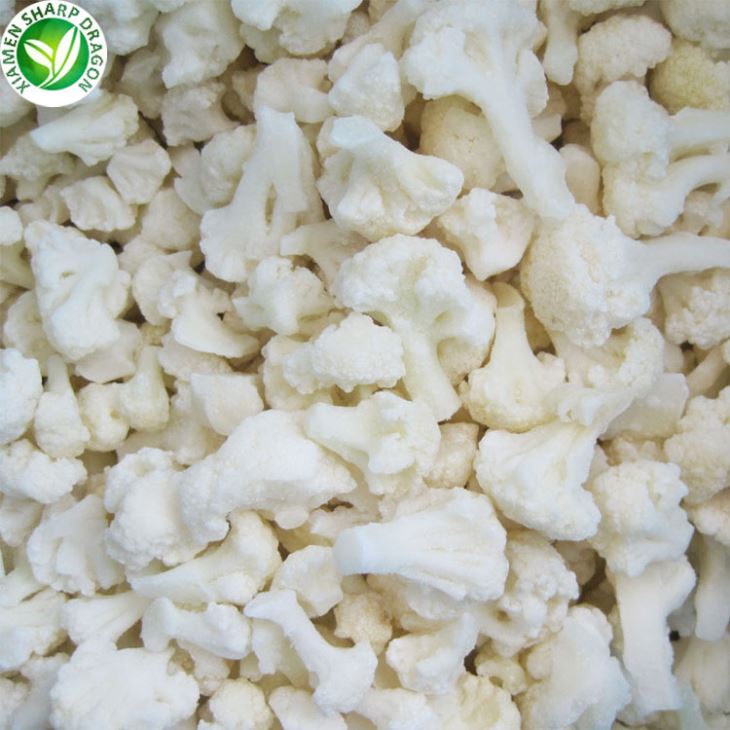
Raw, Blanched, Frozen and Fully Cooked Samples Taste Different
Raw cauliflower is crisp, dense and relatively dry on the bite. It can show a greener, sharper or pepper-like character. Industrial frozen cauliflower is commonly blanched before freezing, but blanching is a stabilization step, not a promise that the product is ready to eat. The process status and cooking instruction must be confirmed for the actual item.
Blanching changes aroma, flavor and texture while helping control enzyme activity during frozen storage. Research comparing blanched and unblanched frozen cauliflower found unblanched samples became sensorially unacceptable quickly during frozen storage, while heat-treated samples developed off-notes more slowly. It does not provide one universal blanching schedule; it shows why process control matters to later sensory stability.
Freezing also changes plant tissue. Ice formation can weaken cell structure, so thawed or cooked frozen cauliflower will not behave exactly like raw fresh cauliflower. That is not evidence of poor quality by itself. Judge an IQF product against the frozen format specified for the program and test it through the intended cook, hold and reheat cycle.
The current XMSD frozen cauliflower category lists floret sizes as order variables. Use those as discussion points, then confirm the signed specification. The related frozen cauliflower process-status guide explains why blanched and fully cooked are not interchangeable terms.

Texture Changes How Flavor Is Perceived
A small crown and a thick stem do not reach the same endpoint at the same speed. The crown softens readily and holds water between its branches. The stem is denser and can remain firm. A carton with a wide size distribution can therefore deliver several textures and several apparent flavor intensities in one timed cook.
Firm-tender florets release flavor differently from waterlogged, collapsing ones. Excess surface water can dilute seasoning and create a washed-out impression. A dry-heat application can concentrate sweetness and add browned notes, while boiling places the product in direct contact with water. These are application effects, not automatic supplier defects.
For comparative testing, use one narrow floret-size band or record the full distribution. Begin every sample at the same frozen or thawed state. Standardize product mass, vessel, water or steam load, time, temperature, drainage and serving temperature. The existing boiling-versus-steaming guide covers cooking-method tradeoffs; the sensory approval here should remain focused on whether the resulting flavor and bite fit the intended product.
| Attribute | Acceptable direction | Investigate or reject |
|---|---|---|
| Flavor | Mild, lightly sweet, faint nutty or cabbage-like note | Strong sour, rancid, chemical, moldy or stale-freezer taste |
| Odor | Clean vegetable odor; restrained cooked-Brassica note | Persistent overpowering sulfur, fermentation or decay odor |
| Texture | Agreed firm-tender or soft endpoint after the stated cook | Woody centers, fibrous stems, mushiness or collapse outside the target |
| Appearance | Natural white to creamy color within the agreed reference | Decay, abnormal spots, heavy discoloration or foreign material |

Use a Plain-Cooking Test Before the Finished Recipe
Start with unopened representative packs from more than one carton. Record supplier, lot, production date, pack condition, receiving temperature, frost, clumping and net weight. Randomly take florets rather than choosing only attractive pieces. Separate any obvious foreign material or severe defects and photograph them before cooking.
Cook the sample without salt, fat, sauce or strong aromatics. A plain method makes sweetness, bitterness, sulfur intensity, stale notes and texture easier to compare. Drain for a fixed period and serve within a fixed temperature window. Panelists should score individually before discussion, using anchors such as 1 for absent and 5 for strong.
Record at least clean cauliflower flavor, sweetness, bitterness, sulfur odor, stale or oxidized note, stem firmness, crown softness and overall application fit. Add free-text comments only after scoring. "Bad" is not a useful diagnosis; "strong bitter finish after swallowing" or "soft crown with hard stem center" directs a supplier investigation.
Then test the same accepted lot in the real recipe. Sauce, seasoning, fat, browning, batch load and holding can all change the result. A plain-cooked sample may meet the sensory standard yet lose structure in a ready meal. Another may seem too mild alone but work well in a seasoned vegetable mix. Both tests are needed because they answer different questions.
Practical example: one lot, two endpoints.
A foodservice team cooks 30–50 mm florets for four minutes and records clean flavor with a firm center. At seven minutes, the same sample is softer and its sulfur note is more apparent. The team selects the four-minute endpoint for a side dish, then tests seven-minute performance only for soup. The supplier did not change; the evaluation condition did.

Separate Normal Brassica Character From an Off-Flavor
Normal cauliflower character includes mild cabbage-family aroma and may include limited bitterness. A complaint becomes actionable when it identifies intensity, timing and conditions. Did the odor appear on opening, during cooking or after hot holding? Was it present in every carton? Did an unopened control show the same result? Did the panel use identical floret sizes?
Strong sour or fermented character can suggest spoilage or unintended microbial activity, but sensory observation alone does not establish cause. Moldy, putrid or chemical notes likewise require the affected product to be isolated and evaluated under the buyer's quality procedure. Do not taste a sample that appears unsafe merely to complete a scorecard.
A cardboard-like or stale-freezer note can direct attention to packaging, frozen storage or odor transfer. Frost, dehydration and clumping can indicate temperature or moisture history, although they do not identify the exact event on their own. Inspect the inner liner and carton, record temperatures, compare pallet positions and retain unopened units for a controlled follow-up.
Excess bitterness may come from raw-material variation or preparation. Compare the questioned lot with the approved reference under the same method. If bitterness tracks particular stem-heavy pieces, examine cut specification and maturity. If every piece changes only after extended cooking or holding, reproduce the time-temperature profile before changing the purchase specification.
Practical example: a carton-level odor complaint.
Three cartons from one pallet produce a stale note while two cartons from another pallet position do not. You keep the cooking method fixed, record carton and pallet locations, photograph frost and liners, and hold unopened units. That evidence supports a storage or pack investigation more effectively than a general statement that cauliflower "tastes strange."
Measure Usable Yield Alongside Taste
The lowest carton price does not necessarily deliver the lowest ingredient cost. Small fragments, excessive stem, out-of-size pieces, severe discoloration and texture failures can reduce usable yield. Define what is unusable for the actual application. A broken floret may fail a premium retail bag but remain acceptable for soup or puree.
Worked example: A 10.00 kg trial carton produces 9.40 kg of acceptable cooked cauliflower after the defined sort, cooking and drainage. Usable yield is 9.40 ÷ 10.00 × 100 = 94%. At an illustrative carton cost of USD 16.00, ingredient cost is USD 16.00 ÷ 9.40 kg = USD 1.70 per usable kilogram before labor, freight and seasoning. These numbers demonstrate the method; they are not an XMSD quotation or universal acceptance limit.
Pair yield with sensory scores. A lot can show 98% physical yield yet fail flavor. Another can have excellent flavor but too many pieces outside the retail size band. Report both rather than compressing every result into one quality grade. This helps sourcing decide whether to reject, re-grade, redirect to another application or revise the specification.
Keep an Approved Reference, Not Just a Score
A score becomes more useful when you connect it to a retained reference. Keep enough approved product under controlled frozen storage for the comparison period your quality system allows. Label the reference with supplier, lot, date, cut, size, preparation method and approval record. The sample is not permanent truth-frozen storage can change it-but it gives your team a more concrete anchor than memory.
Use a small trained group for supplier comparisons. Calibrate the words before scoring: show what "mild sulfur," "strong sulfur," "firm-tender," "woody" and "mushy" mean in your application. If a panelist has a blocked nose, has just consumed a strong food or cannot distinguish the reference anchors that day, record the limitation rather than forcing a vote.
When a repeat lot drifts, run the retained reference and new sample side by side with blind codes. If the difference is confirmed, examine piece-size distribution, raw-material season, blanching record, pack integrity and temperature history one variable at a time. Send the supplier the method, scores, photographs, affected carton numbers and retained samples. That package can support root-cause work; an unsupported flavor adjective cannot.
Set a disposition rule before testing. A small texture drift may permit redirection from visible retail florets to soup. A confirmed abnormal odor may require the lot to be held. An inconclusive panel may trigger a larger representative sample. When you define these decisions in advance, sensory evaluation controls product use instead of becoming an argument after delivery. Record who may release, redirect or reject the lot.

Match the Sensory Target to the Application
Retail florets need a visually consistent crown-to-stem balance, predictable tenderness and a clean flavor that performs under the pack's cooking instruction. You should test both the shortest and longest stated cook time. A narrow acceptable window can produce consumer inconsistency even when the average result tastes good.
Foodservice sides often prioritize intact shape, quick preparation and holding stability. Test the realistic pan depth and service hold, not a single small portion. Soups and casseroles can accept softer texture but still need clean flavor after longer heating. Ready meals require the full cook-cool-freeze-reheat sequence because the last eating point is what the customer experiences.
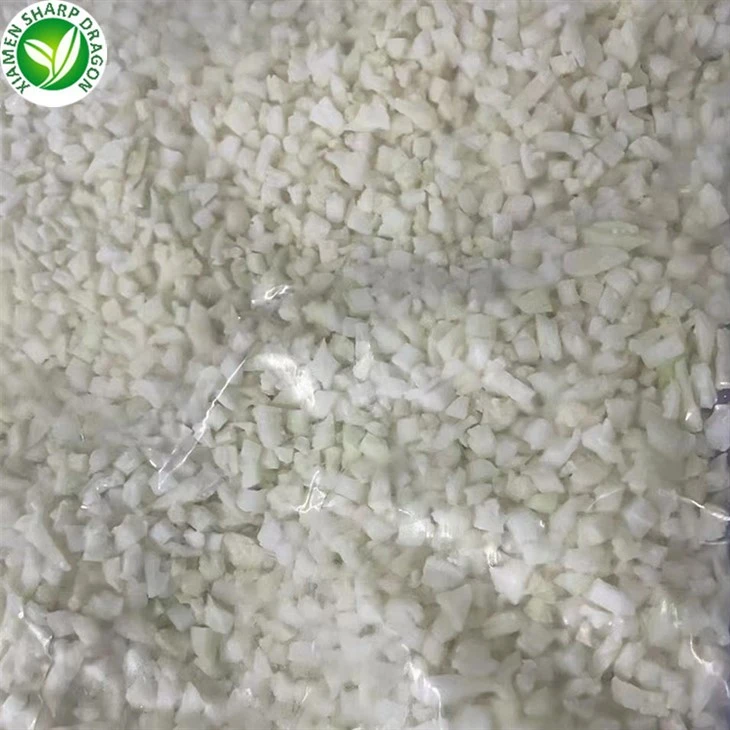
Cauliflower rice has a different geometry and moisture risk. Its small pieces cook rapidly and can release water over a large surface area. The final product may need a mild base that carries sauce without becoming wet or sulfur-forward. The image below shows why a rice-format sensory trial should not be replaced by a floret test.
The XMSD bulk frozen cauliflower page can provide a current commercial starting point, but the quotation request should identify the cut, size, application and sensory method. A generic request for "best taste" cannot tell a supplier which product result to reproduce.
Write a Sensory Specification That Can Be Repeated
Identify the product precisely: florets, mixed crown-and-stem pieces or cauliflower rice; size band and tolerance; ingredient and treatment declaration; process status; IQF condition; pack; storage; and intended use. Add a color reference and measurable defect limits. "White, good flavor and tender" leaves avoidable room for disagreement.
State the test method next. Record sample mass, starting condition, cooking medium, product-to-water or steam load, time, temperature, drainage and serving window. Define scoring anchors for sweetness, bitterness, sulfur intensity, off-flavor, stem firmness, crown softness and overall fit. Set the approval rule and how many cartons and panelists are required.
Add physical and commercial requirements separately: piece count or size distribution, stem ratio, broken pieces, loose fines, foreign material, net weight, inner bag, carton and label. Review the XMSD frozen packaging overview when defining the pack. Confirm actual material, dimensions, print, pallet and destination requirements for the order.
Food safety, residue, microbiology, traceability and documents remain separate approval gates. A good sensory score does not prove compliance, and a compliant report does not prove application fit. Keep the sample record, panel result, specification, photographs and supporting documents under the same approved lot reference.
XMSD sourcing note: Send the cauliflower format, floret size or rice cut, target flavor and texture, cooking method, application, pack, trial quantity, annual volume, destination and required documents. We can review the specification and sample method before a commercial quotation.
Frequently Asked Questions
Is cauliflower supposed to taste bitter?
Mild bitterness can occur and varies with variety and preparation. A strong or lingering bitter finish should be compared with the approved reference under the same cooking method before you decide whether it is outside specification.
Why does cooked cauliflower smell sulfurous?
Research identifies sulfur-containing volatile compounds as important parts of cooked-cauliflower odor. A restrained characteristic note can be normal. Its intensity can change with variety and heating, while an overpowering or abnormal odor needs a controlled comparison and quality investigation.
Does frozen cauliflower taste the same as fresh cauliflower?
Not exactly. Frozen cauliflower is commonly blanched, and freezing changes tissue structure. It should be judged as a frozen ingredient after the intended cook, not against the crunch of raw fresh cauliflower.
How should an importer compare cauliflower samples?
Use representative unopened packs, the same floret size band, starting state, sample mass, cooking conditions, drainage and serving temperature. Score flavor, odor and texture individually, then run the accepted samples through the final recipe.
What should a frozen cauliflower quotation request include?
Include format, size, tolerance, process status, sensory target, cooking method, defects, pack, label, trial and annual quantities, destination, storage, delivery window and required compliance documents.
References
- Engel, E. et al. "Flavor-Active Compounds Potentially Implicated in Cooked Cauliflower Acceptance." Journal of Agricultural and Food Chemistry, 2002. https://doi.org/10.1021/jf025579u
- Hansen, M. et al. "The effect of lipid-degrading enzyme activities on quality of blanched and unblanched frozen stored cauliflower estimated by sensory and instrumental analysis." Food Chemistry, 1989. https://doi.org/10.1016/0308-8146(89)90006-X
- Wieczorek, M. N., and Jeleń, H. H. "Volatile Compounds of Selected Raw and Cooked Brassica Vegetables." Molecules, 2019. https://pmc.ncbi.nlm.nih.gov/articles/PMC6385023/