


A Daily Banana Habit: Portion, Replacement, and Variety Check
Nov 15, 2019

For most healthy adults, a banana can fit into the diet every day. The useful answer is not a promise that repetition creates a special health effect. It is a meal-fit decision: count the edible portion, notice what the banana replaces, keep variety elsewhere in the week, and adjust for your medical and digestive context.
A medium raw banana weighs about 118 grams and provides roughly 105 calories, 27 grams of carbohydrate and 3 grams of fiber in the USDA SNAP-Ed reference. NIH lists about 422 milligrams of potassium for a medium banana. Those figures make it a convenient fruit and carbohydrate source, not a complete breakfast or a potassium treatment.
Daily use works best when the form is plain fruit and the habit improves the overall pattern-for example, replacing a confectionery snack or adding fruit to an otherwise balanced breakfast. It works less well when a large sweetened smoothie, fried chips or dessert topping is treated as nutritionally identical to one plain fruit.
Daily-fit answer: one ordinary banana can be a reasonable recurring fruit portion. Review size, total meal carbohydrate, replacement, symptoms and fruit variety rather than turning "every day" into a universal prescription.

Daily Does Not Mean Unlimited or Essential
A healthy pattern can include a repeated food without requiring it. Bananas contribute fruit, carbohydrate, fiber, potassium and vitamin B6, while other fruits contribute different mixtures of vitamin C, folate, polyphenols, water, acidity and fibers. Repetition should sit inside variety.
The WHO healthy-diet guidance emphasizes a varied pattern of minimally processed foods and enough fruit and vegetables. It does not identify one fruit that must be eaten daily. If banana is convenient, use it; if another fruit better suits availability, preference or a meal plan, substitution is reasonable.
Daily also says nothing about quantity. One small fruit, one large fruit, two cups in a smoothie and a handful of fried banana chips are different exposures. Use grams or a defined household portion when the decision matters.
For the broader nutrient and benefit evidence, use our banana nutrition and daily-use guide. Here the focus is whether the repeated habit improves or weakens your actual week.
Define the Portion Before Judging the Habit
Banana size varies widely. Use edible flesh weight rather than whole fruit weight when calculating a recipe or nutrition panel. The peel is part of purchasing and waste but not the usual edible portion in a raw-banana reference.
A 118-gram reference is useful for orientation. If your peeled portion weighs 90 grams, scale a 100-gram database value by 0.90. If it weighs 160 grams, scale by 1.60. This is more reliable than assuming every banana supplies the same calories or carbohydrate.
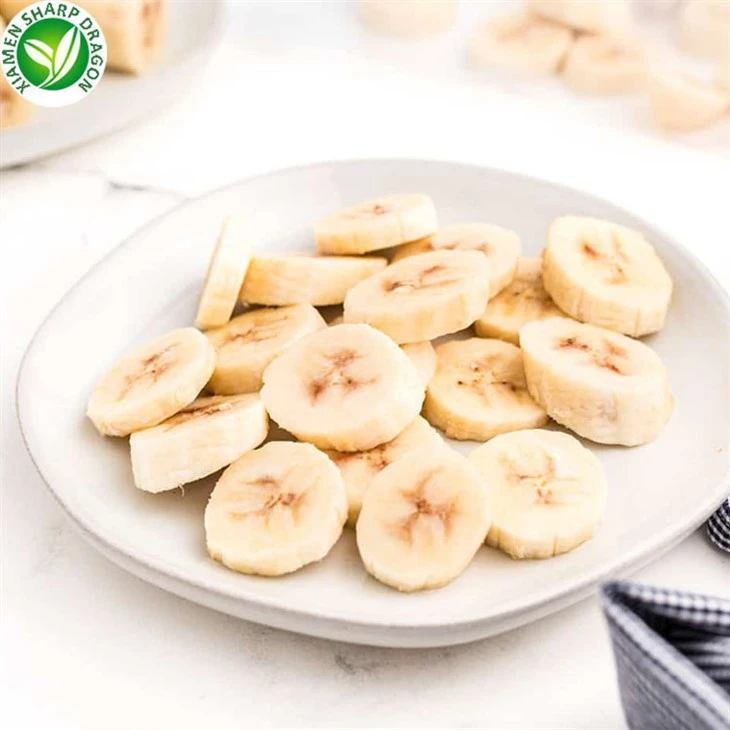
Frozen slices need the same basis. Weigh the amount issued to the bowl or blender. Do not infer a portion from the number of irregular pieces, because slice thickness, breakage and frost change piece count.
Dried chips require a separate label. Removing water concentrates food per gram, and frying or sweetening can add fat or sugar. A small handful is not interchangeable with the same weight of fresh fruit.
Use a Replacement Test
Ask what changes when the banana enters the day. If it replaces candy, a sweet pastry or no fruit at all, the habit may improve fruit intake and add fiber. If it is added on top of an already adequate meal without hunger or purpose, it simply adds food.
At breakfast, a banana can supply fruit and carbohydrate but little protein or fat. Pairing it with plain yogurt, eggs, nuts, seeds or another protein source changes fullness and meal balance. The right pairing depends on the person's diet, allergies, activity and energy needs.
For exercise, timing and portion depend on duration, intensity, tolerance and the rest of the meal. A banana is convenient, but it is not a universal pre-workout formula. Test the amount during routine training rather than first using it before an important event.
For weight goals, record replacement rather than assigning moral value to the fruit. A banana does not automatically cause or prevent weight change; the total pattern over time is the deciding system.
Keep Fruit Variety Across the Week
A repeated banana can be the convenient anchor, while other fruits rotate around it. Berries, citrus, apples, pears, mango, kiwi and melon offer different sensory and nutrient profiles. Variety reduces dependence on one supply item and makes meals less repetitive.
Use a seven-day view. Mark fruit servings by type and form. If every serving comes from banana smoothies, the issue is not that bananas are harmful; the issue is limited variety and possibly a concentrated drink format. Add whole or cut alternatives without creating an elaborate restriction.
Season and availability can guide rotation. Fresh bananas may be reliable year-round in many markets, while frozen berries or mango add color and texture at other meals. Frozen fruit can support variety when it is plain and portioned to the intended use.
Do not require a different fruit every day to prove variety. The practical goal is a broader pattern across days and weeks, not a perfect checklist.

Ripeness Changes the Eating Experience
As bananas ripen, starch is converted toward sugars, the fruit softens and aroma develops. A greener banana can taste firmer and less sweet; a spotted ripe banana blends more easily and tastes sweeter. These differences can change tolerance, recipe texture and how quickly the portion is eaten.
Do not turn ripeness into a universal health ranking. The better stage is the one that fits the use and the individual response. A bakery may want a ripe aromatic base, while a frozen slice application may need enough firmness to keep shape.
For a daily habit, note whether symptoms follow a particular stage or portion. Change one variable at a time: smaller amount, different ripeness, another meal pairing or a break from the food. Persistent symptoms deserve professional evaluation rather than endless self-testing.
In frozen product, ripeness is captured before processing. Color, sweetness, aroma, firmness and browning influence approval. A repeatable specification makes daily menu results more stable than buying only by the word banana.
Know When the General Answer Does Not Apply
People with kidney disease, impaired potassium handling or medicines that alter potassium may need individualized limits. NIH notes that excess potassium from food does not cause problems in healthy people, but the same reassurance cannot be extended to every clinical situation. Follow the treating clinician's plan.
Diabetes management is also individualized. Count the actual carbohydrate portion and match it to the meal plan, medication and activity. Pairing and portion can matter more than a blanket ban. Use glucose data with clinical guidance when adjustments are needed.
Banana allergy is uncommon but possible, including cross-reactivity in some people with latex or pollen-related allergy. Mouth itching, hives, swelling, breathing difficulty, dizziness or other acute symptoms require stopping the food and appropriate medical care; breathing difficulty or anaphylaxis signs need emergency help.
Digestive discomfort can follow portion, ripeness or the total fermentable carbohydrate load of the meal. The separate banana amount and tolerance guide covers higher daily counts and stop signals.

Representative Scenario 1: A Seven-Day Breakfast Trial
Practical example: An active adult wants a consistent weekday breakfast and chooses one medium banana with plain yogurt and oats. The decision function is whether the daily banana replaces a less useful snack and supports a tolerable meal, not whether it creates a special biological effect.
Worked example: Using the 118-gram reference for seven days gives 7 × 105 = 735 calories, 7 × 27 = 189 grams carbohydrate, 7 × 3 = 21 grams fiber and 7 × 422 = 2,954 milligrams potassium across the week. These are summed food contributions, not weekly nutrient targets.
The person records hunger before lunch, digestive comfort, training tolerance and the snack that was displaced. Other fruit appears at lunch or dinner on four days. If the breakfast is satisfying and symptom-free, the banana habit fits; if not, portion, pairing or frequency changes.
The action is a simple routine audit. It does not turn the seven-day arithmetic into proof that everyone should copy the meal.
Representative Scenario 2: A Daily Smoothie Program
Application example: A café group plans 1,500 plain-yogurt smoothies per week, each with 80 grams accepted frozen banana. Its decision function is frozen issue, ripeness consistency and serving control. The recipe does not assume one whole fruit per drink.
Accepted banana need is 1,500 × 0.080 kilograms = 120 kilograms. If measured issue-to-blender yield is 95 percent after handling loss, frozen issue is 120 ÷ 0.95 = 126.32 kilograms. The planner then rounds to the inner-bag and delivery configuration.
The café checks sweetness, browning, blend time, viscosity and portion weight through the approved recipe. It also evaluates the full drink, including yogurt, added sweeteners and toppings. Daily availability is a supply requirement, not a health claim.
This scenario solves batch consistency and supply. The foodservice supply route should receive serving grams, recipe and pack needs rather than only a weekly fruit count.

XMSD Experience: Ripeness Becomes a Product Variable
When we review frozen banana, we ask how sweetness, aroma, color and firmness should appear in the finished food. A very ripe piece can blend smoothly but brown more and hold less shape. A firmer piece can suit visible slices and taste less sweet.
We compare slice or chunk dimensions, ripeness indicators, browning, breakage, frost and clumps, then run the buyer's blend, bakery or bowl test. The deciding output may be blend seconds, viscosity, visible color or accepted pieces per serving.
The frozen banana product direction becomes useful after those variables are defined. Keep the approved sample and production lot linked.
This experience is about application stability, not advising an individual to eat the food daily.
XMSD Experience: Pack for the Routine
A daily menu needs a pack that fits daily issue. We convert accepted serving weight into frozen input through measured yield, then compare bag size with blender batch, openings, freezer space and remainder handling. Oversized bags can weaken portion control and frozen condition after opening.
Carton coding and lot separation help the café trace a change in sweetness, browning or blend behavior. At receipt, check bag integrity, frozen condition, frost, clumps and temperature information before the application check.
Trend actual issue and waste over several days. If 80 grams accepted consistently needs 88 rather than 84 grams frozen issue, update the forecast and investigate the yield change instead of shrinking the serving unnoticed.
Routine depends on repeatability. The product, pack, cold-chain and recipe have to work together.

How the Banana Form Changes the Daily Decision
A daily banana habit is easier to judge when the form is named. A whole fresh banana is visible and naturally portioned, but fruit size still varies. Plain frozen slices can provide a weighed amount and reduce preparation, yet a free-poured blender portion can grow without anyone noticing. Puree is easy to disperse through batter or drinks, while its contribution is difficult to estimate by sight after mixing.
Drying removes water and concentrates food energy and carbohydrate into a smaller volume. Frying adds oil, and a sweetened coating adds sugars that are not inherent to the fruit. A banana-flavored dessert may contain little fruit at all. These foods can have a place, but they should be counted as the foods they actually are instead of borrowing the reputation of a plain banana.
The meal also changes the conclusion. Banana served with plain yogurt, oats, nuts or eggs creates a different mix of protein, fat, fiber and carbohydrate from banana blended with juice, syrup and ice cream. The same 100 grams of fruit can therefore belong to meals with very different energy density, sweetness and staying power. Review the complete serving rather than isolating one ingredient.
Ripeness matters mainly through use and tolerance. As the fruit ripens, starch is converted toward sugars, texture softens and aroma develops. That does not create a simple good-versus-bad ranking. A softer, sweeter fruit may blend well; a firmer one may hold its shape better. People who track blood glucose or digestive symptoms should evaluate the actual portion and meal with their clinician rather than use peel color as a medical rule.
Four Questions That Keep the Habit in Proportion
What is the edible amount? Weigh the peeled fruit once or twice if size is uncertain. A small banana and an oversized one are not interchangeable simply because both count as one piece. Frozen kitchens should state grams per serving and the acceptable piece condition after thawing or blending.
What did it replace? Adding fruit after a complete meal is different from using it instead of a confectionery snack. It is also different from replacing protein, vegetables or an entire meal with fruit alone. The replacement question usually explains more than the day count.
What else appeared during the week? Rotate berries, citrus, melon, apples, pears or other available fruit. Variety does not require seven different fruits in seven days, but a single repeated choice should not crowd out every other option. Availability, cost, season and personal tolerance can shape a practical rotation.
What changed in the person or program? At home, watch appetite, comfort and any clinician-defined target. In foodservice, watch serving weight, rejected pieces, blend time, waste and customer acceptance. A routine earns its place when it performs consistently in the setting that actually uses it.

Run a Seven-Day Habit Check
Record banana form and edible grams, meal pairing, the food displaced, other fruit eaten, hunger, symptoms and any clinical restriction. Seven days is not a medical trial; it is enough to reveal whether the habit is automatic, oversized, repetitive or genuinely useful.
Make the record specific. "Banana smoothie" hides the details; "85 grams frozen banana, 180 grams plain yogurt, no syrup, replaced a pastry" exposes them. A fresh piece eaten because lunch was delayed belongs in a different pattern from a dessert added after dinner. Those distinctions prevent frequency from carrying more meaning than it deserves.
At the end of the week, compare days rather than searching for a perfect score. Look for the portion that kept recurring, whether another fruit appeared, which meal became easier, and where extra sweeteners or toppings entered. If mornings are rushed, pre-weighed frozen portions may make the routine more consistent. If variety disappeared, schedule another fruit before removing a banana that is otherwise working well.
Foodservice teams can use the same logic at production scale. Record standard serving grams, actual frozen issue, returned drink volume, waste and the lot in use. A steady serving with unstable sweetness points toward ripeness or recipe control. Stable fruit with rising issue points toward handling, breakage or staff portioning. The observation should lead to a named adjustment rather than a vague judgment about bananas as a category.
Keep the habit when it supplies a reasonable portion, improves the meal and causes no problem. Modify it when the size, ripeness, pairing or form is the issue. Stop and seek individual advice when symptoms or a medical condition change the decision.
The answer can remain simple: a banana may fit every day, but the quality of the routine comes from portion, replacement, variety and context.
XMSD sourcing note: Share the banana form, ripeness target, cut, recipe, serving grams, weekly demand, yield method, pack and destination. We can review a frozen option against a repeatable menu routine.
References
- USDA SNAP-Ed: Banana serving and nutrient reference
- NIH Office of Dietary Supplements: Potassium fact sheet and banana value
- World Health Organization: Healthy diet and food variety
- NHS: Fruit and vegetable portion variety
- NIH ODS: Potassium from food and healthy-person context
- XMSD operational perspective on frozen banana ripeness, cut, browning, application yield, packing, cold-chain receipt and daily issue.