


Three Bananas in One Day: Timing and Meal-Allocation Plan
Nov 15, 2019

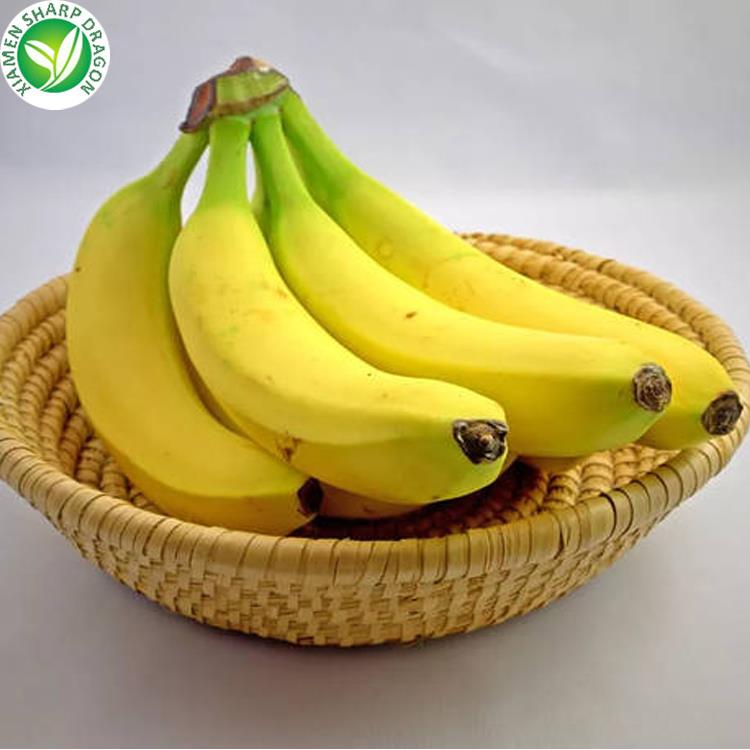
A healthy adult with normal kidney function can usually eat three bananas in one day without the count itself creating an emergency. The better question is how those three portions fit: were they spread across meals or stacked in one drink, did they replace other carbohydrate foods or simply add to them, and was this an occasional high-activity day or the start of a repetitive routine?
Using USDA SNAP-Ed's medium-banana reference, three pieces equal about 354 grams edible fruit. Their combined contribution is approximately 315 kilocalories, 81 grams carbohydrate and 9 grams fiber. NIH's 422-milligram potassium figure gives about 1,266 milligrams across the three. These totals are food contributions, not proof that three is an ideal daily target.
Treat the day as an allocation problem. Give each banana a job, count the complete meal, keep vegetables, protein and other fruits present, and watch tolerance. A clinician's kidney, carbohydrate or allergy instruction overrides a general healthy-adult answer.
One-day judgment: three medium bananas can fit when the person needs the food, the total meal plan absorbs roughly 81 grams of carbohydrate, the fruit is distributed sensibly and no medical limit or symptom intervenes. Repeating the pattern deserves a separate review.
First Decide Whether You Mean One Day or Every Day
A one-off day and a standing habit answer different questions. On a travel day, long hike or sports event, three bananas may be convenient carbohydrate portions placed around activity. On a low-activity day, the same food may be unnecessary if meals already meet energy and carbohydrate needs.
Frequency changes the trade-off. Repeating one fruit three times daily can crowd out berries, citrus, apples, pears or other produce that contributes a different nutrient and sensory mix. WHO's healthy-diet principles emphasize adequacy, balance, moderation and diversity rather than a target count for one fruit.
Use the one-day plan below for placement. If three is becoming the normal pattern, compare it with the three-banana recurring-portion guide, which focuses on routine fit and alternative fruit variety.
Turn a Count of Three into Edible Weight
Fruit count is an unreliable production unit. A small banana, a large export-market fruit and an 80-gram frozen smoothie portion can all be called "one banana" in casual speech. The difference expands when multiplied by three.
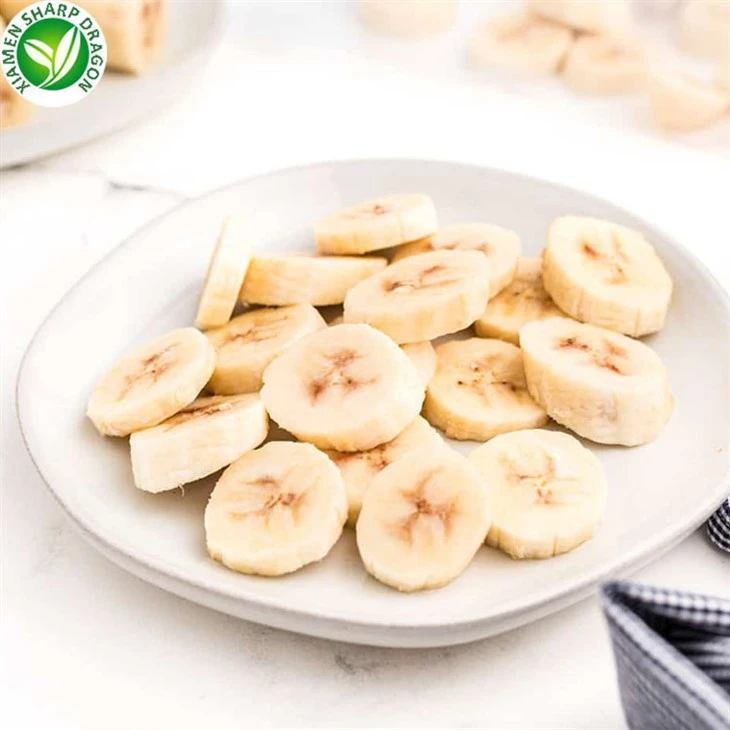
Peel and weigh the edible portion if the day's carbohydrate plan matters. For frozen pieces, state issued grams; do not convert a free-poured scoop back into a fictional whole-fruit count. For puree, use the recipe weight and ingredient specification, because visual piece size is gone.
USDA's 118-gram medium piece is a reference, not a guarantee. Three pieces at that basis equal 354 grams. If your actual peeled weights are 92, 136 and 124 grams, the total is 352 grams even though each piece looks different. That measured total is the useful input for the day.

What the Three Portions Contribute
At the SNAP-Ed medium basis, multiplying each listed value by three produces 315 kilocalories, 81 grams carbohydrate and 9 grams fiber. The NIH potassium reference produces 1,266 milligrams. The arithmetic makes the meal impact visible before other foods are added.
Eighty-one grams of carbohydrate is not judged in isolation. For a person using a clinician-defined meal target, it can occupy a large share. For an endurance participant expending energy for hours, it can be allocated as part of a larger fueling plan. For a child, body size and needs differ from the adult reference.
Fiber also enters the day with other fruit, vegetables, whole grains, beans, nuts and seeds. A sudden concentration of fruit may cause fullness or digestive discomfort for one person while another tolerates it. The number nine does not predict the entire response.
Potassium from ordinary food is normally managed by healthy kidneys. Chronic kidney disease, dialysis, blood-potassium results and some medicines can change the appropriate serving. Use the banana exception guide when that context is present.
Spacing Changes the Meal, Not the Daily Total
Eating all three at once and placing them eight hours apart produces the same reference nutrient sum, but not the same meal. Stacking them in one sitting concentrates volume and carbohydrate. Spacing them lets each portion replace or support a different eating occasion.
A breakfast banana with yogurt and oats can contribute fruit and carbohydrate. A second piece carried on a long walk can replace a confectionery snack. A third blended after training may be part of a meal that also provides protein and fluids. The placement is credible only when those foods are genuinely needed; timing cannot turn surplus into a benefit.
If the three were consumed simply because they were overripe, another action may be better: freeze measured pieces for later recipes, share them, or use one in a batch that serves several people. Avoid building a daily eating rule from an inventory problem.
Replacement Decides Whether the Day Became Larger
Write down the food displaced by each banana. Replacing a pastry, sweetened drink or oversized dessert has a different result from adding three bananas after complete meals. Replacing vegetables, protein or every other fruit creates a different weakness.
Use a simple ledger: portion and time, paired foods, displaced food, reason, hunger or performance result. "10:30, 116 grams banana, replaced a candy bar, comfortable until lunch" is decision-useful. "Banana number two" is not.
The ledger also reveals when a banana is carrying too many roles. It cannot by itself turn a snack into a complete meal, deliver every micronutrient, supply much protein, or correct dehydration. Pair it according to the job rather than attributing the entire outcome to one fruit.
Activity Can Justify Placement, Not a Universal Prescription
Bananas are portable and carbohydrate-rich, which can make them practical around prolonged activity. The amount and timing still depend on body size, intensity, duration, environmental conditions, other foods, fluids and individual tolerance. A recreational walk and an all-day cycling event do not need the same plan.
Test the fruit during ordinary training, not for the first time at an important event. Note chewability, fullness, peel handling, ripeness, access to water and how much other carbohydrate is being used. A very ripe banana may be easy to eat but more vulnerable to crushing; a firmer piece travels better but may be less acceptable to that person.
Three bananas do not replace a hydration strategy, and their potassium content does not make them an automatic remedy for cramps. Use the athlete's established food and fluid plan, and obtain qualified sports-nutrition advice where performance or health risk is material.
Whole, Frozen, Blended and Sweetened Need Separate Counting
Whole fruit makes each eating occasion visible. Frozen banana can deliver the same fruit in weighed slices or chunks, but the hand no longer feels the size of a whole piece. A recipe scoop must therefore carry grams.
Blending changes structure and eating speed without erasing the ingredients. Three bananas in a drink are still three fruit contributions, plus milk, yogurt, juice, nut butter, syrup or toppings. A 700-milliliter smoothie should not be described as a simple substitute for one plain fruit.
Drying reduces water, frying adds oil, and sweetening adds sugar. Convert those foods through their label or recipe rather than a fresh-piece assumption. For frozen application supply, the banana product route can start from accepted serving weight and finished texture.

A One-Day Allocation You Can Audit
The following schedule is a planning example, not a prescription. It assumes an adult who has no banana allergy or clinician-set potassium restriction and who already knows the fruit is tolerated. The grams are edible fruit; peel and packaging are excluded.
| Eating occasion | Banana input | Defined role | Evidence to record |
|---|---|---|---|
| Breakfast | 118 g fresh | Fruit and carbohydrate with yogurt, oats or another balanced meal | Paired food and hunger before lunch |
| Mid-activity | 118 g fresh | Known, portable carbohydrate within an established fuel plan | Comfort, other fuel and activity duration |
| Later meal | 118 g frozen | Measured smoothie or bowl ingredient, not a free pour | Complete recipe, final volume and added sweetener |
This layout earns three separate portions by assigning three different functions. It also exposes the supporting foods. If breakfast already contains a large sweetened cereal, the first banana may enlarge rather than balance it. If no long activity occurs, the second loses its planned role. If the last portion enters a drink with juice and syrup, the whole recipe needs re-evaluation.
Do not force the schedule to preserve the number three. Delete an unnecessary serving. Swap another fruit when variety is low. Move a portion when the original time causes discomfort. The schedule is successful when the decisions remain adjustable.
Common Ways a Three-Banana Day Goes Off Course
The pieces are much larger than the reference. Three fruit can quietly become four reference portions by edible weight. Weigh a representative day once, then use a visual range that truly matches those grams.
All three enter one oversized smoothie. Blending makes the portions fast to consume and hides the count. Record banana grams, every liquid, dairy or plant base, nut butter, powder, syrup and topping. Divide the batch by the actual number of servings.
The fruit adds to complete meals. A person may describe each banana as a healthy choice even though none replaced another energy source. The correction is not to label the fruit harmful; it is to decide which eating occasion needs it.
Bananas become the only produce. Three fruit portions do not replace vegetables, and three identical portions do not create diversity. Keep vegetables in meals and rotate color, texture and fruit type across the surrounding days.
A temporary event plan becomes automatic. The person continues the same count after travel or training volume falls. Set an end date in advance. On the next ordinary day, return to hunger, meal needs and a varied produce pattern instead of repeating yesterday by default.
Know When the General Answer No Longer Applies
Stop the food and seek urgent help under local guidance if eating banana is followed by breathing difficulty, throat tightness, faintness or a rapidly escalating allergic reaction. Mouth itching, swelling, hives or repeated symptoms also warrant medical assessment rather than another home trial.
Obtain individualized advice before using a three-portion plan when kidney disease, dialysis, abnormal blood potassium, a potassium-affecting medicine or a prescribed carbohydrate target is present. Bring the proposed edible grams and full meal schedule, not only the count, so the professional can evaluate the relevant exposure.
Persistent digestive symptoms are another reason to pause and investigate. Record amount, ripeness, accompanying foods and timing. A symptom triggered by one large drink may lead to a different solution from a symptom that follows a small plain portion.
Representative Scenario 1: A Six-Hour Cycling Day
Practical example: An adult recreational cyclist has already tolerated bananas in training and plans a six-hour supported ride. The three medium pieces are allocated at breakfast, the midpoint rest and the post-ride meal. The decision function is distributing familiar carbohydrate without displacing the full food-and-fluid plan.
Worked example: At the USDA basis, each serving contributes about 27 grams carbohydrate. The three contribute 3 × 27 = 81 grams over the entire day. That total is logged alongside-not instead of-the other meal carbohydrate, event fuel and drinks.
The rider packs two pieces at different ripeness stages so the later fruit is not crushed, and the third is held at the support point. During the event, the rider records fullness and acceptance. The result determines whether the same allocation is repeated, reduced or replaced; the number three was never the performance goal.

Representative Scenario 2: Event Packs for 600 Participants
Application example: An event caterer offers three 110-gram accepted banana portions per participant across check-in, midpoint and recovery service. The decision function is procurement yield, staged ripeness and service control. Individual participants remain free to follow their own plan.
Accepted fruit is 600 × 3 × 0.110 kilograms = 198 kilograms. If receiving-to-service yield is measured at 96 percent after rejected damage and handling loss, purchase need is 198 ÷ 0.96 = 206.25 kilograms. The buyer then rounds through the agreed carton configuration and retains a documented reserve.
Service labels each station and records issued versus returned portions. The procurement result is an availability and waste figure, not evidence that every participant should consume all three. The foodservice supply route should receive the staged schedule, accepted grams, condition window and reserve rule.

XMSD Experience: Match Maturity to the Service Sequence
When we review banana for a timed application, we ask when each portion must perform. Fruit for immediate blending can tolerate a softer texture if color and flavor remain acceptable. A visible piece served hours later needs a different firmness and browning window.
We compare candidate maturity and cut in the buyer's real use, not only on a sample tray. Blend seconds, viscosity, thawed drip, color after holding, broken pieces and accepted serving yield make the judgment specific. A sweeter lot is not automatically better when it darkens the finished drink or collapses during service.
For staged service, the specification should state which output matters at each point. The same banana can be suitable for the breakfast blend and unsuitable for a late visible garnish.
XMSD Experience: Build Packs Around Each Issue Point
We translate accepted grams per portion into inner bags that fit a blender batch or service station. One oversized bag can encourage free-pouring and repeated exposure after opening. Smaller units improve control but add packaging and handling, so the buyer needs a cost-and-waste comparison.
Lot coding, frozen-condition checks and staged issue records help explain a change in color, clumping or yield. We compare expected issue with actual grams and returned product. If the third service consistently has higher waste, revise the schedule, quantity or pack instead of assuming the fruit quality failed.
That operational view keeps the count honest. "Three per person" is a forecast; issued grams, accepted servings and waste show what the program really used.

Decide at the End of the Day, Then Decide Again for the Week
At day's end, record actual peeled or issued grams, the purpose of each portion, displaced foods, other produce, symptoms, hunger and activity. Keep the plan if each portion had a clear role and the complete day stayed balanced. Modify it when one portion was automatic, the smoothie hid extras, or variety disappeared.
Make the next action observable. "Use two pieces on rest days," "replace the afternoon portion with berries twice this week," or "cap the smoothie banana at 90 grams" can be checked. "Eat more carefully" cannot. A measured adjustment also tells you whether the original concern came from count, size, timing, recipe or repetition.
The next-day decision is separate. A demanding event does not establish a requirement for a rest day. Return to a varied pattern unless another banana allocation still solves a real need. The daily banana habit check can help when repetition, rather than a one-off schedule, becomes the question.
Three bananas can be acceptable in one day. What makes the plan useful is measured weight, distinct meal roles, a complete diet and a reason to repeat-or not repeat-the schedule.
XMSD sourcing note: Provide the banana cut, maturity range, accepted portion, use schedule, recipe, batch size, pack, yield basis and destination market. We can compare a frozen format with the required issue plan.
References
- USDA SNAP-Ed produce guide: Medium banana size and nutrition
- NIH ODS professional fact sheet: Potassium and food sources
- World Health Organization: Healthy-diet principles and diversity
- NHS: Adult fruit portions and variety
- XMSD operational judgment on banana maturity, cut, timed application, weighed issue, inner packing, frozen receipt and event-service yield.