


Two Bananas a Day: Build a Balanced Two-Occasion Routine
Nov 15, 2019

Two bananas can fit a healthy adult's day when both portions have a clear role and the full week remains varied. The count is not automatically harmful. It becomes a weaker routine when both pieces are added on top of complete meals, replace every other fruit, enter one oversized sweetened drink, or conflict with an individualized potassium, carbohydrate or allergy plan.
Using the USDA SNAP-Ed medium reference, two bananas contribute about 236 grams edible fruit, 210 kilocalories, 54 grams carbohydrate and 6 grams fiber. NIH's potassium table gives approximately 844 milligrams for the pair. The important next step is not comparing those sums with a mysterious "safe number"; it is assigning the two portions and auditing all fourteen banana occasions across a seven-day habit.
A two-occasion plan might place one portion in a complete breakfast and the other as a deliberate snack. Measure size, name what each replaces, rotate other produce and review symptoms. The same logic works in commercial menus only when issued grams, full recipe and pack condition are controlled.
Two-occasion answer: use one banana where it improves a meal and the second where it replaces a less useful option. Review the pair as 236 grams of fruit and review the habit as fourteen weekly occasions, not as a slogan about "two a day."
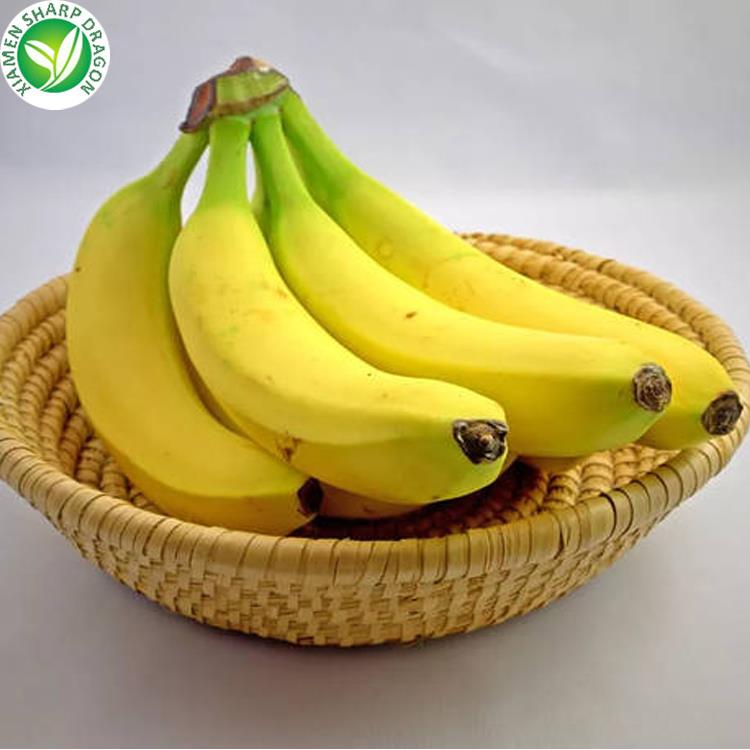
Why Two Occasions Need Two Jobs
A repeated serving earns its place through function. One banana can supply fruit and carbohydrate within breakfast; a second can replace a packaged sweet during an afternoon shift. That pattern differs from eating both after dinner simply because they are available.
Write the job in ordinary language: "helps make breakfast complete," "portable food during a long gap," "measured ingredient in the post-workout bowl," or "adds banana aroma to a bakery serving." If both jobs are identical and automatic, consider whether a different fruit, vegetable or snack would add more value.
The single daily banana habit guide covers the base one-portion decision. Here, the second recurring occasion is the new constraint.
Define the Pair by Edible Grams
Two small fruit and two very large fruit should not carry the same planning value. Peel and weigh a representative pair. USDA's medium basis is 118 grams edible fruit per piece, so the reference pair is 236 grams.
If the actual weights are 104 and 148 grams, the day contains 252 grams. That difference affects carbohydrate and energy estimates, and it becomes meaningful over seven days. Use the banana gram-allocation guide when size varies or frozen pieces replace whole fruit.
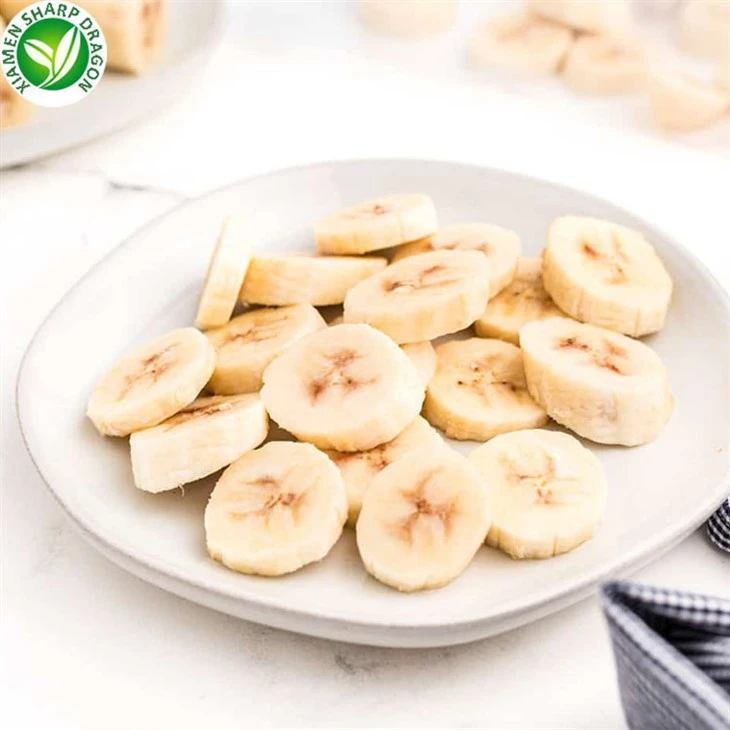
For IQF slices, chunks or puree, record issued grams and accepted yield. A scoop shape or blender fill line is not a stable mass. If two menu occasions use different cuts, create a separate specification for each instead of calling both "one banana."

The Daily Reference Sum Is Only the First Calculation
Doubling SNAP-Ed's medium figures gives about 210 kilocalories, 54 grams carbohydrate and 6 grams fiber. Doubling the NIH potassium value gives about 844 milligrams. These are the combined fruit contributions before yogurt, oats, juice, nut butter, bakery ingredients or toppings enter.
A person following a carbohydrate plan should distribute the 54 grams through the actual meals and use their clinician's rules. Someone with chronic kidney disease or an abnormal potassium result needs an individualized decision. A person with banana allergy should avoid exposure under the medical plan rather than test whether two causes more reaction than one.
For an unrestricted healthy adult, the arithmetic mainly exposes opportunity cost. Two bananas may be reasonable; 210 additional daily kilocalories are still additional if nothing was displaced. Six grams of fiber still sits alongside the rest of the day's fiber and tolerance.
The Weekly View Makes Repetition Visible
Two medium bananas on seven consecutive days produce fourteen eating occasions and about 1,652 grams edible fruit. The reference totals become 1,470 kilocalories, 378 grams carbohydrate, 42 grams fiber and 5,908 milligrams potassium across the week. These sums are neither weekly targets nor a toxicity calculation.
The value of multiplying by seven is behavioral. Fourteen slots are a large share of one fruit type. Ask what appeared in the remaining produce slots: berries, citrus, melon, stone fruit, apples, pears and vegetables contribute different tastes, colors and nutrient patterns.
WHO's 2026 healthy-diet guidance places diversity beside adequacy, balance and moderation. You do not need a different fruit at every meal, but a two-a-day rule should not become a barrier to other produce.
Build a Two-Occasion Schedule
| Occasion | Fruit basis | Meal role | Weekly check |
|---|---|---|---|
| Morning | 118 g edible fruit | Breakfast carbohydrate and fruit paired with protein or another substantial food | Hunger, pairing and days another fruit replaces it |
| Later gap | 118 g fresh or weighed frozen | Replaces a defined snack or enters a measured recipe | Displaced food, symptoms and recipe extras |
The schedule is useful only when it can change. If breakfast is already fruit-heavy, move or remove the morning banana. If the afternoon piece does not reduce hunger or replace anything, use another food that answers the actual need.
At least two days each week, test a deliberate swap in one slot. The purpose is not to punish repetition; it is to learn whether the routine is flexible and whether another produce choice improves enjoyment, availability or meal balance.
Interpret the pair as a linked system. A substantial breakfast may make the later snack smaller; a light breakfast may make the second occasion arrive too early. The record should therefore connect both slots instead of judging each fruit alone. If changing the first meal changes the second banana's usefulness, adjust the schedule before changing the fruit.
Design the Morning Occasion Around the Complete Meal
Morning use works best when the banana is one component of breakfast. Pair it with a protein-containing food and another sustaining component that matches the person's needs, culture and dietary pattern. Plain yogurt and oats are one example; eggs and whole-grain toast with fruit are another. The banana supplies fruit and carbohydrate, not every function of breakfast.
Measure what is already in the bowl. A smoothie with banana, sweetened yogurt, juice, honey and granola can become a large formula despite being called breakfast. Write down banana grams, liquid volume, protein source, added sweetener and finished serving. If the drink is shared, divide the full batch by the number of cups actually served.
Use hunger before lunch as one result, but do not treat it as a laboratory test. Work schedule, sleep, activity and the rest of breakfast matter. The record is valuable when the same pattern repeats: for example, the banana-and-coffee breakfast consistently leads to a midmorning purchase, while the banana with a fuller meal does not.
On days when breakfast already contains another fruit, ask whether the first banana still adds value. A two-a-day rule should not force three fruit portions into one meal while later meals contain no vegetables. Move, rotate or omit the banana based on the whole day.
Make the Second Occasion Earn Its Place
The second banana often enters as a snack, yet "snack" does not define a need. Identify the gap between meals, expected activity and the alternative that would otherwise be chosen. A portable banana can be useful during a long shift or before planned activity. It may be unnecessary when dinner is in twenty minutes.
If hunger returns quickly, changing the accompanying food may work better than adding a third fruit. A protein-containing or higher-fiber pairing can alter the occasion, depending on the person's meal plan. If the banana is already replacing a pastry successfully and feels comfortable, no dramatic improvement is required.
Track convenience honestly. A fresh banana can bruise in a work bag; a pre-weighed frozen portion requires cold storage and usually a recipe. Dried pieces travel easily but represent a concentrated form and need their own serving. Choose the form that can be controlled in the real setting.
The strongest outcome is a named replacement: "the 16:00 banana replaced a 70-gram pastry on four shifts." A weak outcome is "I ate the second banana because the plan said two." Keep the result, not the ritual.
Use a Four-Week Adjustment Ladder
Week one measures the existing pair without trying to perfect it. Record grams, occasions, pairings, substitutions, symptoms and other produce. Week two changes one variable: perhaps the afternoon portion rotates with another fruit on two days. Hold the rest steady enough to see whether the adjustment is workable.
Week three tests form or timing. A free-poured smoothie becomes a 90-gram frozen portion, or the second fruit moves earlier on a long-shift day. Week four decides the durable rule: two on selected days, one as the daily base, or a flexible pair with planned rotation.
Change only what solves a visible weakness. If the first week shows no discomfort, the pair replaces less useful foods and varied produce remains present, the ladder may simply confirm that the routine works. If a clinical restriction or allergy symptom appears, stop the general experiment and move to qualified individual guidance.
The ladder prevents one unusually hungry day from defining a month and prevents a comfortable first day from proving a permanent rule. It also generates the exact serving and use information needed when a household or menu later changes from fresh to frozen banana.
Replacement Is More Important Than the Number Two
A banana that replaces a confectionery snack changes the day differently from one added after dinner. A breakfast banana that accompanies plain yogurt and oats has a different role from two bananas blended with sweetened juice.
Use four fields for each occasion: edible grams, complete pairing, displaced food and result. The result might be "comfortable until lunch," "reduced bakery snack," "too full," or "drink remained too sweet." That record leads to an action.
Do not let fruit replace protein, vegetables or every source of texture and variety. Banana can contribute fruit and carbohydrate; it is not a complete meal by itself. If the routine began as a budget-driven meal substitute, examine which foods and nutrients disappeared.
Fresh, Frozen and Blended Forms Change Control
Whole fresh fruit provides a visible piece and natural peel. Frozen slices or chunks provide preparation convenience and can reduce ripe-fruit waste, but they require a scale or defined scoop. Puree needs recipe weight because portion boundaries are invisible.
Blending does not cancel the ingredients. A morning smoothie and an afternoon smoothie can together contain two bananas plus juice, sweetened dairy, powders, nut butter and toppings. Count the entire recipe and divide a batch by actual servings.
Dried and fried banana forms are more concentrated or contain added oil. Sweetened preparations bring added sugars. Evaluate those products by their labels and recipes rather than assuming two servings equal two plain medium fruit.
For controlled ingredient use, the frozen banana specification path can begin with portion weight, cut, ripeness and application.

Know the Conditions That Override a General Answer
Kidney disease, dialysis, abnormal blood potassium and some medicines can change appropriate potassium intake. Use the clinical team's portion and frequency instruction. Do not turn the 844-milligram reference pair into a self-directed medical limit.
A person with a carbohydrate target should place both fruit portions inside that plan. Repeated digestive discomfort deserves a record of grams, ripeness, other ingredients and timing. Symptoms suggesting allergy require avoidance and qualified medical assessment rather than a smaller experimental pair.
These conditions do not make the fruit harmful to everyone. They identify the decision owner and the evidence that matters for the affected person.
Representative Scenario 1: A Seven-Day Office Routine
Practical example: An adult office worker places a 118-gram banana with breakfast and another 118-gram piece at 16:00 to replace a vending-machine pastry. The decision function is whether fourteen planned occasions improve the week without crowding out other produce.
Worked example: The seven-day reference is 14 × 118 grams = 1,652 grams banana. The person swaps the afternoon fruit for an apple on Tuesday and berries on Friday, making twelve banana occasions rather than preserving fourteen as a target.
The record shows the breakfast portion is useful, while the afternoon portion prevents the pastry on only three days. The action is to keep breakfast banana, carry alternative fruit twice, and use a protein-containing snack on the days when hunger returns quickly. The result is a flexible schedule, not a verdict on banana.

Representative Scenario 2: Two Menu Channels from One Weekly Supply
Application example: A café group plans 1,000 breakfast bowls using 70 grams accepted banana slices and 1,000 afternoon smoothies using 90 grams accepted chunks. The decision function is separating form, ripeness and issue control between two applications.
Accepted weekly fruit is (1,000 × 0.070) + (1,000 × 0.090) = 160 kilograms. At a measured combined issue-to-accepted yield of 94 percent, frozen issue is 160 ÷ 0.94 = 170.21 kilograms. That top-line number must still be split by cut and inner pack.
Breakfast tests visible piece retention after short thawing; the smoothie tests blend time, color and viscosity. The foodservice application route receives two specifications even though both channels use banana.

XMSD Experience: One Fruit Can Need Two Ripeness Windows
When we review a two-application program, we do not assume the same banana condition serves both. A visible bowl piece needs acceptable color, shape and bite. A smoothie ingredient may favor easier blending and stronger aroma but still needs a controlled browning range.
We test the chosen slice and chunk in the actual bowl hold and blender cycle. Useful evidence includes intact-piece percentage, thawed drip, color after service time, blend seconds, viscosity and accepted grams per serving. The buyer can then approve separate windows or select a compromise supported by results.
That work prevents the word "ripe" from carrying two incompatible expectations.
XMSD Experience: Keep Two Issue Streams Traceable
We convert each accepted serving into its own inner-bag and carton flow. A bag that suits a high-volume blender can be awkward for a breakfast station. The correct pack balances batch size, opening frequency, freezer space, remainder protection, labor and packaging use.
At receipt, lot identity and frozen condition are recorded. During service, bowl and smoothie issue are trended separately. If overall waste rises, the team can see whether visible-piece rejection, blender over-pouring, clumps or pack remainder caused it.
Two menu occasions look simple on a forecast. Separate issue records are what keep the supply decision honest.

Run a Seven-Day Pair Audit
For each occasion, record edible grams, form, pairing, displaced food, other produce, hunger and symptoms. At week's end, total banana occasions and grams. Mark which portion solved a problem and which merely preserved the rule.
Keep both when the pair improves two distinct eating occasions and variety survives. Keep one when only one role is useful. Rotate one slot when the routine is too narrow. Seek individual guidance when a medical plan or symptoms alter the decision.
Two bananas can be reasonable. The strong habit is not the number; it is a flexible schedule with measured portions, named replacements and room for other foods.
XMSD sourcing note: Send both application names, accepted grams, cuts, maturity targets, recipe tests, weekly demand, yield basis, inner packs and destination. We can compare frozen banana options for the two issue streams.
References
- USDA SNAP-Ed: Medium banana edible weight and nutrient values
- NIH ODS: Potassium food reference and health context
- WHO: Adequacy, balance, moderation and diversity in healthy diets
- NHS: Banana as a fruit portion and the role of variety
- XMSD application judgment on banana cuts, maturity windows, bowl hold, blending, accepted yield, inner packs, lot identity and frozen receipt.