


How many bananas a day is healthy?
Oct 25, 2019

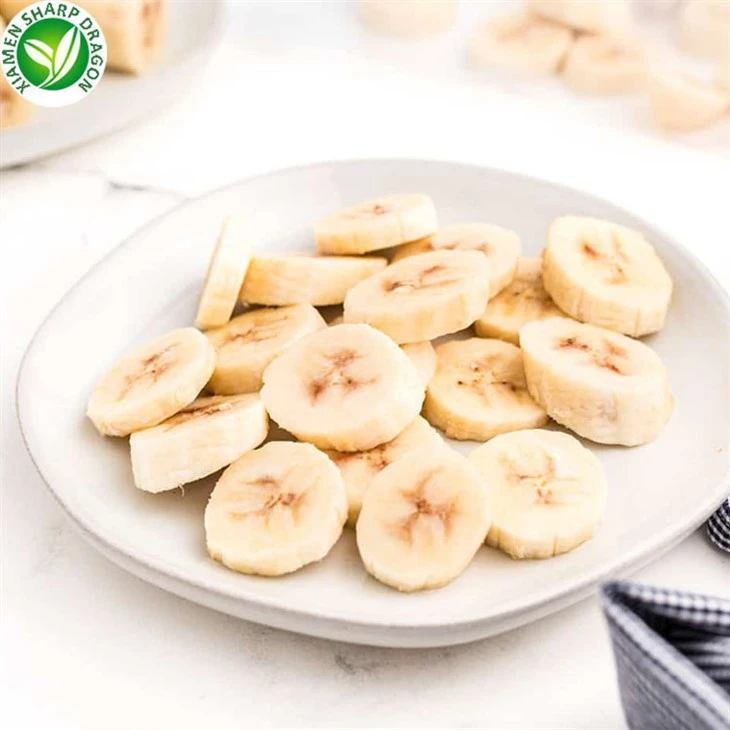
For many healthy adults, one medium banana on most days can fit comfortably within a varied eating pattern. It is a practical starting point, not an official banana-specific limit. A second banana may also fit on some days, but the useful answer depends on edible weight, total fruit intake, meal context, energy needs, and any clinician-directed restrictions.
Count alone is an unreliable unit. FDA's raw-fruit reference lists one medium banana at 126 grams edible weight, while actual fruit and commercial portions vary. A small fresh fruit, a large fruit, 80 grams of frozen slices, and 150 grams of puree are not interchangeable simply because each is called one banana.
Use a daily allocation sheet: convert every banana format to edible grams, place that amount within the day's fruit plan, keep other fruit in rotation, and check what accompanies it. This method answers both personal portion questions and the harder foodservice question of how many kilograms to issue for a defined number of servings.
Direct answer: start with one measured medium banana, about 126 grams on the FDA reference basis, if it suits the eater and the rest of the day. Treat two as two fruit portions to budget, not as a danger line or a universal target.

Why One Banana Is a Starting Point, Not a Rule
Dietary guidance is written for food groups and complete patterns. The 2025–2030 Dietary Guidelines describe two fruit servings per day for a 2,000-calorie pattern, adjusted for individual calorie requirements. They also emphasize variety and whole fruit. They do not prescribe a fixed number of bananas for every adult.
One medium banana can occupy part of that fruit allocation while leaving room for berries, citrus, pears, peaches, melon, or another fruit. The remaining food groups still matter. A banana supplies mainly carbohydrate, some fiber, potassium, vitamin B6, vitamin C, and small quantities of other nutrients; it is not a complete meal.
Two bananas can be reasonable for a person with higher energy needs or on a day when other fruit portions are smaller. They can also crowd out variety when repeated by habit. The decision is a budget question: what edible fruit mass is present, what other fruit is offered, and what food is displaced or added?
The answer changes for children, athletes, older adults with low appetite, people managing blood glucose, and anyone following a medical potassium plan. Their serving size and meal composition deserve individual review. The banana excess-intake guide handles symptoms and high-intake screening; the task here is ordinary daily allocation.
Convert Banana Count to One Common Unit
Use edible grams as the common unit. For a fresh banana, weigh the peeled fruit, not the fruit with skin. For frozen whole fruit or slices, use the net fruit issued after any rejected pieces. For puree, use the banana ingredient grams in the finished serving rather than the weight of the entire smoothie or dessert.
The FDA poster gives 126 grams for one medium banana and reports about 110 calories, 30 grams carbohydrate, 3 grams fiber, and 450 milligrams potassium on that reference. These values are a comparison anchor. Product specifications, formula records, nutrition data, and actual deposit weights govern a packaged or prepared item.
| Observed form | Count-to-gram action | Allocation record |
|---|---|---|
| Fresh whole fruit | Weigh peeled edible fruit across a representative sample | Median, range, peel loss, rejects |
| Whole peeled frozen | Weigh the accepted unit at the defined frozen or tempered state | Unit distribution, frost, drip, breakage |
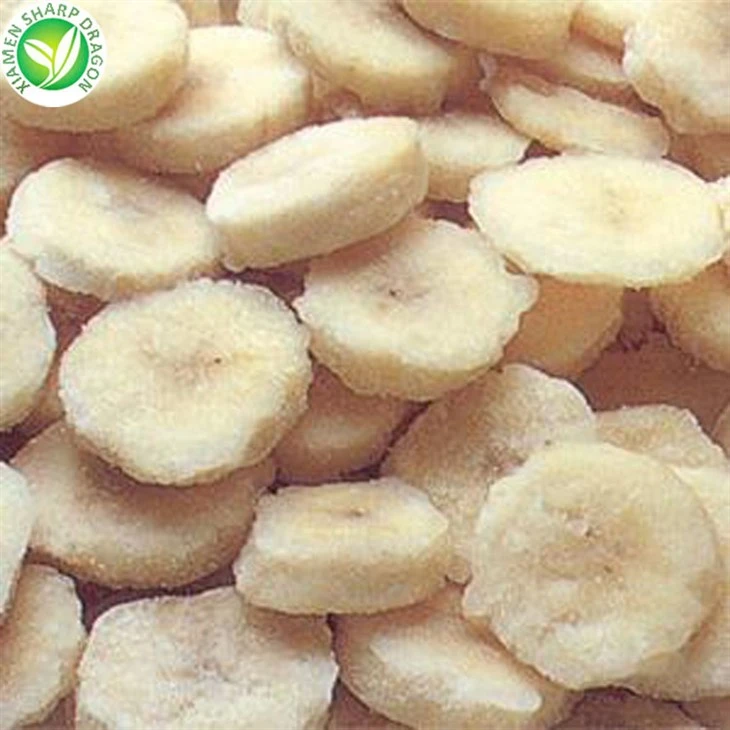
| Frozen slices | Deposit grams; never infer grams from slice count alone | Scoop range, cut thickness, whole-piece yield |
| Puree in a formula | Multiply serving mass by verified banana inclusion percentage | Recipe revision, Brix, added ingredients |
Write the reference beside every number. "One banana" might mean one 126-gram FDA reference portion, one physical unit from a sampled lot, or one banana-equivalent quantity in a recipe. Those are three different records. A conversion sheet prevents them from being mixed.

Build a Daily Fruit Allocation Sheet
Start with the applicable dietary pattern or menu standard. Record its fruit target and unit. Then list every fruit-bearing item offered that day: whole fruit, cup, smoothie, yogurt inclusion, bakery filling, juice, and dessert. Mark edible fruit grams and any added sugar or other ingredients separately.
Next, identify the eating occasion. A banana beside breakfast is an addition if breakfast remains unchanged. Banana replacing part of a confectionery topping is a substitution. Banana replacing another whole fruit changes variety but may not change total fruit. Those three cases create different decisions from the same count.
Keep a simple four-field line: banana grams, other fruit grams or portions, companion foods, and decision. The companion field matters because a banana eaten with yogurt, nuts, oats, eggs, or a meal is a different eating occasion from several bananas consumed alone. The sheet describes food composition without claiming that one pairing guarantees a particular glucose response or fullness period.
Finally, review variety across several days. One banana daily can coexist with a rotating second fruit. If both fruit opportunities become banana every day, revise the schedule unless there is a specific operational or acceptance reason. Our daily banana benefits page discusses repeated intake; this allocation method focuses on portion control.
Worked Allocation: From 160 People to Case Quantity
Worked example: An institutional breakfast program plans 160 servings. Its approved banana deposit is 80 grams per serving, not one physical fruit. Accepted banana required is 160 × 80 g = 12.80 kilograms.
A use-condition check finds 96 percent accepted yield after separation, inspection, and minor breakage removal. Frozen issue quantity is 12.80 ÷ 0.96 = 13.333 kilograms. The kitchen rounds under its documented batch rule and records any sealed remainder or opened-pack loss.
On the FDA medium-banana reference, the 12.80 kilograms of accepted fruit equals about 101.6 reference portions. Yet 160 diners still receive 160 servings under the menu's own standard. Each 80-gram deposit is about 0.635 of the 126-gram reference. The reference and menu units remain visible instead of being silently substituted. This distinction belongs on the batch sheet so receiving, nutrition, and service teams use the same denominator.
The weekly schedule supplies a different fruit at another meal. The operator records servings prepared, served, returned, and left over. If 160 portions are prepared but only 146 are served, the unexplained 1.12 kilograms must be reconciled before increasing the forecast.
This arithmetic links a health-facing portion question to purchasing. It also prevents a common error: ordering 160 whole bananas when the actual service uses a cut deposit and measurable yield. The weekly banana planning guide can extend the sheet across a menu cycle.

What Changes When the Portion Becomes Two?
Two medium FDA reference portions equal 252 grams, about 220 calories, 60 grams carbohydrate, 6 grams fiber, and 900 milligrams potassium using the poster values. That calculation is descriptive, not a toxicity threshold. It shows why a second fruit should be counted in the day's food plan.
Ask what the second banana displaces. If it replaces a less suitable snack and the rest of the diet remains varied, the choice differs from adding it to a large meal. If it replaces the day's only chance for another fruit, variety narrows. If it enters a sweetened smoothie, the finished recipe rather than banana count controls the nutrition calculation.
Also check tolerance. A sudden increase in total fruit or fiber may feel different from a stable habit. Bloating, stool changes, allergy symptoms, or persistent discomfort call for proportionate attention. Do not use a fixed count to explain every symptom, and seek qualified care for severe or ongoing reactions.
The practical control is gradual, measured, and contextual: know the grams, review other fruit, keep the complete meal visible, and observe tolerance. Numbers such as "never more than two" or "you need three" hide the variables that decide whether the choice fits.
Medical Boundaries That Override a General Count
Advanced chronic kidney disease can change potassium handling. NIDDK explains that CKD may make potassium harder to remove and that either too little or too much can affect the heart and muscles. The right amount should be set with a health professional or renal dietitian, often using blood results and the treatment plan.
A person with a potassium restriction therefore needs a prescribed portion, not internet arithmetic based on healthy adults. A half portion, a few slices, a lower-potassium fruit, or no banana may be appropriate depending on the plan. Someone receiving peritoneal dialysis can face a different potassium direction from someone on hemodialysis, reinforcing why the treatment context matters.
Diabetes management also uses the total carbohydrate portion, timing, medication, activity, and companion foods. Banana is neither forbidden by its name nor free of carbohydrate. Count the actual edible grams and use the individual's meal plan. Children require age-appropriate portions, and allergy signs such as swelling, breathing difficulty, or a severe reaction need urgent medical attention.
These boundaries belong near the daily answer because they change the decision function. They are not reasons for a healthy adult to fear a normal portion. They are reasons to avoid turning one general count into medical advice.
Use Product Form, Not a Banana Halo
Plain fresh or frozen banana is different from banana chips fried in oil, sweetened dried pieces, syrup-packed fruit, a flavored dessert, or a large drink containing banana. The food name leaves added sugar, oil, portion, and the percentage of actual fruit unknown.
For a packaged item, read the ingredient list and Nutrition Facts serving. For a foodservice recipe, use the formula revision, banana inclusion, batch yield, and deposit. For frozen fruit, confirm whether the specification is plain fruit and whether glaze, frost, or pack loss changes usable grams.
A 300-gram smoothie containing 75 grams of banana is not 2.38 bananas merely because 300 is divided by 126. Most of its mass may be milk, water, ice, berries, or other ingredients. Banana-equivalent calculation uses 75 ÷ 126 = 0.595 reference portion, followed by a complete recipe review.
For commercial formats, the XMSD frozen banana range shows why whole, slice, and other presentations need different unit controls. The healthy-count question becomes reliable only after the form is declared.
Create a Portion Specification Buyers Can Repeat
A procurement specification begins with intended use: whole snack, breakfast cup, smoothie, bakery, puree, or industrial blend. Then define product form, cut dimensions, ripeness or soluble-solids basis where relevant, permitted defects, whole-to-broken distribution, pack size, and destination documentation.
Add the portion method. Name the target grams, tolerance, measuring tool, frozen or tempered state, hold time, and rejected-material rule. A "half banana" deposit is not repeatable until the banana size basis is fixed. An 80-gram deposit with a defined scoop and acceptance range can be checked during service.
Match inner-pack size to daily issue. A large bag can lower handling per kilogram but cause open-pack leftovers in a small kitchen. A small bag improves batch alignment but may increase packaging units. Review the XMSD frozen packaging overview while choosing the service basis.
Finally, reconcile every opened pack into served fruit, documented rejects, retained stock, spills, packaging hold-up, and unexplained difference. A nutrition allocation becomes operationally credible when issued kilograms and served grams agree.

Representative Scenario 1 - Allocate Breakfast Fruit for 160 Diners
Representative scenario - Practical example: A school meal planner serves 160 breakfasts and wants a clear banana day without using all fruit opportunities for the same item. The decision function is menu allocation and issue quantity.
The planner approves an 80-gram banana deposit, calculates 12.80 kilograms accepted fruit, adjusts for verified handling yield, and schedules a different fruit at another opportunity. Service staff record deposit checks, servings offered, servings taken, plate return, and sealed or opened leftovers.
The decision is retain the 80-gram deposit and rotate the second fruit. The answer is not "160 bananas." It is a declared serving, a reconciled issue quantity, and a menu that preserves variety.
Representative Scenario 2 - Normalize Banana-Equivalent Grams on Pack
Representative scenario - Practical example: A private-label developer compares a fruit cup, a smoothie kit, and a puree pouch. The decision function is formula normalization and serving declaration.
The team records finished serving mass, verified banana inclusion, other fruits, added ingredients, yield, and the nutrition-data basis. It divides banana ingredient grams by the declared 126-gram reference only for an internal comparison; it calls the complete pack one banana only when the specification supports that language.
The decision is declare fruit grams by formula and keep banana-equivalent as a controlled development field. That prevents the same count from being attached to products with very different actual fruit content.
XMSD Experience 1 - Sample the Count-to-Weight Distribution
In our XMSD banana work, we do not treat a physical piece as a nutrition unit without sampling it. We weigh accepted pieces across the sample, record minimum, maximum, median, breakage, surface frost, and the condition used for weighing. Fresh, whole frozen, and cut formats require separate records.
We also connect ripeness and cut to the use condition. A softer, sweeter lot may fit puree while a firmer slice can deposit more consistently. The customer's thaw, blend, bake, or direct-service route determines which variation matters.
Our sample note states product form, lot, pack, piece distribution, accepted yield, equipment, time, temperature, and result. That record turns "one banana" into a reproducible commercial observation instead of a remembered impression.
XMSD Experience 2 - Reconcile Daily Use With Inner Pack
Our second check begins with daily servings and works backward to the inner pack. We align portion grams, batch count, opening frequency, frozen storage, deposit method, handling yield, and traceability. This exposes whether a nominally efficient case creates repeated handling or unused opened fruit.
We distinguish price per carton from cost per accepted serving. Broken pieces may still suit blending but fail a visible cup. Frost, clumps, rejected color, overdeposit, and leftovers all change the number of portions obtained. The chosen pack should support both the portion plan and the real application.
Send the application, banana form, cut, target serving grams, batch size, pack preference, destination, volume, and required documents through the XMSD inquiry route. We will review the inputs against practical partner-factory options.

Frequently Asked Questions
Is one banana every day healthy?
For many healthy adults, one measured medium banana can fit within a varied pattern. Keep other fruits, complete meals, energy needs, tolerance, and any clinical plan visible.
Are two bananas a day too many?
There is no universal danger line at two. Count both in the fruit and carbohydrate plan, review what they displace, and preserve variety. Medical potassium or carbohydrate targets can change the answer.
Does a small banana equal a medium banana?
No. Weigh the edible fruit or use an applicable verified size reference. FDA's medium reference is 126 grams, but physical units vary.
How do frozen slices count?
Use accepted deposit grams at a declared state. Divide by a declared reference only when an equivalent is useful, and keep the actual portion grams on the operating record.
Should kidney disease change the banana portion?
It can. Potassium needs vary with kidney function and treatment. Follow the portion set by the healthcare team or renal dietitian instead of a general online count.
References
The sources below establish fruit-pattern guidance, a medium-banana reference, and the clinical potassium boundary. Product and recipe records remain necessary for exact serving calculations.
- Scientific Foundation for the Dietary Guidelines for Americans, 2025–2030 - fruit-serving goals, variety, and whole or minimally processed fruit context.
- FDA Raw Fruits Poster - edible-weight and nutrient reference for one medium banana.
- NIDDK Healthy Eating for Adults With Chronic Kidney Disease - individualized potassium management and serving-size context.
Source access date: September 1, 2026.
Eating 100g of bananas a day is healthy,and eating more than 200g bananas a day is too much,If you eat too much banana, the proportion of trace elements may be imbalanced. Bananas contain more elements such as magnesium and potassium. If you eat too much in a short time, it will cause a sharp increase in the content of magnesium and potassium in the blood, causing potassium in the body. The proportion of elements such as sodium and magnesium is imbalanced, which is harmful to health. Bananas have the function of promoting digestion, which can cause diarrhea if eaten too much at one time.
