


Benefits of Eating Bananas Every Day: Portions and Variety
Oct 16, 2019

For most healthy adults, eating one banana on most days can fit a varied diet. The likely benefits come from what the fruit contributes: carbohydrate, fiber, potassium, vitamin B6 and vitamin C, together with a convenient whole-fruit portion. A daily banana is not a treatment and it does not produce the same outcome for every person. The rest of the diet, the amount, ripeness, preparation and the food it replaces decide whether the habit is useful.
Use a medium banana, roughly 118 g of edible fruit in the USDA reference, as a practical comparison point rather than a compulsory dose. Whole fresh fruit and plain unsweetened frozen banana are different from banana chips, syrup, sweetened puree, bakery products or a large smoothie. If you have kidney disease, a prescribed potassium restriction, diabetes meal targets, allergy symptoms or repeated digestive discomfort, use the plan set with your clinician instead of increasing intake from a general food guide.
For most healthy adults, one banana a day can fit comfortably within a varied diet. The useful question is not whether a banana is universally "good" or "bad." It is how much you eat, what else is in the meal, which banana form you choose, and whether a medical condition changes your potassium or carbohydrate plan.
Health boundary: This guide provides general food and sourcing information, not individual medical advice. If you have chronic kidney disease, dialysis, diabetes managed with a strict carbohydrate plan, a banana allergy, or medication-related potassium restrictions, ask your clinician or registered dietitian for a personal portion.
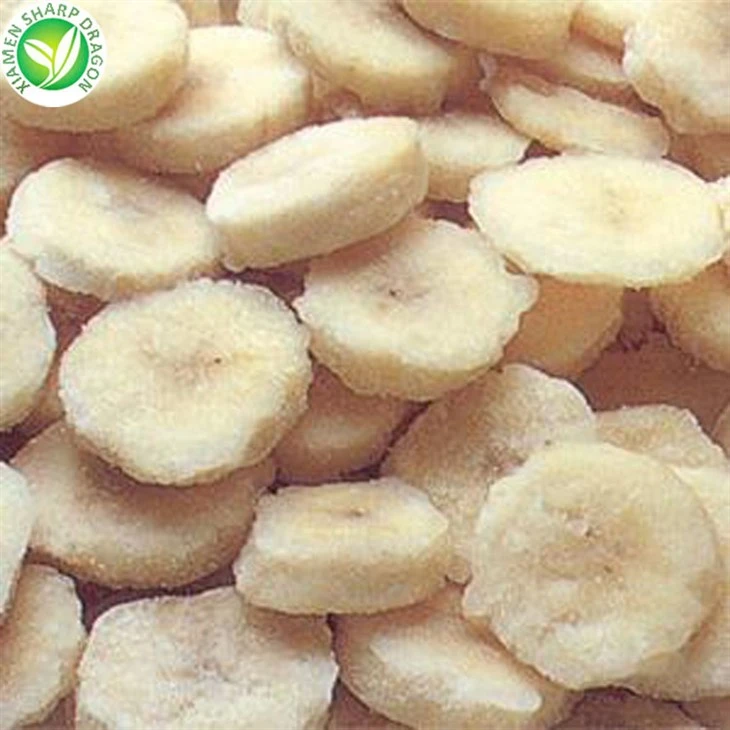
A repeatable banana habit starts with a defined edible portion, not a vague instruction to add "some banana."
The Short Answer
Yes. For most healthy people, eating one banana every day is a reasonable fruit choice. A medium raw banana is approximately 118 grams of edible fruit and is commonly listed at about 105 calories, 27 grams of carbohydrate, 3 grams of fiber, and 422 milligrams of potassium. Those are reference values, not a promise for every cultivar, size, maturity stage, or commercial product.
One banana is also not a complete breakfast or a complete nutrition plan. It contributes carbohydrate, fiber, potassium, vitamin B6 and other nutrients, while providing little protein and fat. If you need a more sustaining meal, pair it with yogurt, milk, soy beverage, nuts, seeds, eggs, oats, or another appropriate source of protein and fat. The banana can remain the fruit component without being asked to do the work of the entire meal.
"Every day" should not mean "the only fruit every day." Variety still matters. Berries, citrus, apples, pears, mango, melon and other fruits contribute different flavors, fibers, pigments and micronutrient profiles. A banana can be a dependable part of that rotation. It does not need to replace the rest of the fruit group.
What One Medium Banana Contributes
Nutrition databases use standardized reference portions, while real bananas vary. A "medium" banana in one dataset may not match the fruit in your warehouse, lunchbox, café or recipe. For practical planning, weigh the peeled edible portion when accuracy matters. If you are preparing retail nutrition information or a commercial formula, use the applicable laboratory result, ingredient specification and destination-market labeling method rather than copying a general web number.
| Reference item | Approximate amount | What it means in a meal |
|---|---|---|
| Edible weight | 118 g | A useful reference portion; actual fruit size varies. |
| Energy | 105 kcal | Enough to matter, but not a complete meal by itself. |
| Carbohydrate | 27 g | Count it within a personal or recipe carbohydrate plan. |
| Fiber | About 3 g | Contributes to daily fiber intake but does not meet the full need. |
| Potassium | About 422 mg | Useful in a normal diet; may require limits in some kidney-care plans. |
| Protein and fat | Low | Add other foods when building a balanced snack or meal. |
Potassium deserves accurate language. Bananas are a familiar source, but they are not the only source and they are not a medicine. Beans, potatoes, leafy vegetables, dairy foods and other fruits can also contribute potassium. The effect of a whole dietary pattern cannot be reduced to one yellow fruit. Our related review of bananas and blood-pressure-friendly diets explains why a potassium-containing food should not be marketed as a treatment.
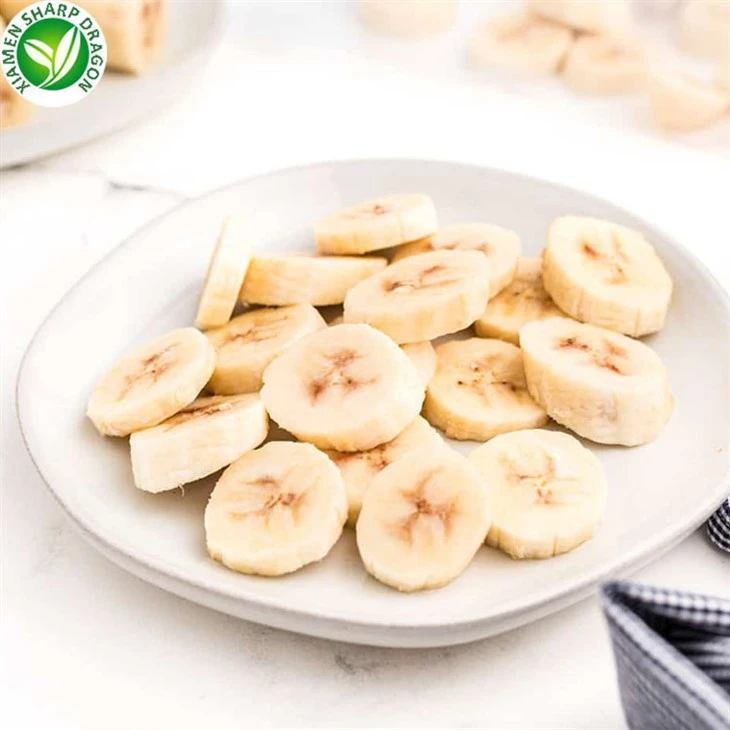
Size and ripeness change the practical portion, sweetness, texture and processing behavior.
One Banana a Day Is Not a Banana-Only Diet
A daily food can be useful because it is convenient, familiar and affordable. It becomes less useful when it crowds out dietary variety. Several bananas in place of meals can leave too little room for protein, essential fats, calcium, iron, vitamin D and the broader range of foods a person needs. This is why the sensible answer is a portion within a diet, not a banana target that everyone must reach.
The same distinction matters in marketing. "Contains banana" does not make banana bread, banana chips, banana pudding or a syrup-heavy smoothie nutritionally equivalent to whole banana. Added sugar, frying oil, cream, portion size and the rest of the recipe can change the final product substantially. Frozen banana with no added sugar is still fruit; a frozen confection with banana flavor is a different food.
If you enjoy a banana daily and the rest of your diet is varied, there is no need to invent a problem. If you are eating three or four because they are replacing other meals, examine the pattern rather than blaming one nutrient. Hunger, training load, budget, access to food, personal tolerance and medical needs all change the context.
A Practical Daily Portion Framework
There is no magic universal banana count. A portion framework is more useful than a rigid rule. Start with the edible weight and the role of banana in the meal. Then consider the other carbohydrate sources, the person's appetite and the purpose of the food.
For a general adult snack
One small or medium banana is a straightforward serving. Pair it with a protein or fat source if the snack needs to last longer. Examples include plain yogurt, a measured spoon of nut butter, a handful of nuts, or cheese if it fits your dietary needs. The pairing is not required to make banana "safe"; it simply builds a more complete snack.
For smoothies and breakfast bowls
Define banana by weight. A smoothie using 70 to 100 grams of banana can gain sweetness and body without making banana the entire formula. Add unsweetened dairy or plant protein, oats, seeds, vegetables or other fruits according to the intended product. Do not assume a large smoothie is a single fruit portion just because it fits in one cup.
For children, athletes and clinical diets
Needs vary more. A child's portion is not automatically an adult portion. An athlete may use banana as a convenient carbohydrate food around activity, while a person following a renal or tightly managed diabetes plan may need different limits. These cases are better decided from the full diet and professional advice, not a social-media rule.
Simple decision: If one daily banana fits your total food plan, you tolerate it, and it does not displace variety, it is generally a practical habit. If the portion is unclear, weigh the peeled fruit once. That single measurement is more useful than arguing over whether your banana "looks medium."
Ripeness Changes Taste and Use
Ripening converts much of a banana's starch into sugars. A greener banana is firmer, less sweet and usually more starchy. A yellow banana is softer and sweeter. A heavily spotted banana can be useful for puree, bakery and blending, but it becomes more vulnerable to bruising, browning and handling loss. These changes affect sensory experience and process performance; they do not turn the fruit into a different food group.
For direct eating, choose the ripeness you tolerate and enjoy. For manufacturing, ripeness must be a specification. If your RFQ says only "ripe banana," the delivered sweetness, color and texture may vary from lot to lot. Define maturity range, a Brix target when sweetness is an acceptance criterion, allowed color, piece size, browning control, additives, packaging and storage condition.

For commercial use, maturity, color and cut size should be agreed before the order, not judged only after arrival.
Fresh, Frozen, Puree and Dried Banana Are Not Interchangeable
The phrase "eat a banana" usually means fresh whole fruit. Foodservice and manufacturing programs use several forms, and each form changes handling. XMSD's IQF frozen banana specification page shows why slices, chunks and other formats must be matched to the final application.
| Banana form | Best use | Main limitation | Buyer check |
|---|---|---|---|
| Fresh whole banana | Direct eating and fresh service | Short ripeness window, peel and trimming loss | Size, maturity, bruising and daily waste |
| IQF slices or chunks | Smoothies, bowls, bakery and foodservice | Soft after thawing; color can vary | Piece separation, cut, ripeness and cold chain |
| Banana puree or pulp | Beverage, dairy, baby-food and bakery formulas | No visible pieces; formula moisture changes | Brix, color, consistency, treatment and pack |
| Dried or fried chips | Shelf-stable snack products | Much less water; oil or sugar may be added | Ingredient statement, serving size and process |
Freezing does not make banana identical to fresh. Ice crystals disrupt the soft tissue, so thawed pieces become softer and may release liquid. That is a disadvantage for fresh fruit display but often an advantage for blending, sauces, batters and desserts. Our guide to buying frozen banana forms explains which format fits smoothies, bakery, foodservice and industrial production.

Frozen pieces are especially useful where portion control matters more than fresh table-fruit texture.
Everyday Meal Examples That Stay Balanced
Example 1: a five-minute breakfast
Example 1: Use one small banana, 170 grams of plain yogurt, 30 grams of oats and a spoon of seeds. The banana contributes fruit and sweetness; the yogurt and seeds add protein and fat; the oats add another texture and carbohydrate source. If the final bowl is too sweet, reduce the banana portion rather than adding an artificial rule that bananas cannot be eaten at breakfast.
Example 2: a controlled smoothie
Example 2: Blend 80 grams of frozen banana with unsweetened milk or soy beverage, 80 grams of berries and an appropriate protein source. The recipe has a defined banana weight and retains fruit variety. A café can scale the same formula because IQF pieces can be weighed directly from frozen. The final nutrition still depends on every ingredient, cup size and any added syrup.
Example 3: a bakery formula
Example 3: A bakery replaces part of the sweetener and liquid with banana puree after testing moisture, browning and bake loss. This is a formulation decision, not proof that the cake is equivalent to whole fruit. Before changing your commercial recipe, validate puree solids, Brix, color, microbiological specification and packaging.
Worked Example: Fresh Banana Versus Frozen Banana Receiving Weight
Worked example: A café plans 240 smoothies per day and uses 80 grams of edible banana in each cup. The daily banana requirement in the finished formula is:
240 cups × 80 g = 19,200 g = 19.2 kg edible banana
Assume the café's measured fresh-banana edible yield after peel and trimming is 67%, and it loses another 8% of purchased fruit to over-ripening, bruising and daily mismatch. Its usable yield is therefore 0.67 × 0.92 = 0.6164, or 61.64%. Required fresh receiving weight is:
19.2 kg ÷ 0.6164 = 31.15 kg fresh whole banana
If individually frozen banana pieces are purchased as 100% edible product and the café records a 1% handling loss, the required frozen receiving weight is:
19.2 kg ÷ 0.99 = 19.39 kg frozen banana
The receiving-weight difference is 11.76 kilograms per day in this example. That is not automatically a cost saving. Frozen product price, energy, storage, pack waste, labor, fresh fruit price, peel disposal and menu quality all matter. The calculation simply puts yield on the same basis. You can replace the assumed 67%, 8% and 1% with measured values from a two-week trial.

A real yield trial should record edible weight, thaw condition, waste, labor and final beverage texture.
Define a Daily-Use Banana Program
A daily menu or retail program magnifies small inconsistencies. One weak batch can change sweetness, color, portion count and customer experience across thousands of units. Move from a product name to a measurable specification. For broader menu development, our foodservice and catering sourcing page describes the inputs needed before matching a frozen ingredient to an operational use.
Product definition
Confirm variety where relevant, maturity target, banana form, cut dimensions, allowed size tolerance, Brix range if specified, color limit, flavor, texture, additives and allergen statement. State whether the product is for direct blending, baking, further heat processing or another use. "Frozen banana" alone does not answer these questions.
Quality and document definition
Set the microbiological, pesticide-residue, heavy-metal and foreign-material requirements that apply to the product and destination. Confirm certificate scope and validity rather than accepting a logo without context. Define COA format, lot coding, traceability information, shelf life, storage temperature, case marking and any private-label controls before production.
Application approval
Approve samples in the real recipe. A piece that looks acceptable while frozen may brown too quickly after blending, release too much liquid in a bakery filling, or produce a weaker aroma than expected. Record banana dosage, blending time, hold time, final color, sweetness, viscosity and consumer-facing result. This turns sample approval into repeatable evidence.
Where banana is only one component of a portfolio, review the wider XMSD frozen fruit range for mixed smoothies, bakery formulas and container planning. The commercial advantage comes from matching the right form to the use, not from adding the largest possible number of fruits.

Inspect frozen appearance and then test the banana in the actual formula and holding time.
Who Should Get Individual Advice Before Eating Banana Daily?
Most healthy people do not need to fear the potassium in one banana. The boundary changes for chronic kidney disease and especially hemodialysis, where the kidneys may not remove potassium adequately. NIDDK advises people on hemodialysis to work with a renal dietitian and limit higher-potassium foods according to the personal plan. A generic article cannot replace that instruction.
People with diabetes can often include whole fruit, but a banana's carbohydrate still counts. Portion, ripeness, meal composition, medication and individual glucose response all matter. "Natural sugar" does not mean "unlimited," and it also does not mean a banana must be banned. Use the plan agreed with the healthcare team.
If banana repeatedly causes itching, swelling, breathing difficulty, vomiting or another suspected allergic reaction, stop using it and seek appropriate medical care. If a daily banana worsens digestive symptoms, change the amount, ripeness or timing and discuss persistent symptoms with a qualified professional. Tolerance is part of the decision.
Common Claims That Need Better Wording
A useful claim tells you what the banana form can contribute, names the conditions that change the result, and avoids turning an ingredient into a treatment. When you review consumer copy, check the ingredient statement, serving size and process before comparing it with whole fruit. For trade copy, connect each statement to a specification, a test result or an application trial. Remove language that cannot survive those checks.
Too strong. Banana can contribute potassium within a balanced diet, but it is not a treatment.
Misleading. Unsweetened frozen banana remains fruit, although texture changes and exact nutrients depend on raw material and processing.
Too simple. Ripening changes starch, sugar, texture and use; the suitable stage depends on the person and application.
Not necessarily. Drying, frying, oil, syrup and serving size can produce a very different product.
The correction is practical: describe a measured portion of a defined product form and connect the claim to the whole recipe. If the evidence supports only composition, say what the food contains. If a result comes from an application test, state the recipe and conditions. If a medical outcome is the subject, keep the food claim within established dietary guidance and direct personal treatment questions to qualified health professionals.

Commercial claims should describe the actual banana form, ingredients, portion and intended application.
FAQ
Does a frozen banana count as the same edible weight?
If the pack contains only edible banana with no syrup or other ingredients, recipe weight can be compared on an edible-weight basis. The texture after thawing will not be the same as fresh. For labeling, use the product's actual specification and the rules of the destination market.
Should frozen banana be thawed before a smoothie?
Usually no. IQF pieces are commonly blended from frozen when the blender can process the stated piece size and the recipe has enough liquid. Confirm blade capacity, portion size and liquid ratio. Follow the product's intended-use and food-safety instructions.
Can you specify banana without anti-browning additives?
Yes, but color expectations, processing method and shelf-life performance must be realistic. Confirm the ingredient statement and evaluate an actual sample after the intended thawing or blending process.
What should be written on an RFQ for frozen banana?
Include form and cut, target maturity or Brix, color expectation, additives, pack size, annual and shipment volume, destination, application, required documents, microbiological limits, private-label needs and desired shipment date.
The Practical Bottom Line
For most healthy adults, one banana a day can be a convenient part of a varied diet. Use a real portion, account for the rest of the meal, and keep other fruits in rotation. Fresh banana is best for direct eating; frozen pieces and puree are useful when portion control, ripeness management, blending or industrial consistency matter.
If you source banana for a commercial program, define edible weight, maturity, color, format, pack, documents and application performance. Measure fresh yield and waste before comparing costs with frozen product. That evidence will answer more than a generic claim that one form is always better.
XMSD sourcing note: Share your application, banana form, cut, maturity or Brix expectation, pack size, destination and document list. We can review a suitable frozen banana specification and sample plan for the current project.
References
- USDA FoodData Central: Bananas, raw
- NIH Office of Dietary Supplements: Potassium Fact Sheet for Consumers
- NIDDK: Eating and Nutrition for Hemodialysis
- CDC: Healthy Eating Tips
- USDA MyPlate: Fruit Group
- American Heart Association: Don't Go Bananas-But Maybe Eat One
- XMSD operational experience in frozen-fruit specification review, sample comparison, edible-yield calculation, packaging and foodservice application testing.