


How Many Bananas Should You Eat a Week? A Practical Range
Jul 16, 2019

There is no official number of bananas that every person should eat each week. For a generally healthy adult, three to seven medium bananas per week is a practical planning range if banana is one of several fruits you enjoy. It is a starting pattern, not a medical target, minimum or safety ceiling. Eating no bananas is also fine when other foods cover your fruit choices, while eating one on most days can fit when it does not displace variety or conflict with your health plan.
The better calculation begins with your total fruit pattern. Current U.S. dietary guidance uses two fruit servings per day for a 2,000-calorie pattern, which equals 14 fruit-serving opportunities across seven days. That guidance does not say all 14 should be bananas. If banana fills three to seven of those opportunities, you still have seven to eleven for berries, citrus, apples, pears, melon or other fruit. Kidney disease, high blood potassium, medicines that affect potassium, diabetes meal planning and digestive tolerance can change the amount.
Quick answer: Use three to seven medium bananas a week as a flexible general starting range, not a rule. Count the rest of your fruit, rotate colors and types, and judge the actual form-plain fruit, smoothie, chips or dessert. If a clinician has set a potassium or carbohydrate plan, that personal plan replaces the general range.

Why No Authority Sets a Banana-Per-Week Quota
Food guidance is normally written for food groups and whole dietary patterns, not for a compulsory count of one fruit. The 2025–2030 Dietary Guidelines for Americans gives a public target of two fruit servings per day for a 2,000-calorie pattern and says the amount should adjust with individual calorie requirements. It also emphasizes a variety of whole, colorful fruits and vegetables. The arithmetic can be viewed over a week, but the result remains a fruit-group plan rather than a banana prescription.
Other systems use different units. The NHS describes one banana as one adult fruit-and-vegetable portion within its five-a-day framework and identifies 80 grams as a typical fresh, canned or frozen fruit-and-vegetable portion. The American Heart Association uses two cups of fruit per day for a 2,000-calorie pattern and lists one large banana as about one cup equivalent. These approaches agree on regular fruit and variety, but they do not create one internationally universal banana count.
Size is another reason the count is imprecise. A small banana, a medium FDA reference banana and a large one do not contain the same edible weight. "Seven bananas" therefore describes frequency better than intake. If the number matters for a meal plan, recipe or label, use edible grams. For ordinary shopping, count pieces but notice whether the fruit is consistently small, medium or large.
A weekly number also hides timing. Seven bananas eaten as one each day is not the same eating pattern as seven added to one large smoothie. The total fruit weight may be similar, but the latter creates a larger single serving and may include juice, sweetener, yogurt or powders. Frequency, portion per occasion and recipe context all help answer the question.
When you want a strict daily-bound answer, use the separate discussion of three bananas in one day. A concentrated daily pattern raises different questions from using a few banana portions across a week.
Turn Daily Fruit Guidance into a Weekly Plan
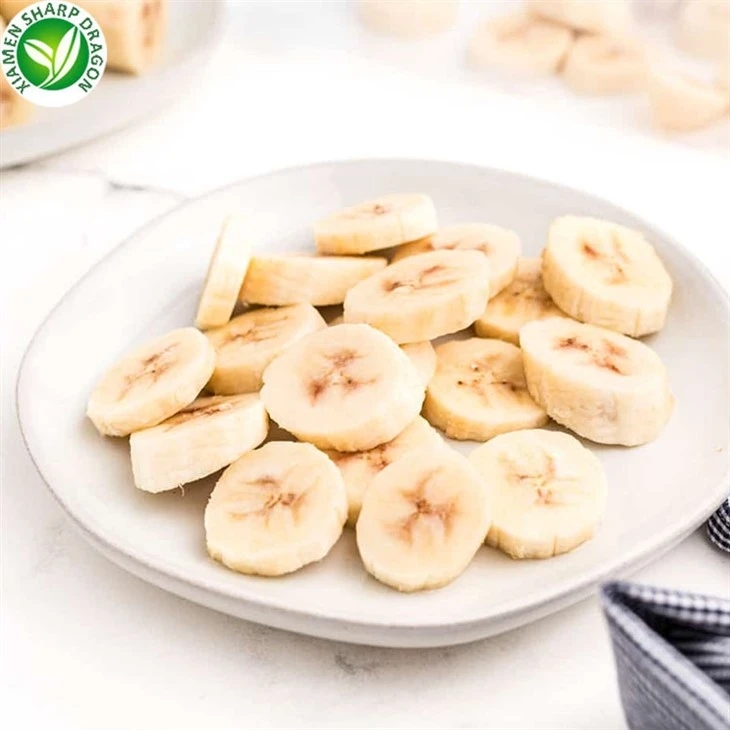
Weekly planning is useful because appetite, schedules and meals vary from day to day. The week should be an average, not a demand that every day looks identical. Start with the fruit target that applies to your country, age and energy needs. Then multiply the daily fruit servings by seven. Reserve several slots for different fruits before assigning the remainder to banana.
Worked example: Take the current U.S. 2,000-calorie reference of two fruit servings per day. Two servings × seven days = 14 fruit servings per week. If you choose a medium banana on Monday, Wednesday, Friday and Sunday, banana fills four weekly opportunities and leaves ten for other fruits. If you choose one every day, banana fills seven and leaves seven. The calculation demonstrates variety allocation; it does not declare that four or seven is medically required.
The three-to-seven starting range follows this allocation logic. Three weekly servings make banana a recurring option without dominating the fruit basket. Seven makes it a daily habit while leaving roughly half of a 14-serving reference pattern available for other fruit. The range works as a planning aid because it is easy to shop for and remember. It is not supported as a disease-prevention dose; if your energy needs differ from the reference pattern, use the fruit target that applies to you.
| Weekly banana pattern | What it means | Recommended check |
|---|---|---|
| 0–2 medium bananas | Banana is occasional or absent | Make sure other fruits fill the fruit pattern; banana itself is not mandatory |
| 3–7 medium bananas | A practical recurring range for many healthy adults | Leave room for other colors and types; adjust for size and recipe form |
| 8–14 medium bananas | Banana may occupy most fruit occasions | Check displacement, total energy, digestive tolerance and any clinical plan |
| Several in one recipe | Weekly count hides a large single serving | Calculate banana grams and all ingredients per finished serving |
Do not turn the table into a traffic-light safety system. Eight bananas spread across a week are not automatically harmful, and three are not automatically ideal. The high end simply prompts a better look at what banana replaces. If it crowds out fruit variety, protein-containing foods or complete meals, the plan is poorly balanced even when no immediate symptom appears.

What One Medium Banana Adds to the Week
The FDA raw-fruit reference defines one medium banana as a 126-gram edible portion. It lists about 110 calories, 30 grams of carbohydrate, 3 grams of dietary fiber, 19 grams of total sugars, 1 gram of protein and 450 milligrams of potassium. NIH lists a similar 422 milligrams of potassium for one medium banana. Database choices, fruit variation and rounding can produce small differences, so use one source consistently when you calculate.
Those figures explain why banana can contribute to a balanced pattern but cannot serve as a complete meal. Carbohydrate provides usable energy, fiber contributes to the overall fiber intake, and potassium supports normal cell, nerve and muscle function. A biological role is not proof that more bananas create a larger health benefit. Protein, essential fats, calcium and many other nutrients must come from the rest of the diet.
The weekly arithmetic is straightforward. Seven FDA-sized medium bananas contribute about 7 × 110 = 770 calories, 7 × 30 g = 210 g carbohydrate, 7 × 3 g = 21 g fiber and 7 × 450 mg = 3,150 mg potassium across the entire week. Dividing by seven returns the daily average from that habit. These are food-composition values, not claims about weight change, blood sugar, blood potassium or disease outcome.
Energy balance depends on what the banana does in the meal. If it replaces a 250-calorie pastry, the substitution may reduce energy by roughly 140 calories using the FDA reference. If it is added after the same pastry, it adds about 110 calories. Repeated over seven days, substitution and addition produce very different totals. The fruit does not control body weight independently of the rest of intake and activity.
Ripeness changes the type of carbohydrate more than it changes the need for weekly variety. As banana ripens, starch is converted into sugars and the texture softens. Your glucose response can also change with portion, ripeness, meal composition and individual physiology. If you manage diabetes, count the actual carbohydrate within the meal plan supplied by your clinician or dietitian rather than banning banana or relying on a weekly fruit count.

Spread, Pair and Rotate Instead of Chasing a Perfect Count
Spacing banana through the week is usually more useful than buying a target number and eating it regardless of appetite. Choose the days when banana solves a real meal problem: portable fruit for work, sliced fruit with breakfast, a measured frozen amount in a smoothie, or part of a snack. On other days, choose fruit with different colors, textures and nutrient profiles. The objective is a repeatable pattern, not compliance with a banana calendar.
Pairing depends on the job. Banana alone may be enough for a light snack. When you need a more complete breakfast or longer-lasting snack, combine it with a suitable protein or fat source such as plain yogurt, nuts, seeds, eggs or another part of the meal. The combination adds nutrients that banana supplies only in small amounts. It does not have to be used to flatten every possible glucose rise, and the portion should still fit your own energy and medical plan.
A weekly pattern can also respond to ripeness and waste. Buy some fruit greener and some ready to eat, then move ripe unused fruit into a planned frozen application before it spoils. The focused guide to storing bananas by ripeness stage explains room-temperature, refrigerator and freezer decisions. Storage improves usable timing; it does not change how many servings your diet needs.
Practical example: Suppose you buy six medium bananas on Sunday. Plan fresh banana for Monday, Tuesday and Wednesday, keep two slightly greener pieces for Thursday and Friday, and peel and freeze the sixth if it reaches your preferred ripeness early. Add berries, citrus and apple on the other fruit occasions. You use all six without forcing them into consecutive meals or discarding an overripe piece.
If your habit produces persistent bloating, abdominal discomfort, constipation or loose stools, reduce the portion or frequency and observe the pattern. Ripeness, other foods, hydration and an underlying digestive condition can all matter. Persistent or severe symptoms deserve qualified medical advice. Do not assume that every reaction is caused by banana, but do not force a weekly target when your body consistently does not tolerate it.

Plain Fruit, Smoothies, Chips and Desserts Count Differently
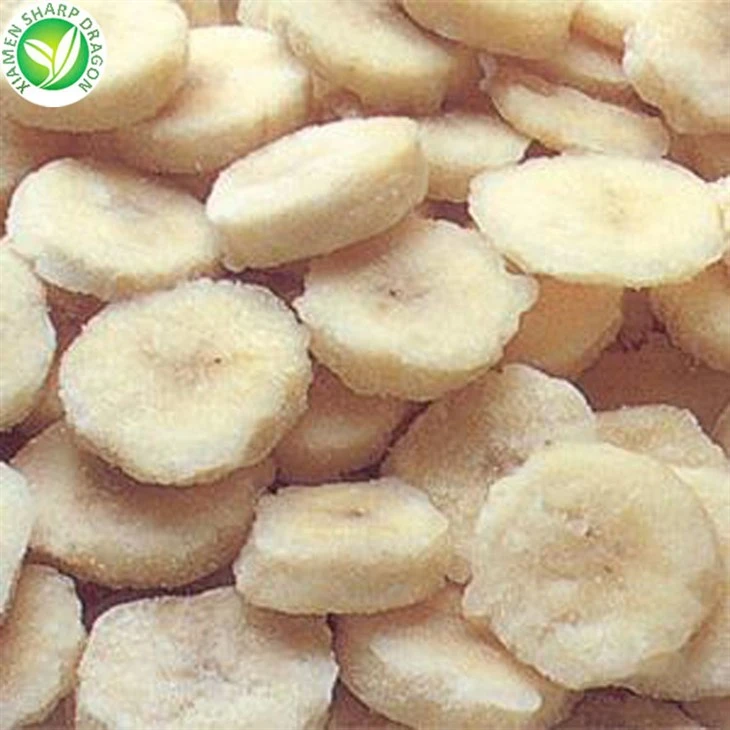
A piece count is most meaningful for plain whole bananas. Plain frozen banana can be treated on the same ingredient basis when the edible gram weight is known. Freezing does not make the fruit a different weekly category, but pre-cut pieces remove the visual cue of "one banana." Weigh the portion or use a defined scoop rather than guessing how many fruits are hidden in the bag.
A smoothie needs recipe math. Blending does not create potassium or carbohydrate, but it can make several banana equivalents easy to drink quickly. Milk, juice, yogurt, nut butter, protein powder, syrup and other fruit change the complete serving. If a blender batch contains three bananas and makes two glasses, each glass contains one and a half banana equivalents before the other ingredients are counted. Calling it "one smoothie" hides the amount.
Dried or fried banana chips are more concentrated by weight because water has been removed. Some products add oil, sugar or sodium-containing flavoring. Banana bread, muffins, pancakes and desserts also contain flour, fat, sweeteners and salt. Their names do not convert the whole product into a fruit serving. Judge the finished recipe from the ingredient list, serving weight and nutrition information.
Frozen fruit is most useful when it solves availability, waste or portioning problems without a heavily sweetened formula. If you are deciding whether the format is practical for home, foodservice or processing, our guide to buying frozen bananas covers the available use cases. The product form supports the weekly plan; it does not set the plan.
When the General Weekly Range Does Not Apply
Kidney function is the clearest exception to a general banana range. NIH explains that potassium from food has not been shown to harm healthy people with normal kidney function because excess is removed in urine. Chronic kidney disease can impair that removal. ACE inhibitors, angiotensin receptor blockers, potassium-sparing diuretics, potassium supplements and potassium-based salt substitutes can also change risk. A weekly banana number cannot replace blood results, medicine review and the renal plan.
This does not mean everyone with CKD or a heart condition must avoid bananas. The suitable amount can change with kidney function, dialysis type and schedule, recent laboratory values, medicines and the total potassium from all foods and supplements. If your clinician or renal dietitian has given a gram, serving or exchange target, use it. If the instruction is only "watch potassium," ask for an amount and the foods or labels that need to be counted.
Diabetes also calls for meal-level judgment rather than a blanket weekly ban. Banana contains carbohydrate, so the edible amount, ripeness, meal pairing, medicines and glucose response matter. One measured portion used within a carbohydrate plan differs from a multi-banana sweetened drink. Review repeat glucose patterns with the professional managing your care instead of assuming natural sugar is harmless or inherently dangerous.
Children have different energy and portion needs, and a child-sized portion need not be an adult medium banana. Pregnancy, sports training and older age may also change appetite or nutrition planning without creating a specific weekly banana requirement. Use age-appropriate guidance and qualified advice when health conditions are involved. A family shopping count is not the same as a per-person dietary target.
Safety note: Do not stop a prescribed medicine or add potassium supplements because of a general food plan. If you have CKD, dialysis, previous high blood potassium or instructions to limit potassium, ask the clinician or renal dietitian who knows your laboratory results how banana fits your full weekly intake.
If you are generally healthy but worried about excess, judge persistent symptoms, displacement of other foods and the actual serving per occasion. That is a different decision from weekly planning, which is about frequency, variety and preparation.
Weekly Banana Planning for Foodservice and Product Programs
For a menu or product formula, pieces per week are the wrong purchasing unit. Start with banana grams per finished serving, expected servings per operating day and operating days per week. Add only a clearly justified process allowance, then compare the result with pack configuration and usable yield. The method lets you forecast volume while keeping a nutrition statement tied to the finished serving.
Worked example: A hypothetical smoothie bar plans 60 cups per day for five days, with 80 g of plain frozen banana in each cup. Weekly finished-use banana is 60 × 5 × 80 g = 24,000 g, or 24 kg. If its own measured handling data supports a 5% planning allowance, the purchasing basis is 24 kg × 1.05 = 25.2 kg per week. The allowance is an operational example, not a verified XMSD yield promise; replace it with your approved production result.
The risk signals are inconsistent scoop weights, heavy clumping, excessive breakage, poor resealing, long exposure at room temperature and a formula sheet that lists "one scoop" without grams. We would weigh repeated servings during a trial and set an acceptable gram range around the target. If servings run from 60 to 105 g against an 80 g target, the nutrition estimate and purchasing forecast are both unstable. A defined utensil, pre-portioned inner bag or revised work instruction may correct the variation.
If you formulate for retail, calculate the complete finished recipe. Banana grams alone do not capture dairy, juice, sweetener, protein powder or other fruit. Keep the ingredient statement, declared serving, nutrient calculation and approved claim language on the same formula basis. "Seven servings per pack" should mean seven measured finished servings, not seven guessed banana equivalents.
For procurement, define form, cut-size tolerance, ingredient declaration, defect criteria, net weight, packing and storage conditions. Inspect a sample in the intended application: measure portion accuracy, blending behavior, color, flavor and any pieces left unusable. Our IQF frozen banana formats provide the product-form starting point, while the agreed specification and application trial determine acceptance.
The process evidence should match the claim you make. A factory image can show processing activity, but it does not prove your exact weekly yield, nutrition value or health outcome. Ask for the current specification and review the actual product sample. The XMSD factory overview can provide operational context; your product approval still needs item-specific evidence.

The Bottom Line from XMSD
No official guideline requires a fixed number of bananas each week. For many healthy adults, three to seven medium bananas per week is a useful planning range because it makes banana regular without automatically filling every fruit occasion. It is neither a medical minimum nor an upper safety limit. Zero can be appropriate, and more can fit when your total diet remains varied and you tolerate the amount.
Use the week to see the pattern that one day can hide. Count total fruit opportunities, reserve space for other fruits, notice whether banana replaces or adds food, and calculate recipes by edible grams. Plain fresh and frozen fruit differ from chips, sweetened drinks and desserts because the complete formulation changes the decision.
If kidney disease, abnormal potassium, relevant medicines, diabetes planning or persistent symptoms applies to you, replace the general range with individualized advice. For a commercial program, forecast kilograms from servings, grams and operating days, then validate the allowance and portion range in a real trial.
XMSD sourcing note: If you are planning weekly frozen banana use, send us the cut, grams per serving, weekly finished servings, packing format, destination and application. We can review the product-form and supply inputs for your program.
References
- Dietary Guidelines for Americans, 2025–2030 - Daily Fruit Guidance
- U.S. FDA - Raw Fruits Poster, Medium Banana Reference
- NHS - 5 A Day Portion Sizes
- American Heart Association - Fruits and Vegetables Serving Sizes
- NIH Office of Dietary Supplements - Potassium Fact Sheet for Consumers
- Harvard T.H. Chan School of Public Health - Bananas