


Is 3 Bananas a Day Too Much? A Practical Portion Guide
Jul 15, 2019

For most healthy adults with normal kidney function, eating three medium bananas in one day is not automatically dangerous or "too much." It is nevertheless a substantial amount of one fruit. Based on U.S. Food and Drug Administration reference data, three medium bananas provide about 330 calories, 90 grams of carbohydrate, 57 grams of total sugars, 9 grams of fiber and 1,350 milligrams of potassium. Your total diet, activity, carbohydrate plan, digestive tolerance and health conditions determine whether that amount fits well.
The useful distinction is safety versus fit. There is no official three-banana toxicity threshold for healthy people, and dietary potassium from ordinary foods is not normally a hazard when the kidneys regulate it effectively. But three bananas may use more calories or carbohydrate than someone intended, leave less room for other fruits, or conflict with an individualized potassium restriction. Size and product form also matter: three small bananas, three large bananas and a sweetened smoothie made with an uncertain banana quantity are not the same serving.
Three medium bananas in a day are usually safe for a healthy adult, but they are not a universal daily recommendation. Treat the three as approximately 378 grams of edible fruit and count their full 330 calories and 90 grams of carbohydrate. Use a different limit if your clinician has set a potassium or carbohydrate plan, and choose several fruit types over the week rather than assuming more bananas always produce more benefit.
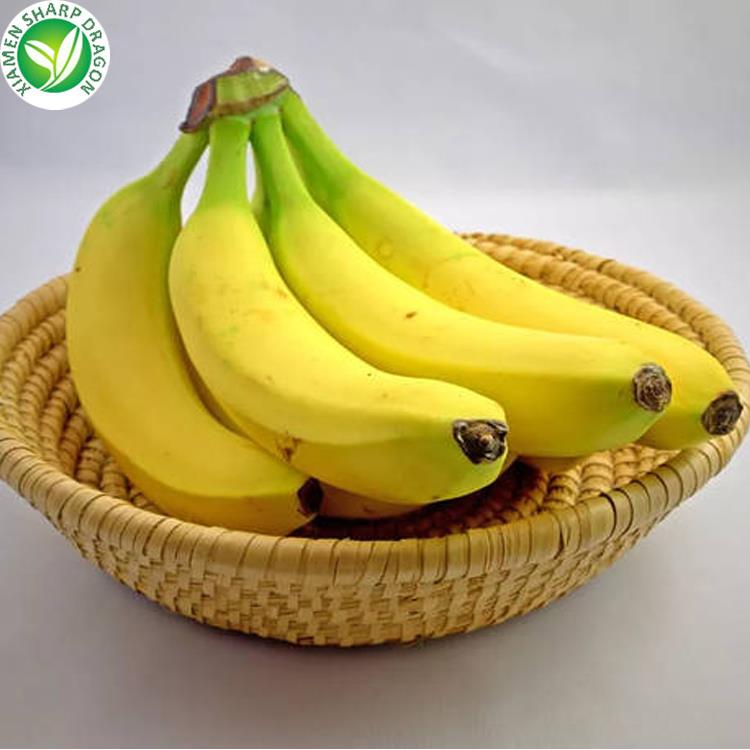
A count of three is only useful when size is defined; edible weight gives a more reliable basis.
What Do Three Medium Bananas Actually Add?
The FDA raw-fruit reference defines one medium banana as 126 grams of edible portion. It lists 110 calories, 30 grams of total carbohydrate, 3 grams of dietary fiber, 19 grams of total sugars, 1 gram of protein and 450 milligrams of potassium. These rounded reference figures make the three-banana question transparent. They are not a laboratory certificate for every cultivar or maturity stage, but they are more useful than calling a banana "small" or "normal" without weighing it.
| Measure | One medium banana | Three medium bananas | How to interpret it |
|---|---|---|---|
| Edible weight | 126 g | 378 g | Use edible fruit, not peel-on purchasing weight |
| Energy | 110 kcal | 330 kcal | Count it whether the fruit is eaten alone or blended |
| Total carbohydrate | 30 g | 90 g | Relevant to total meal and diabetes carbohydrate planning |
| Dietary fiber | 3 g | 9 g | A useful contribution, but not the whole day's fiber |
| Total sugars | 19 g | 57 g | Naturally occurring total sugar; FDA sets no Daily Value for total sugars |
| Potassium | 450 mg | 1,350 mg | Material for a restriction; not excessive by itself for a healthy kidney |
Worked example: the complete three-banana calculation. Multiply every FDA value by three: 126 × 3 = 378 grams; 110 × 3 = 330 calories; 30 × 3 = 90 grams of carbohydrate; 3 × 3 = 9 grams of fiber; and 450 × 3 = 1,350 milligrams of potassium. Against current FDA Daily Values, that is about 33% of the 275-gram carbohydrate Daily Value, 32% of the 28-gram fiber Daily Value and 29% of the 4,700-milligram potassium Daily Value. Daily Values are label reference points, not personal prescriptions, and the calculation does not include milk, yogurt, juice, nut butter, sugar or other recipe ingredients.
This arithmetic explains why "safe" and "ideal for me" can produce different answers. A healthy person can regulate the potassium and still decide that 90 grams of carbohydrate is more than fits the day's meals. Another person with high energy needs may deliberately include that amount. Someone following a renal diet may need a much lower food-potassium load even though the three bananas cause no problem for a healthy friend. For a broader threshold discussion rather than this exact portion, see our guide to how many bananas may be too many.

Whole frozen bananas still vary in edible weight; this original image is retained with corrected descriptive metadata.
When Can Three Bananas Be Too Much for You?
There is no single banana limit that works for every adult. The decision changes when your clinical plan, energy needs, total food pattern or symptoms change. Three bananas deserve a closer look in the following situations, but none of them makes the fruit universally harmful.
You have chronic kidney disease or impaired potassium excretion
The NIH Office of Dietary Supplements states that high potassium intake from food has not been shown to cause harm in healthy people with normal kidney function because excess potassium is eliminated in urine. For that reason, no tolerable upper intake level has been set for dietary potassium in healthy people. This directly contradicts the fear that three bananas automatically cause potassium poisoning.
Kidney disease changes the risk. Damaged kidneys may not remove enough potassium, and high blood potassium can be serious. The NIH also identifies medicines that can raise potassium, including ACE inhibitors, angiotensin receptor blockers and potassium-sparing diuretics. Kidney function, blood results, medicines and the complete diet determine the right restriction. Do not stop a prescribed medicine or copy a generic banana limit; ask the clinician or renal dietitian who knows your results.
Medical caution: If you have chronic kidney disease, a history of high blood potassium, or instructions to limit potassium, 1,350 milligrams from three medium bananas is a meaningful amount that must be checked against your own plan. New severe weakness, trouble breathing, chest symptoms, collapse or an abnormal heartbeat sensation needs urgent medical assessment rather than food experimentation.
Bananas are often promoted for blood-pressure support because they contain potassium. That is a dietary-pattern question, not a reason to prescribe three bananas to everyone. Our focused review of bananas, potassium and blood pressure separates the nutrient role from a guaranteed treatment claim.
You use a measured carbohydrate or energy plan
Three medium bananas contribute 90 grams of total carbohydrate before the rest of the meal is counted. The American Diabetes Association describes a small piece of fresh fruit or about half a cup of frozen or canned fruit as roughly 15 grams of carbohydrate for meal-planning purposes. That is not a ban on bananas. It means portion and total carbohydrate matter, and a three-banana serving should not be treated as a free food.
If you monitor glucose, use your actual portion, label and personal response rather than relying on the word "natural." A whole banana retains its fiber structure, but it still supplies carbohydrate. Pairing fruit with a meal or a source of protein or fat may make the meal more balanced and can change how quickly it is eaten; it does not erase the banana's 30 grams of carbohydrate per medium fruit. Insulin, medicine and carbohydrate decisions should follow your diabetes care plan.
Practical example: added versus substituted food. Suppose breakfast already includes 250 calories, lunch 600, dinner 700 and snacks 200, for 1,750 calories before bananas. Adding three medium bananas brings the illustrative total to 2,080 calories. If the same bananas replace 330 calories of another planned food, the total remains 1,750. The bananas are identical; their effect on the energy plan changes because "add" and "replace" are different actions. This is a planning example, not a recommended calorie target.
You develop digestive symptoms or an allergic reaction
Nine grams of fiber in a day is not inherently excessive, but a sudden increase, a large smoothie or several bananas close together can be uncomfortable for some people. Bloating, fullness or a bowel-pattern change should be assessed by amount, timing, ripeness and other ingredients. Drinking enough fluid helps fiber do its job. Persistent pain, vomiting, unexplained weight loss, blood in the stool or recurring symptoms deserve professional evaluation.
Allergy is a separate problem. Stop eating the food and seek medical advice if banana repeatedly causes itching, hives or swelling. Breathing difficulty, throat tightness, faintness or a rapidly progressing reaction needs emergency care. A person with a true banana allergy can react to much less than three bananas, so a daily count is the wrong safety measure. Other concerns about spoilage, processed forms and individual reactions are covered in our review of what can actually be bad about bananas.
Fruit Variety Matters More Than Chasing a Banana Number
Current U.S. dietary guidance uses a whole-diet framework rather than a banana allowance. At a 2,000-calorie level, the 2025–2030 daily serving guide lists two fruit servings, with one serving defined as one cup of raw or canned fruit or half a cup of dried fruit. Needs vary with calorie level. The guidance also emphasizes whole fruit and variety. It does not identify three bananas as toxic, nor does it say three are necessary.
A banana count cannot be mapped exactly to that cup framework without measuring size and prepared volume. The more useful question is whether bananas are the only fruit being chosen day after day. Berries, citrus, melon, apples, pears and other fruits bring different sensory qualities and nutrient profiles. If three bananas routinely displace every other fruit, reducing the count and rotating fruit types may improve dietary variety even when there is no immediate safety problem.
Bananas are useful: they provide carbohydrate, fiber, potassium and vitamin B6, require little preparation and can add sweetness and body to food. But nutrients do not operate as a score in which eating triple the fruit guarantees triple the result. Once dietary needs are met, more of one food can simply mean less room for something else. The correct daily portion is the one that fits the whole pattern, not the highest count that remains below an imagined danger line.
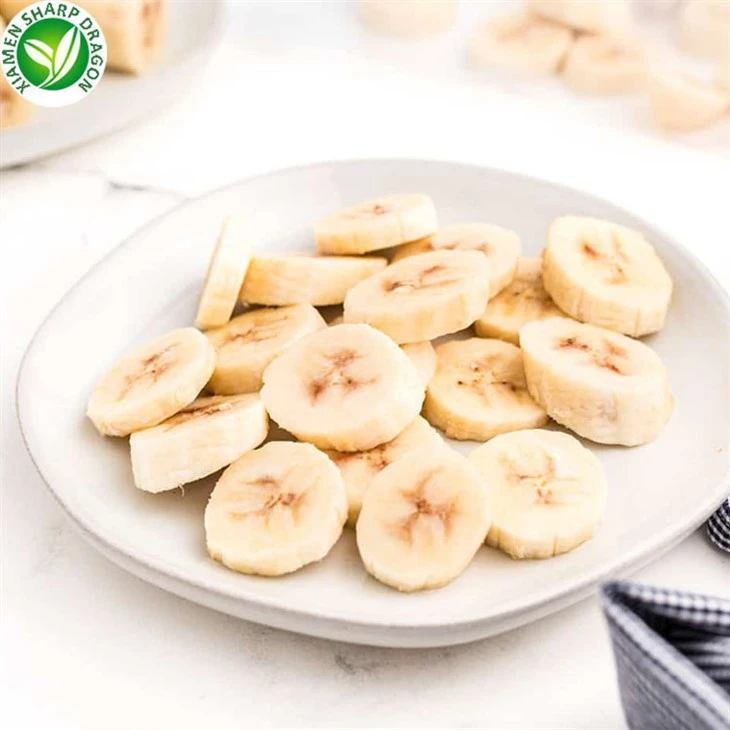
Prepared volume and grams are more repeatable than an undefined count of pieces.
Fresh, Frozen, Smoothied and Sweetened Are Not the Same Decision
A plain frozen banana remains banana, and freezing does not make its calories disappear. If 378 grams of edible banana are frozen and the full amount is eaten, the starting nutrition calculation remains close to three 126-gram bananas. The obvious change is physical: freezing disrupts plant tissue, so thawed banana becomes softer and releases moisture. That may be ideal for blending or bakery mixes and poor for an application that needs a firm fresh slice.
Count becomes unreliable as soon as the fruit is cut. Twenty frozen pieces might represent one banana in one specification and a very different weight in another. For a home recipe, use a kitchen scale or a labeled package serving. For foodservice or manufacturing, dose grams per finished serving and record whether the number is frozen input, thawed input or drained usable material. Our IQF frozen banana range provides format context, while the final specification must define the actual cut, pack and application requirement.

Piece count changes with cut thickness; a gram target gives the recipe a stable fruit dose.
A smoothie can hide the real total
Blending does not remove the fruit's carbohydrate, sugar or calories. A smoothie made from three medium bananas begins at approximately 330 calories and 90 grams of carbohydrate, then adds whatever comes from milk, juice, yogurt, syrups, protein powders or nut butter. Liquids can also make a large fruit portion quicker to consume. A smoothie is not automatically bad, but the finished recipe-not the fruit image on the menu-sets its nutrient load.
Worked example: a finished drink. Start with two medium bananas: 220 calories and 60 grams of carbohydrate by the FDA reference. Add a hypothetical 250-milliliter beverage ingredient labeled at 120 calories and 12 grams of carbohydrate, plus a sweetener labeled at 40 calories and 10 grams of carbohydrate. The drink totals 380 calories and 82 grams of carbohydrate before any topping. Replacing the two bananas with one changes the same drink to 270 calories and 52 grams of carbohydrate. The label values for the actual ingredients must replace these illustrative inputs.
Ripeness changes performance, not the basic need to measure
As bananas ripen, starch is converted to sugars, texture softens and flavor becomes sweeter and more aromatic. That can change sensory experience and how the ingredient behaves in a recipe. It does not make a visibly ripe banana poisonous. Nor does a green banana cancel carbohydrate. If ripeness matters to glucose management or digestive comfort, observe your own response and follow professional advice; if it matters to a commercial formula, define the target with agreed maturity, color, flavor and application criteria.
Dried banana and fried chips need a separate comparison because water removal concentrates the fruit into a smaller volume and frying can add oil. Sweetened banana preparations may add sugar. Read the ingredient list, serving size and complete nutrition panel. FDA serving sizes describe the amount customarily consumed; they are not instructions for how much you personally should eat. Total sugars and added sugars are also different label lines, and plain whole banana does not acquire "added sugar" merely because it tastes sweet.

Frost, separation and cut condition affect product acceptance; they do not change the need to calculate edible grams.
A Simple Decision Test for Eating Three Bananas
Use the following sequence when you want a decision rather than a generic daily limit. Each step can change the conclusion, so keep the order: first quantify what you ate, then apply medical constraints, calculate the complete day, and finally judge frequency and symptoms. Skipping the portion measurement makes every later comparison less reliable.
- Define the portion. If they are medium, use about 126 grams edible weight each. Weigh unusually small or large fruit instead of forcing it into the medium reference.
- Check medical exceptions. Follow your clinician's potassium, carbohydrate or allergy instructions before using a general food answer.
- Count the complete load. Three medium bananas contribute about 330 calories and 90 grams of carbohydrate; include every other ingredient in a drink, bowl or dessert.
- Ask what they replace. Adding three bananas on top of the usual day is different from using them instead of another planned snack or ingredient.
- Review frequency and variety. One day is different from an automatic routine. Rotate fruit types and ensure the rest of the diet supplies protein, healthy fats, vegetables and other needed foods.
- Use symptoms as evidence, not diagnosis. Record amount, form, ripeness, timing and other ingredients, then seek advice when symptoms are severe or repeat.
For a healthy adult who enjoys three bananas occasionally, has no relevant medical restriction and still eats a varied diet, the checklist may reveal no practical problem. For someone who drinks all three in a sweetened shake every morning, the finished carbohydrate and energy total may be the reason to resize the recipe. For someone on a potassium restriction, even plain whole fruit may need a different limit. The same number therefore produces three evidence-based decisions, not one slogan.
How to Translate "Three Bananas" into a Commercial Specification
If you source banana for foodservice, beverages, dairy or bakery production, "one banana per serving" is not a usable purchasing specification. Cultivar, maturity and size change the edible weight, while slices, dice and whole peeled frozen fruit behave differently during portioning and thawing. Start with grams of banana per finished serving, then confirm cut, maturity, color, texture, separation, pack size and the application test. XMSD's foodservice and catering supply overview provides broader application context.
| Buyer | Decision to lock | Evidence to request |
|---|---|---|
| Smoothie or foodservice operator | Frozen grams per cup and blender performance | Piece-size check, separation, timed blend test and serving yield |
| R&D or private-label team | Finished formula, label basis and sensory target | Approved recipe, ingredient declaration, nutrition calculation and pilot result |
| Procurement and QA | Specification, usable yield and lot acceptance | Sample method, lot records, pack controls, temperature evidence and claim procedure |

Equipment is one control point; you still need an agreed sampling method, product specification and lot records.
Calculate purchasing need from usable yield
Worked example: frozen banana for 120 drinks. Your formula specifies 80 grams of banana input per drink. Production need is 120 × 80 = 9,600 grams, or 9.6 kilograms. If the approved thaw-and-transfer test gives a hypothetical 92% usable yield, required frozen input is 9.6 ÷ 0.92 = 10.43 kilograms. Adding a hypothetical 3% production allowance gives 10.43 × 1.03 = 10.74 kilograms. These percentages illustrate the method; they are not XMSD guarantees or universal loss limits.
Repeat the test under the same thaw time, temperature, drain method and transfer endpoint. Otherwise, the yield comparison is not controlled. Also specify whether nutrition is calculated from frozen input, formulated recipe weight or the actual finished serving. Packaging, seal integrity, carton condition, pallet pattern, cold-chain records and approved labels then protect the portion and formulation decisions through delivery.

Order-specific packing and cold-chain evidence help protect the agreed banana format and usable yield.
The Practical Judgment
Three medium bananas are not automatically too much for a healthy adult. They are a measurable 378-gram fruit portion providing about 330 calories, 90 grams of carbohydrate, 9 grams of fiber and 1,350 milligrams of potassium. That is substantial enough to count honestly, but it is not evidence of potassium toxicity in a person with normal kidney function.
Make the decision with context. Check kidney and medication restrictions, count the full recipe, consider whether the fruit is added or substituted, notice digestive or allergic symptoms, and keep variety in the diet. When banana is a commercial ingredient, replace piece counts with grams and validate cut, maturity, thaw performance, usable yield, label basis and pack controls. Those steps answer the question more reliably than a universal one-, two- or three-banana rule.
Send us the intended application, grams per serving, cut, pack, destination, order quantity and required quality evidence. Use the XMSD inquiry form, and we will review the specification and available supply options with you.
References
- U.S. Food and Drug Administration. Raw Fruits Poster: nutrition values for one medium banana.
- U.S. Food and Drug Administration. Daily Value on the Nutrition and Supplement Facts Labels.
- U.S. Departments of Health and Human Services and Agriculture. Dietary Guidelines for Americans, 2025–2030: Daily Serving Sizes.
- National Institutes of Health, Office of Dietary Supplements. Potassium: Fact Sheet for Health Professionals.
- National Institute of Diabetes and Digestive and Kidney Diseases. Healthy eating for adults with chronic kidney disease.
- American Diabetes Association. Fruit and carbohydrate planning.
- National Institute of Diabetes and Digestive and Kidney Diseases. Eating, diet and nutrition: fiber and fluids.
- National Institutes of Health, Office of Dietary Supplements. Vitamin B6: Fact Sheet for Health Professionals.