


How Many Bananas Will Kill You? Why There Is No Reliable Number
Jul 15, 2019

There is no medically reliable number of bananas that will kill a person. A banana count cannot predict blood potassium because the result changes with kidney function, medicines, supplements, the rate of eating, the rest of the diet and the person's starting blood chemistry. Calculations that divide a toxic dose of a potassium salt by the potassium in one banana also compare unlike exposures. A whole fruit eaten and digested is not equivalent to a concentrated salt swallowed in a large amount, and neither is equivalent to potassium delivered directly into the bloodstream.
For most healthy people with normal kidney function, ordinary banana portions are not a potassium-poisoning or radiation emergency. Healthy kidneys normally remove excess dietary potassium in urine. The important exception is impaired potassium handling, especially with chronic kidney disease, certain medicines, potassium supplements or potassium-based salt substitutes. In that situation, even an intake that is unremarkable for someone else may not fit the individual medical plan.
The short answer: Do not use a viral banana count as a safety test. If you are healthy, treat bananas as food and size the portion within your whole diet. If you have kidney disease, a history of high blood potassium or a medicine-related restriction, use the amount set with your clinician or renal dietitian. Chest pain, severe weakness, trouble breathing, collapse or a new abnormal-heartbeat sensation needs urgent medical assessment, not a food calculation.

Why a Fatal Banana Count Is Not a Medical Threshold
The question sounds numerical, but no health authority has established a universal fatal banana count. The National Academies did not set a tolerable upper intake level for dietary potassium because the available evidence does not support one for generally healthy people. NIH reaches the same practical conclusion: high potassium intake from foods has not been shown to harm people with normal kidney function because the kidneys excrete excess potassium. "No upper level was established" does not mean that an unlimited food challenge is sensible. It means the evidence does not justify turning one intake number into a toxicity boundary for healthy people.
A viral calculation usually takes a dose associated with a concentrated potassium compound, assumes complete and immediate absorption, then divides it by the potassium in a banana. That chain ignores chemical form, food volume, digestion, time, vomiting, urinary excretion and individual health. It may produce a tidy answer, but it does not produce a clinically valid prediction. We therefore do not convert potassium-salt case reports or animal toxicity values into a banana target. A "50," "100" or "400" banana claim looks precise while hiding every variable that would decide the outcome.
The same distinction applies to an Adequate Intake or a label Daily Value. These numbers describe intake goals or labeling reference points; they are not poison lines. Reaching a daily reference value does not mean the next milligram becomes harmful, and eating less does not prove a deficiency. If your real concern is whether a repeated daily portion fits your meals, use our focused discussion of three bananas a day. That is a portion-and-variety question, separate from the lethal-count myth.
The practical action is simple: measure the amount you actually eat, consider the full recipe and stop treating a theoretical extreme as a personal test. If a medical condition may affect potassium, a blood test, medication review and individualized diet plan are the relevant evidence. Deliberately eating an extreme quantity to test a claim adds choking, vomiting, aspiration, severe gastrointestinal distress and other avoidable hazards long before a neat nutrient calculation could tell you what will happen.
What One Banana's Potassium Number Actually Means
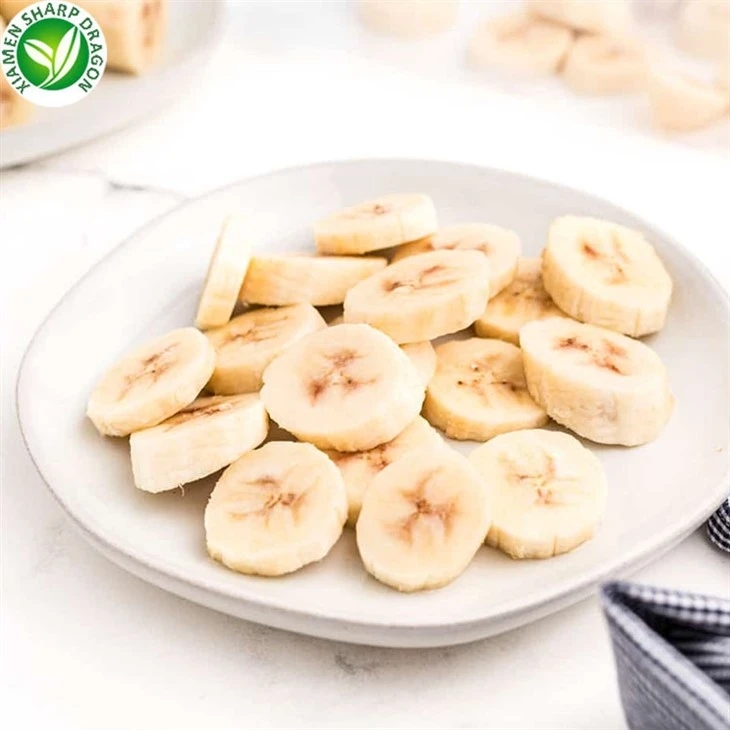
The FDA raw-fruit reference lists one medium banana as a 126-gram edible portion with 110 calories, 30 grams of carbohydrate, 3 grams of dietary fiber, 19 grams of total sugars and 450 milligrams of potassium. NIH's food table gives a similar value of 422 milligrams for one medium banana. The difference is not a contradiction. Food databases, rounding rules and serving definitions vary. For a general calculation, name the source and stay on one basis rather than mixing figures.
Potassium is an essential mineral. It participates in normal cell function, nerve transmission and muscle contraction, including the electrical activity of the heart. This physiological role explains why blood potassium that is much too high or much too low can be dangerous. It does not show that a food containing potassium is poisonous. In healthy physiology, intake, movement between cells and blood, and kidney excretion work together to keep blood levels within a narrow range.
A nutrition value also cannot tell you what your blood potassium is. Hyperkalemia is diagnosed with a blood test, sometimes followed by repeat testing and an electrocardiogram when clinically indicated. A banana label measures food composition; it is not a substitute for those clinical measurements. Conversely, the absence of symptoms cannot prove that a high-risk person's potassium is normal, because hyperkalemia may have few or no symptoms.
Worked example: ordinary portion accounting, not a danger limit. Suppose a smoothie recipe uses four FDA-sized medium bananas. The banana portion is 4 × 126 g = 504 g, and its reference potassium is 4 × 450 mg = 1,800 mg. Divide the recipe into four equal servings and each serving contains the equivalent of one banana, about 126 g of banana and 450 mg of potassium. Divide it into two servings and each contains two banana equivalents, about 252 g and 900 mg of potassium. The calculation helps you state the serving honestly; it does not declare either serving safe for every medical condition or turn 1,800 mg into a toxic threshold.
This is the useful way to handle numbers. Start with edible grams, multiply by a consistent composition value and divide by the real number of servings. Then add the other recipe ingredients. Milk, yogurt, orange juice, protein powders, cocoa, nut butter and potassium-containing additives can change the complete result. If the product is sold, use the finished formulation and an accepted nutrition basis for the destination market rather than copying a raw-fruit number onto the label.

The Exposure Form Changes the Risk Question
Whole bananas, a large blended recipe, a potassium supplement and a potassium-chloride salt substitute are not interchangeable. NIH notes that very high amounts from supplements or salt substitutes can exceed the kidney's capacity to excrete potassium, even in an otherwise healthy person. A whole fruit arrives with water, carbohydrate, fiber and substantial volume. A concentrated powder or salt can deliver potassium in far less volume and may be consumed without the same food cues. Route, concentration and rate matter.
| Exposure | What the number can tell you | Recommended decision |
|---|---|---|
| One measured whole banana | Approximate edible mass and nutrient contribution | Fit it into the full meal and dietary variety |
| Multi-banana smoothie | Total banana equivalents plus other ingredients per serving | Calculate the complete recipe before sizing the serving |
| Supplement or potassium salt | A concentrated amount from a different exposure form | Follow the product directions and medical advice; never convert it into fruit counts |
| Clinician-set renal plan | A personal target based on kidney function, blood results, medicines and total intake | Use that plan instead of general food advice |
Preparation changes a different set of questions. Blending does not create potassium, but it can make several bananas easy to consume quickly and can hide the true serving count. Drying reduces water and concentrates the food per gram. Fried or sweetened banana chips add oil, syrup or sugar and are not equivalent to plain fruit. Freezing does not remove potassium, but a commercial frozen product may use a different serving size, cut and ingredient system. Judge the actual form, weight and formulation.
For blood-pressure questions, resist the opposite mistake of treating more potassium as automatically better. Bananas can contribute to a potassium-rich eating pattern, yet one food does not treat hypertension. Our guide to bananas and blood pressure keeps the nutrient role separate from a medical promise. If a medicine affects potassium excretion, increasing potassium-rich foods without reviewing the plan can be the wrong action even when the general diet message sounds positive.
Who Needs a Different Potassium Decision
Kidney function is the central divider. Healthy kidneys filter potassium and remove excess in urine. Chronic kidney disease can reduce that capacity, particularly as disease advances. NIDDK therefore advises people with CKD to work with a dietitian or health professional to find the right potassium amount. A large serving of a food that is moderate in potassium can contribute more than a small serving of a higher-potassium food, so portion weight and the complete day matter more than a simple allowed-or-banned list.
Medicines can change the decision as well. NIH identifies ACE inhibitors, angiotensin receptor blockers and potassium-sparing diuretics among medicines that can reduce urinary potassium excretion or raise blood potassium. Other conditions, including diabetes, heart failure and adrenal insufficiency, may also affect risk through kidney function, hormones, cell movement or treatment. This does not mean everyone with one of these diagnoses must avoid bananas. It means a general fruit count cannot replace your laboratory results and treatment plan.
Dialysis is another reason not to copy someone else's limit. Potassium management can differ by dialysis type, treatment schedule, residual kidney function, blood results and prescribed diet. If you receive hemodialysis, your plan may limit higher-potassium foods between treatments, while another treatment plan can have different needs. Skipping dialysis can also raise risk. Use the amount supplied by your kidney-care team rather than inferring a threshold from a social-media claim or a healthy friend's diet.
Practical example: a potassium-restricted smoothie. Imagine that your renal dietitian has given you a personal potassium target and the current recipe uses two medium bananas, milk and a reduced-sodium ingredient containing potassium chloride. Counting only the fruit would miss two relevant sources. List every ingredient, weigh the actual serving, calculate the finished recipe from accepted data, and take the full result to the professional who set your target. The correct action may be a smaller serving, a different fruit mix or removal of the potassium-containing additive; it is not a universal ban on bananas.
Safety note: Do not stop a prescribed medicine, skip treatment or change a renal diet from a general food page. If you have kidney disease, previous hyperkalemia, dialysis, a potassium supplement or instructions to limit potassium, ask the clinician or renal dietitian who knows your blood results how banana fits your total plan.
If you do not know whether your kidneys or medicines affect potassium, review the medication and diagnosis with a qualified professional. Do not wait for symptoms to prove there is a problem; hyperkalemia can be silent. At the same time, do not assume that ordinary banana intake has damaged your kidneys merely because bananas contain potassium. The direction of advice must come from clinical evidence, not fear.

Symptoms, Testing and When to Get Urgent Help
High blood potassium may produce few or no symptoms. When symptoms occur, the National Kidney Foundation lists muscle weakness, numbness, tingling, nausea and other nonspecific feelings. A sudden, very high level can cause palpitations, shortness of breath, chest pain, nausea or vomiting, and severe hyperkalemia can lead to dangerous abnormal heart rhythms. These symptoms overlap with many other conditions, so you cannot diagnose hyperkalemia by how you feel or by counting what you ate.
If chest pain, trouble breathing, collapse, severe weakness or a new fast, pounding or irregular heartbeat occurs, seek urgent medical care through your local emergency service. Do not try to correct the problem by eating more or less of a particular food, taking an electrolyte drink, inducing vomiting or waiting for digestion. Blood testing, an electrocardiogram and the medical history help the treating clinician identify the cause and choose safe care.
Milder digestive effects after a large fruit portion are a separate issue. A very large quantity can cause fullness, bloating, nausea, loose stools or vomiting through food volume, carbohydrate, fiber and individual tolerance. Those effects do not prove that blood potassium is high. Allergy is separate again: hives, swelling, wheezing or breathing difficulty after eating can require urgent allergy care. Choking or aspiration is an immediate physical hazard, not a potassium calculation.
For a nonurgent concern, write down the food form, edible amount, time eaten, symptoms, medicines, supplements and relevant diagnoses. That record gives a clinician far more useful information than "I ate several bananas." If you are well and simply want to choose a daily quantity, use a portion-focused resource on how many bananas may be too many in a day, where energy, carbohydrate, fiber, variety and tolerance can be judged without pretending that a fatal boundary exists.

The Banana Radiation Claim Is a Scale Error
Bananas contain potassium, and a very small fraction of natural potassium is the radioactive isotope potassium-40. That statement is true, but the frightening conclusion attached to it is not. The U.S. Environmental Protection Agency estimates that eating one banana gives a radiation dose of about 0.01 millirem, or 0.1 microsievert. EPA says this is a very small amount and that naturally occurring radioactivity in food does not require special action.
EPA provides a scale comparison: roughly 100 bananas correspond to the natural environmental radiation exposure an average person in the United States receives in one day. That comparison describes dose scale; it is not an eating recommendation and it must not be multiplied into a challenge. It also does not mean bananas create a special accumulating radiation burden. The body already contains natural potassium and regulates its amount, so added dietary potassium-40 is handled within that potassium turnover rather than piling up without limit.
Do not confuse natural radioactivity with food irradiation. Food irradiation is a controlled processing method used to reduce microorganisms and pests; it does not make food radioactive. Frozen bananas are not radioactive because they were frozen, and the naturally occurring potassium-40 in a banana is not evidence of contamination. These are three different concepts: natural isotopes in food, an approved processing technique and contamination after a radiological event.
The practical response to a banana-radiation meme is therefore not to calculate a death count. State the authority's measured scale, explain that ordinary food radioactivity is extremely low, and return to the real decision: food portion, medical potassium restrictions and product composition. If an actual radiological event occurs, follow public-health instructions for the affected food and region rather than using a banana comparison.
Whole, Frozen, Blended and Dried Banana Are Different Decisions
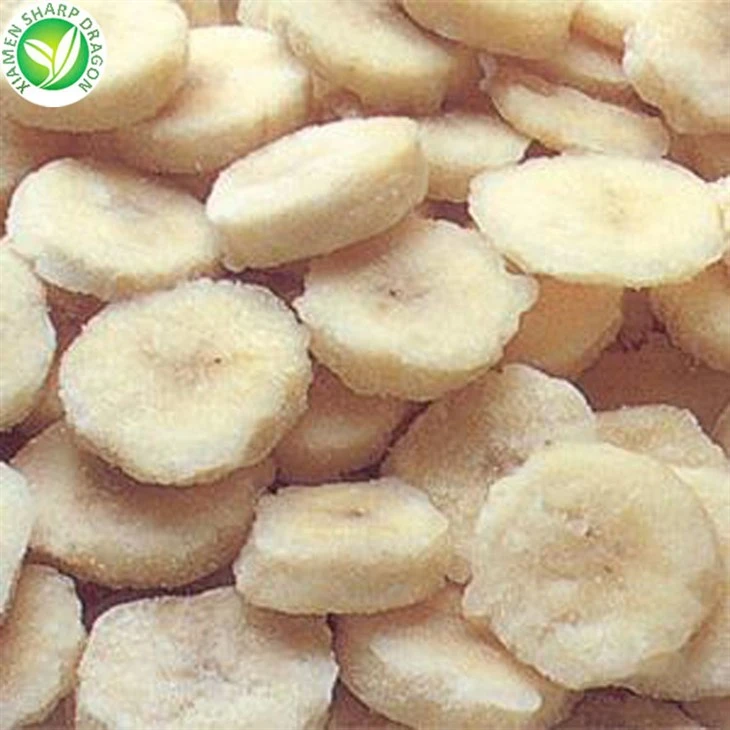
Plain frozen banana remains banana, and freezing does not remove its mineral content. Yet product form changes how accurately you can see and consume the portion. One fresh medium fruit has a familiar unit. IQF slices or chunks are better measured in grams. A smoothie may contain several fruits in one cup, while a dried or fried product delivers less water and may include oil, syrup, sugar or seasoning. Comparing all of them by "one serving" without reading the serving definition creates avoidable error.
For home use, weigh a blended or frozen portion at least once if the number matters to your plan. If 126 grams is the reference medium banana, then a 63-gram frozen portion represents roughly half of that edible mass. Nutrient values for an actual lot and final product can vary with cultivar, ripeness, processing and formulation, so this is portion orientation rather than a laboratory result. A medical potassium plan may require a product-specific value instead of a generic conversion.
For food manufacturing, define the banana component by mass and percentage, not by an imprecise fruit count. Our current IQF frozen banana page shows banana in whole and sliced forms used as ingredients. Choose the form according to blending, inclusion visibility, thawed texture, color and portioning performance. A health-sensitive statement must then be based on the finished serving, not on the visual presence of banana.
Worked example: formulation by edible mass. A hypothetical 2,000-gram smoothie base contains 504 grams of banana, equal to four FDA reference portions. If the batch makes eight 250-gram servings, each serving contains 504 ÷ 8 = 63 grams of banana. Using the FDA reference proportion, banana contributes about 63 ÷ 126 × 450 = 225 milligrams of potassium per serving. This is only the banana contribution. Add the verified values for every other ingredient before preparing the nutrition information or deciding whether any statement is supportable.
The example also shows why "made with four bananas" is poor serving communication. Four sounds large until the batch yield is known; one large cup can contain more than one small cup. Keep the batch record, ingredient weights and serving yield connected. If the portion changes from 250 to 400 grams, recalculate rather than reusing the same number.

How Food Programs Should Communicate Banana Safety
A retail label, foodservice recipe or nutrition page should not turn a sensational question into a made-up safety limit. The first responsibility is serving clarity. State grams per serving, the number of servings in the pack, and whether the food is plain banana or a formulated product. If the pack contains several portions, make that visible. If preparation changes the serving, provide directions that let you reproduce the declared amount.
The second responsibility is evidence control. "Contains potassium" is a composition statement. "Potassium has established roles in normal nerve and muscle function" is a physiological statement. "This product prevents heart rhythm problems" is a disease claim and is not justified by the presence of banana. Use destination-market rules, the finished nutrition analysis and qualified regulatory review for any front-of-pack nutrient or health wording. Do not borrow a raw-banana value when the finished formula has a small banana fraction or added ingredients.
The third responsibility is a clean handoff for higher-risk use. General packaging should not prescribe a renal diet, but it should make the ingredient statement, serving size and nutrition information easy to read. Potassium chloride in a reduced-sodium formula belongs in the ingredient review because it can add meaningful potassium without increasing the banana amount. Our overview of frozen-food packaging options can support the physical pack discussion; the health wording still requires evidence for the finished product and destination.
For foodservice, standardize the scoop or pre-portioned pack against a weighed target. If a drink is described as containing one banana but the kitchen free-pours frozen pieces, daily variation can be large. We would weigh ten normal preparations, compare each result with the declared formula and retrain or change the utensil if variation is unacceptable. Acceptance is the defined gram range per serving, not whether the cup looks full.
For private-label or industrial development, connect the approved formula, ingredient specification, nutrition calculation, label serving and production yield in one revision-controlled set. Risk signals include an unexplained serving change, potassium values copied from an unrelated food form, a reduced-sodium ingredient added after the nutrition calculation, or marketing copy that promises protection from disease. Resolve the gap with the correct specification, formula version, accepted nutrient basis and written approval before printing.
A Safer Decision Path Than Counting Toward Harm
If you are healthy and eating an ordinary portion, there is no evidence-based reason to fear that one or several bananas create a special lethal dose. Choose the portion for your energy needs, carbohydrate plan, digestive tolerance and dietary variety. Eating several fruits is not automatically dangerous, but repeatedly concentrating the day around one fruit can crowd out other foods. Count the actual mass and the whole recipe rather than chasing the largest number that might be survivable.
If you have CKD, dialysis, a previous high-potassium blood result, heart failure, adrenal disease, diabetes with kidney complications or medicines that affect potassium, move from general advice to personal guidance. Bring your ingredient list, measured portions, supplements and salt substitute to the clinician or dietitian. Ask what blood result is being managed, which foods or additives contribute most, how often testing is needed and what symptoms require urgent action. Do not copy another person's renal diet.
If symptoms are severe or sudden, use urgent medical care. If the concern is only a viral claim, check whether it confuses a nutrient goal with toxicity, a concentrated salt with whole fruit, food intake with direct administration, or natural background radiation with a radiological emergency. Any one of those errors is enough to invalidate the dramatic banana count.
If you formulate or serve banana products, define the food form, edible grams, ingredients and number of servings. Calculate the full recipe, check the destination rules and keep health language proportional to the evidence. That process answers the practical question without hiding risk and without inventing a number that no authority recognizes.
XMSD sourcing note: If your frozen banana project needs a defined cut, ingredient statement, pack format or application trial, send us the intended serving and formula. We can discuss the frozen format and commercial specification while your nutrition and regulatory specialists approve any health-sensitive wording.
Final Thoughts from XMSD
There is no credible universal answer to "how many bananas will kill you." The useful answer is a boundary: ordinary food portions are not the same as concentrated potassium exposure, healthy kidneys normally regulate dietary potassium, natural banana radioactivity is extremely small, and certain medical conditions or medicines require an individualized plan. Measure what you eat or formulate, use authoritative composition data on a consistent basis, and seek clinical assessment when symptoms or a known potassium risk makes the question medical.
References
- U.S. Food and Drug Administration: Raw Fruits Poster, accessible text version
- NIH Office of Dietary Supplements: Potassium Fact Sheet for Health Professionals
- National Academies: Potassium Dietary Reference Intakes for Toxicity
- NIDDK: Healthy Eating for Adults with Chronic Kidney Disease
- National Kidney Foundation: High Potassium (Hyperkalemia)
- U.S. Environmental Protection Agency: Natural Radioactivity in Food