


Can You Eat Too Many Bananas a Day? A Practical Daily Check
Jul 15, 2019

Yes, you can eat more bananas in a day than fits your needs, but there is no official number that becomes "too many" for every person. For most healthy adults with normal kidney function, an occasional extra banana is unlikely to create a potassium emergency. The more realistic daily limits are whether the portion exceeds your carbohydrate or energy plan, replaces too much dietary variety, repeatedly causes digestive discomfort, or conflicts with a medical potassium restriction.
A practical planning range often used in current clinician-reviewed consumer guidance is one to two medium bananas a day for a healthy adult. That is not a toxicity threshold or a prescription. Banana size, edible weight, the complete meal, frequency, kidney function, medicines and product form can all change the decision. Count the actual amount and what it replaces before treating a banana number as good or bad.
The short answer: Start with one medium banana as a defined portion. A second may still fit comfortably for many healthy adults, while a larger daily habit deserves a calculation rather than a scare story. Use edible grams, total carbohydrate, the rest of the diet, digestive response and any clinical potassium plan to decide.
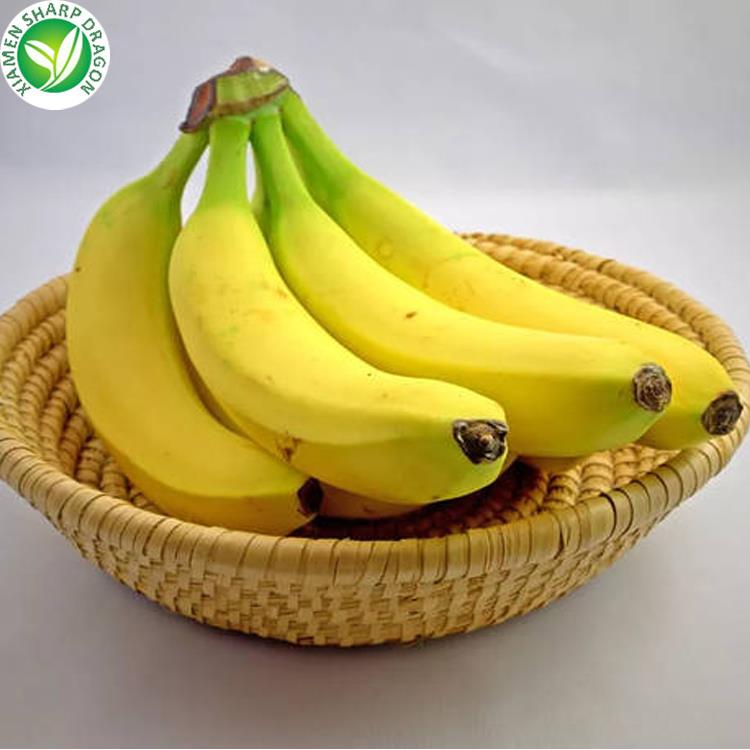
There Is No Universal Banana Maximum
"Too many" can mean four different things. It may mean more carbohydrate than a meal plan allows, more energy than the day needs, so much repetition that other foods are displaced, or a potassium amount that does not fit an individual medical plan. These are different endpoints. None can be determined from a banana count alone.
The U.S. Food and Drug Administration lists one medium raw banana as a 126-gram edible portion with 110 calories, 30 grams of carbohydrate, 3 grams of fiber, 19 grams of total sugars and 450 milligrams of potassium. Those values are a useful reference basis, not a laboratory result for every cultivar, maturity stage or supplied lot. A small banana and a large banana are not interchangeable, and "one banana" is not a reliable unit in a smoothie recipe.
Current consumer-health pages commonly describe one to two bananas per day as moderate for many healthy adults. The careful reading is that this is a practical starting range supported by dietary balance, not an official upper limit. If you want a page devoted specifically to turning body size, activity, meal pattern and fruit variety into a number, use our separate guide to how many bananas may be too much. Here, the decision is whether your present daily pattern has already crossed a useful boundary.
The normal case comes first: one banana in a varied day is not excessive for most healthy people. Two may also fit. Moving beyond that does not automatically create harm, but it increases the importance of measuring the portion and seeing what the bananas add or replace. The evidence does not justify a dramatic rule such as "three is poisonous" or "any number is always safe."

Convert the Count into Edible Weight and Nutrients
A count becomes useful only after you attach a size or weight. The FDA reference makes the arithmetic transparent. Multiply each value for a 126-gram medium banana by the number actually eaten. If the fruit is unusually small or large, weigh the peeled portion and use a reliable per-100-gram database or the applicable product label instead.
| FDA reference amount | Calculated daily total | What the number can tell you |
|---|---|---|
| 1 medium banana: 126 g | 110 kcal; 30 g carbohydrate; 3 g fiber; 450 mg potassium | A defined starting portion, not a recommended maximum |
| 2 medium bananas: 252 g | 220 kcal; 60 g carbohydrate; 6 g fiber; 900 mg potassium | Enough to compare with the complete meal and daily plan |
| 4 medium bananas: 504 g | 440 kcal; 120 g carbohydrate; 12 g fiber; 1,800 mg potassium | A substantial single-food load that needs context, not an automatic toxicity label |
Worked example: four medium bananas in one day. Using the FDA reference, 4 × 126 grams equals 504 grams of edible banana. The same multiplication gives 440 calories, 120 grams of carbohydrate, 12 grams of fiber, 76 grams of total sugars and 1,800 milligrams of potassium. A healthy adult with normal kidneys is not thereby diagnosed with potassium toxicity. The practical question is whether those 440 calories and 120 grams of carbohydrate were planned, whether the bananas replaced other foods, and whether the pattern repeats. If the four were added on top of normal meals every day, reducing the number or substituting some of them for other fruit is a reasonable action. If they were used deliberately during a high-energy day and the whole diet remained varied, the judgment may be different.
For an exact three-banana calculation, the dedicated guide on whether three bananas a day fit keeps that precise-count question separate. The arithmetic here tests a daily pattern; it does not make four bananas a universal border.

What Makes a Daily Pattern Excessive?
The most useful boundary is not "banana number three." It is the first point at which the habit creates a meaningful trade-off. We use four tests: fit, displacement, tolerance and medical context. If none signals a problem, a higher-than-average day is not automatically harmful. If one repeatedly fails, the portion is too large for that situation even when another healthy person tolerates it.
Fit: Count the complete serving. A banana eaten instead of another carbohydrate source has a different effect on the day from a banana added to an already complete meal. If you follow a carbohydrate plan, the American Diabetes Association notes that a small piece of whole fruit or about half a cup of frozen or canned fruit commonly represents about 15 grams of carbohydrate. The FDA medium-banana reference is 30 grams, so the actual size matters. Your individualized plan, medication and glucose response take priority over a general exchange example.
Displacement: Ask what disappears when bananas dominate the day. Bananas contribute carbohydrate, fiber and potassium but very little fat or protein. They do not replace vegetables, protein foods, grains, dairy or fortified alternatives, and they do not provide the range of compounds found across different fruits. A repeated banana-heavy pattern is less useful when it removes variety, even if the banana itself remains wholesome.
Tolerance: A larger portion can expose more fiber and fermentable carbohydrate at once. The National Institute of Diabetes and Digestive and Kidney Diseases notes that some people have more gas symptoms when they consume too much fiber and recommends using a food-and-symptom record to identify repeat triggers. That does not mean bananas always cause bloating, diarrhea or constipation. The meaningful evidence is a repeatable relationship between amount, ripeness, accompanying ingredients and symptoms.
Medical context: A clinician may set a potassium, carbohydrate or energy target that changes the ordinary answer. The target must cover the whole diet, not bananas alone. If kidney function, blood potassium or a medicine affects potassium handling, do not adopt an internet banana count as your limit.
Practical example: added versus substituted. Suppose your usual afternoon snack has 200 calories. Replacing it with one FDA-reference medium banana changes the snack to about 110 calories and 30 grams of carbohydrate. Adding two medium bananas without removing the original snack adds about 220 calories and 60 grams of carbohydrate. The fruit is the same, but the energy and carbohydrate accounting are not. Decide whether the bananas replace something or merely accumulate on top of the existing day.
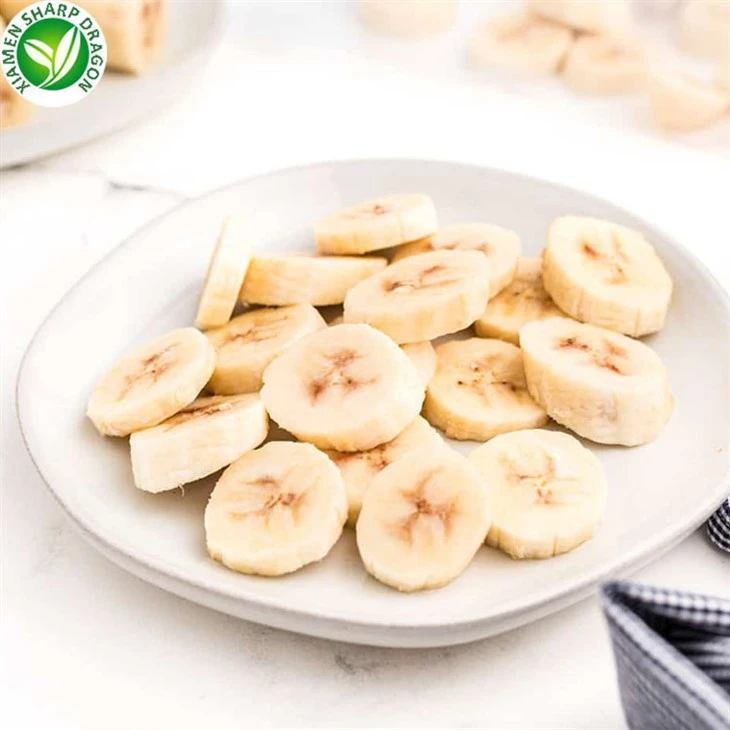
One Large Day Is Different from a Repeated Habit
Frequency changes the judgment. Eating an unusual number once because several ripe bananas needed using is not the same as building every breakfast, snack and smoothie around banana for months. A one-off day is mainly a tolerance and total-intake question. A repeated habit also raises variety, energy balance and medical-plan questions.
If you feel well after a one-off larger portion and you have no condition that changes potassium handling, there is usually no reason to "detox," skip meals or take a supplement. Return to a normal varied pattern, drink according to thirst and account for the food as part of the day. Do not try to cancel potassium with an unverified remedy.
For a repeated habit, look at a seven-day record rather than one memorable day. Record banana form, edible grams, the meal, what the portion replaced and any symptoms. If bananas appear several times daily while other fruits or food groups disappear, the pattern is telling you more than the count. Reduce the repetition first; there is no need to declare the fruit forbidden.
Athletic activity can alter energy and carbohydrate needs, but it does not turn bananas into a complete recovery plan. A person training for hours may intentionally use more carbohydrate than someone with a sedentary day. Both still need sufficient fluid, protein, fat and dietary variety. Use the demands of the full day rather than copying another person's banana routine.
Potassium Is Not a Reason to Fear Ordinary Portions
Potassium is an essential mineral involved in normal cell function, nerve transmission and muscle contraction. Bananas are one source among many. The National Institutes of Health states that high dietary potassium does not pose a health risk to healthy people with normal kidney function because the kidneys eliminate excess amounts in urine. The evidence was insufficient to set a tolerable upper intake level for dietary potassium in that population.
This corrects the most common alarmist claim. Four medium bananas calculate to 1,800 milligrams of potassium using the FDA reference, but that number is neither a serum potassium result nor proof of hyperkalemia. Blood potassium is regulated by more than the potassium content of one food. A banana count cannot diagnose an electrolyte problem.
The exception is important. NIH identifies chronic kidney disease and medicines that reduce potassium excretion, including ACE inhibitors, angiotensin receptor blockers and potassium-sparing diuretics, as situations in which dietary potassium can contribute to hyperkalemia. NIDDK likewise explains that chronic kidney disease can make it harder to remove potassium and that the appropriate amount must be set with a dietitian or health professional using kidney function, medicines and blood results.
Medical caution: If you have chronic kidney disease, high blood potassium, dialysis treatment or a medicine-related potassium restriction, use your personal plan rather than the one-to-two planning range. Do not change a prescribed medicine because of a food page. New muscle weakness, palpitations, faintness or another concerning symptom needs prompt medical assessment.
Our separate guide to symptoms and banana risk modifiers explains why digestive discomfort, allergy and possible electrolyte symptoms require different actions. That separation matters: discomfort after a large smoothie is not proof of hyperkalemia, while serious symptoms should not be dismissed as ordinary overeating.

Whole, Frozen, Blended and Sweetened Forms Are Not Equal
Plain frozen banana remains banana, but the way you portion and consume it changes. A whole fresh fruit has a natural unit and takes time to peel and eat. Frozen slices can be poured directly into a blender, and puree can be dispensed quickly by weight. These formats make preparation easier, yet they can hide how much fruit entered one serving.
Freezing also changes physical performance. Ice crystals disrupt fruit tissue, so thawed banana becomes softer and may release liquid. That behavior is useful in smoothies, dairy bases, sauces and bakery mixes but less suitable when a firm fresh-looking slice is expected. Texture change does not make the fruit nutritionally dangerous, and frost is not a measure of portion size.
Prepared products require a complete label check. The FDA distinguishes naturally occurring sugars in fruit from added sugars used during processing. A plain banana portion and a sweetened smoothie base may have the same fruit name while differing in added sugar, total serving weight, energy and other ingredients. Read the ingredient list, serving size, servings consumed, total carbohydrate and added sugars rather than assuming every banana product behaves like one whole fruit.
Blending does not erase calories or carbohydrate. It can, however, make a large amount easier to consume quickly and allow juice, sweetened yogurt, syrup, nut butter or other ingredients to enter unnoticed. A 200-gram banana input is not "one banana" simply because it fits in one cup. Weigh the banana before blending and calculate the finished recipe.
For a plain commercial format, our IQF frozen banana product page shows whole and cut forms that can be specified by weight. The product decision remains separate from personal nutrition advice: the agreed cut and pack improve repeatable dosing, while the recipe and label determine the finished serving.

Use a Four-Step Daily Check
A reliable answer can be produced in four steps. The order matters because counting without defining the portion creates false precision.
- Define the form and amount. Record whole, sliced, frozen, puree or prepared product, then measure edible grams or use the labeled serving. Do not count peel weight or assume every fruit is medium.
- Calculate the complete intake. Add calories, carbohydrate, fiber, total sugars, added sugars where present and potassium from every serving. Include the other smoothie or dessert ingredients.
- Test fit, displacement and tolerance. Ask what the bananas replaced, whether other foods disappeared and whether a repeatable symptom follows the same portion and form.
- Apply the health boundary. Use an individualized kidney, potassium or carbohydrate plan when one exists. Otherwise, adjust the portion enough to restore variety and comfort rather than inventing a medical restriction.
Allergy sits outside this dose test. Mouth itching, hives or swelling after a small banana portion can be an immune reaction, not evidence that the portion was simply too large. MedlinePlus identifies banana among foods linked with latex-fruit syndrome. The NHS distinguishes food allergy from intolerance and advises emergency action for sudden throat or tongue swelling, breathing difficulty, collapse or other signs of a serious reaction. Stop exposure and seek the appropriate care; do not test a larger or smaller portion on your own after a concerning reaction.
If your only signal is mild fullness after one large smoothie, inspect the portion, drinking speed and every ingredient before removing banana from the diet. If symptoms recur at ordinary portions, change suddenly, affect daily life or occur with pain, persistent diarrhea, vomiting or unintended weight loss, professional assessment is more useful than further online counting.
For Commercial Servings, Control Grams and the Finished Recipe
A foodservice operator or prepared-food developer cannot build a repeatable serving around "one banana." Whole fruit varies in edible weight and maturity; frozen slices vary in piece size, frost, breakage and scoop density; puree is easier to meter but can hide concentration. Define banana input in grams per finished serving, then calculate the entire recipe rather than marketing the fruit as automatically light or healthy.
Worked formulation example: A hypothetical smoothie uses 200 grams of plain banana. Applying the FDA 126-gram reference gives a factor of 200 ÷ 126 = 1.587. The banana portion therefore calculates to about 175 calories, 47.6 grams of carbohydrate, 4.8 grams of fiber, 30.2 grams of total sugars and 714 milligrams of potassium before milk, juice, yogurt, nut butter or sweetener is added. If the intended banana contribution is closer to 30 grams of carbohydrate, the starting banana weight is about 126 grams, not 200 grams. This is an illustrative calculation from a raw-banana reference; the finished product needs its actual formulation and compliant nutrition calculation.
For a smoothie bar, portion accuracy depends on how the product is dispensed. A marked scoop may vary when slices bridge or when frost changes bulk density. A weighed dose is more repeatable. Run the same thaw or frozen-use method during sample approval, record the scale tolerance and compare several servings rather than one ideal scoop. Accept the format when the portion stays within the recipe tolerance and sensory performance remains suitable for the intended drink.
For retail or private label, the pack front cannot substitute for the Nutrition Facts panel and ingredient list. Define the serving in a household measure and grams, make the number of servings clear, and separate total sugars from added sugars. If one pouch is likely to be consumed at once, assess the full pouch as well as the regulatory serving presentation. The risk signal is a pack that looks single-serve while the nutrient calculation quietly assumes several servings.
For ingredient procurement, acceptance must protect the recipe basis. State whole, slice or dice; target piece size; maturity and color; sensory requirements; pack weight; storage condition; and the application test. A sample that blends well at 100 grams cannot prove performance at 200 grams. Our foodservice and catering framework provides the channel context, while your written recipe and acceptance method decide the serving.

The Practical Answer
You can eat too many bananas for your day, but there is no single count that proves excess for everyone. One to two medium bananas is a reasonable non-clinical planning range for many healthy adults. More is not automatically dangerous, and less is not automatically appropriate. The useful boundary appears when the measured portion exceeds your plan, displaces variety, repeatedly causes discomfort or conflicts with a medical restriction.
Use edible grams and complete-recipe totals. Treat a one-off larger day differently from a repeated habit. Keep ordinary food potassium separate from individualized kidney risk, and keep allergy separate from dose-related digestive discomfort. For frozen, blended or prepared banana, read the form, ingredients and serving basis before comparing it with a whole fruit.
Planning a frozen-banana serving? Send XMSD the application, cut, target grams per serving, pack format, destination and required quality evidence. We can review the product specification and sample priorities without turning a product choice into a medical claim.
References
- U.S. Food and Drug Administration: Raw Fruits Poster, banana edible-weight nutrition reference
- NIH Office of Dietary Supplements: Potassium Fact Sheet for Health Professionals
- NIDDK: Healthy Eating for Adults with Chronic Kidney Disease
- NIDDK: Eating, Diet, and Nutrition for Gas in the Digestive Tract
- American Diabetes Association: Fruit and carbohydrate planning
- U.S. Food and Drug Administration: Added Sugars on the Nutrition Facts Label
- MedlinePlus: Managing Latex Allergies at Home
- NHS: Food Allergy Symptoms and Emergency Action
- Healthline: How Many Bananas Should You Eat per Day?
- Acibadem Hospitals Group: How Many Bananas Can You Eat a Day?