


How Many Bananas a Day Is Too Much? A Practical Guide
Oct 16, 2019

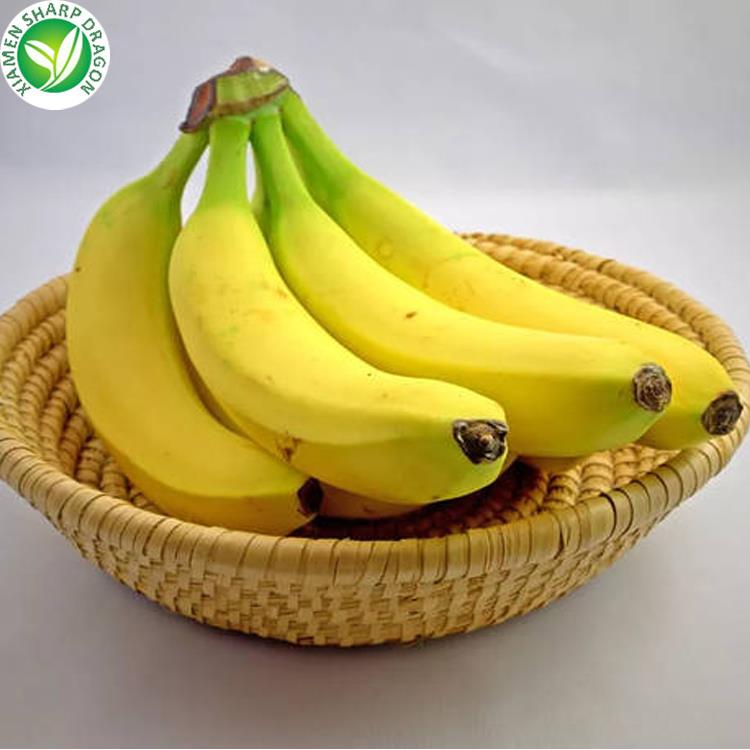
There is no official universal ceiling stated as a number of bananas per day. One medium banana is an ordinary fruit serving for many adults, and two can fit some diets. Three or more are not automatically toxic, but the amount deserves a meal-level check because fruit variety, energy, carbohydrate, potassium and digestive tolerance add up.
Count edible weight rather than fruit units. USDA reference data use about 118 g for one medium banana; a very small and an extra-large fruit are not the same exposure. Then ask what the additional bananas replace. Swapping a pastry for one banana is a different decision from adding three bananas to an unchanged day.
People with kidney disease, a prescribed potassium restriction, diabetes meal targets, an allergy or repeated digestive symptoms may need an individual amount. Banana chips, sweetened puree and a large multi-ingredient smoothie also cannot inherit a whole-fruit count.
Practical threshold: move from "How many?" to "How many edible grams, within which meal and medical plan?" Repeatedly eating several bananas becomes too much when it crowds out variety, exceeds the person's nutrient plan or produces symptoms.
Use Three Budgets Instead of One Ceiling
The variety budget asks whether bananas have displaced other fruits, vegetables, protein foods, grains or dairy alternatives that supply different nutrients and textures. USDA MyPlate fruit guidance is expressed in cup-equivalents and varies with age, sex and activity; it does not recommend obtaining the entire fruit pattern from one species.
The meal budget asks what else is consumed. A banana beside eggs and oats has a different carbohydrate and energy context from three bananas blended with juice, honey and sweetened yogurt. Count the complete recipe rather than attributing the finished result to the visible fruit.
The personal budget includes a clinician-set potassium or carbohydrate target, medicine plan, allergy history and digestive tolerance. This budget overrides a generic internet range. A person on a renal diet may be asked to limit or exchange high-potassium foods even when another adult can eat them routinely.
All three budgets can be acceptable at one banana and strained at three, but the exact point differs. That is why a rigid "never more than two" rule is less useful than a transparent check.
Fruit Count Hides Size Variation
USDA legacy data list raw banana per 100 g with about 89 kcal, 22.84 g carbohydrate, 2.6 g fiber and 358 mg potassium. These are reference values, not a specification for every fruit. Cultivar, ripeness and analytical sample influence composition.
Using the 118 g medium-fruit reference, one fruit is about 105 kcal and 26.95 g carbohydrate. An extra-large 152 g fruit would be about 135 kcal and 34.72 g carbohydrate on the same basis. Calling both "one banana" masks a roughly 29% mass difference.
A kitchen scale is most useful when the amount is uncertain, the fruit is used in a formula or a medical plan requires counting. Weigh the edible portion after peel removal. For frozen slices, weigh the product as specified-normally as sold or under the recipe's thaw/drain method.
The recurring-benefit question belongs in the daily banana benefits guide. This page only sets the point at which amount and context need closer review.

Worked Example: What Three Medium Bananas Add
Worked example: three medium bananas at 118 g edible each equal 354 g fruit.
Energy = 354 × 89 ÷ 100 = about 315 kcal.
Carbohydrate = 354 × 22.84 ÷ 100 = about 80.9 g.
Fiber = 354 × 2.6 ÷ 100 = about 9.2 g.
Potassium = 354 × 358 ÷ 100 = about 1,267 mg.
Those totals are not a toxicity threshold. They are a transparent way to see the scale. The person should compare them with the complete day and any prescribed limits rather than treating "three" as a special biological number.
If three bananas replace a dessert, snack and part of a breakfast, the net change may be modest. If they are added to the same meals, the day gains the full amount. For weight-related decisions, substitution matters more than fruit reputation.
Five Signals That the Pattern Needs Adjustment
First, the extra bananas repeatedly replace variety. A day with several bananas and no other fruit or vegetable is not improved by arguing that bananas contain useful nutrients. Rotate color, texture and species across the week.
Second, the amount is routinely unmeasured inside beverages. A café cup can contain several fruits plus juice, syrup and dairy. If you are making the drink at home, weigh each ingredient once and calculate the complete recipe before treating it as "one banana."
Third, the pattern produces repeatable discomfort. Fullness, cramps, gas or loose stool after a large portion is a reason to reduce the exposure and assess the complete meal. Severe or persistent symptoms belong with a clinician, not a self-imposed banana test.
Fourth, the amount conflicts with a written medical plan. A prescribed potassium or carbohydrate target is more specific than a general fruit guide. Bring the edible grams, preparation and frequency to the dietitian or clinician so an exchange can be calculated accurately.
Fifth, the purchase format makes uncontrolled grazing easy. A large open bag of chips or sweetened pieces is not equivalent to peeling one whole fruit. Portion the product before eating and put the bulk pack away.
Judge the Whole Meal, Not a Single Nutrient
Potassium is often the reason banana limits attract dramatic headlines. NIH notes that potassium is essential and that healthy kidneys excrete excess amounts, while kidney disease and some medicines can alter the risk. This makes health status the key variable, not fear of an ordinary serving.
Carbohydrate is another meal-level variable. Combining several bananas with sweetened liquid produces a different exposure from eating one whole fruit alongside protein and an unsweetened grain. The latter also preserves chewing and makes the portion visible.
Energy matters when the bananas are additions. The 315 kcal in the three-medium-fruit example may fit a long training day, but it can be an unplanned surplus in another schedule. No food independently creates or prevents weight gain; repeated energy balance and substitution determine the trend.
Use a simple seven-day review if the habit is uncertain. Record banana grams, form, meal, replacement, hunger and symptoms. A week shows repetition and displacement better than one unusual day.
Ripeness Changes Use More Than the Count
As bananas ripen, starch is converted into sugars and the fruit becomes softer and sweeter. The total edible mass still matters, while texture and sweetness can change eating speed and recipe behavior. A ripe banana may disperse through a smoothie; a firmer slice may remain distinct.
Ripeness does not turn a normal portion into a poison. It can change post-meal glucose response and application, so people using a carbohydrate plan should keep preparation and portion consistent enough to evaluate.
Banana chips create a larger change. Frying or drying removes water and may add oil or sugar, producing a concentrated snack that cannot use a fresh-fruit count. Sweetened puree, bakery filling and beverage bases require their own label and serving calculation.
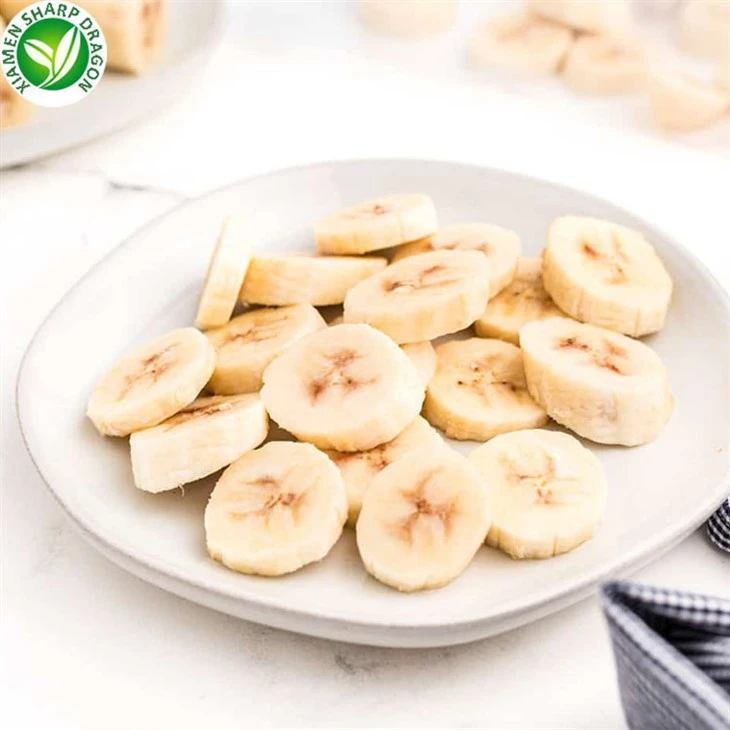
For plain frozen fruit, ask whether the pack is single-ingredient and how the recipe handles thaw liquid. The IQF frozen banana range is a form choice, not a medical portion instruction.
Representative Scenario 1: A Three-Banana Workday
Representative scenario: this is not a named customer case. Practical example: an office worker moves from one banana at breakfast to three through the day. The decision function is diet balance and tolerance, not product purchasing.
The first banana replaced a pastry. The second was added to lunch, and the third replaced no food. The worker records edible size, the rest of the fruit and vegetable pattern, hunger, gastrointestinal comfort and whether the extra fruit consistently displaces protein or other foods.
If variety remains strong, energy fits the goal and no symptoms occur, three may be acceptable for this adult. If the additional fruit creates persistent bloating, conflicts with a prescribed carbohydrate plan or crowds out a balanced lunch, the useful action is to reduce or redistribute it.
The answer comes from the pattern, not a dramatic potassium warning. For specific concerns, the banana potassium and blood-pressure guide separates nutrient presence from treatment claims.
Representative Scenario 2: A Smoothie Bar Serving
Representative scenario: this is not a named customer case. Example: a smoothie bar writes "one banana" into a recipe but purchases loose frozen slices. The decision function is serving and cost consistency.
A test shows that staff scoops range from 82 g to 137 g. The bar chooses a 100 g target with an acceptable operational tolerance, weighs several service scoops, and changes the utensil or training until the process is stable.
A 6 kg inner pack theoretically provides 6,000 ÷ 100 = 60 servings before ordinary process loss. If the observed average is 112 g, it yields only about 53.6 servings. The variance affects nutrition estimates, cost and customer experience even though the recipe still says "banana."
The result is a gram-based formula and a documented scoop check. Foodservice buyers can connect this control with the foodservice supply overview.

Write a Serving Specification That Operators Can Follow
State the target in grams and whether it is frozen-as-sold, thawed or drained. Name the acceptable cut and whether fines count toward the serving. A recipe that says "six pieces" will drift when slice thickness changes.
Choose the control point. Pre-portioned inner bags give tight mass control but add packing and handling cost. A calibrated scoop is faster but needs routine weight verification. A scale at service is accurate but may slow a busy line. The best method is the one the operation can maintain.
Define frequency and response. For example, weigh the first three portions after opening and one portion at the middle and end of the pack. If results move outside the chosen tolerance, hold service long enough to correct the utensil, clumping or staff method.
Keep nutrition communication attached to the controlled portion. A menu estimate based on 100 g is unreliable if actual servings average 125 g. The variance can also change pack yield and ordering.
Pack Size Can Create or Prevent Over-Portioning
A large inner pack reduces packaging per kilogram but stays open longer and may be handled repeatedly. Smaller inners can match a service interval, limit thaw exposure and make theoretical yield easier to reconcile. The trade-off belongs in the cost model.
Calculate expected servings per inner, then compare with actual depletion. If a 2 kg bag at 100 g per serving is expected to give 20 portions but routinely gives 17, the 15% shortfall is an operational signal. Check residual product, spill, clumping and scoop size before blaming supplier net weight.
Label the opened pack with time and product identity according to the food-safety plan. Do not merge partial bags from different lots into an untraceable container. Portion control and traceability should reinforce each other.
These commercial controls do not tell a consumer how many bananas to eat. They ensure that a declared recipe is actually served at its stated mass.
XMSD Experience 1: Portion Starts with the Product Definition
In our XMSD experience, a useful banana portion request includes maturity, cut, ingredient declaration and target grams. "One scoop" is not a supply specification. Thick rounds, irregular chunks and whole peeled fruit fill a utensil differently.
We ask the buyer which application sets the target. Smoothies tolerate more broken pieces than a visible bowl topping, but small fragments can pack more densely and alter the portion. The sample must be evaluated with the actual service method.
Maturity affects color, softness and sweetness perception. We align the quoted product and sample with the buyer's range instead of assuming a nutrition number solves the sensory requirement.
This is a commercial portion judgment. Any clinical banana limit remains with the person's qualified care team.
XMSD Experience 2: Open-Pack Behavior Changes the Real Dose
A separate XMSD lesson is that portion consistency can fail after the carton passes incoming inspection. Clumped slices, partial thawing, scoop compression and repeated opening can make an operator take more or less than the target.
We recommend observing a complete service interval: pack opening, separation, weighing, return to frozen control and final residue. Record the first, middle and last portions rather than checking one ideal scoop from a new bag.
The team can then change inner-pack size, utensil, pre-portion method or work instruction. Carton condition and cold-chain records remain important, but they do not replace the on-line portion check.
If fruit becomes extensively thawed or abused, food safety and quality disposition take priority over serving recovery. The concern is explained in what can actually be bad about bananas.

When the General Range No Longer Applies
Kidney function and certain medicines can change potassium handling. NIH ODS advises that people with chronic kidney disease or those using some medicines may need professional guidance. Do not increase banana intake to pursue a blood-pressure effect without considering the full treatment plan.
Diabetes planning uses carbohydrate in the portion and complete meal. An insulin dose should never be calculated from this article. Allergy symptoms require avoidance and clinical assessment; breathing or airway symptoms require emergency action.
Persistent pain, repeated vomiting, severe diarrhea or an unexplained change deserves medical assessment. Mild fullness after a very large smoothie may be a portion signal, but it cannot diagnose the cause.
For most people without these constraints, the action is simple: return to a portion that preserves variety and comfort rather than searching for a universal forbidden count.

Final Amount Decision
One medium banana is an ordinary starting portion for many adults. Two may fit. Three or more require no panic, but they deserve a check against edible mass, dietary variety, the rest of the meal and personal limits.
Weigh the amount once, identify what it replaces and keep the product form consistent. If the pattern produces symptoms or conflicts with a clinical plan, reduce it and obtain individual advice.
For commercial service, control grams at the point of use. A purchase specification and a serving instruction must work together.
Document the decision in a form that can be repeated. For a household, that may be a one-week food note. For foodservice, it is a controlled recipe, target weight, pack yield and verification record. "Two bananas" is not reproducible when fruit size, cut or scoop behavior changes.
Revisit the amount when activity, appetite, medical status, recipe or product form changes. A limit is useful only while its assumptions remain true. This makes the answer less dramatic than a forbidden number, but much safer and more practical.
If you need one simple default, start with one ordinary fruit portion, keep the rest of the diet varied and add more only for a clear reason. Measure before arguing about the number.
That record also makes professional advice faster: the clinician, dietitian or buyer sees grams, food form and frequency instead of an uncertain fruit count. It preserves the assumptions behind the decision and provides a clean basis for later adjustment.
Send XMSD the application, target grams, cut, maturity, inner-pack and serving method. We will review the sample and supply-side variables that affect repeatability.

References
- U.S. Department of Agriculture, Agricultural Research Service. National Nutrient Database, fruits report, release 28. Banana composition and household-size references.
- U.S. Department of Agriculture. MyPlate fruit group. Fruit-pattern and cup-equivalent guidance.
- National Institutes of Health, Office of Dietary Supplements. Potassium fact sheet for consumers. Food sources and medical considerations.
- National Institute of Diabetes and Digestive and Kidney Diseases. Eating right for chronic kidney disease. Individualized potassium and diet planning.