


Is It OK to Eat Broccoli Every Day? A Repeat-Meal Check
Oct 15, 2019

For most healthy adults, a familiar serving of broccoli can fit on consecutive days. Frequency alone is a poor test, though. The better questions are how large the serving is, what else appears across the week, how the broccoli is prepared, whether digestion remains comfortable, and whether a medicine or prescribed eating plan requires steadier control.
Eating broccoli daily is also different from building every vegetable choice around broccoli. It belongs to the dark-green vegetable subgroup, while red and orange vegetables, beans, peas, lentils, starchy vegetables, and other vegetables bring different foods and eating experiences. A repeated broccoli side can be useful; a narrow menu that crowds out all other produce is a weaker pattern.
This article provides a practical repeat-meal check. It separates a household habit from a foodservice program and treats tolerance, medication consistency, cooking method, portion memory, menu fatigue, and product specification as distinct decisions. For the broader nutrient picture, see the separate XMSD guide to the benefits of broccoli in a finished meal.
Short answer: Daily broccoli can be reasonable when the portion is moderate, other vegetables still rotate through the menu, the preparation remains acceptable, and the eater feels well. People using warfarin or a similar vitamin K antagonist should keep vitamin K intake steady with clinical guidance rather than suddenly adding or removing large broccoli portions.

"Every Day" Needs Five Separate Checks
A yes-or-no answer hides the variables that make repetition work. One person may eat a small cooked side at dinner and rotate several vegetables at lunch. Another may blend a large raw portion into breakfast, order broccoli soup at lunch, and serve it again at dinner. Both can say "every day," yet their total quantity, texture, recipe, and digestive load are very different.
Start with portion reality. Identify the grams that reach the plate and whether they are raw, cooked, frozen issue weight, or part of a mixed dish. A cup measure is useful at home, but the same cup may hold very different masses of large florets, small cuts, compact cooked pieces, or broccoli under sauce. The XMSD article on calibrating a broccoli amount per day addresses that portion question in detail.
Next, look beyond the broccoli. Record the other vegetables, fruit, grains, protein foods, and dairy or fortified alternatives in the ordinary pattern. Repetition becomes a problem when it replaces useful variety, not merely because the calendar changes from one day to the next. A recurring favorite can coexist with a broad diet if the rest of the menu still moves.
| Daily-use check | Useful question | A workable sign | Reason to adjust |
|---|---|---|---|
| Amount | How many cooked or raw grams are actually eaten? | A repeatable moderate portion | Serving size keeps climbing unnoticed |
| Variety | Which other vegetable groups appear this week? | Several colors, textures, and plant families | Broccoli displaces nearly every alternative |
| Tolerance | What happens after the meal and the next morning? | Comfortable digestion and normal appetite | Repeated painful bloating or bowel change |
| Preparation | What comes with the broccoli? | Cooking and seasoning fit the meal | Heavy coating dominates every serving |
| Clinical fit | Is there a medicine or prescribed restriction? | The routine matches professional advice | A sudden change affects a managed condition |

Repetition and Variety Can Coexist
USDA MyPlate groups vegetables into dark-green, red and orange, beans, peas and lentils, starchy, and other vegetables. Broccoli counts as dark green. That classification makes weekly planning easier: keep a broccoli slot if it helps the household eat vegetables, while deliberately giving other subgroups their own slots.
Variety is not achieved by changing only the garnish. A broccoli-cheddar soup, broccoli in cream sauce, and a cheese-topped broccoli bake may look like three dishes while repeating much of the same eating profile. Genuine rotation can change the main vegetable, cooking route, texture, seasoning, meal position, and companion foods. Those changes reduce monotony and widen what the menu provides.
Some people use daily repetition because it makes shopping and cooking manageable. That is a legitimate practical benefit. The goal is then to design variation around a stable anchor: broccoli at four dinners, perhaps, with carrots, tomatoes, beans, squash, cabbage, mushrooms, or leafy greens elsewhere. The exact pattern depends on culture, availability, preferences, budget, and any dietary advice.
Representative Scenario 1 - deciding whether a household habit is balanced
Worked example: One adult currently serves 95 g cooked broccoli at seven dinners, or 665 g across the week. A seven-day log shows no red or orange vegetable at dinner and only one legume meal. The person likes broccoli and has no symptoms, so there is no need to treat the food as forbidden. The issue is the narrow dinner rotation.
The revised plan keeps 95 g broccoli on four evenings, totaling 380 g. Three dinner slots move to roasted carrot and pepper, lentils with tomato, and squash with mushrooms. Broccoli still appears often enough to simplify buying, while the other 285 g of the former broccoli allocation becomes different vegetable foods. The decision function is personal pattern breadth, not the commercial yield of a broccoli pack.
After two weeks, the household checks three things: whether the added dishes were eaten, whether the shopping plan remained manageable, and whether any digestive change followed the new pattern. If broccoli is the only accepted option on a difficult day, serving it again is more useful than leaving the plate empty. Rotation is a planning tool, not a punishment for consistency.
From our XMSD meal-use experience: the same broccoli specification can feel entirely different after steaming, roasting, stir-frying, soup cooking, or hot holding. We examine crown firmness, stem tenderness, surface moisture, sulfur aroma, color, seasoning pickup, and the time between cooking and eating. When a frequent menu becomes tiring, the first useful change may be the cook route or piece size rather than removing broccoli altogether.
Use Symptoms as a Signal, Not a Broccoli Myth
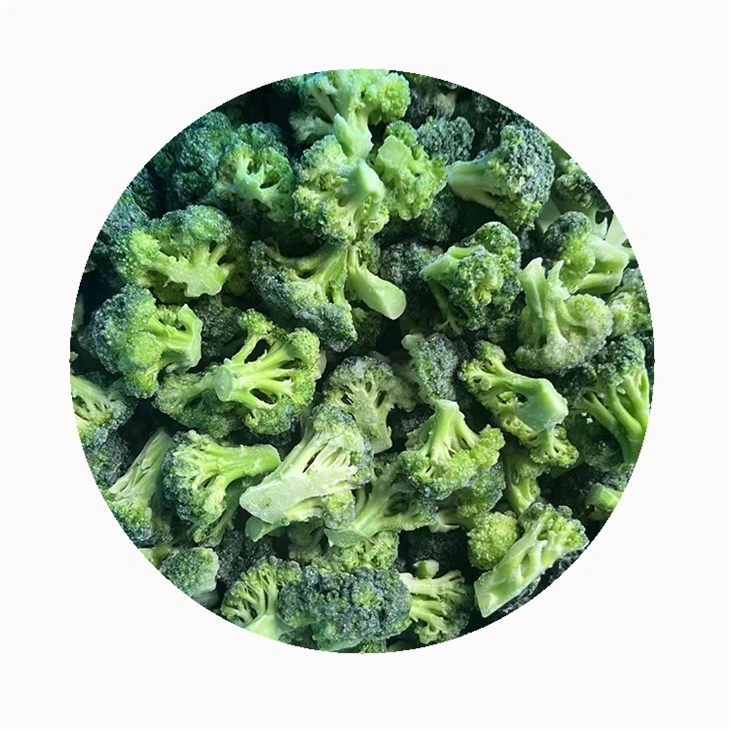
Broccoli is cruciferous and contains carbohydrates that intestinal bacteria can ferment. The National Institute of Diabetes and Digestive and Kidney Diseases lists cruciferous vegetables among foods that may increase gas for some people. Response varies widely. One eater may handle a generous cooked side comfortably, while another notices pressure after a smaller raw portion.
A frequency change is most informative when other variables stay visible. Record the broccoli mass, raw or cooked state, meal time, other fermentable foods, fizzy drinks, eating speed, and symptoms. If the serving jumped from occasional to large and daily, reduce the amount and increase more gradually. Smaller meals, slower eating, and a suitable cooked texture may help some people.
Avoid blaming broccoli for every uncomfortable day. Beans, certain fruit, dairy for people with lactose intolerance, sugar alcohols, high-fat meals, swallowing air, and medical conditions can produce overlapping complaints. A short food-and-symptom diary creates a clearer discussion with a clinician or registered dietitian than a broad rule copied from someone else.
Preparation can change comfort without turning one format into a universal cure. Cooked florets are softer than raw stalk pieces. A blended soup reduces particle size but may contain cream, onion, or other ingredients relevant to symptoms. Large portions eaten quickly can feel different from the same weekly amount divided across several meals. Test one major change at a time.
Tolerance boundary: Mild gas after a recent increase may call for a smaller portion and a slower progression. Persistent pain, repeated vomiting, blood in stool, facial swelling, trouble breathing, dehydration, unexplained weight loss, or symptoms that interrupt normal life deserve prompt professional assessment.
Vitamin K Makes Consistency More Important for Some People
Broccoli is among common dietary sources of vitamin K. The nutrient participates in proteins involved in normal blood clotting and bone metabolism. For a healthy person eating a varied diet, this is part of broccoli's ordinary food value. It is not a reason to fear a normal vegetable serving.
Warfarin and related vitamin K antagonists create a specific exception. The NIH Office of Dietary Supplements advises people using these medicines to maintain consistent vitamin K intake because sudden changes can alter the anticoagulant effect. The practical message is steadiness. Removing all green vegetables one week and adding a large daily broccoli bowl the next creates the kind of swing to avoid.
Anyone taking such a medicine should discuss the usual food pattern with the prescribing team. A clinician can interpret the medicine dose, monitoring results, other foods, supplements, and changes together. The person should not guess a safe broccoli gram limit from a general article. Different anticoagulants also work differently, so medication identity matters.
Consistency includes form and frequency. If broccoli appears in a regular meal service, portion tools and piece distribution should keep the plated amount within a sensible range. "One scoop" is weak control when large florets create a 45 g portion one day and small compact cuts create 100 g the next. Periodic weighing turns a visual routine into a measurable one.

Change the Cooking Pattern Before Menu Fatigue Wins
A daily vegetable must remain edible and appealing. Overcooked broccoli can become soft, dull, watery, or strongly aromatic. Undercooked thick stems can be tough beside tender crowns. Frozen florets placed into an overcrowded pan may cool the surface and release water before browning. These are application failures, not proof that frequent broccoli is inherently poor.
Rotate cooking methods within the equipment limits: quick steam with a measured endpoint, high-heat roast in a shallow layer, stir-fry with controlled load, soup added late enough to protect shape, or a tray meal designed around the product's blanch state. The XMSD guide to the best route for cooking frozen broccoli compares practical endpoints.
Seasoning can also rotate, but count the whole dish. Cheese sauce, butter, frying batter, sweet glaze, and salty seasoning belong in the meal assessment. Daily broccoli under a heavy coating is not nutritionally identical to plain steamed broccoli, and plain broccoli is not automatically the only acceptable route. The complete serving and the person's needs decide.
Use leftovers as feedback. Separate unwanted thick stems, soft crowns, fines, and untouched full portions when practical. A high return of one piece type points toward the cut specification or cook. A whole side left repeatedly may point toward frequency, temperature, seasoning, portion size, menu pairing, or service timing.
Representative Scenario 2 - protecting acceptance in a five-day meal program
Practical example: A workplace kitchen serves 480 lunches per day and initially schedules 68 g cooked broccoli for five consecutive days. Weekly cooked need is 480 × 5 × 68 g = 163.2 kg. Its repeat trials return 0.88 kg usable cooked broccoli per kilogram issued, so the baseline frozen requirement is 163.2 ÷ 0.88 = 185.45 kg, before the kitchen applies its approved contingency.
Plate checks show broccoli returns rising from 4% on Monday to 9% on Wednesday and 18% on Friday. The kitchen then trials broccoli on Monday, Wednesday, and Friday, with carrots and beans on the other days. It changes the broccoli endpoint across those three services-roasted, stir-fried, then added to a curry late-while keeping the 68 g cooked target.
Across the three broccoli days, average returns fall to 6%. Planned cooked broccoli becomes 480 × 3 × 68 g = 97.92 kg, and the same measured yield gives 111.27 kg frozen issue. The other two vegetable sides receive separate purchase and acceptance calculations. The decision function is repeat-menu acceptance and weekly procurement allocation, unlike Scenario 1's household variety choice.
From our XMSD repeat-service experience: we review several bags and follow pieces from frozen issue through the final holding interval. We compare floret range, stem share, fines, ice, blanch state, cooked recovery, pan position, portion spread, color, firmness, and returned food. A specification that looks consistent in one bag can still create uneven servings or fatigue when the program repeats it across many days.

Frozen Broccoli Can Make a Routine Easier to Control
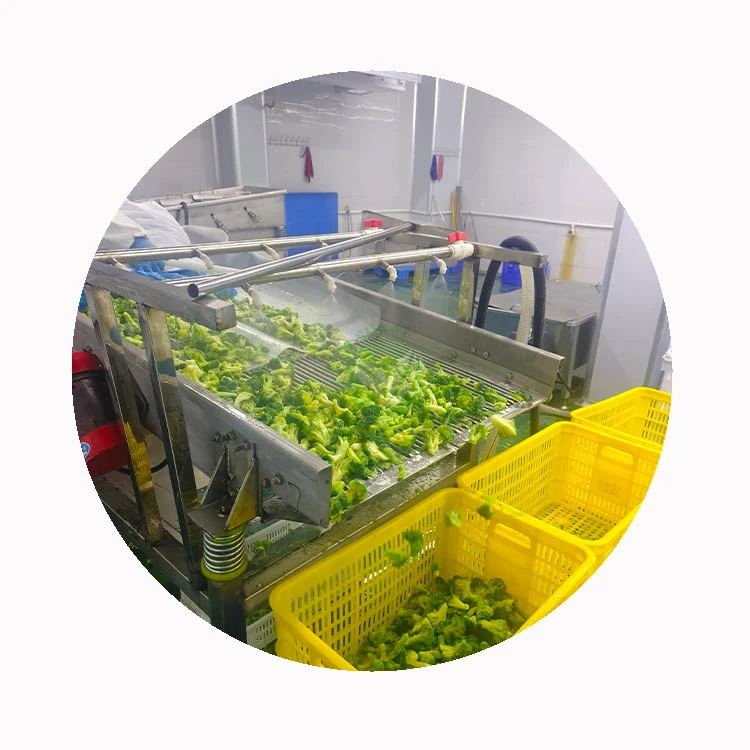
Frozen broccoli can support frequent use because the kitchen can issue a defined weight directly from frozen storage and avoid day-to-day fresh trimming. Plain IQF pieces also separate well enough for partial-bag use when handled correctly. That convenience helps a household or caterer repeat a measured portion without buying a fresh head for every meal.
Repeatability still depends on the style. Large florets, medium florets, cuts, stems, and mixtures occupy different scoop volumes and cook at different rates. Bud fragments can collect at the bottom of a bag. Surface frost and temperature abuse may affect handling. Review the actual XMSD frozen broccoli range by application, not by the product name alone.
Keep the cold chain intact and close a partly used bag against moisture and odor pickup. Avoid leaving the product to thaw repeatedly while portions are removed. Cook from the declared state, use a timer or temperature endpoint suited to the dish, and record the load. The same minutes in a small pan and a crowded kettle will not produce the same texture.
Fresh broccoli remains useful when a kitchen values custom cutting, raw application, tender stem utilization, or a particular fresh bite. A daily routine may even alternate forms. The practical comparison covers usable yield, labor, storage, cooking, waste, piece identity, and acceptance. "Fresh" and "frozen" are starting states, not final judgments.
Run a Fourteen-Day Habit Check
Two weeks is long enough to reveal a pattern without pretending to diagnose a condition. Before starting, write the reason for daily broccoli: convenience, vegetable intake, preference, meal prep, budget, or a professional menu requirement. Pick one serving basis and use it consistently. If the broccoli sits inside a mixed dish, estimate its component weight rather than recording the total bowl.
Log cooking method, added ingredients, time eaten, appetite before the meal, comfort afterward, bowel change, and leftovers. Add a simple acceptance score from one to five. For a family or foodservice site, collect each diner's response separately where possible; an average can hide one group that likes the dish and another that routinely leaves it.
At day seven, make no automatic change. First look for a repeated relationship. If discomfort appears only with a large raw lunch but not with a smaller cooked dinner, frequency may be less important than form and amount. If acceptance drops after the third consecutive identical preparation, rotation may solve the problem. If the pattern stays comfortable and varied, daily use may remain practical.
At day fourteen, decide among four actions: keep the routine, reduce portion, reduce frequency, or change format. A person using a managed diet or interacting medicine should make that decision with the relevant professional. Keep any successful details-piece size, cooking endpoint, seasoning, and portion-so the next purchase can reproduce the result.
When Daily Broccoli Is the Wrong Priority
Stop treating frequency as a goal when the eater dislikes the food, repeatedly feels unwell, or starts avoiding meals. Vegetable intake achieved through several accepted foods is more useful than forcing one "healthy" item. Children, older adults, and people needing texture modification may require a different cut, softer endpoint, purée, or another vegetable entirely.
A prescribed kidney, gastrointestinal, low-fiber, post-surgical, allergy, or swallowing plan can set limits beyond a general food guide. Follow the plan's exact instructions and ask about broccoli's portion and preparation. The presence of broccoli on a general healthy-food list never overrules individual clinical care.
Food safety remains separate from frequency. Inspect fresh broccoli for decay, objectionable odor, severe damage, or contamination. Keep frozen packs at the required temperature, protect opened product, use hygienic equipment, and cook or serve according to the intended use. A food is not safer merely because someone has eaten it many times before.
Finally, avoid promises that daily broccoli will detoxify the body, prevent cancer, fix immunity, or guarantee weight loss. It is a vegetable with useful nutrients and meal functions. Health outcomes arise from far more than one repeated side, and any product statement must match the finished food, market rules, and substantiation available.

Specify the Routine You Actually Need
For a household, define the serving, number of broccoli meals, cooking methods, other vegetable slots, and acceptable preparation time. Write these limits beside the shopping list so convenience never quietly turns four planned portions into an unlimited daily bowl. For a commercial program, add meals per day, cooked gram target, issue basis, floret range, permitted stem share, yield, equipment load, hold time, portion tolerance, return threshold, pack size, and order frequency.
Trial the candidate product under the repeated schedule rather than in one ideal tasting. A Monday result may be excellent while Friday diners reject the identical format. Evaluate the first and last bag, beginning and end of service, and early and late days in the cycle. That observation separates a stable product issue from a menu-design problem.
Keep one change per trial where feasible. If cut size, cooking method, sauce, portion, and companion dish all change together, the new plate may improve but the reason remains unclear. A simple comparison-same broccoli with a shorter hold, or the same cook with a medium floret-creates knowledge the kitchen can reuse.
Repeat-menu brief: Share the dish, weekly frequency, frozen issue and cooked serving targets, cut or floret range, equipment, hold time, pack format, destination market, expected volume, and acceptance threshold through the XMSD inquiry page. We can compare a broccoli specification against the routine in which it will be cooked and served.
Final Answer
It can be OK to eat broccoli every day. A sensible routine uses a moderate known portion, leaves room for other vegetable groups, varies preparation enough to remain appealing, and responds to the eater's actual comfort. Daily repetition is neither a special health requirement nor an automatic problem.
The important exceptions are personal. Keep vitamin K intake consistent under guidance when using warfarin or a related antagonist, follow prescribed diet limits, and seek help for serious or persistent symptoms. In meal programs, measure yield and plate returns across repeated services. The best schedule is the one that delivers an accepted vegetable portion without narrowing the wider diet.
References
- Current Dietary Guidelines for Americans, 2025–2030
- USDA MyPlate Vegetable Group
- NIDDK Eating, Diet, and Nutrition for Gas in the Digestive Tract
- NIH Office of Dietary Supplements Vitamin K Fact Sheet for Health Professionals
- XMSD practical experience with frozen broccoli cut size, stem distribution, blanch state, cook recovery, holding, portion spread, packing, repeated service, and application acceptance.