


Is Too Much Banana Bad? What to Do After Eating a Lot
Jul 16, 2019

A one-time large banana portion can leave you uncomfortably full, bloated, gassy, nauseated or sluggish, especially when it is eaten quickly or blended into a large drink. For a healthy adult with normal kidney function, those short-term digestive effects are generally more plausible than sudden potassium poisoning from ordinary food. There is no official banana count that defines a toxic dose, so use the actual edible amount, timing, product form and symptom pattern instead of an internet number.
Start by separating mild discomfort from warning signs. Mild fullness after a very large serving should begin to ease over the next several hours. Stop adding more food, stay upright if you have reflux, take small sips according to thirst, and choose gentle movement only if you feel steady. Hives, lip or throat swelling, breathing difficulty, faintness, chest symptoms, sudden severe abdominal pain or rapidly worsening weakness need urgent medical assessment. Known kidney disease, high blood potassium or a potassium-altering medicine also lowers the threshold for calling your care team.
The short answer: Too much banana at one sitting is usually a portion-and-tolerance problem, not a banana-specific emergency. Observe what happens over the next few hours, but do not wait on serious allergy, breathing, chest or severe pain symptoms. If discomfort fails to improve, persists into the next day, recurs after small banana portions or comes with repeated vomiting, contact a qualified healthcare professional.

What Might You Feel in the Next Few Hours?
The most useful expectation is ordinary overeating discomfort. Cleveland Clinic lists bloating, gas, nausea, stomach pain, heartburn, acid reflux and sluggishness among symptoms that can follow overeating. It also notes that this discomfort should start to improve after a few hours. That time frame is a general clinical description of overeating, not a promise that every symptom after banana will resolve on schedule.
Amount and pace change the experience. Four medium bananas eaten across a day do not create the same stomach volume at one moment as four eaten rapidly. A smoothie can deliver the fruit faster and may include juice, milk, yogurt, sweetener, protein powder or nut butter. Those ingredients can contribute to fullness, reflux, nausea or an allergic reaction. Record the finished drink, not just the visible banana.
Fiber is another dose variable. The National Institute of Diabetes and Digestive and Kidney Diseases explains in its IBS guidance that adding too much fiber at once can cause gas and that increasing fiber gradually by 2 to 3 grams per day may reduce gas and bloating. This does not establish that banana always causes gas or diarrhea. It shows why a sudden fiber increase is a reasonable part of the reconstruction, particularly if you normally eat little fiber or have a diagnosed digestive condition.
Do not treat every bowel change as proof that banana was "too much." Diarrhea, constipation, abdominal pain and nausea have many possible causes, including the rest of the meal, infection, intolerance, medication and an unrelated illness. One event gives you a timing clue, not a diagnosis. The practical test is improvement, recurrence and severity: note whether a smaller plain portion on another day causes the same pattern, but do not deliberately rechallenge a suspected allergy.
| Observed pattern | What it may mean | Proportionate action |
|---|---|---|
| Fullness, gas or mild nausea after a large fast serving | Food volume, pace, fiber or the complete recipe may contribute | Stop eating more, observe for improvement and document the amount |
| Hives, mouth swelling, wheeze or faintness soon after eating | Possible food allergy; the amount does not measure severity | Follow the allergy action plan and seek emergency help for severe signs |
| Pain, vomiting or bloating that persists or worsens | Banana may not be the cause; another condition needs consideration | Contact a healthcare professional rather than continuing home tests |

Put the One-Time Portion into Measurable Terms
A piece count becomes useful only after you define size. The U.S. Food and Drug Administration raw-fruit reference uses one medium banana with 126 grams of edible portion. Its rounded figures are 110 calories, 30 grams of total carbohydrate, 3 grams of dietary fiber, 19 grams of total sugars, 1 gram of protein, 450 milligrams of potassium and 0 milligrams of sodium. These are reference values for raw edible fruit, not laboratory results for every variety or lot.
Worked example: four medium bananas within 30 minutes. The edible amount is 4 × 126 = 504 grams. Using the FDA reference, that one-time intake contains about 4 × 110 = 440 calories, 4 × 30 = 120 grams of carbohydrate, 4 × 3 = 12 grams of fiber, 4 × 19 = 76 grams of total sugars and 4 × 450 = 1,800 milligrams of potassium. If the bananas were blended with 250 milliliters of milk and sweetener, those ingredients must be added from their labels. The result identifies a large food load; it does not define potassium poisoning.
Use the calculation to answer practical questions. A 504-gram fruit load can explain why your stomach feels very full. The 120 grams of carbohydrate matters if you use a measured carbohydrate plan, while the 1,800 milligrams of potassium matters more when a clinician has prescribed a potassium limit. None of these figures proves the cause of dizziness, pain, palpitations or vomiting. Symptoms with several possible causes need clinical assessment when severe or persistent.
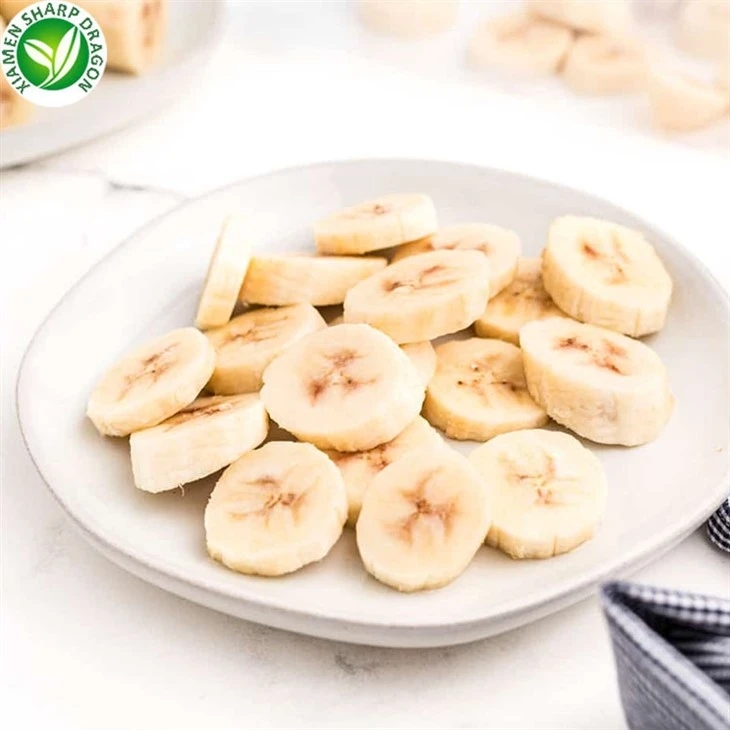
Weigh peeled fruit when the bananas are unusually small or large. For cut or frozen fruit, weigh the portion directly because slice count changes with thickness and broken pieces. For a packaged smoothie or dessert, start with the serving size and servings per container. FDA explains that serving size reflects what people typically consume and is not a recommendation; if you consume two label servings, multiply every listed nutrient by two.

Observe the Sequence, Not Just the Symptom Name
Timing helps you decide which risk deserves attention. Food allergy symptoms often begin within minutes to two hours after the triggering food, according to Mayo Clinic. Possible signs include hives, itching, lip, face, tongue or throat swelling, wheezing, trouble breathing, vomiting, dizziness and fainting. A true banana allergy can react to a small amount, so eating "too much" is the wrong explanation when an immune reaction is suspected.
Mild fullness or gassiness beginning after a visibly large serving fits an overeating pattern more closely, especially when no skin, mouth or breathing symptoms occur. It should trend toward improvement, not steadily worsen. Record the first symptom time, the time the banana was finished, other ingredients and what happens over the next several hours. A clock cannot diagnose the cause, but it prevents vague recall later.
Reflux deserves its own clue. If you are susceptible, a very full stomach and lying down soon after a large intake may worsen reflux symptoms. NIDDK notes that eating at least three hours before lying down or going to bed may improve nighttime or lying-down GERD symptoms. That is GERD guidance, not a banana-specific waiting rule. If reflux is your only mild symptom, remain upright and observe; recurring reflux needs a broader clinical review.
Persistence changes the judgment. Cleveland Clinic says general overeating discomfort should start improving after a few hours and that symptoms lasting more than a day may not be related to overeating. MedlinePlus advises contacting a professional when abdominal pain does not improve within 24 to 48 hours, becomes more severe and frequent with nausea or vomiting, or bloating persists for more than two days. These are escalation guides, not targets that require you to wait when symptoms are severe.
Practical example: a time pattern changes the action. You finish a hypothetical large banana shake at 2:00 p.m. At 2:30 p.m. you feel full and mildly gassy, with no rash, swelling, breathing problem, severe pain or vomiting. The portion and timing support observation, and improvement over the next several hours is reassuring. If lip swelling and wheezing appear at 2:15 p.m., do not wait to see if digestion settles; follow emergency allergy guidance.
What to Do Now: A Short-Term Decision Sequence
Use an ordered response because severity must be checked before comfort measures. The goal is not to "cancel" the bananas. It is to identify urgent symptoms, avoid adding another uncertain variable and capture enough detail to judge whether the event is resolving.
- Stop the exposure and quantify it. Do not eat more banana while symptoms are being assessed. Record count, peeled grams if known, finished recipe, time, ripeness, package and other ingredients.
- Screen for urgent signs. Breathing difficulty, throat or tongue swelling, fainting, chest pain, sudden sharp abdominal pain, blood in vomit or stool, a rigid tender abdomen, severe weakness or a rapidly worsening reaction need urgent help.
- Use low-risk comfort measures for mild symptoms. Stop eating past fullness, take small sips according to thirst, remain upright if reflux is present and consider gentle walking only when you feel stable. Do not exercise hard to compensate.
- Recheck the trend after several hours. Improving fullness supports continued observation. Worsening pain, repeated vomiting, inability to keep liquids down or new allergy signs change the action to medical assessment.
- Apply your medical plan. If you have CKD, a potassium restriction, high blood potassium, diabetes instructions or an allergy plan, use that plan and contact the relevant care professional. Do not stop medicine independently.
- Return to normal eating without punishment. When hunger returns and no warning signs exist, resume an ordinary varied pattern. Do not fast, overexercise or take an unprescribed supplement to offset one large serving.
Avoid diagnosing yourself from potassium symptoms. Fatigue, nausea, tingling, weakness and a sense of an irregular heartbeat can occur for many reasons. A blood test and clinical context establish hyperkalemia. If you have a serious symptom, the correct response is assessment, not calculating how many milligrams of potassium might still be in your stomach.
Safety note: Food allergy can progress quickly. If banana is followed by throat tightness, breathing trouble, fainting, severe dizziness or rapid swelling, use your prescribed emergency plan if you have one and contact local emergency services. Do not wait for a two-hour observation window to finish.
When Potassium or Carbohydrate Changes the Threshold
Potassium is essential for nerve and muscle function, including normal heart function. NIH Office of Dietary Supplements states that potassium from food and beverages has not been shown to harm healthy people with normal kidney function because excess potassium is eliminated in urine. That evidence supports a calm response to an accidental large banana serving in a healthy adult; it does not justify limitless intake or erase individual medical risk.
Chronic kidney disease and certain medicines change potassium handling. NIH identifies ACE inhibitors, angiotensin receptor blockers and potassium-sparing diuretics among medicines that can raise potassium, particularly when kidney problems exist. High blood potassium can also occur with some other medical conditions. If any of these applies to you, call the care team with the actual amount and time eaten. Do not copy a healthy adult's observation plan or change a prescribed medicine.
Carbohydrate planning is a separate issue. The American Diabetes Association notes that fruit contains carbohydrate and belongs in the meal calculation. Four FDA-reference bananas provide about 120 grams of carbohydrate before a smoothie's other ingredients. If you monitor glucose or use glucose-lowering medicine, follow your own monitoring and treatment instructions. Feeling tired after a large sweet drink does not by itself prove a glucose spike or drop.
For broad questions about recurring symptoms, kidney-related risk and longer-term imbalance, use the guide to whether too many bananas can be bad for you. If the concern is a repeated daily habit rather than a single event, the guide to eating too many bananas in a day uses a whole-day framework. A single-episode decision should stay focused on onset, severity and improvement.

Reconstruct the Food Form Before Blaming Banana
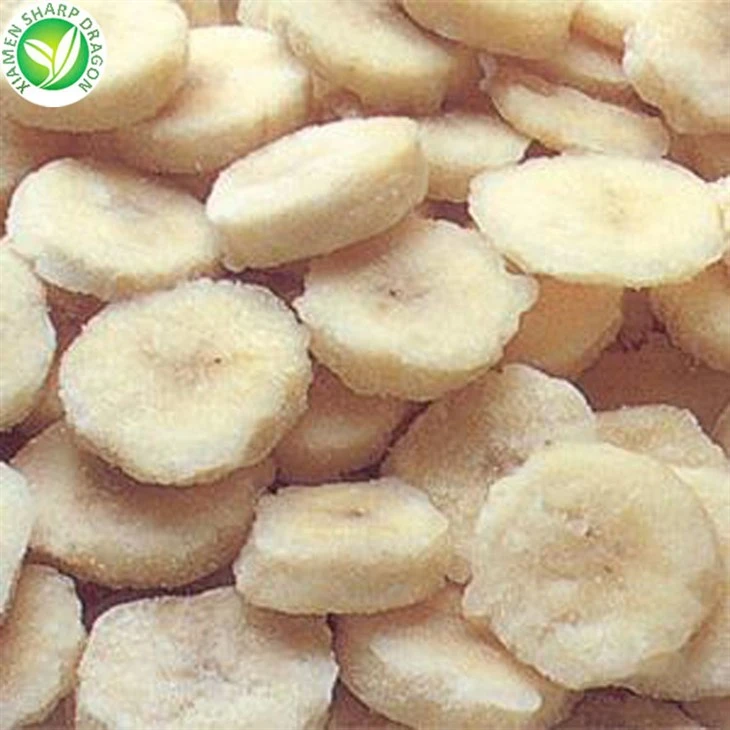
Plain fresh and plain frozen banana start with the same ingredient, but the eating event can differ. Frozen slices are easy to scoop into a blender without seeing how many whole bananas they represent. Blending preserves the fruit's carbohydrate and energy while making the portion faster to consume. A smoothie may also be colder, larger in liquid volume and combined with ingredients that affect tolerance.
If symptoms follow a prepared drink, list every component: banana grams, milk or plant beverage, yogurt, juice, syrup, nut butter, protein powder, sweetener and topping. Check each package for serving size and allergen information. Banana may be the most visible ingredient while milk, nuts or another component is the actual trigger. A recipe record keeps the investigation open to the evidence.
Dried or fried banana is not a simple substitute for an equal volume of fresh fruit. Water removal concentrates food into a smaller volume; frying can add oil; sweetened products can add sugars. Use the Nutrition Facts label for the exact product and multiply it by servings consumed. Do not apply the FDA raw-banana values to banana chips, coated pieces, bakery desserts or sweetened purée.
Ripeness and cut affect sensory experience and portioning, but they do not turn a normal banana into a toxin. A very ripe banana is softer and sweeter tasting; a frozen piece becomes softer after thawing. If one form repeatedly causes symptoms while another does not, record that pattern for a clinician or dietitian. Do not use an at-home challenge when allergy is suspected.
XMSD sourcing note: For commercial recipes, our IQF frozen banana formats illustrate why whole peeled fruit and slices need separate portion standards. If you run a beverage or catering operation, the foodservice supply framework and frozen packaging controls provide the application and pack questions to settle before service.

If a Foodservice Guest Says the Serving Was Too Much
A report of fullness or nausea after a banana drink should trigger two separate tracks. First, direct the guest to appropriate medical support and follow your emergency and allergy procedures; do not diagnose them. Second, preserve the commercial evidence needed to reconstruct the serving: order time, recipe version, dispenser or scoop, banana lot, actual input, other ingredients, allergen request, holding conditions and complaints from the same service period.
The phrase "one scoop" is weak evidence. We recommend a gram target per finished serving plus a defined scoop or portion bag that is checked against a scale. If frozen pieces clump, the scoop can carry more fruit than intended. If your staff estimate by handful, different cut thickness creates different weights. The acceptance method should compare several consecutive portions, not one carefully prepared demonstration.
Worked example: an oversized smoothie batch. A hypothetical recipe requires 100 grams of frozen banana in each of 50 drinks, so target banana input is 50 × 100 = 5,000 grams, or 5 kilograms. A portion audit finds an average actual scoop of 145 grams. Actual input is 50 × 145 = 7,250 grams, or 7.25 kilograms. The batch used 2.25 kilograms more banana than specified, a 45% over-portion. Recalibrate the scoop or use preweighed packs, retrain the service method and recalculate the finished nutrition from the approved 100-gram formula.
A portion deviation can explain a larger food load, but it still does not prove the cause of a medical symptom. Keep medical and product conclusions separate. If several complaints cluster around one lot, preserve sealed samples and packaging, document temperature and carton condition, and follow the established complaint process. If only one recipe station over-portioned while comparable servings produced no complaint, fix the portioning failure without making an unsupported lot claim.
For receiving and quality review, check product identity, lot code, pack integrity, temperature evidence, clumping, excessive ice, color, odor after controlled thawing and the approved cut distribution. Visual defects and serving excess are different failure modes. A metal detector or other equipment image cannot prove a particular lot passed; the relevant evidence is the lot-linked record, sampling plan and agreed specification.
The Short-Term Judgment
If you ate a large amount of banana once and now feel mildly full, gassy or nauseated, stop eating more, record the amount and ingredients, and watch for improvement over the next several hours. A measured 504-gram example containing four medium bananas is a large one-time fruit load, but it is not an established toxicity threshold. Improvement supports a simple portion explanation; persistence, recurrence after small amounts or worsening symptoms calls for assessment.
Do not let the banana count delay emergency action. Swelling, breathing difficulty, fainting, chest pain, sudden severe abdominal pain, blood in vomit or stool, a rigid abdomen or a rapidly worsening reaction need urgent help. If any of these applies to you-CKD, high blood potassium, a relevant medicine, diabetes instructions or a known allergy-use the plan created for you and contact the care professional who knows your results.
For a frozen-banana recipe, send XMSD the application, grams per serving, required cut, maturity target, pack format, quantity and destination. We will review the specification and sample priorities without turning ingredient information into a medical claim.
References
- U.S. Food and Drug Administration - Raw Fruits Poster: Text Version
- Cleveland Clinic - Overeating: Causes, Symptoms and What to Do
- NIDDK - Eating, Diet and Nutrition for Irritable Bowel Syndrome
- NIDDK - Eating, Diet and Nutrition for GER and GERD
- NIH Office of Dietary Supplements - Potassium Fact Sheet for Consumers
- Mayo Clinic - Food Allergy: Symptoms and Causes
- MedlinePlus Medical Encyclopedia - Abdominal Pain
- American Diabetes Association - Best Fruit Choices for Diabetes
- U.S. Food and Drug Administration - Serving Size on the Nutrition Facts Label