


Is Fig Sap Poisonous to Humans? Skin, Eye, and Food Exposure
Sep 11, 2019

Calling fig sap simply "poisonous" is too blunt, but calling it harmless is wrong. Milky sap from Ficus carica stems and leaves can irritate skin. When sap-contaminated skin is later exposed to ultraviolet A light, plant chemicals can cause phytophotodermatitis-a painful phototoxic reaction with redness, burning, blisters, and later pigmentation. Eye exposure needs immediate irrigation.
If sap touches skin, remove contaminated clothing, rinse with plenty of running water, and protect the area from sunlight. If it enters an eye, remove contact lenses and irrigate continuously with room-temperature water for at least 15–20 minutes, then contact a poison center or urgent medical service. Severe pain, blistering, eye symptoms, breathing difficulty, swelling, or significant ingestion needs prompt professional help.
The short answer: Fig sap is an irritant and phototoxic exposure hazard, especially on skin followed by sun and in the eyes. Do not apply it as a home remedy or test it on skin. Ripe edible fig flesh is a different exposure from pruning sap, although allergy and maturity still matter.
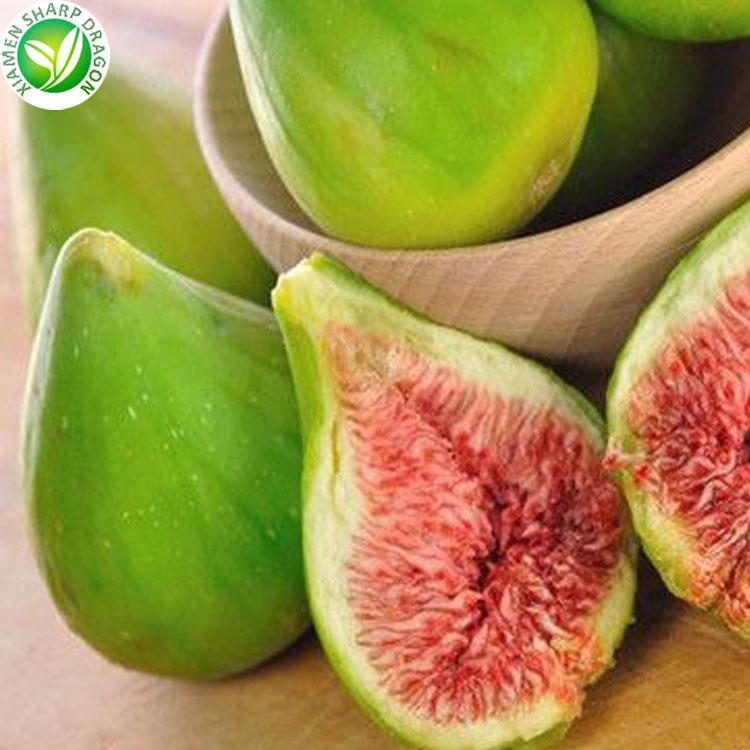
Why "Poison" Is the Wrong Single Category
Risk changes with route. A splash in the eye is not the same as a drop on intact skin, a large pruning exposure, or a small amount of latex at a fruit stem. Skin exposure followed by sun adds ultraviolet activation. Ingestion introduces dose and aspiration questions. Allergy is an immune reaction and is not the same mechanism as phototoxic dermatitis.
The word "poison" can cause two errors. One person may dismiss all ripe figs as dangerous; another may assume sap is safe because the fruit is edible. The accurate statement is narrower: edible ripe Ficus carica fruit is food, while fresh plant latex can irritate and can become phototoxic on sun-exposed skin.
Severity also varies. Amount, exposed body area, duration before washing, skin condition, eye involvement, sunlight intensity and timing, age, and individual sensitivity affect the response. A small exposure without symptoms still deserves washing and sun protection; a large exposure or eye splash deserves more urgent professional guidance.
Route example: Worker A gets one drop on a gloved hand and removes the glove without skin contact. Worker B has sap sprayed across bare forearms, then works in strong sun. Worker C rubs a contaminated eye. The plant is the same, but control and urgency differ: safe glove removal, skin decontamination and UV protection, and immediate prolonged eye irrigation plus expert help.

Where Fig Sap Exposure Happens
Milky latex can emerge when leaves, stems, branches, or immature fruit are cut or broken. Pruning, harvesting, mowing around trees, processing stem-heavy fruit, and cleaning equipment can transfer sap to hands, arms, clothing, tools, and eyes. Large plant-maintenance exposures are different from ordinary contact with a ripe retail fig.
Sap can be hard to notice after it dries, yet phototoxic chemicals may remain on skin or contaminated fabric. Gloves that leak or are removed incorrectly can transfer it. Touching the face with contaminated hands raises eye and mouth exposure risk. Plan handwashing and glove removal before pruning starts.
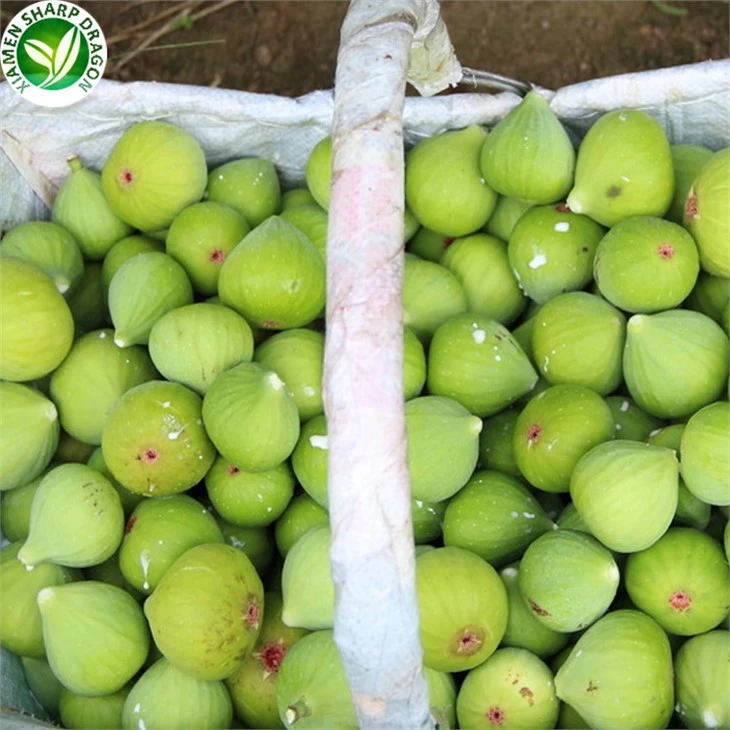
Immature fruit may release more noticeable latex and may not meet food quality. Do not use sap quantity alone to identify cultivar or prove safety, but include stem latex within a maturity and handling assessment. A commercial specification can limit immature fruit and define stem trimming without promising zero sap at every cut.
Deliberate application is avoidable exposure. Traditional uses of fig latex for warts or other skin conditions do not establish safe home dosing. Concentration, skin area, sunlight, and diagnosis are uncontrolled. Do not place sap on skin, mucosa, wounds, or an eye.
How Fig Sap and Sun Cause a Skin Reaction
DermNet describes phytophotodermatitis as a phototoxic reaction after photosensitizing plant chemicals contact skin and are then activated by ultraviolet A radiation. It is a direct toxic effect rather than an immune allergy. Fig sap, not the ordinary fruit flesh, is listed as a trigger.
The rash can appear after a delay, often 24–48 hours after ultraviolet exposure. Redness, burning, pain, linear or drip-shaped marks, swelling, and blisters can occur. The pattern may look like a strange sunburn or splash. Pigmentation can remain after acute inflammation settles.
Because light is a required part of the phototoxic mechanism, promptly covering washed skin and avoiding further ultraviolet exposure are rational first actions. Cloud cover and windows do not justify deliberate exposure; UVA can still be relevant. Follow medical advice for the duration of photoprotection when a reaction develops.
Timing example: A gardener prunes from 08:00 to 09:00, notices sap on both forearms, and continues outdoors until 13:00. Burning and streaked redness appear the next day. The delayed onset does not exclude the exposure. Record contact time, washing, sun duration, symptoms, photographs, and any treatment for clinical review.

First Actions after Skin Contact
Move away from the plant and sunlight. Remove contaminated gloves, clothing, watches, and jewelry without spreading sap to clean skin. Poison Help advises rinsing skin exposed to a suspected poison with running water for 15–20 minutes. Use plenty of water; do not scrub aggressively or apply another chemical to neutralize the sap.
Protect the washed area from sunlight and ultraviolet exposure. Change into clean clothing. Keep contaminated clothing and tools from touching others until safely washed. If a large body area is affected, if a child is exposed, or if decontamination was delayed, contact a local poison center or medical service for individualized guidance.
Do not intentionally burst blisters. Severe pain, large or facial blisters, extensive swelling, signs of infection, fever, or worsening symptoms need clinical assessment. A clinician can distinguish phototoxic injury from allergic contact dermatitis, infection, thermal burn, or another condition and recommend treatment.
In the United States, Poison Help can be reached at 1-800-222-1222; other countries have their own poison information services and emergency numbers. Do not delay emergency care while searching for a specific hotline when symptoms are severe. Bring the plant identity or a safe photo, not a leaking branch, if professionals request evidence.
If you supervise outdoor work, post the local poison and emergency contacts before the job begins. Give the location or address, access instructions, and the nearest running-water point. A response card should state "rinse first" in the languages your crew uses; workers should not need to search a phone while sap remains on skin.
After decontamination, document what you know without delaying care. Record plant identity, route, body area, time, washing duration, ultraviolet exposure, symptoms, age, and relevant conditions. If your information is uncertain, say so. A poison specialist can work with an unknown amount more safely than with a false precise estimate.
Eye Exposure Is an Irrigation-First Event
If sap enters an eye, start rinsing immediately. Poison Control advises removing contact lenses and irrigating with lots of room-temperature water for at least 15–20 minutes. Let water flow gently, encourage blinking, and avoid contaminating the other eye. Do not add eye drops, neutralizers, milk, oil, or other chemicals to the rinse water.
After irrigation begins, arrange poison-center or medical guidance. Persistent pain, redness, swelling, tearing, light sensitivity, blurred vision, or any vision change needs urgent ophthalmic assessment. Severe symptoms require emergency care after immediate irrigation; do not wait for the full observation interval suggested for minor exposures.
Worked example: Sap splashes into an eye at 10:02. Irrigation begins at 10:03 and continues until 10:23, providing 20 minutes of rinsing. A coworker contacts the local poison service during irrigation and records the plant, time, symptoms, and contact-lens removal. The calculation is simple-10:23 − 10:03 = 20 minutes-but every minute before rinsing matters.
Workplaces should place potable eyewash access where pruning or sap-heavy processing occurs, inspect it on schedule, and train workers to reach it without delay. Personal protective equipment reduces risk but never replaces emergency rinsing capability.

Mouth Contact, Ingestion, and Breathing Symptoms
Do not deliberately taste plant sap. If accidental mouth contact occurs, spit out remaining material, rinse the mouth gently, and contact a local poison information service for advice based on plant identity, amount, age, symptoms, and medical history. Do not induce vomiting or give an improvised neutralizer unless a qualified service directs it.
Burning mouth or throat, repeated vomiting, drooling, trouble swallowing, coughing, or abdominal symptoms require prompt advice. Breathing difficulty, throat swelling, faintness, confusion, seizure, or rapidly worsening multisystem symptoms are emergency signs. Call emergency services according to the local system.
Keep plant material away from children and pets during pruning. A bucket containing branches or latex-contaminated water can create a secondary exposure. Do not store sap in a food or beverage container. Clean tools and surfaces under the site's safe procedure.
A ripe fig eaten as food is not a measured sap dose. Stem trimming and maturity control reduce unnecessary latex contact. If the issue is ordinary fig eating safety rather than plant latex, use the general fig safety guide. For washing, trimming, peel choice, and serving, follow the fig preparation guide.
Phototoxicity and Allergy Are Not the Same
Phytophotodermatitis is a direct light-activated injury and can occur without prior sensitization. An allergy involves the immune system and may produce itching, hives, swelling, respiratory symptoms, or anaphylaxis. Both can occur around Ficus exposures, but the history, timing, distribution, and management differ.
A drip-shaped burn limited to sun-exposed skin after pruning suggests phototoxicity. Immediate widespread hives, wheeze, throat tightness, or faintness after exposure suggests an allergic emergency. These are examples, not a home diagnostic test. Seek professional evaluation for significant or uncertain reactions.
Do not re-expose yourself to decide which mechanism occurred. A repeated reaction can be more serious, and another day's sunlight or sap amount changes the conditions. Provide clinicians with plant identity, exposure route, time, sunlight, washing, symptoms, photographs, known allergies, and treatment.
Workers with previous reactions need an occupational health review and task controls. "Wear gloves" may be insufficient if sap reaches forearms or eyes, if glove material is unsuitable, or if removal contaminates skin. Review clothing, eye protection, tool direction, training, washing, shade, and emergency access.
Prevent Sap Exposure during Harvest and Processing
Start with task design. Prune in controlled conditions, direct cuts away from the body, avoid overhead splashes, and separate plant maintenance from food handling. Provide suitable gloves, long sleeves, eye protection, washing facilities, clean clothing, first-aid instructions, and training in glove removal.
Shade reduces ultraviolet exposure but does not replace decontamination. Plan work so staff can wash immediately, and keep contaminated skin covered afterward. Record near misses, not only injuries. A leaking glove or blocked eyewash is corrective-action evidence even if no rash develops.
Exposure-control example: A crew of 12 prunes for four hours. Each worker receives two glove pairs so a contaminated or torn pair can be replaced, requiring 12 × 2 = 24 pairs. The supervisor verifies eyewash access, shaded breaks, sleeve coverage, water, and incident reporting. Counting gloves alone would not demonstrate a functioning control plan.
In a fruit facility, define maturity and stem allowance so latex-heavy immature fruit does not enter a ready-to-eat line. Design cutting equipment and guards to contain splash. Validate cleaning so dried residues do not transfer to skin or unrelated food-contact surfaces. Separate occupational exposure records from food lot release records while connecting them to the same event when relevant.
A Sap Incident Record That Supports Action
Record date, location, plant species, task, exposed person, route, body area, estimated amount, PPE, time to washing, rinse duration, sunlight before and after contact, symptoms, first aid, poison-center advice, medical care, photographs, witnesses, and affected product or equipment. Preserve privacy while keeping safety evidence available.
A timeline matters because the skin reaction may be delayed. Record when contact occurred, when washing began, when sun exposure ended, and when redness, pain, or blistering first appeared. For eye exposure, record continuous irrigation time rather than writing only "eye washed."
Record example: Exposure at 09:40, washing at 09:52, shade at 10:00, redness at 18:30. Time to wash is 12 minutes; potential post-contact outdoor time is 20 minutes. Those figures do not predict severity, but they let clinicians and safety staff understand the sequence and improve response time.
Investigate why exposure occurred. Ask whether the hazard assessment covered sap, PPE fit, training language, supervision, tool design, workload, weather, eyewash access, and cleanup. Assign corrective actions and verify effectiveness on a later task. Do not close the record merely because pigmentation fades.
Use your incident pattern to improve procurement and process choices. Repeated splashes during stem trimming may point to immature raw material, unsuitable cutting direction, or insufficient guarding. Compare lots, shifts, and tasks before changing a specification. The goal is to remove the exposure pathway, not to blame the injured person or hide the report.

Frozen Fig Specifications Can Reduce Sap-Related Risk
Commercial frozen figs should have a documented edible species, maturity, form, stem allowance, defects, ingredients, intended use, and ready-to-eat status. The edible fig identity guide explains why Ficus carica and the food supply chain come before sap assessment.
Set acceptance criteria for immature fruit, visible latex where relevant, stem material, leaf or branch matter, decay, insects, foreign material, and broken pieces. Review worker controls during cutting and packing. A zero-word marketing promise about sap is less useful than measurable maturity and defect criteria plus process controls.
Add microbiological and pesticide-residue requirements, allergen cross-contact, pack integrity, lot coding, traceability, storage, shelf life, destination documents, and change notification. Review the frozen fig product format against the application, then approve a representative sample.
Protect product and handlers with an appropriate liner, seal, case, net weight, pallet, and cold-chain plan. The frozen packaging overview helps define these inputs. Packaging cannot neutralize sap, but it can reduce uncontrolled handling and contamination when correctly designed.

Frequently Asked Questions
Is touching fig sap always dangerous?
Not every contact causes severe injury, but wash promptly and avoid sunlight because risk varies and reactions can be delayed. Large exposures, symptoms, or vulnerable areas require professional advice.
What should I do if fig sap gets in my eye?
Remove contact lenses and rinse immediately with plenty of room-temperature running water for at least 15–20 minutes. Then contact a poison center or urgent medical service; vision changes or severe symptoms need emergency evaluation.
Does fig sap make ripe fig flesh poisonous?
No. Ripe edible fruit and plant latex are different exposures. Correct identity, maturity, spoilage, allergy, and hygienic handling still decide whether a fruit is suitable.
Can I use fig sap on a wart?
Do not self-apply sap. Concentration, diagnosis, skin area, and ultraviolet exposure are uncontrolled, and burns or eye transfer can occur. Ask a clinician about evidence-based treatment.
XMSD sourcing note: Share species, maturity, stem allowance, form, defects, intended use, pack, worker-handling concern, destination, and volume. We can review a frozen-fig sample and specification around measurable fruit and process controls.
Final Thoughts from XMSD
Fig sap should be treated as an irritant and phototoxic contact hazard, not dismissed because ripe figs are food. Wash exposed skin, avoid ultraviolet light, irrigate eyes immediately for 15–20 minutes, and obtain poison-center or medical help according to route and symptoms. Prevent exposure through task design, PPE, washing, shade, training, and maturity control. For frozen fruit, write measurable species, maturity, stem, defect, handling, and intended-use criteria into the specification.
References
- DermNet: Phytophotodermatitis
- DermNet: Fig Plant and Sap Dermatitis
- Poison Help: First Steps in a Poisoning Emergency
- Poison Control: Eye Irrigation after a Poison Splash
- Burns: Contact with Fig Tree Sap as a Burn Injury
- XMSD operational experience in frozen-fig maturity, stem and defect specifications, sample review, worker-handling inputs, packing, and B2B acceptance planning.