


Can All Figs Be Eaten? Species, Ripeness, and Food Identity
Sep 10, 2019

No. Do not assume every plant or fruit called a "fig" is food. The common edible fig, Ficus carica, has many cultivated food varieties whose ripe fruit is eaten fresh or processed. The Ficus genus also contains hundreds of other species, including ornamental plants. Common names, leaf shape, and a phone photo are not enough to authorize eating an unidentified plant.
Even confirmed Ficus carica fruit needs the right maturity, sound condition, food-crop history, and hygienic handling. Green skin can be normal for a ripe green cultivar, so color alone is not a verdict. For commercial frozen figs, use the specification, supplier traceability, approved sample, ingredients, and intended-use status rather than relying on the word "fig."
The short answer: Eat only correctly identified edible figs supplied as food. Confirm Ficus carica or another locally documented food species through a reliable source, then check maturity, condition, production history, and preparation. Do not eat ornamental, wild, or unknown Ficus material because it resembles a grocery fig.

"Fig" Is a Common Name, Not an Edibility Certificate
Kew identifies Ficus carica as the edible fig and describes the mature syconium as the food. Kew's Ficus search indicates a very large genus, and horticultural references use "fig" in common names for plants grown mainly as ornamentals. A shared genus does not make every fruit, leaf, stem, or sap interchangeable.
For example, "fiddle-leaf fig" commonly refers to Ficus lyrata, an ornamental. North Carolina Extension describes its milky sap as irritating and the plant as toxic if ingested. That does not turn commercial Ficus carica fruit into a toxic food; it shows why a common-name match is insufficient.
Local food traditions may use other Ficus species, but that requires species-specific and preparation-specific knowledge. A plant's use by wildlife does not prove human suitability. A report that one community processes a species does not authorize raw consumption elsewhere. Identity, edible part, maturity, preparation, and individual risk all matter.
Identity example: Tree A came from a fruit nursery labeled Ficus carica 'Brown Turkey' and has traceable food-crop care. Tree B is an unlabeled indoor Ficus with small fig-like structures. Tree A may produce edible ripe fruit after normal safety checks. Tree B should be treated as unidentified ornamental material, not sampled.

Ficus Carica Includes Many Edible Cultivars
RHS describes Ficus carica as producing edible fruit and notes many cultivated varieties. Cultivars differ in skin color, interior color, size, flavor, ripening season, crop pattern, and climate suitability. A green ripe cultivar and a purple ripe cultivar can both be edible. Appearance must be interpreted against the named cultivar and maturity standard.
Some commercial figs are harvested for fresh sale, others for drying or processing. A cultivar's suitability for one channel does not guarantee texture after freezing. Thick peel, seed perception, cavity structure, firmness, Brix, and thaw drip may affect applications. Edibility is the first gate; commercial fitness is a separate decision.
Do not reject every green fruit as unripe. Instead, define expected skin and internal color, soluble solids if useful, softness, aroma, latex at the stem, damage, and flavor for that product. Conversely, dark color does not rescue fermented, moldy, pest-damaged, or decayed fruit.
Cultivar example: A buyer approves a green-skinned Ficus carica lot with pink interior, specified maturity, normal aroma, and acceptable Brix. A receiver later rejects it because "ripe figs must be purple." The failure is the receiving instruction, not necessarily the fruit. Add cultivar-linked photos and measurable acceptance criteria to prevent the mismatch.
Use an Identity Evidence Ladder
The strongest ordinary consumer evidence is a product sold and labeled as edible fig by a reputable food supplier, with intact packaging and traceability. For a garden plant, use nursery records and a qualified botanical or horticultural source. For wild or unidentified plants, do not eat first and identify later.
A leaf photo is weak evidence because leaf shape varies within Ficus and can resemble other plants. Fruit color is also weak. Online crowdsourcing may generate leads, but it does not establish safety. If reliable identification is unavailable, the practical decision is non-consumption.
For B2B supply, the evidence ladder should include purchase specification, species and product description, approved supplier and facility, origin, crop and lot codes, ingredient statement, production flow, certificate and test records required by the risk plan, and an approved sample. Keep changes controlled so identity does not drift after approval.
We recommend separating "species verified" from "lot accepted." The first confirms what the crop is. The second confirms that this production lot meets maturity, safety, defect, size, sensory, packing, and document criteria. Passing one gate never guarantees the other.

Edible Species Does Not Mean Every Plant Part Is Food
The ripe syconium of Ficus carica is the ordinary food. Clean peel and flesh are commonly eaten; the small internal structures are part of the fruit experience. The firm stem is usually trimmed for texture. Leaves, bark, root, and milky sap are not interchangeable with the ripe fruit merely because they come from the same plant.
Fig sap can irritate skin, and sap plus sunlight can cause phytophotodermatitis. Avoid deliberate exposure or folk-remedy application. A small amount near a freshly cut stem does not prove the ripe flesh is poisonous, but excessive latex can accompany immature fruit and deserves a maturity check.
Our fig sap safety guide handles plant contact and symptom response. The fig eating guide covers washing, stem trimming, peel preference, and practical serving for correctly identified fruit.
Do not use peeling as a universal safety fix. Peeling may change texture or remove surface material, but it does not validate species, eliminate an internal allergy, reverse spoilage, or correct an unsuitable production history. Apply the right control to the right hazard.
Unripe, Spoiled, and Contaminated Are Different Failures
An unripe Ficus carica fruit may be hard, less sweet, strongly latex-bearing, or unsuitable for the intended eating quality. Spoilage involves decay, mold, fermentation, or other deterioration. Contamination involves a biological, chemical, or physical hazard. These conditions can overlap, but each requires distinct evidence and disposition.
Do not taste a fruit to identify a hazard. Use supplier history, specification, visual and odor checks, temperature records, testing where appropriate, and the food-safety plan. Discard rotten produce. Place commercial lots on hold when a critical identity or safety question is unresolved.
Wild or roadside fruit adds unknowns: species, land ownership, vehicle contamination, animal exposure, water quality, pesticide application, and harvest hygiene. An ornamental landscape plant may have been treated with products not intended for food crops. Attractive fruit does not solve those unknowns.
The broader fig food-safety guide covers washing, spoilage, allergy, cold chain, ready-to-eat status, and swallowing. Identity comes first here; safe handling cannot transform the wrong plant into food.
A Consumer Decision Tree for an Unknown Fig
Begin with source. If the fruit came in an intact food package from a reputable seller, read the label and lot information. If it came from a known Ficus carica tree, check nursery or planting records. If it came from an ornamental display, roadside, park, or unidentified property, stop. Ownership permission and plant identity are both required before harvest is even considered.
Next confirm the edible part and maturity. For common fig, the mature syconium is the ordinary food. Do not experiment with leaves, sap, bark, or roots. Compare the fruit with cultivar-specific maturity guidance rather than a generic color chart. If you cannot distinguish normal green ripeness from immaturity, obtain qualified horticultural advice or do not eat it.
Then review growing and treatment history. Ask whether the plant was managed as a food crop, which pesticides or other chemicals were used, and whether harvest intervals were followed. Ornamental-care products and public-space spraying may not be intended for edible crops. Washing surface dirt cannot remove every systemic or historical unknown.
Finally inspect condition and your own risk. Reject mold, decay, unexplained contamination, or severe damage. A known fig allergy, prior reaction, clinician-directed restriction, or unsafe swallowing texture changes the decision even when the species is edible. Never use a small taste as the identification method.
Home example: A neighbor offers fruit from a labeled Ficus carica tree but cannot say whether an ornamental insecticide was applied last week. The species question is answered, yet the production-history question is not. Ask for the product name, crop authorization, application date, and harvest interval; if those records cannot establish food-crop use, decline the fruit.
A conservative non-consumption decision is not wasteful when critical identity or chemical information is missing. It prevents an uncertain plant from becoming an uncontrolled exposure. Photograph and document the plant for a qualified identifier if future harvest matters, but keep identification separate from immediate eating.

How Processing Can Hide the Original Identity
Whole fruit lets you inspect shape, skin, and internal appearance. Cut fruit, purée, paste, jam, and fillings progressively remove visual identity cues. Once material is comminuted or blended, paperwork, segregation, traceability, and process controls become more important, not less.
An ingredient declaration that says only "fig" may be insufficient for a procurement specification. State the botanical species where identity is material, fruit form, permitted additions, origin requirements, maturity, process, and allergen or cross-contact information. A retail label must follow its market rules; the technical specification can hold additional detail.
Formula example: A 1,000 kg fruit preparation uses 60% fig purée, or 600 kg. If 4% of the nominal fig input lacks confirmed identity, 600 × 0.04 = 24 kg is affected. Because it is blended, those 24 kg cannot be removed from finished packs. Hold the traceable batch and investigate rather than assuming dilution makes the identity issue irrelevant.
Supplier change control protects the formula. Require advance notice when species, cultivar group if specified, origin, factory, growing program, process, or ingredient changes. Define which changes trigger documents, sample approval, trial, label review, or revalidation. An inexpensive unapproved substitution can create far greater recall and reputation cost.
Run a Traceability Drill before Identity Fails
Choose one incoming fig lot and trace it backward to approved supplier, facility, origin, crop or production date, product description, species evidence, and purchase specification. Then trace it forward through warehouse locations, repacking or production batches, work in process, finished lots, and customers. Record quantities at every transition.
Mass balance makes gaps visible. Suppose 8,000 kg entered the facility. Records show 6,900 kg shipped in finished product, 700 kg in inventory, 250 kg process loss, and 100 kg samples or waste. Total accounted is 7,950 kg, leaving 50 kg unexplained. Investigate the gap before calling the drill complete; it may represent recording error, mislabeling, or uncontrolled stock.
Test code readability and time. A technically complete archive that takes days to connect during a live incident is weak control. Set an internal objective appropriate to your plan, note when each record was retrieved, and identify bottlenecks. Include holiday coverage and staff who do not normally run the exercise.
Challenge change control as part of the drill. If a supplier facility or origin changed, can your records show who approved it, which documents were reviewed, and which first lot used the change? If an unapproved change appears, hold connected material and assess label, food-safety, quality, and customer consequences.
Reconciliation example: The drill finds 50 kg under an obsolete internal item code that does not specify species. The physical cartons look like figs, but appearance is not identity evidence. Quarantine the cartons, reconcile supplier and repack records, and either restore verified identity or dispose of them under the documented process.
Close the drill with corrective actions, owners, due dates, and effectiveness checks. A traceability exercise is not theatre for an audit. It demonstrates whether your identity claim can survive mixing, relabeling, staff turnover, system migration, and a real customer notification.
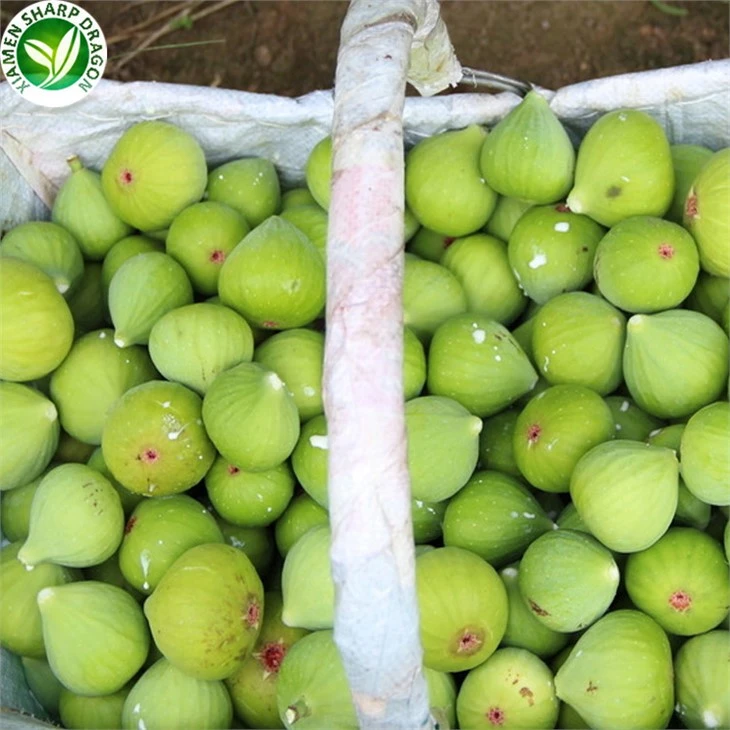
Frozen Fig Specifications Must Preserve Identity
Start with Ficus carica and the commercial product form. Define whole, halves, quarters, dice, or purée; cultivar or color group where necessary; maturity; size; internal and external color; Brix method if useful; flavor; texture; stem allowance; broken pieces; decay; insects; foreign material; and permitted ingredients.
Add safety and compliance requirements: approved origin and facility, pesticide-residue program, microbiological criteria, ready-to-eat status, allergen cross-contact, food-contact packaging, lot coding, traceability, storage, shelf life, destination documents, and change notification. Identity without food-safety control is incomplete.
Worked example: An order contains 960 cases at 10 kg, totaling 9,600 kg. A document discrepancy suggests 2.5% may come from an unapproved source: 9,600 × 0.025 = 240 kg. If cases are not segregated, the affected 240 kg cannot be identified physically. Hold the connected lot while records are reconciled; do not release 97.5% by arithmetic alone.
Review the frozen fig product format with the intended application and approve a representative sample. Confirm liner, seal, case, net weight, lot code, pallet, and cold-chain evidence through the frozen packaging review.

A Receiving Test for "All Figs" Questions
Ask five questions in order. Is the species and product identity documented? Is the plant or fruit from a food supply chain? Is the maturity appropriate for the product? Is the lot sound and compliant? Is the intended preparation consistent with its ready-to-eat status? A "no" or unknown at an early gate stops later sensory approval.
Record the evidence, not just the answer. A receiver might note species on specification, supplier lot, origin, case code, temperature, seal integrity, maturity sample, defects, documents reviewed, and release decision. Photos can supplement records but should not replace them.
Receiving example: A shipment matches Ficus carica on documents but arrives with mixed sizes and immature latex-heavy fruit above tolerance. Species identity passes; maturity quality fails. Hold or reject under the contract. The correct message is not "these figs are inedible species," but "this lot does not meet the approved maturity specification."
Train staff on the distinction. When every failure is called "unsafe" or "not edible," investigations become vague. Accurate categories-identity, maturity, spoilage, contamination, quality, packaging, and documents-lead to faster corrective action and defensible supplier communication.

Frequently Asked Questions
Are all Ficus carica cultivars edible?
Ficus carica is the common edible fig and has many food cultivars. Eat confirmed ripe fruit from a food source. Cultivars can differ greatly in quality and application suitability.
Are all plants called figs edible?
No. Common names cover many Ficus species and ornamental plants. Confirm botanical identity and food use; do not infer edibility from the name or appearance.
Does green skin mean a fig cannot be eaten?
No. Some ripe Ficus carica cultivars remain green-skinned. Use the named cultivar's maturity, interior, softness, aroma, flavor, and specification.
Can washing make an unknown fig edible?
No. Washing is a hygiene step for correctly identified food produce. It cannot establish species, remove systemic chemical history, or reverse spoilage.
XMSD sourcing note: Share species, cultivar or color requirement, form, maturity, size, defects, ingredients, intended use, pack, origin, destination, and volume. We can review a frozen-fig sample, specification, and traceability inputs against the application.
Final Thoughts from XMSD
Not every plant or fruit called a fig should be eaten. Start with documented edible species-most commonly Ficus carica-and a food-source history. Then judge maturity, condition, safety, and preparation. In commercial supply, preserve identity through the approved specification, lot codes, segregation, change control, sample, and receiving record. That is more reliable than color, common name, or a photo.
References
- Royal Botanic Gardens, Kew: Edible Fig, Ficus carica
- Kew Plants of the World Online: Ficus Genus Search
- Royal Horticultural Society: Ficus carica Plant Profile
- NC State Extension: Ficus lyrata Ornamental Safety Profile
- DermNet: Fig Plant and Sap Dermatitis
- XMSD operational experience in frozen-fig identity, specification, lot traceability, sample approval, maturity and defect review, packing, and B2B change control.