


How Do You Eat a Fig? Fresh and Frozen Preparation Guide
Sep 09, 2019

To eat a ripe fresh fig, wash it gently under running water, dry it with a clean towel, remove the firm stem tip, and eat the soft skin, flesh, and tiny seeds together. You can bite the fruit whole, halve or quarter it, or open it and scoop the center. Peeling is optional rather than required. Discard fruit that is moldy, rotten, or unexpectedly fermented.
Frozen figs need a method matched to the finished food. Use them frozen in some blended or cooked applications, partially thaw them when you want cleaner cuts, or thaw them under controlled refrigeration when you need to measure juice release and texture. A frozen fig will normally be softer than a fresh one after thawing. That quality change does not make it inedible, but it affects whether the fruit works as a hand-held snack, topping, purée, sauce, bakery filling, or cooked component.
The short answer: Wash a ripe fig, trim the tough stem, and eat the skin, pulp, and seeds. Choose whole, cut, or scooped service for fresh fruit. For frozen fruit, choose direct-from-frozen, partial-thaw, full-thaw, or cooking according to the recipe and product instructions.

Choose a Ripe Fig Before Choosing the Method
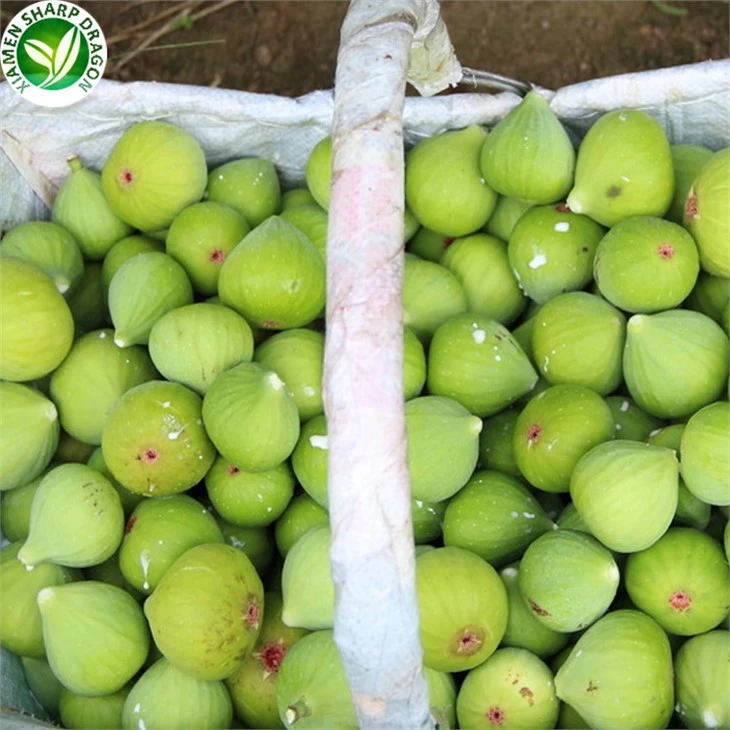
Ripe figs are delicate. UC Integrated Pest Management describes fully ripe figs as soft and beginning to droop at the stem; fruit on the tree should detach easily when lifted and bent back. Color is not a universal ripeness test because mature figs may be green, yellow, brown, red, or purple depending on cultivar. Compare the fruit with the expected variety, not with a single internet photograph.
For immediate fresh eating, choose fruit that yields gently without collapsing, smells normally sweet, and has no mold, major leakage, insect damage, or sour fermentation odor. A split may be a natural ripeness feature or a route for contamination; judge the entire condition and source. Very firm, milky-sap-producing fruit may be under-ripe. UC guidance notes that figs do not improve in sweetness or flavor after harvest in the way you might expect from some other fruits.
The eating method follows the condition. A firm-ripe fig can be quartered cleanly for a plate. A very soft ripe fig is often better opened over a bowl, spooned onto yogurt, or puréed. A structurally damaged but sound fruit may suit immediate cooking after damaged tissue is removed. Rotten or moldy fruit is not rescued by trimming, baking, freezing, or blending.
Practical example: A café receives two lots of the same green cultivar. Lot A is slightly soft, intact, and aromatic; it can be quartered for cheese plates. Lot B is very soft and releases more juice but has no spoilage signs; it may perform better in a same-day compote. The color alone did not decide the use. Texture, integrity, odor, intended appearance, and time to service did.

Wash Fresh Figs Gently and at the Right Time
The U.S. FDA advises washing fresh produce thoroughly under running water before preparation or eating, even when the skin will not be eaten. Begin with clean hands and clean equipment. For a delicate fig, hold the fruit under cool running water and rub it gently with your fingers. Do not scrub it with the hard produce brush used for firm items such as melons. Dry it with a clean cloth or paper towel.
Do not use soap, detergent, or an unapproved produce wash. FDA explains that porous produce can absorb soap or detergent residues and that washing reduces bacteria but does not eliminate them. A long soak is also unnecessary for ordinary preparation and can soften the fruit, spread contamination through shared water, and make it harder to see the natural texture. Running water plus clean handling is the practical baseline.
Wash close to the time of use when possible. Surface moisture can accelerate quality loss in a fragile fruit, especially if wet figs are placed back into a closed container. If a package is clearly labeled pre-washed or ready-to-eat, follow its directions and avoid placing the product in an unclean sink. The instruction on the actual pack controls over a generic preparation habit.
Trim the small woody stem after washing and drying. Make the cut on a clean board with a clean sharp knife so the soft fruit is not crushed. If milky latex is present around an unripe stem, avoid unnecessary skin contact and do not assume washing turns an under-ripe fruit into a ripe one. People with suspected fig or latex-related allergy need individualized medical guidance rather than a preparation experiment.
Four Simple Ways to Eat a Fresh Fig
Eat it whole
After washing, drying, and removing the hard stem tip, bite or serve the entire ripe fruit. The thin skin, soft interior, and tiny seeds are edible in cultivated food figs. Whole service preserves the fruit's shape and minimizes cutting loss, but it can be messy when the fruit is extremely soft. Provide a plate or napkin and avoid using a stem as evidence that every surrounding plant part is edible.
Halve or quarter it
Cut lengthwise through the stem end to display the seeded interior. Halves work for toast, breakfast bowls, roasting, or a composed plate; quarters provide smaller bites and more exposed surface for dressing. Use a sharp thin blade and wipe it between batches when sticky pulp builds up. Cut fruit should be protected from contamination and used promptly under the operation's refrigerated handling plan.
Split and scoop it
If you dislike the skin texture or the fruit is too soft to hold, split it and scoop out the flesh with a spoon. This method is a preference, not a safety requirement. It also creates peel waste and reduces yield. Record the removed weight if a commercial recipe is costed from edible output rather than incoming whole fruit.
Mash or purée it
Trim the stem, cut the fruit, and mash with a fork for a textured topping or blend for a smoother base. The seeds normally remain and contribute a faint crunch. Sieving changes yield, texture, and fiber distribution, so specify whether your product is whole-fruit purée or filtered fig preparation. For shelf-stable jam or canning, follow a tested preservation process; ordinary blending is not a preservation step.
Build the Serving Around the Fig's Texture
For breakfast, add fresh quarters at service if you want visible edges and a fresh bite. Fold soft thawed pieces into oatmeal during the last stage of cooking if a jammy texture is acceptable. Blend frozen fruit directly when your equipment and recipe can handle the load. The choice affects water, temperature, particle visibility, and sweetness perception even when the gram weight of fig is unchanged.
For a savory plate, a ripe fresh half pairs with cheese, grains, leaves, or roasted ingredients because it retains its recognizable shape. A thawed fig may suit a chutney, glaze, or pan sauce better. Taste the fruit before adding honey or syrup: the purpose of the trial is to balance the finished dish, not to follow a formula that assumes every cultivar and maturity level has identical sweetness.
For bakery and dessert use, decide whether the fig is a visible piece, a moisture source, or a flavored fruit solid. A large wet piece can create local softness around it; a small piece disperses more evenly; a reduced purée supplies a more uniform filling. Record cut size and the point of addition. "Add figs" is not enough for another cook to reproduce the texture.
Application example: A developer tests a muffin with 12 mm partially thawed pieces and another with fully thawed purée. The piece version shows fruit pockets but produces variable local moisture. The purée version colors the crumb evenly and needs a flour/liquid rebalance. The next action is not to declare one method superior; it is to select the target appearance, then adjust the full formula and bake test around that target.

Frozen Figs: Use the Temperature State as a Tool
Freezing forms ice crystals inside fruit tissue. After thawing, the fig is usually softer and releases more juice than a comparable fresh fig. Penn State Extension explains the general relationship between rapid freezing, small ice crystals, constant frozen storage, and quality retention. Frozen fruit remains useful, but expecting a fresh-firm bite from a fully thawed fig sets the wrong acceptance test.
Use frozen figs directly when the equipment can handle them and the recipe benefits from cold fruit-for example, a blended drink or a cooked reduction. Partially thaw them when you need to cut or portion pieces while retaining some shape. Fully thaw them in a clean covered container under controlled refrigeration when the line needs a consistent soft texture or measured juice release. Follow the product's intended-use and handling instructions; IQF does not itself mean ready-to-eat or sterile.
Decide whether released liquid belongs in the finished food. Keeping it preserves soluble fruit solids and gives a looser purée or sauce. Draining it produces a different texture and lower usable yield. Neither method is always correct. State "retain all thaw juice" or define a drainage time, temperature, equipment, and target result so production and costing use the same method.
The XMSD frozen fig category shows commercial fruit options. A page for IQF green Ficus carica fruit identifies a specific offer, while your purchase decision still requires current ingredients, size, defects, intended use, pack, sample performance, and destination documents.

Match the Preparation to the Application
| Application | Useful state | Deciding check |
|---|---|---|
| Hand-held fresh eating | Washed, dried, stem trimmed | Ripeness, skin integrity, no spoilage |
| Cheese plate or garnish | Fresh firm-ripe halves or quarters | Clean cut, hold time, visible defects |
| Smoothie | Frozen or partly thawed | Blender load, full recipe, intended use |
| Sauce or compote | Frozen, thawed, or soft fresh | Retained juice, cook reduction, final solids |
| Bakery filling | Thawed pieces or purée | Particle size, free liquid, bake performance |
Run a small trial before writing a production instruction. Weigh the fruit frozen, record time and temperature, prepare it by the candidate method, and weigh retained pieces plus any separated liquid. Photograph the texture at a fixed time. Then test the actual recipe. This replaces vague directions such as "thaw as needed" with a repeatable method tied to the desired result.
Worked example: A kitchen starts with 10.0 kg frozen figs. After a defined refrigerated thaw and 10-minute drain, it records 8.6 kg fruit and 1.2 kg collected liquid; 0.2 kg remains as handling residue. Drained fruit yield is 8.6 ÷ 10.0 = 86%. If a batch needs 25 kg drained fruit and the same validated yield applies, incoming fruit is 25 ÷ 0.86 = 29.07 kg. Keep the liquid in the recipe if development approves it; do not copy the 86% assumption to another supplier or cut size without a trial.
For smaller operations, pack configuration can make the method easier to control. A 1 kg frozen fig presentation may fit a short production run better than repeatedly opening a large inner bag. Compare inner-pack availability, total packaging, labor, opening frequency, thaw space, and price before deciding. Pack size is an operational variable, not a quality grade.

Dried, Canned, and Preserved Figs Are Different Products
Dried figs can usually be eaten as sold after you inspect the pack and follow its directions. Remove a hard stem if it interferes with eating. Slice or chop dried figs for cereal, bakery, or savory applications, and account for their concentrated carbohydrate, chew, and lower water content. Rehydrating them changes texture and recipe moisture but does not turn them back into fresh fruit.
Do not convert a fresh-fruit preparation tip into an unvalidated home-preservation process. Simply placing washed figs in the sun "for a few days" gives no control of insect exposure, weather, drying rate, final moisture, or storage stability. Use an authoritative, tested drying or canning method and suitable equipment. Figs can be borderline low-acid for canning, so acidification and processing instructions matter; tasting is not a safety validation.
For canned figs, read whether the packing medium is juice, water, light syrup, or heavy syrup and whether the recipe uses drained fruit or the entire can. For fig jam, paste, or filling, check fruit percentage, added sugars, acidity, additives, and serving. The right eating method comes from the finished product, not merely from the fact that fig appears in the name.

Foodservice and Manufacturing Need a Written Method
Write down product identity, incoming state, lot, portion, thaw or cut method, equipment, maximum handling time, disposition of juice, and final use. Separate raw ready-to-eat service from a product that will receive a validated cook. An IQF description tells you how pieces were frozen; it does not establish the microbiological status required for every uncooked application.
Check carton and liner integrity before opening. Keep outer corrugated packaging away from clean food-contact surfaces. Use clean utensils and containers, prevent cross-contact with allergens, and identify any opened or thawing portion according to the site's procedure. Our frozen packaging overview helps organize carton, liner, label, and cold-chain questions around the actual route.
Measure what affects acceptance rather than writing "good quality." For a visible topping, define whole or cut form, size, color range, major defects, broken-fruit allowance, and thawed appearance. For a purée, define ingredients, sieving, soluble solids or other formulation measures where relevant, color, foreign material, and process. For any form, connect microbiological criteria and intended use to destination requirements.
Our separate evidence-led guide to the benefits and product forms of figs explains nutrition without turning an eating method into a health promise. For preparation, the decisive result is sensory and operational: does the chosen state deliver the intended shape, texture, juice, portion, safety status, and yield?
Frequently Asked Questions
Do you eat fig skin and seeds?
Yes, the thin skin, soft flesh, and tiny seeds of a ripe cultivated food fig are normally eaten together. Trim the firm stem. Peel or scoop the flesh only for texture preference or a recipe requirement. Correct food identity, ripeness, cleanliness, and individual allergy still matter.
Must fresh figs be soaked?
No. FDA recommends thorough washing under running water, not a long soak or soap. For delicate figs, rinse gently, dry with a clean towel, and prepare with clean hands and tools. A commercial wash system follows its validated food-safety procedure rather than a household soak.
Can you eat a frozen fig without thawing?
It may be used frozen in a blender or cooked recipe when the product instructions, equipment, and intended use allow it. Whole frozen fruit can be too hard for comfortable hand eating. Do not infer ready-to-eat status from freezing alone; check the pack and specification.
XMSD sourcing note: Tell us whether your figs will be served whole, cut, blended, drained, cooked, or used ready-to-eat. Share the portion, piece size, pack, destination, and thaw-yield target. We can review a frozen fig sample and specification against that real preparation method.
Final Thoughts from XMSD
A ripe fresh fig needs little preparation: clean hands, a gentle running-water rinse, a clean dry, and removal of the firm stem. Eat it whole, cut it, scoop it, or purée it according to texture and service. For frozen figs, use temperature state, thaw juice, cut size, and cooking as controlled recipe variables. The best method is the one you can repeat while preserving the intended flavor, appearance, yield, and food-safety basis.
References
- U.S. FDA: Selecting and Serving Produce Safely
- University of California IPM: Harvesting and Storing Figs
- Penn State Extension: Let's Preserve-Freezing Fruits
- Oregon State University Extension: Preserving Fruits-Figs
- DermNet: Fig Plant, Sap, and Allergy
- XMSD operational experience in frozen-fig form selection, sampling, IQF handling, thaw trials, packaging, yield measurement, and B2B application planning.