


Are Figs Poisonous? Fruit, Sap, Allergy, and Safety Explained
Sep 09, 2019

Ripe fruit from the edible common fig, Ficus carica, is not generally considered poisonous and is widely eaten fresh, dried, cooked, and frozen. The skin, soft interior, and tiny seeds of a correctly identified ripe food fig are edible for people who tolerate the fruit. That answer does not make every fig-tree exposure harmless. Milky sap can irritate skin and contribute to a sunlight-activated reaction, fig fruit can trigger allergy in susceptible people, and unripe, spoiled, contaminated, or misidentified material requires a different decision.
"Poisonous" is therefore too broad to guide action. Separate ingestion of ripe cultivated fruit from sap on skin, plant-part contact followed by sunlight, rapid food-allergy symptoms, excessive portions, foodborne contamination, and an unknown wild plant. These events can all be described as "a bad reaction to fig," but their mechanisms, urgency, and evidence are not the same.
The short answer: A ripe, correctly identified Ficus carica fruit is edible, not a general poison. Stop and reassess if the plant is unknown, the fruit is unripe or spoiled, milky sap contacts skin, or eating causes hives, swelling, breathing difficulty, faintness, or rapidly worsening symptoms.

First Identify the Exposure, Not Just the Plant Name
| Exposure | Main concern | Immediate decision |
|---|---|---|
| Ripe cultivated fruit | Ordinary food tolerance and hygiene | Wash, trim stem, eat if sound and tolerated |
| Rapid symptoms after eating | Possible food allergy | Stop; urgent care for severe symptoms; no home re-challenge |
| Milky sap on skin plus sunlight | Irritant or phototoxic dermatitis | Remove exposure, wash, avoid sunlight, seek advice for significant injury |
| Unknown wild or ornamental fig | Misidentification and unknown edible status | Do not taste; obtain reliable identification |
| Moldy, rotten, abused product | Spoilage or contamination | Do not eat; isolate the commercial lot if relevant |
A poison is a substance that causes harm through toxic action at an exposure. An allergen can cause a severe immune reaction in a sensitized person even though the same food is tolerated by most people. An irritant damages or inflames contacted tissue. A pathogen causes infection or intoxication through contaminated food. Using these words accurately prevents an allergy emergency from being dismissed as "just irritation" and prevents normal fruit from being labeled toxic because a worker handled sap.
Record the species or commercial item, plant part, maturity, preparation, amount, route of exposure, timing, symptoms, sunlight after contact, and whether other people had the same exposure. Those details decide which evidence applies. The question "Are figs poisonous?" without them cannot distinguish breakfast fruit from pruning a sap-rich branch.

Ripe Common-Fig Fruit Is a Food
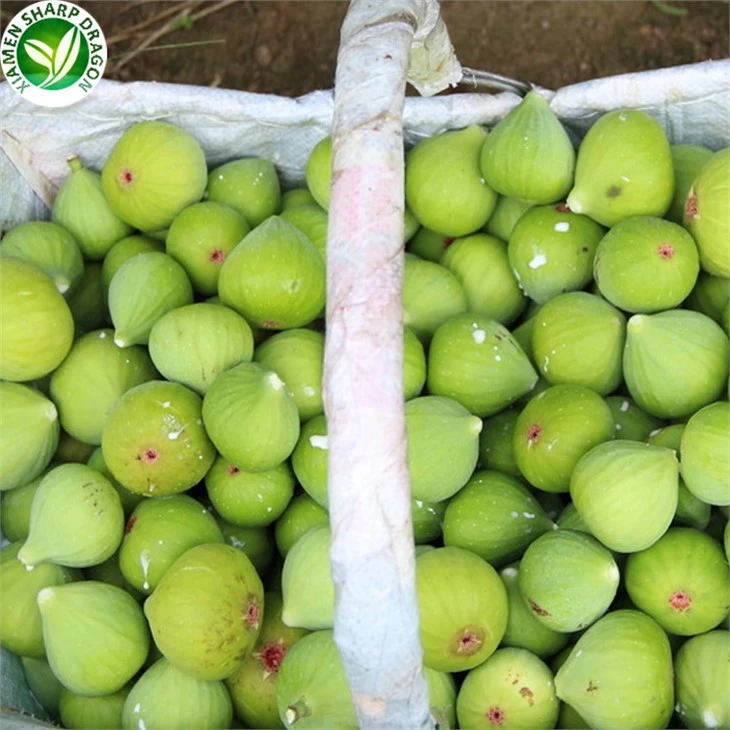
Kew identifies Ficus carica as the edible fig. Cultivated food varieties can have green, yellow, brown, red, or purple skin and differently colored interiors. Color does not by itself tell you whether a fruit is safe or ripe. Confirm the commercial or botanical identity, source, cultivar expectations, maturity, and condition rather than assuming that every green fig is unripe or every dark fig is edible.
A ripe fig is normally soft and may droop at the neck. UC guidance notes that fully ripe figs detach easily and that white latex at the cut stem can signal incomplete ripeness. The small stem is usually trimmed; the skin, pulp, and seeds are eaten. Our practical guide to washing and eating a fig covers the preparation methods without turning the fruit into a medical product.
Do not apply the cultivated-fruit conclusion to every Ficus species, decorative houseplant, leaf, bark, root, sap, tea, extract, or traditional remedy. A genus includes many species and chemically different parts. A phone image match is not enough for a foraged-food decision, especially where spray history, road contamination, animal access, and land permission are unknown.
Practical example: A sealed retail pack names Ficus carica, lists only figs, carries a lot code, and contains ripe intact fruit. A gardener has a milky-sap-producing ornamental Ficus with small unknown structures. The first exposure has food identity and traceability; the second does not. Do not use the edible status of the retail fruit as permission to taste the unknown plant.
Fig Allergy Is Not the Same as Poisoning
Peer-reviewed reports document IgE-mediated reactions to fig fruit, including anaphylaxis. Symptoms can include itching or tingling in the mouth, hives, swelling, vomiting, chest tightness, breathing difficulty, faintness, or a rapid combination of systems. Published research also describes cross-reactivity involving Ficus benjamina latex, fig fruit, and other allergens in some patients. These observations establish possibility; they do not mean everyone with pollen or latex allergy will react to figs.
If throat swelling, trouble breathing, faintness, or rapidly worsening symptoms occur, use emergency services and the person's established allergy plan. Stop eating and preserve the package, recipe, lot, amount, and timing. Do not conduct a home re-challenge or assume cooking, peeling, washing, or freezing makes an allergenic fig safe for a specific person.
Mild oral discomfort still deserves careful assessment if it recurs. It may reflect allergy, local irritation from under-ripe fruit, another ingredient, or an unrelated condition. Record the exact food form-fresh, dried, jam, mixed bakery filling, or frozen preparation-because additional ingredients and processing change the exposure. Medical diagnosis requires a qualified clinician, not a conclusion from one cross-reactivity list.

Fig Sap Can Irritate Skin and React with Sunlight
Fig stems, leaves, branches, and unripe fruit can release milky latex. DermNet describes phytophotodermatitis as a reaction that follows skin contact with plant photosensitizing chemicals and subsequent sunlight exposure; Ficus carica sap is a recognized cause. Redness, burning, blistering, and later pigmentation may develop in shapes that reflect drips, smears, or hand contact.
This is not evidence that the ripe fruit flesh is a general poison. It is evidence that the exposure route and plant part matter. A person pruning branches in sunlight can receive far more sap on skin than someone trimming the stem of a washed ripe fruit. Workers harvesting, pruning, or processing sap-rich material need a risk assessment, suitable gloves and clothing, washing access, training, and a response plan appropriate to the task.
If sap contacts skin, remove contaminated clothing, wash the area promptly, and protect it from sunlight while seeking professional advice if pain, blistering, eye exposure, a large area, or significant symptoms occur. Do not deliberately apply fig sap to warts, skin discoloration, or another condition. The concentrated traditional-use exposure is not comparable to eating food.
Our dedicated guide to fig sap exposure should own detailed contact, sunlight, first-response, and workplace-control questions. Here, the decisive point is separation: sap dermatitis does not make every ripe fig poisonous, and edible fruit does not make sap contact harmless.

Unripe Fruit, Large Portions, and Spoilage Need Their Own Labels
A firm under-ripe fig may contain more latex and can taste harsh or cause local irritation in some people. Do not call that fruit "poison" without evidence, but do not recommend eating more to test the reaction. Choose properly ripened food fruit, trim the stem, and stop if burning or unusual symptoms occur. Maturity specifications matter in commercial sourcing because color alone cannot define ripeness across cultivars.
Eating a large amount can cause fullness, bloating, cramping, or loose stool in a susceptible person, especially with dried fruit or other fiber-rich ingredients. This is a portion and tolerance question, not proof of poisoning. Record grams and the whole meal rather than saying "several figs." Severe pain, persistent vomiting, blood in stool, dehydration, fever, or prolonged symptoms deserves medical assessment.
Spoiled or contaminated figs can make someone ill even though sound figs are edible. Fresh produce can acquire contamination through growing, harvest, storage, transport, or preparation. FDA recommends clean hands, running-water washing, removal of damaged areas, separation from raw animal foods, and refrigeration of perishable produce. Washing reduces but does not eliminate bacteria and cannot reverse rot.
Reject fruit with mold, rotten tissue, unexplained fermentation odor, extensive leaking with spoilage, pests, or an unknown abuse history. Frozen fruit can be soft and juicy after thawing without being rotten. Use package integrity, temperature history, odor, appearance, lot information, and specification together. Freezing is not a universal pathogen-kill step.
A Reaction Pattern Guides the Next Action
Minutes-to-hours onset with hives, swelling, breathing difficulty, faintness, or multiple body systems points toward urgent allergy assessment. A delayed blistering skin pattern after sap and sunlight points toward phototoxic contact. Vomiting and diarrhea shared by several people who ate the same lot raises a foodborne hypothesis. Mild bloating after a very large mixed meal suggests a different first review. None of these patterns proves cause by itself.
Worked example: A caterer serves 240 desserts: 60 contain fig garnish and 180 do not. Six fig recipients and two non-recipients later report similar gastrointestinal illness. The simple report proportions are 6 ÷ 60 = 10.0% and 2 ÷ 180 = 1.1%. The difference is a signal to isolate the lot and preserve menus, times, samples, and records; it does not prove fig poisoning. Other shared ingredients, incubation periods, attendance, reporting bias, and laboratory evidence still require investigation.
Now change the pattern: one diner develops hives and throat swelling within 15 minutes while nobody else reacts. That calls for emergency allergy response, not waiting for a complaint count. Or imagine three harvest workers develop linear blisters after sap exposure in bright sunlight but nobody ate fruit; review protective controls and medical care. The same product name leads to three different pathways because route, timing, and symptom pattern changed.

What to Do After a Suspected Fig Exposure
If you ate a known ripe food fig and have no symptoms, the general poison question does not require an antidote or cleansing routine. Do not induce vomiting or take an unprescribed remedy "just in case." Keep the pack if identity is uncertain and monitor according to professional advice. A normal meal exposure is not converted into poisoning by an alarming search result about sap.
If rapid allergy symptoms appear, stop eating, use the person's established emergency plan, and obtain urgent care for breathing difficulty, throat or tongue swelling, faintness, or rapidly progressing symptoms. Save the ingredient list and note other foods in the recipe. A fig pastry can also contain nuts, milk, egg, wheat, sesame, or another allergen, so the product name alone does not identify the trigger.
If sap reaches skin, remove the material and contaminated clothing, wash promptly, and prevent further sunlight exposure. Do not scrub blistered skin or apply more plant material. Eye exposure, extensive contact, strong pain, blistering, or a child exposure deserves prompt clinical or poison-information advice. Photographing the plant and skin pattern can help a clinician, but do not delay care to create a complete record.
If someone swallowed an unknown plant part, contact the local poison information service or emergency provider and follow their instructions. Preserve a sample or clear photographs only when it is safe to do so. Record the person's age, approximate amount, time, symptoms, plant location, and any label. Do not wait for an app to identify the species and do not make the person taste another piece for comparison.
If several people report gastrointestinal illness after the same food, stop service when the evidence warrants it, isolate the remaining lot, and follow local reporting procedures. Preserve unopened samples and cold-chain records. Avoid informal taste testing of the suspect product. Medical or public-health investigators need the full menu and exposure counts because a fig garnish can be correlated with another shared ingredient.
Practical example: A distributor receives the message "figs burned my customer." Our first reply requests the product form, route, time, symptoms, severity, and lot while directing the person to urgent care where required. "Burned" could mean oral allergy after fruit, harsh under-ripe latex, a hot cooked filling, or blistering sap on skin after sunlight. Holding the identified lot preserves evidence without pretending that the first sentence has diagnosed poison.
Communicate the Risk Without Creating a False Guarantee
When you answer a consumer, say that ripe common-fig fruit is edible and then name the specific exceptions. Avoid "100% safe," "non-allergenic," and "toxin-free" unless a defined claim and test basis supports the exact statement. Even a sound product can be unsafe for an allergic person or become contaminated after opening. At the same time, do not call every fig product poisonous because sap can injure skin.
For workplace instructions, name the task and route: harvesting or pruning may involve sap and sunlight; sorting frozen fruit involves cold product, equipment, hygiene, and pack handling; recipe preparation involves allergens, cross-contact, thaw control, and intended use. One generic fig warning cannot control all three. We recommend separate controls and incident forms so the symptom record points to the correct response.

For Frozen-Fig Trade, Prove Identity and Intended Use
The XMSD frozen fig range establishes the commercial fruit category. A specific IQF green Ficus carica listing helps identify the offered product form. Before approval, match the current specification, sample, ingredients, cultivar or type where relevant, maturity, size, defects, foreign material, microbiological criteria, pack, storage, shelf life, and intended use to your application.
Do not describe IQF as sterile. If the finished application is uncooked, tell us and review destination-relevant safety evidence and handling. If the figs enter a validated cooking step, document the actual time-temperature process and verify finished-product performance. The intended use changes the microbiological question; it does not change plant identity.
Packaging and cold chain protect the defined fruit from new damage and quality loss. Torn liners, wet or crushed cartons, inconsistent lot labels, unexpected clumping, and temperature deviation are signals for hold and investigation. They are not individually proof of toxin. The XMSD frozen packaging overview helps you set liner, carton, label, and route checks before arrival.
For complaints, preserve the unopened product, opened pack, outer case, lot code, receiving record, temperature log, recipe, preparation history, serving count, and symptom timeline. Separate a quality defect from illness, and separate illness from confirmed causation. If a serious safety deviation is suspected, isolate the lot and follow the destination's reporting, recall, and authority procedures.
Frequently Asked Questions
Is the white sap inside a fig poisonous?
Milky latex can irritate tissue, and sap on skin followed by sunlight can cause phytophotodermatitis. Visible sap also suggests the fruit may be under-ripe. Avoid the exposure and choose ripe food fruit. Significant skin, eye, breathing, or ingestion symptoms need professional advice.
Can cooking make an allergic fig safe?
Do not rely on cooking, peeling, washing, drying, or freezing to make a known allergen safe for an individual. Published fig allergens and responses vary, and home testing can be dangerous. Follow the person's clinician-guided allergy plan and avoid cross-contact.
Are frozen figs poisonous?
Correctly identified frozen Ficus carica fruit is not made poisonous by freezing. Check ingredients, intended use, pack integrity, cold chain, lot evidence, thaw handling, and individual allergy. Freezing changes texture and storage; it is not a universal kill step.
XMSD sourcing note: For a frozen fig project, share the species or commercial type, intended use, size, defects, pack, destination, and microbiological/document requirements. We can review fruit identity and lot specification; medical reactions and suspected poisoning still belong with healthcare and the relevant authority.
Final Thoughts from XMSD
Ripe fruit from the edible common fig is food, not a general poison. The safe conclusion becomes narrower when the plant is unknown, the fruit is unripe or spoiled, a person has allergy symptoms, or sap reaches skin and sunlight. Identify the species, plant part, route, amount, timing, and symptoms before naming the risk. In trade, connect identity, intended use, lot evidence, packaging, cold chain, and complaint records so the decision rests on a defined product rather than the word fig alone.
References
- Royal Botanic Gardens, Kew: Edible Fig-Ficus carica
- DermNet: Phytophotodermatitis and Fig Sap
- PubMed: Cross-Reactivity Between Ficus benjamina Latex and Fig Fruit
- Immediate Anaphylaxis After Ingestion of Fig Fruit
- University of California IPM: Harvesting and Storing Figs
- U.S. FDA: Selecting and Serving Produce Safely
- XMSD operational experience in frozen-fig identity, specification, sampling, IQF handling, packaging, cold-chain review, intended-use assessment, and B2B complaint evidence.