


Is Broccoli Good for Your Gut? Evidence and Buyer Guide
Jun 20, 2019

Broccoli can be a useful part of a gut-friendly diet because it contributes fiber and plant compounds that interact with intestinal microbes. Human feeding trials also show that eating broccoli or a mixture of cruciferous vegetables can change the composition of the gut microbiota. That is a meaningful observation, but it is not proof that broccoli treats a digestive disorder, "repairs" the gut, or produces the same response in every person.
Tolerance matters as much as theory. Broccoli can increase gas or bloating in some people, especially when a large portion is introduced suddenly or when the person already has a sensitive digestive tract. Raw, lightly cooked, fully cooked, and blanched frozen broccoli also differ in texture, preparation, and serving context. A practical decision therefore asks three questions: what outcome do you mean by "good for the gut," how much and which form are you eating, and how do you actually feel after a repeatable portion?
The short answer: Broccoli can contribute to vegetable and fiber intake and can alter gut-microbial communities, but current human studies are small and do not establish a universal digestive benefit. Start with a portion you tolerate, cook it when a softer texture works better, and judge the whole meal rather than treating broccoli as a remedy.

What the Human Gut-Microbiome Evidence Shows
The most direct evidence comes from controlled feeding studies, not from dramatic benefit lists. In a randomized crossover trial, 18 healthy adults completed two 18-day diet periods separated by a washout. During the broccoli period, the controlled diet included 200 g of cooked broccoli and 20 g of raw daikon radish each day. Researchers detected a difference in overall bacterial community composition between the broccoli and control periods. They reported a 9% lower relative abundance of Firmicutes, a 10% higher relative abundance of Bacteroidetes, and an 8% higher relative abundance of Bacteroides during the broccoli treatment.
Those numbers need careful interpretation. Relative abundance describes the proportion of measured organisms within a sample; it does not tell us that the total number of organisms changed by the same amount. The trial found a change in beta diversity, which compares community composition between conditions, but no significant change in alpha diversity, which describes diversity within a sample. The study was short, small, and conducted in selected healthy adults under tightly controlled feeding conditions.
Most importantly, a changed microbial profile is not automatically a better clinical outcome. The trial did not establish that broccoli relieved constipation, treated irritable bowel syndrome, prevented inflammatory bowel disease, or cured another digestive condition. It shows biological interaction and supports further research. It does not provide a therapeutic dose for the public.
A separate randomized crossover feeding study with 17 participants compared a fruit- and vegetable-free basal diet with the same diet supplemented by cruciferous vegetables. Community composition differed between the two periods, and the response was individual-specific. Another two-period crossover study compared higher and lower Brassica intake. Higher intake was associated with a lower relative abundance of sulfate-reducing bacteria, but the authors appropriately described the gastrointestinal implication as potentially beneficial rather than proven treatment.
Practical example: If you read that the controlled broccoli trial used 200 g per day, do not treat 200 g as a recommended "gut-health dose." It was an experimental exposure paired with 20 g of daikon radish in a complete controlled diet. Your useful starting question is whether a normal meal portion fits your diet and tolerance, not whether you can copy a research protocol at home.

Why Broccoli Can Interact With the Digestive Tract
Fiber supplies material that is not fully digested in the small intestine
Broccoli contains dietary fiber. Fiber can contribute to stool bulk and is fermented to varying degrees by microbes in the large intestine. That makes broccoli relevant to bowel function and the microbiome, but the response depends on the complete diet, fluid intake, physical activity, baseline fiber intake, transit time, and individual physiology. One serving cannot be interpreted separately from all those factors.
USDA MyPlate counts one cup of chopped broccoli or florets, whether fresh or frozen, as one cup from the vegetable group. It also emphasizes that total vegetable needs vary by age, sex, size, activity, pregnancy, and breastfeeding. This is a food-group reference, not a digestive prescription. Broccoli should normally sit beside other vegetables, fruits, grains or other carbohydrate foods, and appropriate protein sources rather than displacing dietary variety.
Glucosinolates create a two-way relationship with gut microbes
Broccoli is a cruciferous vegetable and contains glucosinolates. Plant enzymes and intestinal microbes can participate in converting these compounds into other metabolites. Human studies show substantial person-to-person variation in that metabolism. The microbiome can influence what metabolites become available, while the food can also influence the microbial community. That is more accurate than saying broccoli simply "feeds good bacteria."
Labels such as "good bacteria" and "bad bacteria" often hide complexity. A microbial taxon may behave differently depending on strain, abundance, neighboring organisms, diet, and host condition. A higher or lower relative abundance does not by itself prove health or disease. For a food article, the responsible conclusion is that broccoli interacts with the gut ecosystem and that controlled human evidence remains limited.
The whole meal can change the result
Plain steamed broccoli, broccoli in a mixed vegetable dish, broccoli with a high-fat cream sauce, and a small garnish on a refined meal are not nutritionally interchangeable. Fat level can influence fullness and symptoms. Large amounts of onion, garlic, legumes, sugar alcohols, or carbonated drinks in the same meal may also affect gas. If symptoms appear, isolate the deciding variables instead of blaming one ingredient after a complex meal.
Microbiome Change Is Not the Same as Symptom Relief
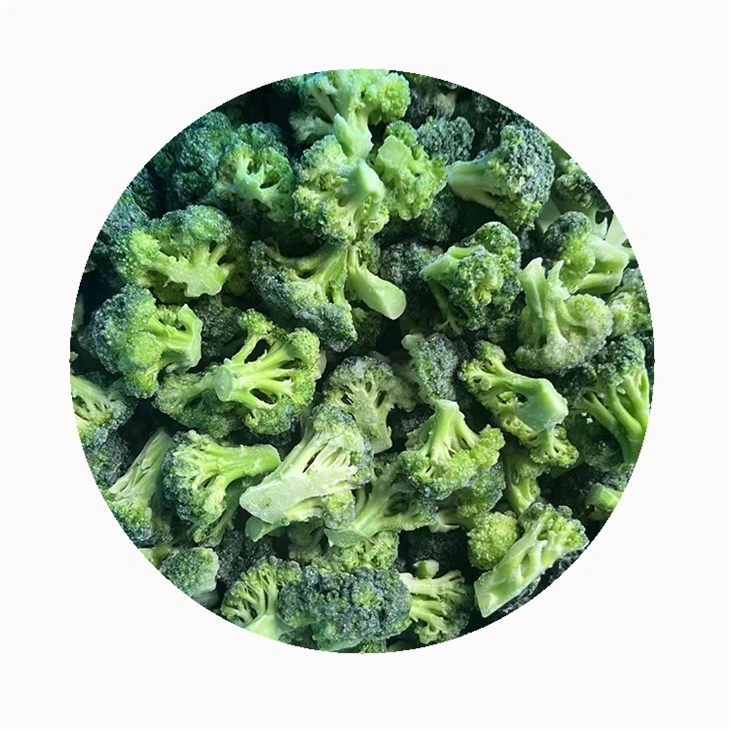
"Gut health" can refer to very different outcomes: comfortable digestion, regular bowel movements, microbiome composition, intestinal barrier function, or management of a diagnosed disease. A study that measures one outcome should not be used to promise another. The controlled broccoli trial primarily measured microbial composition and predicted microbial functions. It did not prove that participants felt better or that a disease outcome improved.
| Question | What evidence can support | What remains unproven |
|---|---|---|
| Does broccoli reach the gut ecosystem? | Its fiber and glucosinolate-related compounds interact with intestinal microbes. | That interaction is not automatically beneficial for every person. |
| Can broccoli alter microbial composition? | Small controlled human trials detected compositional differences. | No universal ideal microbiome profile or guaranteed symptom benefit was established. |
| Does broccoli treat a digestive disease? | The cited whole-food trials do not establish treatment. | Treatment, cure, prevention, and medication-replacement claims are not justified. |
| Can it cause gas? | NIDDK lists cruciferous vegetables among foods that may increase gas in some people. | Gas does not mean broccoli is toxic or unhealthy for everyone. |
The distinction is commercially important too. A brand can accurately describe a single-ingredient broccoli product, its serving, and supported nutrient facts. It should not convert preliminary microbiome findings into "restores gut flora," "heals leaky gut," or disease-treatment language. Health and nutrition claims must be reviewed against the destination market, final formulation, analytical or database basis, serving size, and label rules.

Gas, Bloating, and Individual Tolerance
Gas is a normal result of digestion. Some carbohydrates are not fully digested in the stomach and small intestine; bacteria break them down in the large intestine and create gas. NIDDK specifically lists cruciferous vegetables, including broccoli, among foods that may increase gas symptoms in some people. It also notes that a rapid or excessive increase in fiber can worsen symptoms for certain individuals.
That does not make broccoli "bad for the gut." The relevant outcome is tolerance. A person who normally eats little fiber may react differently from someone with a stable vegetable-rich diet. Portion size, eating speed, cooking, total meal size, other fermentable ingredients, constipation, and an underlying condition can all influence the experience. The better decision is to change one variable at a time.
Practical example: If a large raw broccoli salad produces uncomfortable bloating, try a smaller measured amount of cooked broccoli in a simpler meal on another day. Keep the other major ingredients similar and record portion, preparation, time of symptoms, and severity. This does not diagnose a condition, but it produces more useful information than concluding that all broccoli is intolerable after one mixed meal.
People with persistent abdominal pain, vomiting, blood in stool, unexplained weight loss, severe distension, prolonged diarrhea or constipation, or symptoms that disrupt normal life should seek professional assessment. A diagnosed digestive condition may require individualized guidance. Avoid using a supplier article to design a restrictive diet or to replace prescribed care.
Our separate guide to raw broccoli tolerance and preparation goes deeper into raw texture, gas, washing, food form, and when cooking may be the more practical choice. This page stays focused on gut evidence and the decisions that follow from it.
Raw, Cooked, and Frozen Broccoli Are Not Identical Decisions
Raw broccoli preserves a firm structure and requires no heat step, but that firmness and a larger raw portion may be harder for some people to tolerate. Cooking softens tissue and changes texture, flavor, volume, and the activity or availability of some compounds. There is no single cooking method that maximizes every nutrient, sensory property, microbial interaction, and convenience measure at the same time.
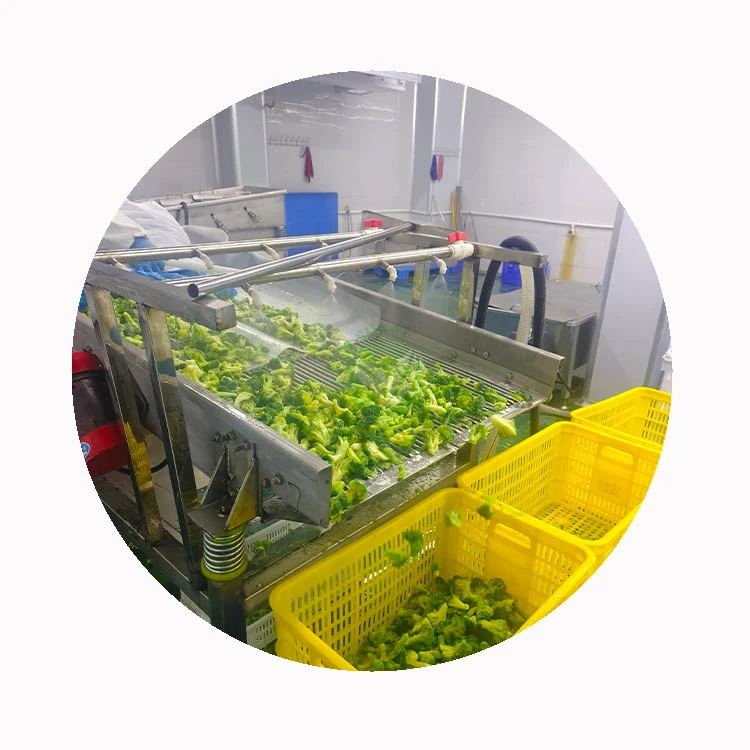
Frozen broccoli is usually washed, cut, blanched, rapidly frozen, packed, and kept in a frozen cold chain. Blanching is a short heat process used mainly for quality stability and enzyme control. It changes the starting state compared with raw fresh broccoli, but it does not turn the product into a digestive supplement. Our focused broccoli freezing and nutrient-retention guide addresses that separate process question.
Do not assume that blanched IQF broccoli is ready to eat. Freezing stops microbial growth but does not reliably kill all bacteria. FDA advises following package cooking instructions for commercially frozen foods and cooking ready-to-cook products as directed. A buyer must define whether a product is ready to cook or ready to eat, verify the applicable process and microbiological controls, and communicate the status consistently on specifications and labels.
Preparation also changes the finished meal. Boiling in excess water and draining, steaming, microwaving, roasting, and stir-frying produce different water retention and texture. A thick high-fat or high-sodium sauce may determine the meal's final profile more than the broccoli itself. For digestive-tolerance trials, keep method, drained time, portion weight, and accompanying ingredients consistent before comparing results.
If your question is repeated frequency rather than gut symptoms, use our daily broccoli portion and rotation guide. It explains why variety, individual tolerance, and total-menu planning are more useful than declaring one universal daily broccoli amount.

How to Turn a Gut-Friendly Concept Into a Product Decision
A commercial buyer cannot purchase "gut health" as a physical frozen-broccoli specification. Translate the concept into a defined product and use condition. Start with ingredient identity: plain broccoli, a seasoned item, or a finished blend. Then define floret size, permitted stem ratio, blanching status, color and defect limits, free-flowing condition, cooking instruction, pack size, and label basis. These are measurable and can be checked against a sample and production lot.
For a meal program, test the complete served formula. Measure frozen input, cooking loss or gain, drained yield, final portion, hold time, texture, flavor, and guest acceptance. If the program is intended for a sensitive population, the responsible team should review the complete menu and claim language with qualified nutrition, regulatory, and clinical personnel as appropriate. A supplier can provide product data, but cannot approve an individual medical diet.
The current XMSD IQF frozen broccoli product guide presents common 2–4 cm, 3–5 cm, and 4–6 cm floret directions. These are starting points for discussion, not an automatic contract. Smaller pieces can distribute more evenly in soups or ready meals; larger florets can provide a stronger side-dish presentation. Stem ratio, broken pieces, cook behavior, and the buyer-approved sample still decide whether a size works.
The site's broccoli floret and stem-ratio acceptance guide explains how to convert presentation needs into lot checks. For a gut-oriented menu, physical consistency matters because variable pieces create variable cooked weight and serving distribution. Consistency does not prove a health effect, but it makes recipe, tolerance, and customer-acceptance results more reproducible.
Worked example: A foodservice buyer targets 150 g of cooked and drained broccoli per portion for 2,500 servings. A representative trial finds a 92% cooked-and-drained yield from frozen input. Required frozen input is 150 g / 0.92 = 163.0 g per serving. The batch needs about 407.6 kg before operational allowance: 163.0 g × 2,500 / 1,000. If the buyer had ordered only the served weight, 375 kg, the program would be approximately 32.6 kg short. The correct order decision uses the validated product-specific yield, not a generic gut-health serving.
Repeat the trial after a material change in supplier, floret band, stem ratio, blanching condition, recipe, equipment, batch load, drain time, or holding method. Record the lot and test conditions. This gives procurement, QA, kitchen, nutrition, and commercial teams one traceable basis for decisions instead of relying on adjectives such as "healthy," "premium," or "easy to digest."

Buyer Checks for Frozen Broccoli Programs
First, confirm the exact ingredient and intended use. A plain single-ingredient broccoli product gives the formulator control over seasoning and other fermentable ingredients. A seasoned or sauced product can still fit an application, but its full ingredient statement, allergens, sodium, fat, serving basis, and sensory result must be assessed. Do not attribute the complete product's effect to broccoli alone.
Second, align the physical specification with the dish. Establish the floret band and method for checking it, whether dimensions refer to maximum width or another agreed measure, acceptable stem length or ratio, broken-piece tolerance, discoloration and defect classes, and IQF separation. Prepare the sample using the actual production method. A visual raw-frozen inspection cannot predict every cooked result.
Third, define evidence rather than promising a biological outcome. Keep nutrition data, ingredient declarations, microbiological criteria, allergen statements, pesticide-residue or other test scope, certificate holder and validity, batch traceability, production date, shelf life, storage temperature, and export documents linked to the selected product and facility. Certificate names on a website are not a substitute for current, scope-matched copies.
Fourth, control cold-chain and arrival acceptance. Confirm a continuously frozen condition, seal and carton integrity, excessive frost or ice, clumping, signs of thaw-refreeze, product temperature, lot code, and sample retention. Temperature abuse can affect texture, drip, separation, and safety decisions. A microbiome narrative cannot compensate for a damaged product.
Finally, test the claim and serving together. If a retail or menu team wants to discuss fiber or digestive wellness, the responsible regulatory reviewer should verify the final product's data, qualifying language, claim conditions, serving, and destination-market rules. Keep the consumer-facing wording narrower than the evidence. "One vegetable option in a varied diet" is materially different from "heals the gut."
XMSD sourcing note: Send us your application, target floret size, stem preference, cooking method, served portion, packing format, destination, and document list. We can review an order-specific frozen broccoli specification and sample plan; nutrition and health-claim approval remains tied to your final product and market.
Frequently Asked Questions
Does broccoli contain probiotics?
Plain broccoli is not normally described as a probiotic food. It contains fiber and plant compounds that can interact with resident gut microbes. Do not treat that interaction as equivalent to consuming a defined live microbial strain at a verified amount.
Is cooked broccoli easier to digest than raw broccoli?
Cooking softens plant tissue and some people prefer its texture or tolerate a cooked portion better. It does not guarantee symptom-free digestion. Compare a controlled portion and preparation while considering the complete meal and your own response.
Does frozen broccoli still provide fiber?
Freezing does not remove all dietary fiber. The exact declared value should come from an appropriate database or analysis for the product and serving. Ingredients, cooking, drainage, and formulation still affect how the finished food should be evaluated.
How much broccoli should I eat for gut health?
Current evidence does not establish a universal broccoli dose for gut health. Use it as one vegetable within a varied diet, begin with a portion you tolerate, and adjust according to the full dietary pattern and individualized professional advice when a medical condition is involved.
Final Thoughts from XMSD
Broccoli is relevant to gut health because its fiber and glucosinolate-related compounds interact with digestion and intestinal microbes. Small controlled human trials show that broccoli or cruciferous-vegetable intake can change microbial community composition. They do not yet prove a universal symptom benefit or treatment effect. Personal tolerance, portion, form, cooking method, and the rest of the meal determine how useful the food is in practice.
For buyers, the sound approach is to translate a broad wellness concept into a measurable product and menu plan: ingredient identity, floret and stem specification, controlled cooking and drained yield, consistent serving, supported label data, food-safety status, claim review, traceability, and cold-chain acceptance. That produces a repeatable broccoli program without promising more than the evidence can support.
References
- Broccoli consumption affects the human gastrointestinal microbiota - randomized controlled feeding trial
- Human gut bacterial communities are altered by addition of cruciferous vegetables to a controlled diet
- Brassica-rich diet and sulfate-reducing bacteria - randomized crossover study
- NIDDK: Eating, Diet, and Nutrition for Gas in the Digestive Tract
- USDA MyPlate: Vegetable Group
- FDA: Safety Knowledge About Ready-to-Cook Foods
- XMSD operational experience in frozen-food sourcing, IQF processing, quality control, packaging, and B2B export coordination.