


Frozen Broccoli Floret Size, Stem Ratio and Buyer Guide
Apr 09, 2019

Frozen broccoli quality is not settled by the word "florets" or a green product photo. The purchasing decision depends on head diameter, total piece dimensions, stem length and thickness, stem-to-crown balance, size distribution, trimming, color, bud condition, defects, free flow, blanching, cooking performance and cold-chain history. Those details determine plate appearance, portion count, cook uniformity and usable cost.
Broccoli is also a nutritious cruciferous vegetable, but it is not a cancer treatment or a vascular cleanser. Cell and animal findings about glucosinolates and sulforaphane do not prove that eating broccoli prevents or cures breast, colorectal, stomach or prostate cancer. Human studies summarized by the U.S. National Cancer Institute are mixed.
This guide keeps those questions separate. We correct the medical claims, then show you how to specify and test an IQF broccoli lot. The focus is a non-cannibalizing procurement decision: how floret geometry and stem content change the result in retail bags, foodservice portions, ready meals, soups, mixed vegetables and further processing.
The short answer: Define frozen broccoli by a measurable size distribution and an agreed stem rule, not one nominal number. Inspect the frozen and cooked states, separate cosmetic defects from food-safety findings, and calculate usable cooked yield. Treat nutrition as food information and keep disease prevention or treatment claims out of the specification.

Start with the Broccoli Style and Application
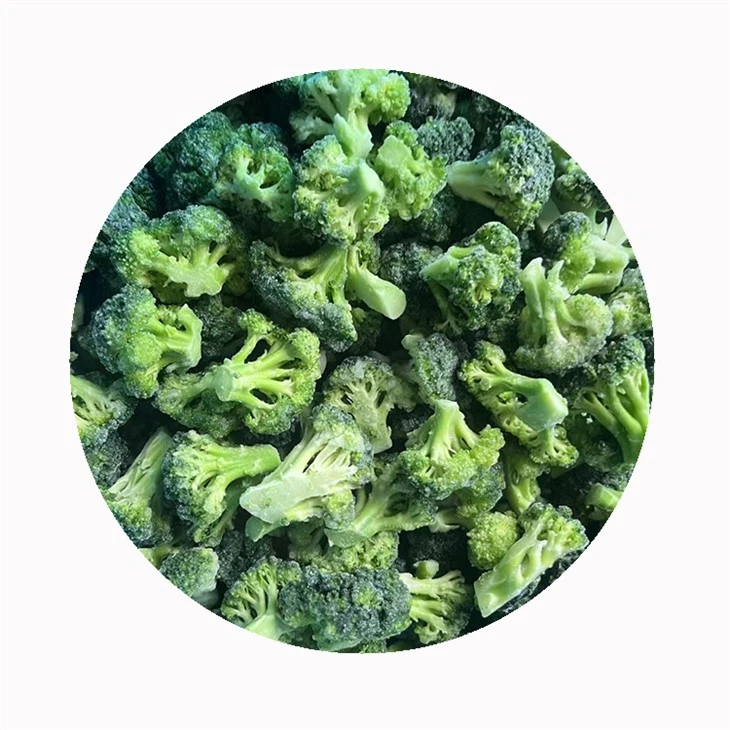
Commercial frozen broccoli can be supplied as spears, short spears, florets, cut broccoli, chopped broccoli or pieces. A floret normally includes a crown and part of the stalk, but the exact balance varies. Cut or chopped styles can contain more stem and smaller bud material. These formats are not interchangeable in appearance or cooking.
Retail visible-vegetable packs often need recognizable crowns, a clean green appearance and a controlled range that fits the bag. Foodservice side dishes need portion count, rapid cook and acceptable plate coverage. A soup or puree can use smaller pieces and more stem if tenderness and flavor meet the recipe. A ready-meal tray needs geometry that survives dosing, freezing, reheating and distribution.
Write the use before the specification. State the final dish, dosage, visible or hidden role, cooking equipment, cook from frozen or thawed, maximum piece size for the filler, target texture and hold time. Without these inputs, a visually attractive sample can still fail on the line.
The XMSD frozen broccoli category helps you compare commercial directions. Use it to identify a candidate style, then request the current technical sheet and approved sample for the selected partner-factory option.

A Nominal Floret Size Is Not a Complete Tolerance
A label such as 20-40 millimeters can refer to crown diameter, maximum dimension or another method. It may not control total height, stem length or thickness. Two florets with the same head diameter can differ materially: one can be compact with a short stem, while another has a narrow crown on a long stalk.
Define the measurement points. For crown diameter, state where the caliper touches. For total length, measure from the crown tip to the cut stem end. For irregular pieces, state whether the largest dimension controls. If frozen surface ice interferes, define whether loose frost is removed and how the sample is conditioned.
Use a distribution rather than pretending every piece is identical. Record the mass or count below the lower bound, within the main band and above the upper bound. Add a separate fine-material limit for loose buds and small fragments. Averages can hide a bag containing both very small and very large pieces.
Worked example: A 50-floret sample is inspected against a 20-40 millimeter crown-diameter band. Forty-three florets are within band, four are below 20 millimeters and three are above 40 millimeters. The within-band result is 43 divided by 50, or 86%. If the signed specification requires at least 85% within band, this attribute passes. The 8% undersize and 6% oversize results still need comparison with any separate limits.
The numbers in the example illustrate a method, not a universal broccoli grade. Set the sample plan and acceptance rules before inspection. Take packs across cartons and pallet positions so one hand-selected bag does not represent the shipment.
Control Stem Ratio Without Wasting Edible Product
Broccoli stem is edible, but its value depends on the application and trimming. A tender, properly peeled short stem supports floret structure. A long, thick or woody stalk can dominate the piece, cook unevenly and reduce the premium crown appearance. "No stem" is rarely a realistic or efficient floret rule because the crown needs support.
Choose a measurable rule. Options include maximum stem length below the lowest branch, maximum total stem percentage by mass in a composite sample, crown-to-stem visual reference, or a woody-stem defect count after cooking. The right method changes with floret geometry and use. A mass method can favor thick short stems, while a length method can miss woody texture.
Test tenderness after the intended cook. Cut the stem and crown separately if necessary and compare resistance, fibrousness and chew. A frozen photograph cannot reveal a woody outer layer. For puree, soup or industrial chopping, more tender stem may be commercially acceptable and improve usable yield; for a visible premium side dish, the crown presentation carries more value.
The existing broccoli popularity and sourcing overview provides broader context. This page goes deeper on the floret-size and stem decisions needed for a measurable order.

Turn Color and Defects into Inspection Categories
USDA frozen-broccoli grade standards assess similar varietal characteristics, flavor and odor, grit or silt, overall brightness, bud development and defined defects. Codex also defines styles and defects such as poorly trimmed or woody units. These standards supply useful vocabulary and methods, but a customer contract needs to state whether and how they apply.
Useful quality categories include yellow or brown discoloration, pale or dull pieces, open or ricey buds, flowering, bruising, mechanical damage, hollow stem, poorly trimmed leaves, long or woody stems, excessive small buds, broken crowns, fused clusters, freezer burn and abnormal odor. Grit, dirt, insects, foreign vegetable matter and foreign material need separate attention.
Color varies with variety, maturity, blanching, freezing, storage and cooking. Approve a frozen reference and a cooked reference. Specify lighting and sample state when photos support the standard. Frost can make a pale piece look brighter, while thawing can darken wet surfaces. A color card or instrument can improve repeatability if color is decisive.
Do not combine all observations into one vague "defect percentage." A small detached bud affects visual yield, a woody stem affects eating quality, and a sharp foreign object affects safety. Record each category and the unique affected units so double-counting does not distort the lot decision.
The XMSD IQF broccoli floret example shows current product direction. Confirm the exact grade basis, floret tolerance, defect plan, blanching declaration and documents for the quoted lot.
Blanching Affects Color, Texture and Final Cook
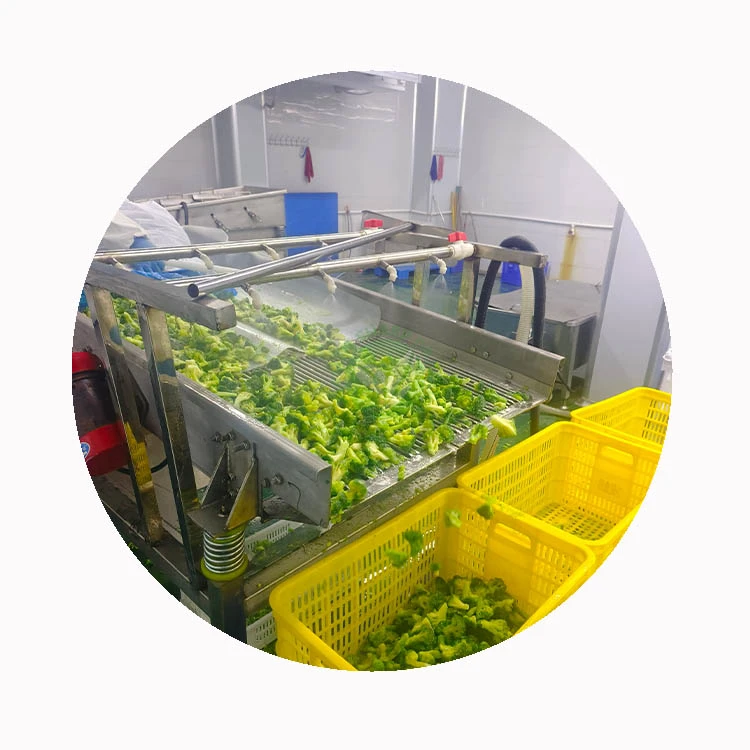
Commercial frozen broccoli is commonly blanched before freezing to control enzyme activity and stabilize quality. The blanch is not one universal recipe. Time, temperature, steam or water route, floret size, loading and cooling change the result. Under-blanching can leave enzyme activity; excessive blanching can soften texture and increase nutrient loss.
Ask for the process-state declaration and the cooking instruction. "Blanched" does not automatically mean ready to eat. The downstream kitchen or factory needs a validated preparation suitable for the product and intended use. Cooking from frozen generally reduces handling, but the equipment, load and recipe determine the endpoint.
Small crowns heat faster than large crowns and thick stems. A wide size distribution creates a trade-off: the small pieces can become soft before the largest pieces reach the target. That is why size control belongs with the cook test. Record core tenderness, exterior softness, color, water release and hold stability for each band.
The XMSD IQF definition guide explains the role of individual freezing. IQF separation supports portioning, but it does not prove uniform cut, correct blanch, food safety or an undamaged cold chain.

Insect, Grit and Foreign-Material Control Need a Written Method
Broccoli's compact crown can shelter insects and field material. FDA has a compliance policy guide specifically addressing insect adulteration in frozen broccoli. That regulatory document is not a universal purchasing tolerance, and a defect action level is not a target. Prevention, removal and detection remain the objective.
Review farm pest management, harvest condition, incoming inspection, trimming, washing, agitation or flotation steps, water management, visual sorting and final inspection. Optical sorting, manual inspection and detection equipment address different hazards. Metal detection cannot find every stone, insect or plastic fragment.
Define the inspection preparation. Some insect checks require thawing, separation or magnification. State sample mass or unit count, laboratory or plant method, reporting units and lot action. If destination law or customer policy uses a stricter criterion than a general government action level, the signed order controls.
Grit and silt need an eating-quality check as well as visual inspection. Cooked sensory testing can reveal a gritty mouthfeel missed in a quick frozen review. Preserve the sample, lot code and method when a finding occurs so the facility can trace the field, shift and wash system.
Calculate Usable Cooked Yield
Delivered price per frozen kilogram does not show the full cost. Oversize pieces, long stems, fines, broken crowns, yellow units, fusion and freezer damage can reduce usable quantity. Cooking loss and weak visual yield change the finished portion. Compare candidate samples under the same sorting and cooking method.
Worked example: A 1,000-kilogram lot loses 3% to nonconforming clusters, defects and unusable fines during controlled sorting, leaving 970 kilograms. The approved steam process retains 91% of that usable frozen mass. Multiply 970 by 0.91 to obtain 882.7 kilograms of usable cooked broccoli. If the delivered lot costs USD 1,450, the ingredient cost is about USD 1.64 per usable cooked kilogram before labor and energy.
The calculation is not a universal yield. State whether retained water is drained, drain time, cooking equipment, load, time, temperature and endpoint. One team weighing immediately after steaming and another after five minutes of draining will produce different results.
For retail, add saleable visual yield. A technically edible long stem or broken crown can still fail the promised pack appearance. For puree or soup, that same material may be fully usable. Price the product against the actual application rather than applying a premium floret standard to every use.
Keep Nutrition and Sulforaphane Claims in Proportion
Broccoli can contribute fiber, vitamin C, vitamin K, folate and other nutrients, with values depending on product and preparation. Use FoodData Central or product-specific analysis for the named state. Raw, blanched frozen, boiled, steamed and formulated broccoli do not share one guaranteed nutrition table.
Glucosinolates can form indoles and isothiocyanates, including sulforaphane, during preparation and digestion. Processing, blanching, freezing, cooking and the activity of the plant enzyme myrosinase affect the pathway. A study of one cultivar or preparation cannot establish the content or bioavailability of a commercial lot.
The NCI summarizes promising mechanisms in cells and animals but mixed human findings for cruciferous-vegetable intake and cancer. This supports research, not a claim that broccoli kills cancer stem cells in people. Do not tell customers that long-term consumption prevents named cancers or replaces screening and treatment.
Vitamin C supports normal physiological functions, but broccoli does not "detoxify the liver" or guarantee immunity against colds. Keep label claims within destination rules and the verified nutrient level of the exact prepared product. The rest of the meal and overall dietary pattern remain important.
Food Safety, Packing and Cold Chain Complete the Decision
Freezing controls growth while the product remains frozen but does not sterilize broccoli. Review the hazard analysis and process for the actual facility and item. Match microbiological criteria, residues, allergens from any formulation, foreign-material controls, traceability and release testing to the product state, destination and intended use.
Choose pack size around use rate and handling. Retail needs artwork, seals and visual consistency; foodservice needs practical inner bags and carton strength; industrial lines need feeding efficiency and coding. Confirm food-contact material, net weight, bag dimensions, seal integrity, carton, pallet, label and destination evidence.
Temperature fluctuation creates surface frost, fusion, dehydration and textural damage. Record loading temperature where practical, reefer pre-cooling and set point, loading duration, pallet airflow, container condition, seal number and logger position. Inspect arrival before moving the pallet into routine stock.
Use XMSD's frozen broccoli storage and shelf-life guide for a deeper cold-chain review. A long printed shelf life does not correct a thaw-refreeze event or a damaged bag.

A Practical Broccoli Approval Sequence
- Lock the use. State retail, foodservice, ready meal, soup, puree, blend or further processing, plus the cooking method.
- Select the style. Define florets, spears, cut, chopped or pieces and the raw-material or varietal expectation.
- Write geometry. Add crown diameter, total length, stem rule, within-band percentage, oversize, undersize, fines and sampling.
- Classify defects. Separate color, buds, leaves, woody stems, damage, fusion, grit, insects and foreign material with clear lot action.
- Run the real cook. Record equipment, load, time, temperature, tenderness, color, water release, hold and usable yield.
- Close safety and delivery. Match the process, testing, documents, pack, labels, pallet, temperature and arrival check to the order.
Sequence prevents false savings. A lower price can disappear through long stems, fines, uneven cooking or fused blocks. A premium crown can be wasted in a puree. Keep the approved sample, measurement worksheet, cook result and document version together so repeat-lot review begins with evidence.
When a lot changes, the evidence points to the corrective action. A size shift leads back to cutting and grading; long woody stems lead back to maturity and trimming; dull color leads to raw material, blanching or storage; fusion leads to freezing, packing or cold-chain history. This is more useful than a general "Grade A" complaint.
Retain photos of the frozen sample, the measured size worksheet and the cooked comparison under the same lot code. Together, they show whether a disagreement is visual, dimensional, sensory or logistical and make the next supplier discussion specific.
XMSD sourcing note: Tell us the application, broccoli style, floret band, stem preference, defect priorities, cooking method, pack, destination and document list. We can review a suitable partner-factory option and sample plan for the current project.
Frequently Asked Questions
Does 20-40 mm describe the whole broccoli floret?
Not necessarily. It can describe crown diameter or another dimension. Define measurement points, total length, stem rule, within-band percentage and oversize or undersize limits in the signed specification.
Is broccoli stem a defect?
A tender short stem is a normal part of a floret. Long, thick, poorly trimmed or woody stem can become a defect when it harms appearance, cooking or eating quality. Define the limit around the application.
Does blanching make frozen broccoli ready to eat?
Not automatically. Blanching commonly supports enzyme and quality control, but it is not a universal sterilization step. Confirm the product state and validated cooking instruction for the exact SKU.
Can broccoli prevent or treat cancer?
Broccoli is a nutritious vegetable, but human evidence does not justify a promise that it prevents or treats cancer. Laboratory mechanisms involving sulforaphane do not establish a clinical result from an ordinary serving.
What records belong in a broccoli lot file?
Keep the signed specification and sample, size and defect worksheet, cook test, process-state and ingredient statements, relevant laboratory reports, certificate scope, traceability, pack and artwork approval, loading evidence and cold-chain record.
References
- USDA AMS: Frozen Broccoli Grades and Standards
- Codex: Standard for Quick Frozen Broccoli
- FDA: Frozen Broccoli Insect Adulteration Compliance Policy Guide
- National Cancer Institute: Cruciferous Vegetables and Cancer Prevention
- NIH Office of Dietary Supplements: Vitamin C Fact Sheet
- PubMed: Processing and Preservation Effects in Broccoli
This article is general food and procurement information, not medical advice or a product-specific guarantee. Nutrition, processing, microbiology, defect acceptance, label eligibility and commercial performance depend on the exact broccoli, method, destination and current evidence. Confirm the applicable specification and requirements for each order.