


XMSD Raw Broccoli Risk Guide: Symptoms, Limits and Actions
Jun 06, 2019

Raw broccoli is not inherently "bad" for most people, but it can be a poor choice in a particular portion, recipe, service condition or individual situation. The common complaint is gas or bloating after a large raw serving. That is different from food allergy, choking difficulty, spoilage, a foodborne-illness concern or a medication-related diet plan. Those signals require different actions.
Do not diagnose every uncomfortable meal as broccoli intolerance. Record the amount, cut size, speed of eating, complete recipe, other gas-producing foods and symptom timing. Then decide whether a smaller controlled test is reasonable or whether symptoms call for medical assessment. For commercial service, the parallel task is to avoid health promises and give users accurate product-form and preparation information.
Decision in one minute: ordinary gas or fullness after a large raw serving may justify a smaller portion, finer cut or cooked comparison. Mouth or throat itching, swelling, breathing trouble, severe or persistent pain, repeated vomiting, bloody stool, unexplained weight loss or a sudden change needs qualified medical attention. A recalled, spoiled or incorrectly handled lot is a food-safety issue, not a tolerance experiment.

First separate four different meanings of "bad"
Temporary digestive discomfort can include gas, fullness or bloating after a meal. NIDDK explains that bacteria in the large intestine break down carbohydrates that were not fully digested earlier, producing gas. Cruciferous vegetables, including broccoli, are among foods that may increase symptoms for some people. This is a tolerance response, not proof that sound broccoli is toxic.
An allergic response is a different pathway. Itching or tingling of the mouth and throat after raw fruit or vegetables can occur in pollen food allergy syndrome, while swelling, trouble breathing or a broader systemic reaction can be urgent. Do not tell a customer or diner to "push through" an apparent allergy, and do not use a smaller commercial serving as an unsupervised challenge.
A food-safety failure concerns the lot and process: recall status, decay, abnormal odor, cross-contamination, time-temperature control or an intended-use instruction. A diet-management issue concerns a person's medical plan, such as keeping vitamin K intake consistent when taking warfarin. Neither question can be answered by saying raw broccoli contains fiber or by assuming cooked is always harmless.
The preceding XMSD guide on whether broccoli can be eaten raw owns fresh, prewashed and IQF product identity, washing and raw-service release. This page starts after the product is sound and asks what a symptom or diet constraint means.
| Signal | Do not confuse it with | Practical next action |
|---|---|---|
| Mild gas after a large serving | Poisoning or allergy | Record the meal; compare a smaller portion or cooked form if appropriate. |
| Mouth itching or swelling | Normal fiber fermentation | Stop exposure and follow allergy/medical guidance; urgent signs need urgent care. |
| Abnormal lot condition | Personal tolerance | Hold, trace and apply the food-safety or rejection procedure. |
| Warfarin diet question | A universal broccoli ban | Keep intake consistent according to the prescribing clinician's plan. |
Why gas and bloating can happen
Gas is a normal product of digestion, and symptom intensity varies. Raw broccoli provides firm plant tissue, fiber and carbohydrates that reach the large intestine to different degrees. Bacteria break down some undigested carbohydrate and create gas. How much discomfort a person notices also depends on gut sensitivity, constipation, underlying digestive conditions and how gas moves through the digestive tract.
The serving matters. A few florets in a mixed meal are not the same exposure as a 300 g raw bowl eaten quickly. Cut size and chewing change the physical task, while the rest of the recipe may add onion, garlic, beans, dairy, sweeteners or carbonated drinks. If all variables change together, blaming broccoli alone is not an evidence-based conclusion.
Cooking changes texture and may make a serving easier for some people to chew or tolerate, but it is not a guaranteed treatment for every symptom. A cooked comparison also changes water content, seasoning, portion mass and meal context. Measure the starting ingredient and final edible portion so that a smaller cooked serving is not incorrectly credited as a special digestive effect.
If gas symptoms occur often, are troublesome or change suddenly, NIDDK advises discussing them with a doctor, especially when accompanied by abdominal pain, constipation, diarrhea or weight loss. The goal of a food record is to give a clinician clearer information, not to self-diagnose irritable bowel syndrome, an intolerance or another condition from one broccoli meal.

Use timing and repeatability to improve the symptom record
Symptom timing does not diagnose a cause, but it helps you avoid mixing unrelated events. Record when the meal started, when each symptom appeared, when it peaked and when it resolved. Immediate mouth itching is a different pattern from fullness several hours after a very large mixed meal. A next-day complaint may also involve later meals, illness, medication or another condition that the broccoli label cannot explain.
Repeatability matters too. One episode after a restaurant buffet gives weak food-specific evidence because the ingredient list, portion and handling may be uncertain. A consistent response after a measured portion in several otherwise comparable meals is more useful information, although it still does not establish a diagnosis. If symptoms are significant, do not keep repeating exposure merely to strengthen a home experiment; take the record to a qualified clinician.
For a commercial complaint, capture the same timeline along with product lot, preparation, service temperature, quantity consumed, other diners affected and action already taken. If several people develop acute illness after the same service, escalate through the food-safety procedure rather than classifying the event as normal broccoli gas. Preserve samples and records when your program requires them, and follow the applicable reporting and recall process.
Complaint example: one diner reports bloating five hours after a 250 g raw vegetable platter; no other complaints occur and the platter contained cauliflower, onion and dip. A second event involves four diners with vomiting after one catered meal. The first begins with complete meal and symptom documentation. The second triggers the site's incident procedure, lot hold and professional assessment; it is not managed by offering smaller broccoli portions.
Run a controlled tolerance check, not a guess
When symptoms are mild and no medical restriction or allergy concern is present, use a simple one-variable comparison. Keep the broccoli lot, meal time and other ingredients as consistent as practical. Change either serving mass, raw versus cooked form or cut size-only one at a time. Record symptom type, timing and duration rather than using a vague "felt bad" score.
Practical example: a diner reports bloating after a raw salad containing 180 g broccoli, chickpeas, red onion and a sugar-alcohol dressing. That meal has several plausible contributors. On separate suitable days, the food record first keeps the recipe but reduces broccoli to 75 g; another comparison keeps 75 g broccoli and removes the sugar-alcohol dressing. A repeated response can then be discussed with a qualified professional using actual inputs rather than a blanket ban.
Do not use this approach after a severe reaction, with a known allergy, when symptoms include red flags, or when a clinician has directed avoidance. Likewise, do not challenge a recalled or failed lot to see whether it causes symptoms. An individual tolerance test assumes an acceptable product and an appropriate participant; it is not a food-safety validation.
For a narrower discussion of digestive discomfort, the XMSD article on broccoli and stomach upset keeps that symptom-specific intent. This article focuses on triage: deciding whether the signal fits ordinary tolerance, allergy, safety or medical diet management.

Do not let wellness language erase the downside
Broccoli can contribute useful nutrients within a varied diet, but that does not make every portion, recipe or claim appropriate. "Detox," "flat-belly," "cancer-fighting" and "perfect raw nutrition" language can encourage oversized servings or imply a medical result unsupported by the product specification. Describe the ingredient and preparation accurately, then let the complete menu and qualified guidance carry the health decision.
A raw format is not automatically more natural, more nutritious or safer than a cooked one. Heat and water change texture, measured mass and some compounds, while cooking can improve acceptance for a particular application. The correct comparison states the starting mass, method, finished yield and serving. Without that basis, two nutrition numbers may describe different amounts of original broccoli.
Be especially careful with user testimonials. "This solved my digestion" or "raw broccoli made me sick" describes one experience, not a general product property. A responsible content or menu team can report ingredients, portion and handling, identify known limitations, and route personal medical questions appropriately. It should not convert anecdote into prevention, treatment, intolerance or allergy advice.
Allergy signals need a different response
Food allergy is not measured by the amount of gas produced. Pollen food allergy syndrome can cause itching or irritation of the mouth and throat after raw fruits or vegetables because the immune system recognizes cross-reacting proteins. Some people tolerate a cooked form, but that pattern must not be generalized to every person, every allergen or every severity.
Stop service and follow the person's allergy action plan or medical guidance when symptoms suggest allergy. Swelling, breathing difficulty, faintness or a rapidly progressing reaction can require emergency care. Commercial staff should not promise that rinsing, cutting, freezing or brief cooking removes an allergen. Cross-contact with other recipe ingredients must also be investigated.
Service example: one guest reports predictable mild bloating hours after a large broccoli bowl; another develops immediate lip itching after two raw florets. These complaints should not share one script. The first record needs full meal and portion context. The second requires exposure to stop and allergy guidance to be followed. The kitchen must preserve recipe, ingredient-lot and cross-contact information for both.
Product marketing should be equally disciplined. Do not call broccoli "allergy-free," "easy for every stomach" or "safe for everyone." A sound specification can describe product identity, processing, ingredients and handling; it cannot certify the reaction of every user. Questions about individual suitability belong with the responsible clinician and the person's established plan.
Medication and medical-diet questions are not raw-versus-cooked slogans
Broccoli is a food source of vitamin K. NHS guidance advises people taking warfarin to speak with their doctor before making major diet changes and notes that vitamin K-rich foods such as broccoli can affect how warfarin works. That is an instruction about consistency and professional management, not a universal instruction to eliminate broccoli or to switch between raw and cooked servings without measuring them.
Serving records help because "one cup" can hide different mass, packing density and preparation yield. A loosely filled cup of raw florets, a tightly packed chopped portion and a drained cooked side are not interchangeable. If a meal program must support a consistent intake plan, define grams served, recipe, preparation method and frequency, then follow the prescribing clinician's direction.
Worked example: how a portion change can hide inside a recipe change
A menu initially serves 85 g raw broccoli three times per week: 85 × 3 = 255 g/week.
The kitchen replaces it with a 140 g cooked side twice per week. The cooked side is produced at a 78% cooked/drained yield, so each 140 g serving represents 140 ÷ 0.78 = 179.5 g starting product.
Two servings represent about 359.0 g starting product per week-104.0 g more than the former 255 g weekly basis, or a 40.8% increase.
This is not a clinical vitamin K calculation. It shows why a menu team must measure mass and preparation basis before calling a swap "the same broccoli intake," then let the responsible clinician interpret the diet plan.
Other medical conditions, pregnancy, swallowing problems, gastrointestinal disease, immune compromise and prescribed elimination diets also require individual guidance. A supplier or general article should not select a therapeutic diet. Provide accurate product and process information, and let qualified professionals decide how it fits the person's care.
If a recipe or pack will be served in a care setting, send the diet team the exact ingredient statement, portion mass, preparation method and supplier information they request. Do not shorten that record to "contains broccoli." The consequence of an undocumented substitution may be an unintended change in intake or texture, so pause the swap until the responsible person has reviewed the comparable serving basis.

Too much is an application question before it is a slogan
A large broccoli serving can crowd out other foods, increase fiber abruptly or simply exceed the portion a diner enjoys. There is no single "too much" number that diagnoses every person. Evaluate frequency, full dietary pattern, energy needs, symptoms, medication plan and professional advice. For commercial meals, also measure plate waste; a nutritionally ambitious portion provides little value when repeatedly discarded.
Foodservice example: a canteen raises its raw broccoli side from 70 g to 150 g to support a "healthy" promotion. Average measured plate waste rises from 8 g to 62 g. Accepted consumption moves from 62 g to 88 g, not to 150 g, while waste increases almost eightfold. A smaller portion with optional refill may deliver better acceptance without claiming an individualized medical benefit.
The XMSD page on how much broccoli may be too much retains broader portion-frequency intent. Here, portion is one diagnostic variable used to interpret a raw-serving complaint, not a universal daily target.
Cooking can be a practical option, not a universal cure
Light steaming, microwaving, stir-frying or roasting changes bite and meal integration. If a person appropriately compares forms, use the same lot and a defined serving basis, then record cooking time, drain endpoint, seasoning and finished mass. Avoid boiling a sample until very soft and concluding that every cooked method has the same texture or nutrient outcome.
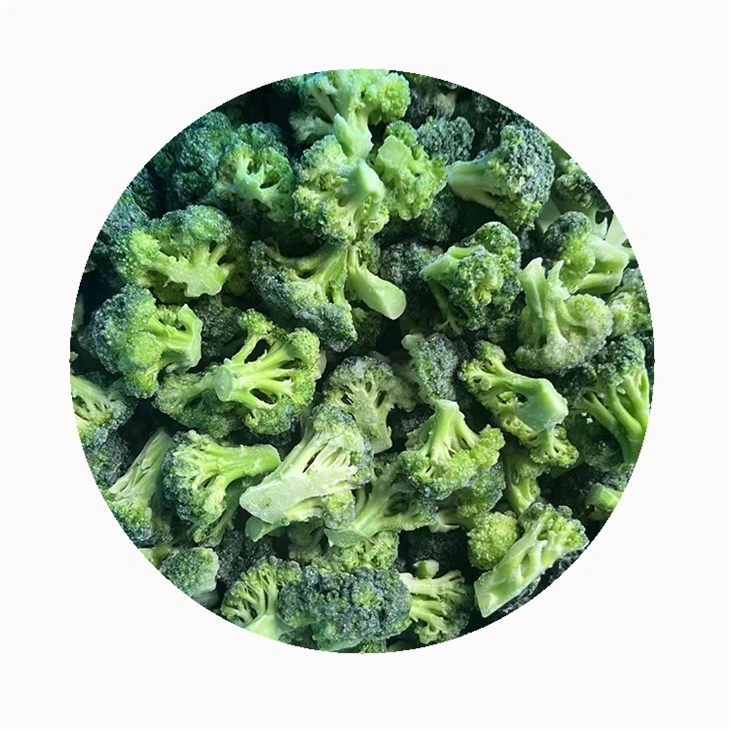
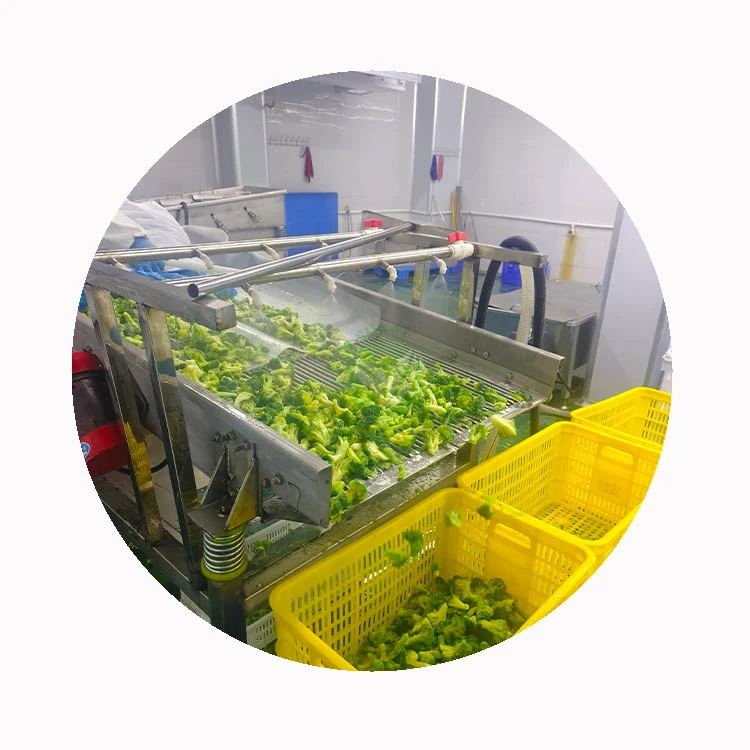
For frozen broccoli, follow the product specification and cooking instruction. IQF florets may be washed, cut and blanched during manufacture, yet that does not by itself establish ready-to-eat status. The XMSD guide on broccoli cooking methods covers the preparation intent; this page uses cooking only as one controlled tolerance and application variable.
Cooking also does not repair decay, recall status, time-temperature abuse or cross-contamination unless a validated process and responsible safety decision specifically address the hazard. Do not route a failed raw lot into a cooked meal merely to avoid rejection. Preserve the lot, observation and disposition record.

What buyers and menu teams should document
Start with the intended application and audience. Record fresh or IQF identity, ready-to-eat or cook-before-eating status, ingredient statement, floret size, stem ratio, lot code, storage, preparation, serving mass and hold. For complaint review, retain the complete recipe and other ingredients rather than sending a supplier only the word "bloating."
Separate product complaints from individual reactions. A repeated abnormal odor across cartons is a lot-condition signal. One user's gas after a complex meal does not by itself prove a defect. An immediate allergy-type reaction still deserves the appropriate safety response even if other diners are unaffected. The investigation route depends on the signal, not on how many people like broccoli.
For an IQF program, agree on geometry, defects, blanching direction, free-flow condition, microbiological specification, pack, destination, documents, sample approval and complaint traceability. The XMSD frozen broccoli product page provides a starting point for size and packing discussion; the accepted sample and contract must control your order.
Review a frozen broccoli application with XMSD
Send the intended cooked application, floret size, stem ratio, pack, destination, document scope, sample standard and annual volume. We will review the commercial requirement without turning product information into individual medical advice.