


XMSD Raw Broccoli Avoidance Guide: People and Settings
Jun 06, 2019

Most people do not need a blanket ban on raw broccoli. You should avoid or pause raw service when the person has a known relevant allergy, a prescribed texture-modified diet, difficulty chewing or swallowing, or clinical advice against that form. A food business should also stop when the lot is recalled or failed, the product directs cooking, or the kitchen cannot control washing, separation and chilled holding.
The alternative depends on why raw service is unsuitable. Cooking may help with texture and reduce microbial risk, but it does not make an allergen safe, reverse a recall or replace an individualized swallowing plan. Sometimes the correct alternative is a smaller cooked cut; sometimes it is a different ingredient, a validated ready-to-eat product or no service until the responsible clinician or food-safety owner decides.
Recommended decision: identify whether the limiting reason is allergy, chewing/swallowing, vulnerability to foodborne illness, product status, kitchen control or simple preference. Apply the control for that reason and document who approved the alternative. "Cook it" is not a universal answer, and "wash it again" is not a release procedure.

Use the reason for avoidance to choose the alternative
| Reason raw service is paused | Wrong shortcut | Better route |
|---|---|---|
| Known or suspected allergy | Assume cooking or freezing removes it | Follow the allergy action plan and use an approved substitute. |
| Prescribed texture modification | Cut raw florets smaller by eye | Prepare and test the prescribed texture under the responsible care plan. |
| Higher foodborne-illness vulnerability | Promise washing eliminates risk | Use the facility and clinician-approved safer food route. |
| Cook-before-eating or failed lot | Judge by green color | Follow the instruction or hold and disposition procedure. |
| No controlled raw-preparation line | Rinse at the last minute | Change the process or select a validated cooked application. |
This decision is narrower than asking whether broccoli is edible raw. The XMSD guide on raw broccoli safety and product form covers fresh, prewashed and IQF identity, washing and raw-service release. This page assumes you have identified the product and asks when raw service should not be the selected route.
Start with the controlling evidence. A customer preference can support a simple cooked substitution. A clinician-prescribed texture, allergy action plan or facility food-safety policy requires the specified route and approval. A supplier label controls intended use, while a recall or failed condition triggers hold and disposition. Keeping those authorities separate prevents a kitchen preference from overriding a clinical or safety requirement.
Also record the consequence of being wrong. An overly firm piece may create a swallowing hazard; an informal allergen substitution may expose a diner; an uncontrolled raw process may increase foodborne-illness risk; a cook-before-eating product may be misused. Where the consequence is serious, pause first and obtain the missing decision rather than improvising service.
Avoid unsupervised raw service for a known or suspected allergy
An immediate itchy mouth or throat after raw fruit or vegetables can be associated with pollen food allergy syndrome. A broader food-allergy reaction may include swelling, breathing difficulty or rapidly progressing symptoms. Stop exposure and follow the person's established action plan or qualified medical guidance. Urgent symptoms require the appropriate emergency response.
Some people with pollen food allergy syndrome tolerate a well-cooked form because heat can change certain proteins, but that observation is not permission for a kitchen to run its own challenge. The relevant allergen, severity and personal plan must guide the choice. Freezing, blanching, rinsing or cutting is not proof that an ingredient is suitable.
Service example: a customer record states that raw broccoli causes mouth itching and lists an approved cooked vegetable alternative. The cook must not replace the raw salad with briefly blanched broccoli merely because another guest tolerates it. Use the named alternative, prevent cross-contact, preserve the ingredient and recipe record, and escalate any reaction according to the site procedure.
The preceding XMSD raw broccoli symptom guide explains how allergy signals differ from gas, a failed lot and a medication-related diet question. Here, the operational rule is simpler: a suspected allergy is not an ordinary portion-tolerance test.

A prescribed texture-modified diet overrides the raw-crunch idea
Raw broccoli is firm, fibrous and requires effective biting, chewing and bolus control. For someone with dysphagia, poor dentition or another chewing/swallowing limitation, that texture may be inappropriate. Cambridge University Hospitals advises avoiding foods that require substantial chewing, including raw vegetables, within relevant modified-texture guidance. The person's clinical assessment and prescribed level control the actual meal.
Do not solve this by chopping raw broccoli into random small pieces. Particle size is only one property; hardness, fibrousness, moisture, cohesion and mixed textures also matter. A raw floret with dip can create a solid-plus-liquid combination that requires additional oral control. The kitchen must use the approved preparation and test method, not a visual guess that looks soft enough.
A cooked alternative may be steamed or simmered to the specified softness, cut to the required size, and tested under the facility's texture program. Another vegetable or puree may be preferable if broccoli remains fibrous or separates into unsuitable pieces. Record the ingredient, cooking batch, final texture result, holding condition and service identity so the correct tray reaches the correct person.
Care-setting example: a recipe states "soft broccoli" but gives no texture level, cut size or test. Two cooks produce different results: one serves firm 30 mm florets, while another overcooks chopped pieces in thin sauce. Neither word "soft" nor extra cooking demonstrates compliance. Pause service until the diet lead supplies the required texture, test and mixed-consistency rule.

Higher-risk diners need the approved safer-food policy
CDC identifies adults 65 and older, children under five, pregnant women and people with weakened immune systems as groups at increased risk of severe foodborne illness. FDA likewise emphasizes careful handling and lists unwashed fresh vegetables among foods to avoid for higher-risk people. These categories do not create one universal broccoli prescription, but they raise the importance of the facility's approved food policy and clinician advice.
Washing fresh produce under running water can reduce bacteria but does not eliminate them. FDA also advises clean hands, clean equipment, separation from raw animal products, refrigeration of pre-cut produce and rejection of rotten produce. A kitchen must not advertise a wash step as zero risk, particularly when serving a population more likely to experience severe outcomes.
For a hospital, care home, early-childhood program or other controlled setting, use the menu, supplier and processing rules already approved for that population. If the policy calls for cooked vegetables, use a validated cooking and post-cook handling procedure. If a validated ready-to-eat fresh item is allowed, keep its product status, cold chain and cross-contamination controls intact.
Policy example: a caterer offers one raw broccoli platter across a corporate event and an attached senior-care service. The product and wash process may be the same, but the approved audiences and hazard controls are not automatically interchangeable. The senior-care menu owner reviews the population-specific policy and selects the documented cooked route; the decision is recorded before production, not made at the buffet.
Preference and ordinary digestive comfort allow more flexible choices
Some people simply dislike the firm bite or notice ordinary gas after a large raw serving. If there is no allergy concern, prescribed restriction or red-flag symptom, the practical alternatives can be modest: reduce the measured portion, use a finer cut, pair it with other foods or compare a lightly cooked form. Change one variable at a time so you can tell which adjustment improves acceptance.
Do not confuse preference with a product defect. A sound raw floret may be too coarse for one salad design yet suitable for another. Conversely, do not hide decay, abnormal odor or failed temperature history behind a customer-preference label. The first calls for recipe development; the second calls for a lot hold and authorized disposition.
Menu example: a café's 120 g raw broccoli cup has high plate waste but no safety complaint. A trial compares 70 g finely cut raw florets with 90 g lightly steamed and chilled florets, using the same dressing and service time. The team records acceptance, finished yield and temperature. It chooses the better-performing route without claiming that one form is medically superior.
Persistent, severe or changing digestive symptoms still need qualified review. A menu team can provide portion and recipe records, but it should not diagnose intolerance or prescribe an elimination diet. The more serious the symptom or consequence, the less appropriate it is to keep running informal food challenges.
Do not serve an IQF cook-before-eating product raw
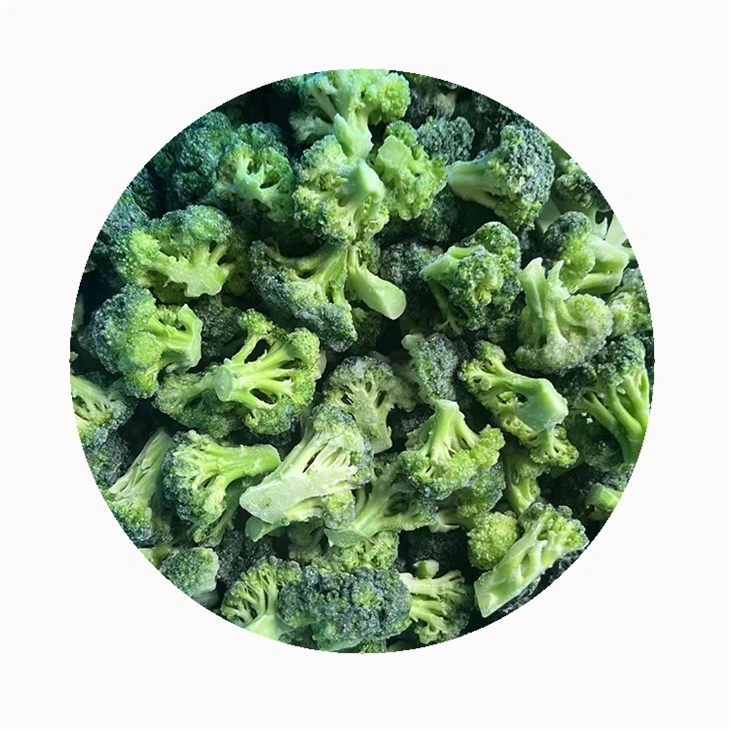
IQF broccoli is a different product form from a fresh raw-service head or validated ready-to-eat fresh-cut pack. Frozen florets may be washed, cut and blanched as part of manufacture, but blanching for quality does not by itself establish a ready-to-eat claim. The specification, inner pack and case instruction must agree on intended use.
Do not thaw a cook-before-eating product into a salad because it looks clean and green. Use the directed cooking process and validate the actual load, equipment, time, finished texture and holding route. If the proposed application needs a chilled broccoli component, design and validate a cook-cool-hold process instead of relabeling thawed IQF broccoli as raw.
The XMSD guide on how to cook broccoli covers preparation methods. For procurement, request the product specification, process description, intended-use statement and sample before the menu is locked. A supplier's general description cannot override a printed cooking instruction.

A failed lot has no raw-service workaround
Hold a recalled lot or one showing decay, mold, sliminess, fermentation, abnormal odor, serious foreign material, uncontrolled temperature history or other specified rejection signals. Washing, trimming, dressing and smaller cuts cannot convert a failed lot into an approved raw ingredient. Preserve trace codes, photographs, affected quantity and the observation that triggered the hold.
Cooking is not an automatic salvage route either. Only the responsible quality or food-safety owner should authorize a disposition supported by the hazard, intended process and applicable procedure. A commercially unattractive but otherwise acceptable lot may be diverted to another documented application; a safety failure must not be hidden inside soup, puree or sauce.
Receiving example: a 400 kg fresh lot shows acceptable color in most cartons, but two pallet zones have warm product, wet cartons and sour odor. The buyer does not average those failures against the good cases or send them to a cooked line. The affected identity is isolated, adjacent cases are examined, temperature and trace records are reviewed, and disposition waits for the authorized decision.
Protect the alternative after cooking
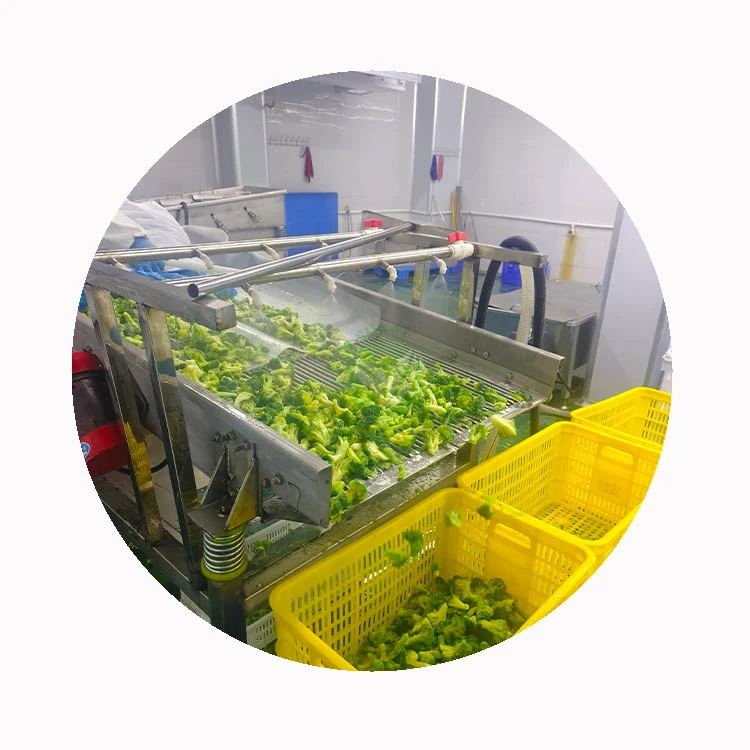
Choosing a cooked route creates new control points. Define load size, cooking endpoint, drain method, cooling, protected storage, transport, reheating if used, and service or discard time. A valid cooking step can be undermined by dirty utensils, contact with raw produce or meat, slow cooling or an uncontrolled buffet. The finished product needs its own identity and records.
Texture should be measured at the point of service, not only when the pan leaves the cooker. Chilled holding can firm the vegetable; reheating can soften it further; sauce can separate into a mixed consistency. For a prescribed texture, repeat the approved test after the real process and hold. For ordinary foodservice, score bite, color, breakage and water release against the accepted sample.
Cook-chill example: the central kitchen approves a 6 kg load after a texture and yield trial. Production then fills a 15 kg pan, extending heating and cooling time while the center and edges finish differently. The original approval does not cover the new worst-case load. Hold the change, run the actual 15 kg process and document safety, texture, cooling and usable yield before routine service.
When the kitchen cannot control raw preparation, change the route
Raw preparation requires potable running water, clean hands, clean drain equipment, protected cutting and separation from raw meat, poultry, seafood, dirty cartons and waste. Cut produce also needs appropriate refrigeration and a defined preparation and discard window. If a temporary site, outdoor event or overloaded kitchen cannot maintain these controls, raw broccoli should not remain on the menu by habit.
A controlled alternative might be a centrally prepared and approved ready-to-eat component, a validated cooked hot side, or a cook-chill component transported and held under the correct program. The right choice depends on available equipment, service time, population and product instruction. Keep raw and cooked identities separate on labels and records.
Worked example: compare two feasible service routes
An event requires 1,200 portions at 75 g, so it needs 1,200 × 0.075 = 90.0 kg accepted product.
Fresh heads yield 82% after approved trim, wash and drain: 90.0 ÷ 0.82 = 109.76 kg incoming fresh. The site, however, has no potable raw-produce sink or protected cutting zone, so this route fails the process requirement regardless of material price.
A cooked IQF route yields 88% after cooking and draining: 90.0 ÷ 0.88 = 102.27 kg frozen input. The central kitchen has validated cooking, cooling, sealed transport and chilled holding.
The decision is not that frozen is always safer or lower in cost. For this event, it is the only compared route that meets the available process controls. Labor, energy, pack and delivered cost are calculated after feasibility, not used to excuse a missing hygiene control.
Recheck the decision when the setting changes. A central kitchen with a validated fresh-preparation room may approve raw trays, while a remote serving point may not. Do not copy one site's release across locations without comparing water, equipment, staff training, cold holding, service time and cleanup.
Build a short pre-service release record for each location. Identify the product and lot, intended audience, approved route, preparation site, transport condition, receiving temperature, serving window and person authorized to stop service. If an essential field is unknown, state the consequence and obtain the missing evidence. This keeps a last-minute schedule change from silently converting a controlled central process into an uncontrolled raw-preparation task.
After service, reconcile prepared mass, accepted portions, returned product and waste. A route that is technically feasible but produces poor texture, high breakage or excessive waste may need a different cut, pack or menu use. Keep commercial improvement separate from safety approval: a lower-waste trial can optimize an approved route but cannot justify removing a required control.

Specify the alternative before approving supply
Tell the supplier whether the application is raw fresh, validated ready-to-eat fresh-cut, cook-before-eating IQF, cooked chilled or hot service. State floret size, stem ratio, defect limits, pack, cold-chain route, intended process, serving population, document scope and sample acceptance. "Broccoli for salad" is too vague when one buyer means raw florets and another means a cooked chilled component.
Match certificate holder, facility, product scope and validity to the selected route. Review the available XMSD document categories on the certification page, then request the controlled copies relevant to the order. A certificate logo cannot establish an individual allergy or texture suitability claim.
For an IQF alternative, the XMSD frozen broccoli product page provides common size and packing directions for discussion. The accepted sample, specification, contract and cooking validation-not a website image-must control the finished program.
Discuss a controlled cooked broccoli program with XMSD
Send your intended cooked application, floret size, stem ratio, pack, destination, document scope, sample standard and annual volume. We will review the commercial requirement while you retain responsibility for population-specific clinical and service approval.
References
- U.S. Food and Drug Administration, People at Risk of Foodborne Illness
- U.S. Centers for Disease Control and Prevention, People at Increased Risk for Food Poisoning
- U.S. Food and Drug Administration, Selecting and Serving Produce Safely
- Cambridge University Hospitals, Modified Texture Diet Guidance
- NHS, Food Allergy and Oral Allergy Syndrome