


XMSD Raw Broccoli Guide: Safety, Digestion and Product Form
Jun 06, 2019

Yes, sound fresh broccoli can be eaten raw after appropriate handling. Raw florets and tender stem pieces are used in salads, snack trays, slaws and dips. The useful qualification is that "broccoli" can mean a fresh head, fresh-cut florets, a prewashed ready-to-eat pack or blanched IQF frozen broccoli. These forms do not share one preparation instruction.
Raw broccoli is not automatically more nutritious, safer or better tolerated than cooked broccoli. Cooking changes texture, flavor, water content and some compounds. Some people find raw cruciferous vegetables harder to chew or more likely to cause gas, while others tolerate them normally. Food-safety decisions depend on lot condition, hygiene, label directions and intended use, not on a claim that raw food is universally superior.
Practical answer: for raw service, start with sound fresh broccoli, follow the package status, wash non-prewashed produce under running water, prevent cross-contamination and keep cut product under the required temperature control. For frozen broccoli, follow its specification and cooking instructions; do not assume a blanched IQF product is ready to eat.

First decide whether the product is actually intended for raw service
A whole fresh head sold for consumer preparation is different from a sealed ready-to-eat fresh-cut pack. A fresh-cut pack may carry a validated prewashed statement, while a loose head normally requires sorting, trimming and washing. An IQF product may have been washed, cut and blanched before freezing but still carry a cook-before-eating instruction. Blanching for frozen quality is not automatically a final consumer kill step.
| Broccoli form | Deciding evidence | Preparation direction |
|---|---|---|
| Whole fresh head | Sound condition, source, raw-use procedure | Trim, wash under running water, cut with clean equipment and protect from recontamination. |
| Fresh-cut prewashed pack | Label and validated supplier status | Follow the pack; do not add an uncontrolled rewash that can recontaminate the product. |
| IQF frozen florets | Specification, label and intended use | Use the directed cooking or validated production process. |
| Cooked chilled component | Cook, cooling and hold records | Control post-cook handling and refrigerated service; do not call it raw. |
When you qualify a supply program, "washed" and "ready to eat" must not be treated as synonyms. Ask what process each statement covers, which facility and product are in scope, how the lot is identified and whether the claim appears consistently on the contract, case and inner pack. If the intended-use statement is missing, hold the application decision for clarification.
Keep the adjacent intents separate. The XMSD guide on how to prepare frozen broccoli covers stove, microwave and oven use. This article answers whether a broccoli form fits raw service and how to qualify that decision.
Raw broccoli food safety starts before the final rinse
FDA advises washing fresh produce thoroughly under running water before preparing or eating it and advises against soap, detergent or commercial produce wash. Washing can reduce surface contamination but does not eliminate every hazard. Begin with clean hands, potable water, clean cutting equipment and a work area separated from raw meat, poultry, seafood, dirty cartons and waste.
Inspect the head before cutting. Reject according to your specification when you find decay, mold, sliminess, fermentation or abnormal odor, serious insect damage, contaminated foreign material or a recalled lot. Trim only defects that your procedure permits. Cutting a visibly failed head into smaller florets does not convert it into acceptable raw produce.
Use running water to reach exposed surfaces without soaking the product in a sink that may spread contamination. Drain in clean equipment. If florets are cut before washing, define how you prevent dirty outer material from moving onto cut surfaces. If they are cut after washing, clean and sanitize the knife and board under your approved program.
Once broccoli is cut, control time and temperature. A central kitchen, hotel buffet or fresh-prepared retail line needs a documented preparation and hold procedure. Record lot, preparation time, handler, refrigeration and discard time. Raw service removes a later cooking step that might otherwise reduce some hazards, so hygiene and source controls carry more weight.

Test the actual preparation line
Practical example: a salad kitchen compares three 5.0 kg fresh lots using one written procedure. It records incoming defects, trim, washed/drained mass, raw floret size, broken particles and condition after a four-hour chilled hold. Two lots remain crisp with less than 4% non-overlapping trim and breakage; one late-harvest lot produces 13% yellow beads, coarse stem and fragments. The action is to hold the failed lot and trace its harvest identity, not to extend washing or hide it in a smaller cut.
Digestion and gas are tolerance questions, not proof that raw broccoli is "bad"
Raw broccoli has a firm plant structure and contains fiber and fermentable carbohydrates. A large portion, fast eating or a sudden increase in cruciferous vegetables may produce fullness or gas for some people. That response varies. It does not make normal raw broccoli poisonous, and it does not justify promising that cooking will solve every digestive symptom.
If tolerance is the concern, change one variable at a time: use a smaller measured portion, cut it more finely, chew thoroughly or compare it with lightly cooked broccoli in an otherwise similar meal. Record the full recipe because dip, dressing, dairy, onion, garlic and portion size may matter more than the broccoli form. Persistent or severe symptoms, allergy signs, difficulty swallowing or a medically prescribed diet need qualified professional advice.
Do not convert common internet warnings into blanket medical rules. Questions about thyroid disease, anticoagulant medicine, gastrointestinal disease, pregnancy, immune compromise or individual allergy need personal clinical advice. A B2B article can help you control product and process; it cannot determine an individual treatment plan.

Raw versus cooked nutrition is a trade-off, not a winner-takes-all ranking
Broccoli contributes fiber and micronutrients as part of a meal. Heat, water, cut size and holding can change measured nutrient content, while cooking also changes edible mass, texture and portion acceptance. A 100 g raw sample and a 100 g cooked sample are not automatically the same starting quantity because water and solids move during preparation.
Cruciferous vegetables contain glucosinolates that can form biologically active compounds during cutting, chewing and digestion. The National Cancer Institute explains that human studies have produced mixed results and that research has not identified a specific group guaranteed to benefit. Do not turn a plant compound, laboratory mechanism or observational association into a promise that raw broccoli prevents or treats cancer.
The commercially useful question is whether people will eat the planned serving and whether the process is safe and repeatable. Raw florets provide crunch in a fresh tray. Light cooking may improve tenderness and meal integration. Longer boiling may soften the product more and move water-soluble components into cooking water. Choose the method for the application, then measure yield, acceptance and label basis.
For a fair kitchen trial, start both samples from one documented lot and record the starting mass. Serve one portion raw after the approved wash-and-cut process and cook the other with a stated method, time and drain endpoint. Compare the same edible portion rather than placing 100 g of untrimmed head beside 100 g of drained cooked florets. This prevents preparation loss and retained water from being mistaken for a nutrient or value advantage.
Menu context also changes the decision. A raw broccoli cup may be eaten with a high-sodium dip, while a lightly cooked side may be served with oil, sauce or cheese. Procurement teams therefore need the complete formula, serving mass and preparation record before comparing nutrition panels, ingredient cost or customer acceptance. Product form is one variable inside a meal system, not a complete health conclusion by itself.
For a separate discussion of composition and processing, review the XMSD pages on frozen broccoli and nutrition and freezing and broccoli nutrient retention. This page stays on raw-service decisions rather than repeating those nutrient comparisons.
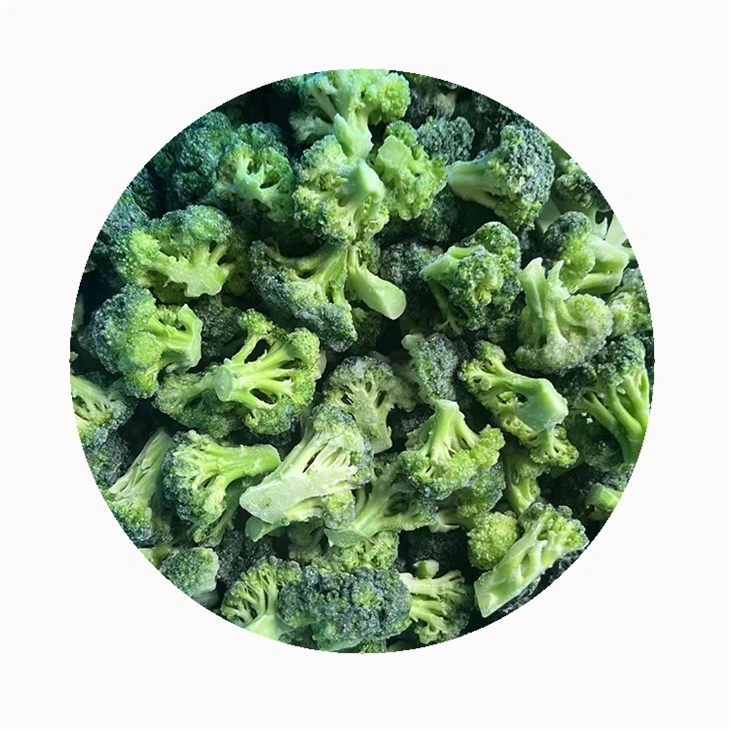
When raw service is not the right route
Do not release a recalled, temperature-abused, decayed or otherwise failed lot because the planned recipe does not include cooking. Washing is a control step, not a rescue treatment. Place the lot on hold, preserve its labels and trace codes, document the observed condition and follow the responsible food-safety decision. A lower price or urgent service schedule does not change the release evidence required.
Raw service is also the wrong assumption when the supplier's specification or pack directs cooking and you have no validated ready-to-eat status. This commonly matters when a buyer sees clean, green IQF florets and treats appearance as proof of raw suitability. Ask the supplier to confirm intended use in writing and align the answer with the case label, inner pack and facility scope. Until then, use the directed cooking process.
Some institutions apply stricter policies for vulnerable populations or particular service environments. Hospitals, care facilities, schools and central kitchens may have approved menus, supplier controls and produce procedures beyond a general household instruction. The responsible operator should follow that program and qualified clinical guidance where relevant. This article cannot replace a site-specific hazard analysis, regulatory requirement or individual medical restriction.
Finally, reject raw service when the product simply fails the application even though it remains otherwise usable. Open flowers, coarse stems, uneven cuts or weak chilled-hold texture can make a lot unsuitable for a premium snack tray. A documented cooked soup, puree or prepared-meal route may recover value if that separate specification is met. Record the diversion; do not quietly relax the raw specification after receipt.
Measure edible yield and portion cost by form
A fresh-head price and an IQF floret price cannot be compared directly. Fresh heads may require leaf, coarse-stem and defect trim plus washing and cutting labor. IQF florets arrive closer to the final geometry but may have cook loss, broken particles or a stem ratio that does not fit the application. Compare accepted finished kilograms.
Worked example: raw-tray yield and portion cost
A kitchen receives 120.0 kg fresh broccoli heads at USD 2.10/kg, for a delivered raw-material cost of USD 252.
Trimming removes 19.0 kg coarse base, leaves and specified defects. Washing, draining and cutting leave 98.0 kg accepted raw florets and tender stem pieces; the 3.0 kg reconciliation difference is recorded as water and handling loss.
Accepted yield = 98.0 ÷ 120.0 = 81.67%. Raw-material cost per accepted kilogram = USD 252 ÷ 98.0 = USD 2.57/kg.
At an 80 g raw-tray portion, 98.0 kg provides 98,000 ÷ 80 = 1,225 portions, with about USD 0.206 broccoli cost per portion before labor, dip, packaging, refrigeration and overhead.
If the same operation considers frozen product, use its delivered price, accepted whole-floret and stem ratio, required cooking, cooked/drained yield and application result. The XMSD IQF broccoli floret page lists common size directions for buyer discussion, but your accepted sample and contract must define the actual program.
Qualify the lot for the intended bite and geometry
Raw service exposes qualities that cooking or blending can hide. Specify head or floret identity, color, closed beads, compactness, stem tenderness, cut dimensions, stem length, insect damage, decay, yellowing, foreign material and allowable fragments. A tough stem is an application defect for a raw snack even when it is sound food material for soup or puree.
Sample across cases and pallet positions. Sort categories without overlap and state whether the denominator is count or mass. Run the real preparation, then score bite, flavor, odor, appearance, moisture, breakage and hold. Preserve lot codes and photographs. One attractive top-layer sample cannot qualify a shipment.
Receiving example: five cartons each provide a 2.0 kg sample. Four cartons produce 86% to 89% accepted raw-service florets; one produces 61% because of open flowers and fibrous long stem. Do not average the failure away. Hold the affected packing identity, inspect adjacent cartons and trace the harvest or cutting shift before deciding release, regrade or rejection.

Build a raw-service specification and release record
Write the specification around the service result, not a generic word such as "premium." Identify accepted varieties or comparable characteristics, head or floret form, cut range, maximum stem length, color, maturity, tenderness and limits for decay, insects, foreign material, yellow beads and fragments. Add storage temperature, remaining-life requirement, pack format, lot coding and the evidence supporting any prewashed or ready-to-eat statement.
The receiving record should connect each result to a lot. Note carton and pallet position, sample mass, defect categories, trim mass, washed/drained yield and photographs under consistent light. Keep food-safety release separate from commercial grading: a lot can be safe yet too fibrous for the application, while attractive color cannot override a recall, abnormal condition or conflicting preparation instruction.
Set the release authority before the shipment arrives. The receiver can record and isolate a deviation, but the named quality owner should decide whether evidence supports acceptance, sorting, rework, diversion or rejection. That separation prevents production pressure from turning an observation into an informal concession. Record the decision, reason, affected quantity and disposition against the same lot code so a later complaint or trace exercise can reconstruct what happened.
Release example: a buyer approves raw florets at 25–45 mm with no more than 6% combined off-size pieces and fragments by mass. A 10 kg composite sample returns 0.38 kg off-size pieces and 0.14 kg fragments, but 0.11 kg is present in both categories. The non-overlapping total is 0.41 kg, or 4.1%, not 5.2%. The lot passes this commercial limit only after food-safety, condition and document checks pass separately.
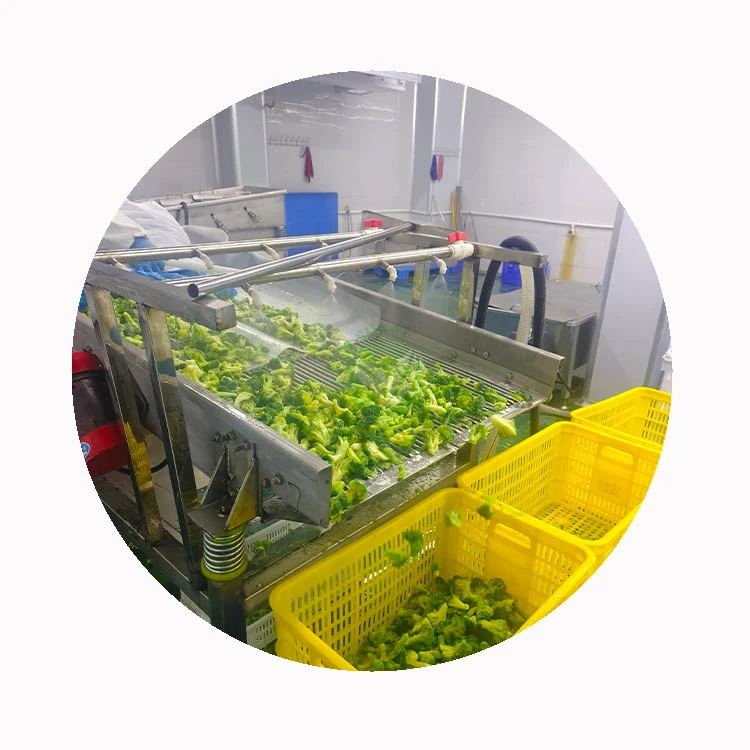
Common raw-broccoli failures and what to do
Yellow beads or open flowers: investigate harvest maturity, temperature and hold. Route only to a validated lower-value application if the lot remains safe and meets that specification; washing will not restore maturity.
Strong sulfur odor or slimy tissue: hold the lot and apply the condition/rejection procedure. Do not describe normal cruciferous aroma and spoilage as the same signal, and do not depend on dressing to cover an abnormal odor.
Fibrous bite: check cultivar, maturity, stem diameter, peel/trim rule and cut. Test a smaller tender-stem inclusion rather than discarding all stems by habit or claiming the whole head has one texture.
Water in the fresh tray: measure drain endpoint, cut timing, salt or acid in the dressing, hold time and temperature. Separate retained wash water from normal tissue moisture and recipe liquid.
A package instruction conflicts with the proposed raw use: stop. Resolve intended-use status with the responsible supplier and food-safety owner before service. Appearance is not authorization.

What a frozen broccoli buyer should confirm
Tell the supplier the actual application: retail frozen bag, foodservice side, ready meal, soup, stir-fry, salad component or ingredient processing. State floret size, stem length and ratio, color, defect limits, blanching direction, free-flow requirement, microbiological specification, cooking instruction, pack, destination, storage, documents and sample approval.
For raw applications, source fresh product through an appropriate fresh-produce program rather than repurposing IQF stock without evidence. For cooked applications, validate the real load, equipment, time, temperature, texture and yield. Keep certificate holder, facility scope, product scope and validity aligned with the selected supply route. Review available XMSD document categories on the certification page.
Discuss your frozen broccoli application with XMSD
Send your floret size, stem ratio, intended cooking process, packaging, destination, document scope, sample standard and annual volume. We will review the requirement before matching a frozen broccoli program.
References
- U.S. Food and Drug Administration, Selecting and Serving Produce Safely
- U.S. Food and Drug Administration, Guide to Minimize Microbial Food Safety Hazards for Fresh Fruits and Vegetables
- U.S. National Cancer Institute, Cruciferous Vegetables and Cancer Prevention
- USDA Agricultural Marketing Service, Frozen Broccoli Grades and Standards