


Who Should Avoid Edamame? Allergy and Dietary Precautions
Dec 31, 2020

People with a confirmed soy allergy should avoid edamame because it is soybean. Removing the pod, freezing the beans or blending them into a sauce does not change that ingredient identity. A person with suspected allergy symptoms needs medical assessment, rather than a smaller serving used as a home test.
Other situations need a more specific answer. Someone with kidney disease may need a portion that fits an individual potassium and protein plan. A person taking levothyroxine should check food and medicine instructions with their pharmacist or prescriber. Young children need a food texture appropriate to their development; whole beans can be a choking hazard. These are different decisions, and putting everyone into one "do not eat" group obscures the action each person needs.
Pregnancy, breastfeeding or older age alone is not a sound basis for a blanket edamame ban. Consider the actual allergy history, prescribed diet, medication, swallowing ability and preparation. The useful starting point is the reason for the restriction, followed by the form and quantity of food being offered.

Soy allergy means avoiding edamame in every ordinary food form
ASCIA's dietary guide explicitly lists edamame among foods containing soy that people with confirmed soy allergy should avoid. The familiar green pod is a young soybean pod. Shelled kernels, sometimes sold as mukimame, remain soybeans. They should not be confused with green peas simply because both are small green ingredients used in mixed dishes.
That distinction matters when the original package is no longer beside the food. A container marked only "green beans" can leave a cook or diner uncertain about what it holds. Preserve the specific name and soy identity when portioning, transferring or describing the ingredient. When the person requesting a meal says they have a soy allergy, communicate that clearly to the person preparing it.
Our shelled edamame product illustrates the food form: removing the pod changes kitchen handling, while the edible ingredient remains soybean. We would keep that identity attached to the product discussion from the first specification through to the intended recipe. A convenient kernel format should never be presented as an alternative to soy for an allergic diner.
Follow the person's allergy guidance for particular soy-derived ingredients; permission for one derivative should stay specific to that ingredient. Whole edamame remains a soy food. ASCIA also notes that most people with soy allergy tolerate other legumes, so an alternative should be assessed on its own ingredients and the individual's advice.

Suspected symptoms need a different response from ordinary meal planning
A food allergy can affect the skin, breathing or digestive system. The NHS advises medical assessment when someone thinks they or their child may have a food allergy. Symptoms such as a rash, swelling, vomiting or stomach pain should be described with the food eaten and the timing, rather than assigned a diagnosis from an ingredient list alone.
Sudden swelling of the mouth, tongue or throat, difficulty breathing or swallowing, collapse or marked confusion can indicate a serious allergic reaction. Call the local emergency number immediately. Use prescribed emergency adrenaline according to the person's action plan and seek emergency help even if symptoms improve. Do not wait for an online discussion or a food diary when severe symptoms are present.
For a non-emergency assessment, keep the package and record the complete meal, approximate quantity, preparation, symptom timing and any previous reaction. A seasoned edamame dish may also contain sesame, wheat, milk or other ingredients, depending on its recipe. Bring those details to the clinician. The supplier can help identify the product and provide the relevant ingredient record.
Digestive discomfort and food allergy are not interchangeable labels. A person who reports bloating after a large meal may need a different assessment from someone with swelling and breathing difficulty. Avoid using a casual description such as "it is only intolerance" to dismiss a new or recurring reaction. If allergy is suspected, do not deliberately repeat the food to see what happens.
Kidney disease calls for an individual food and portion plan
Edamame contains potassium and protein, both relevant to some kidney diets. Healthy kidneys help balance minerals in the blood. Chronic kidney disease can change that balance, and potassium that is too high or too low can cause problems. NIDDK therefore emphasizes working with the healthcare team to find the appropriate amount for the individual.
NIDDK describes an individual approach to kidney diets. Restrictions can change with the condition and treatment. Protein also needs a balance between adequate nourishment and the requirements of the prescribed diet. Discuss both minerals and protein when deciding how edamame fits, including any changes the care team has made since an earlier meal plan.
For context, USDA's frozen prepared edamame record gives 436 mg potassium and 11.91 g protein per 100 g of edible beans. Use those figures with edible bean weight.
The amount eaten, the rest of the day's food and the prescribed plan determine how the ingredient is assessed. A personal potassium allowance comes from the care team.
Plain beans and a heavily seasoned dish require different information. A sauce or seasoning may change sodium and other nutrients. Keep the ingredient list and the actual serving with the calculation. If the nutrition panel describes the product as sold, do not silently apply it to a different weight measured after preparation.
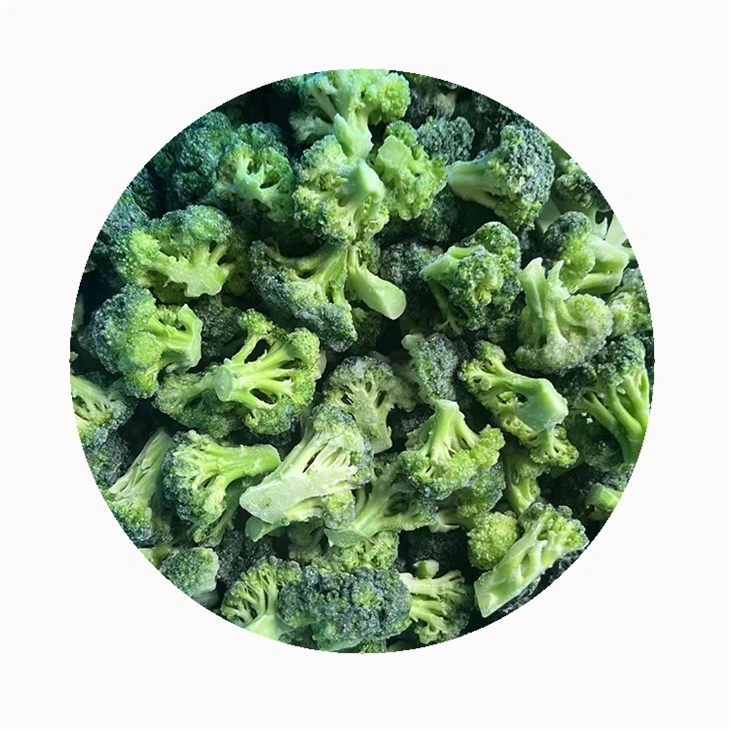
The broccoli photograph below shows another vegetable component that may appear in a meal. Its quantity and preparation need their own entry in a dietary assessment. Keep the planned amounts of all components together when discussing a substitution. A change in the vegetable mix calls for a new calculation using the replacement ingredients.
The detailed edamame nutrition comparison explains prepared and unprepared reference values. For someone following a kidney diet, the practical next step is to take the relevant product information and planned edible portion to their renal dietitian. An online list of "good" and "bad" vegetables is too blunt to replace that discussion.
Example: preparing a portion question for a renal dietitian
Consider an illustrative meal-planning comparison between 40 g and 80 g of prepared edible edamame. Using the USDA reference of 436 mg potassium per 100 g, the smaller amount contributes 40 × 436 ÷ 100 = 174.4 mg. The larger amount contributes 348.8 mg. The difference is 174.4 mg of potassium from the beans.
These are food-accounting values for the consultation, not recommended portions. Add the planned potatoes, sauce, other protein food or potassium-containing seasoning to the discussion. Bring the current dietary instructions as well, so the professional can assess the complete proposal against the plan already in place.
The decision is whether an amount of edamame fits the existing plan, whether another component should change, or whether a different food is preferable. Bring the recipe and package information instead of asking only whether "edamame is allowed." That allows the professional to assess the meal that will actually be eaten.
Write down whether the agreed amount is for one meal or part of a larger recipe. If several household members share a dish, record how the portion for the person following the plan will be separated. This avoids an agreed ingredient quantity being spread across a communal bowl with no clear amount reaching the intended serving.
Once a portion has been agreed, reproduce its weight consistently. A serving in pods requires a different measurement from a serving of shelled beans. Record the edible amount after the preparation used for the calculation. A larger bowl filled loosely with pods cannot be substituted gram for gram without changing the basis.
After the consultation, retain the agreed portion and preparation basis with the recipe. Someone else preparing the meal should be able to find the same amount and reproduce it without reconstructing the calculation. If the care team later changes the plan, update that record before using the earlier portion again.

Levothyroxine users should check the food and medicine routine
The important question for a person taking levothyroxine is how food may affect medicine absorption. A levothyroxine label in DailyMed identifies soybean flour and dietary fiber among substances that may reduce absorption. That is a drug-food interaction statement; it is not an edamame portion study or a universal instruction to stop eating every soy food.
Current NHS guidance says levothyroxine is generally taken on an empty stomach 30 to 60 minutes before the first meal of the day. It also directs people to their medicine leaflet and pharmacist or doctor. Follow the instructions for the actual prescription and discuss dietary changes with the prescriber. Do not change the dose to compensate for a meal.
Make the question specific: the medicine name and formulation, the current time it is taken, the usual first meal and the proposed change in soy intake. A pharmacist can give much more useful advice from that information than from a broad question about whether soy is "bad for the thyroid." Keep any recommended monitoring or routine consistent with the treatment plan.
For the conversation with the pharmacist, describe a typical day rather than only the proposed snack. Include the timing of breakfast, other medicines and supplements. Keep any agreed routine with the prescription instructions so a change in meal planning does not become an unrecorded change in medicine use. The general meal interval above is not an edamame-specific recommendation.
Pregnancy and breastfeeding do not create a blanket ban
NHS guidance says pregnant or breastfeeding people do not need to avoid foods that can trigger allergies solely for that reason, unless they are themselves allergic. A known allergy or a clinician-directed elimination diet is a separate situation. Someone already following such a plan should discuss changes with the professional responsible for it.
Keep ordinary soy foods distinct from concentrated supplements. NCCIH's safety discussion raises different questions for amounts greater than those commonly found in foods during pregnancy and breastfeeding. Check the exact product being discussed: a serving of beans, a fortified food or a concentrated supplement. Bring that description to any discussion about pregnancy or breastfeeding concerns.
For an ordinary meal, assess the actual dish and preparation. Plain cooked beans, a salty snack, a mixed salad and a soy supplement are different products. Read the ingredients, follow cooking directions and consider the serving within the wider diet. If a maternal or infant allergy is being investigated, provide a clear food record and follow the clinical plan instead of starting multiple exclusions independently.
This approach also avoids unnecessary confusion at home. The person buying groceries needs to know whether the request is a diagnosed soy exclusion, a specific temporary plan or simply a preference for a different meal. Keep those reasons accurately described so a necessary restriction is followed and a preference is not turned into a medical claim.
Young children need suitable texture as well as allergy awareness
Soy can be introduced as a food during complementary feeding, but presentation matters. NHS guidance includes soya among foods that may be introduced from around six months, with individual advice where an existing allergy, eczema or family history makes extra care appropriate. Preparation needs a separate check before the food is served.
CDC lists whole beans as a potential choking hazard for young children. Food should have the shape, size and texture appropriate to the child's development. Cooked beans may need to be mashed or otherwise prepared appropriately, with pods removed. Keep the child seated upright and closely supervised while eating. Softening a bean and reducing an allergy risk are separate matters: soy remains soy after mashing.
Before preparing a child's portion, establish whether the issue is food introduction, a diagnosed allergy or an eating and swallowing difficulty. These require different plans. A child with a soy allergy should not receive mashed edamame as a workaround. A child who tolerates soy may still need a different texture from an adult's portion.
For an older person with swallowing difficulty or a prescribed texture-modified diet, follow the individual care plan. Tell the person preparing the meal which texture is required and how the food will be assessed at service. The decision concerns that person's eating needs, rather than age alone.

Example: a soy-allergy request during a bowl service
Imagine a kitchen preparing twenty rice bowls. One customer reports a confirmed soy allergy, and the planned vegetable base already contains edamame mixed through it. Picking out the visible beans is not a suitable way to describe that mixture as soy-free. The request needs to reach the responsible member of staff before the bowl is assembled or served.
The supervisor first checks the full recipe, including dressing and toppings. The team then assesses whether it can prepare an appropriate alternative using verified ingredients and its allergen controls. Clean equipment, handling and the possibility of cross-contact matter alongside the ingredient list. If the kitchen cannot provide a suitable meal under those conditions, it should say so clearly.
For foodservice preparation, we would keep the received ingredient details connected to the recipe being served. A substituted dressing or a last-minute vegetable blend can change the information the service team needs. The product name on an old worksheet is not enough when the actual components have changed.
The alternative also needs a complete ingredient check. A mixed vegetable product should be identified by its actual formulation, not assumed suitable from a picture of broccoli, cauliflower and carrots. Evaluate the specific pack and preparation arrangements for the customer concerned. Retain the ingredient and allergen information for the specific product selected.
In this example, the decision is to hold the affected order and assess a separately prepared alternative, rather than serve a bowl that has merely had visible beans removed. The outcome is an honest, controlled response to the request. Record which alternative was offered and make sure the person delivering the plate receives the same information as the person who prepared it.

Keep the ingredient information with the food
The Food Standards Agency recommends keeping allergen information current in product specifications, labels and recipes, including when recipes change. Ingredients transferred out of their original packaging should remain identifiable. These are useful practices whenever several people handle the food between delivery and service.
At XMSD, we would distinguish the information about the supplied ingredient from the information about the finished meal. The buyer needs the correct product identity and relevant documentation. The kitchen also needs the details of everything added later and the controls used during preparation. Keep the ingredient record and the kitchen recipe together so the complete information is available.
Use photographs to identify the food form and written information to assess its use. A photograph of fresh pods in processing bowls can show the ingredient before further handling; it leaves the recipe, allergen controls and dietary portion to be described in the corresponding records.

Follow the actual frozen pack's instructions, including cooking where required. Our edamame freezing guide distinguishes preparation for frozen storage from the instructions needed before serving. Keep the directions available until preparation is complete.
For the person making the meal, a useful final check is to state the reason for any restriction, identify the exact food and describe how it will be served. If the issue is allergy, follow the avoidance and emergency plan. If it is a prescribed diet or medicine routine, use the individual guidance. If it is texture, prepare the food to the person's needs. Each route leads to a specific action rather than an indiscriminate list of people who should never eat edamame.
For a foodservice ingredient requirement, send the intended product form, recipe use and required documentation through our product inquiry page. We will review the relevant product information for your application.
References
- ASCIA: Dietary guide for soy allergy
- NHS: Food allergy
- NIDDK: Healthy eating for adults with chronic kidney disease
- USDA FoodData Central: Frozen prepared edamame, record168411
- NHS: Levothyroxine
- DailyMed: Levothyroxine sodium drug-food interactions, section7.9
- NHS: Food allergies in babies and young children
- CDC: Choking hazards
- NIH NCCIH: Soy
- Food Standards Agency: Allergen guidance for food businesses