


How to Freeze Edamame: Blanching, Cooling and Packing
Dec 31, 2020

To freeze fresh edamame, use a complete blanching method, cool the beans promptly, drain away surface water, pack suitable portions and freeze them without delay. For a home batch, North Dakota State University's edamame guide uses approximately three minutes in boiling water, starting the clock when the edamame enters the water. It then calls for ice-water cooling, draining, quick drying and immediate freezing in dated freezer bags.
Keep that timing rule with that method. Other preservation guidance uses a different blanching time and starts counting when the water returns to a boil. Mixing the shortest time from one source with the timing convention of another makes the process difficult to reproduce.
Already-frozen commercial edamame is a different starting point: store it as directed and follow its preparation instructions. A product described as blanched still needs its intended cooking or ready-to-eat status checked. Freezing fresh pods for later use and preparing a purchased frozen ingredient are separate kitchen jobs, even when the food looks similar.

Identify the food before choosing the method
Start with the form and preparation state. Fresh green pods, raw shelled beans and a purchased frozen pack each need an appropriate set of instructions. The pod is the fibrous outer covering; the beans inside are the portion normally eaten. A process written for whole pods should stay attached to that description when it is copied into a kitchen record.
| Starting food | Which directions apply? | First decision |
|---|---|---|
| Fresh pods | Choose a complete home-preservation method for the stated form | Plan heating, cooling and packing before beginning |
| Raw shelled beans | Use directions appropriate to shelled green soybeans | Keep the exposed-bean form explicit |
| Purchased frozen edamame | Follow the product storage and preparation instructions | Check whether cooking is required |
Inspect fresh pods before beginning. Set aside damaged or deteriorated material, remove loose plant debris and wash the sound pods. Choose a batch you can handle promptly with the equipment available. Freezing is most useful while the ingredient is in good condition, rather than as a last attempt to rescue material that has already deteriorated.
NDSU advises using fresh edamame within two to three days after harvest for best quality. Treat that as a reason to plan the work early, while observing the actual condition and handling history of the food. Purchased produce may have spent time in distribution before it reaches your kitchen, so the purchase date is not necessarily the harvest date.

The shelled form is easier to weigh directly into a recipe, but its exposed beans require their own handling method. For purchased frozen edamame bean kernels, retain the supplied storage and cooking information with the product. Decide on the preparation state before using a general recipe found for another pack.
Prepare cooling and packing before heating
A smooth batch begins with the next steps ready. Set out a suitable pot and lifting basket, a separate clean ice-water vessel, a draining surface and freezer packaging. Clear enough workspace to move the hot basket without reaching across uncooked produce or open packs. Prepare labels while your hands and the bags are dry.
The ice-water vessel needs room for the food and for water to contact it. A tightly filled bowl that overflows when the basket arrives creates extra handling at the point when you should be removing heat. Think through the transfer before starting: where the basket will be placed, where it will drain and which clean utensil will handle the cooled food.

The photograph shows fresh pods prepared for processing at Virginia Tech. Arrange a manageable batch in your own workspace before heating begins.
Keep unprocessed material and cooled material clearly separated. A tray used to hold unwashed pods should be cleaned before it is used for the cooled batch. Allocate a clean place for packaging so the prepared food does not pass back across the original sorting area. These simple movements are easier to maintain when the whole sequence has been arranged in advance.
Blanch with one complete set of directions
For the NDSU home method, bring a large pot of water to a rapid boil; the guide includes approximately one tablespoon of salt per gallon of water. Immerse the edamame in a basket or strainer for about three minutes, timed from entry into the water. Transfer promptly to ice water for a few minutes, shake off water, dry quickly and pack for immediate freezing.
That is a source-specific household method. Keep the basket loading and the heating conditions consistent between batches. If the equipment cannot heat or cool the planned quantity effectively, reduce the quantity handled at once instead of improvising a longer or shorter time. Have the next cooling vessel ready before lifting the food out of the pot.
NCHFP's blanching chart lists five minutes for green soybeans. Its general water-blanching directions start timing after the water returns to boiling. These published instructions differ from NDSU's edamame directions. Follow a complete method suitable for the form you are preserving, and seek local Extension guidance if the food or equipment falls outside it. Averaging three and five minutes would create an unsupported method.

The pilot-plant photograph shows pods in a basket within a processing kettle. Virginia Cooperative Extension discusses research conditions that vary with the food form and equipment. Keep those pilot treatments within their reported context, and use household preservation guidance for a home batch.
Blanching addresses enzyme activity that can damage stored quality. Both insufficient and excessive treatment can give an unsatisfactory result. A bright green appearance is useful to record, but it does not measure the full heat treatment. Keep the method, batch size and timing start together, rather than judging completion solely by color.
Cool, drain and remove surface water
Cooling belongs immediately after blanching. Transfer the batch into the prepared cooling water, allow water to contact the pods throughout and avoid leaving a warm pile waiting for space. Refresh the cooling setup between batches as needed so the next batch meets the same conditions as the first.
Then drain thoroughly and remove surface water promptly. The goal is to remove water carried on the outside, not to leave edamame exposed until the beans lose moisture. A clean draining basket and suitable absorbent surface can help a small batch move efficiently into packaging. Keep the cooled food protected from the original unwashed material and its utensils.
Water trapped between pieces can freeze into bridges that hold them together. This matters when you want to remove only a small amount from a pack. Record whether a clump separates gently or remains a solid mass; forcing a block apart can damage the pods or kernels and make portioning harder.
At XMSD, we would review separation together with surface ice, pack condition and the available handling record. A photograph of a clump gives a useful starting observation, but several causes can lead to similar appearances. Ask what happened before freezing and during storage before assigning the problem to one particular stage.
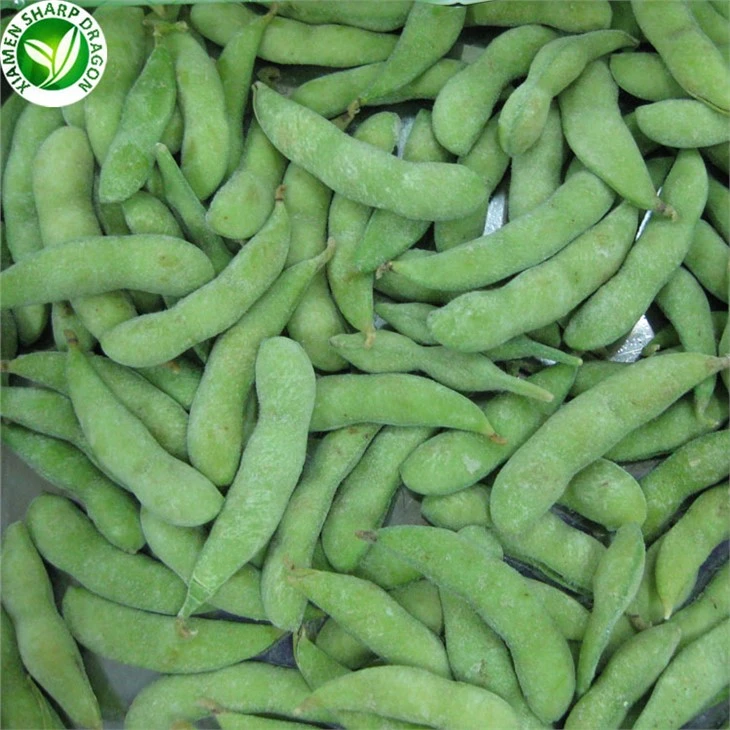
For shelled beans, also note the proportion of intact kernels and loose fragments after preparation. A portion that looked separate while frozen may break during mixing or serving. Assess it at the point of use, with the same preparation instructions applied to each sample. That shows whether the ingredient meets the texture and appearance needed by the recipe.
Example: divide a home batch into useful packs
Suppose a home preserver has an illustrative 1.20 kg of blanched, cooled and drained pods ready to pack. Six portions of 200 g use the full amount: 6 × 200 g = 1,200 g. This is a packing calculation based on the prepared quantity already on the scale, rather than an assumed yield from the original harvest.
The decision is whether each pack will be used in one preparation session. If so, six small packs can be more convenient than one large bag that must be opened repeatedly. Weigh the portions, identify them as in-pod edamame, date the packs and retain a note of the blanching method used. Freeze promptly with space for cold air to circulate.
If the equipment needs the harvest divided into two preparation batches, repeat the chosen complete method for each batch. Do not double blanching time because there is twice as much produce waiting on the counter. The batch division is an equipment and workflow decision; each batch still needs suitable heating, cooling and draining conditions.
There is another useful distinction in the example: the 200 g pack includes the pods. It will provide less than 200 g of shelled beans. Labeling the form clearly prevents someone from later using the whole-pack weight in a recipe that asks for a measured quantity of bean kernels.
Keep an inventory that reflects what is actually packed. Six dated packs can be checked off as they are used. If the final draining weight is different on another day, count and weigh the actual portions instead of automatically writing six on the record. This small habit makes the freezer inventory more dependable.
Freeze promptly and protect the package
NCHFP recommends freezing at 0°F or below, approximately -18°C, and avoiding excessive loads of unfrozen food. Leave room between newly filled packages for air circulation; once frozen, they can be arranged more closely. A freezer that is crowded with warm incoming food may freeze the batch slowly even if its control is set to a low temperature.
The available shelf space and the freezer's working capacity are different constraints. A deep pile may physically fit while offering poor exposure to cooling. Plan the pack shape and placement before processing a large harvest. Use the appliance instructions and an appropriate thermometer to check conditions instead of relying on the control setting alone.
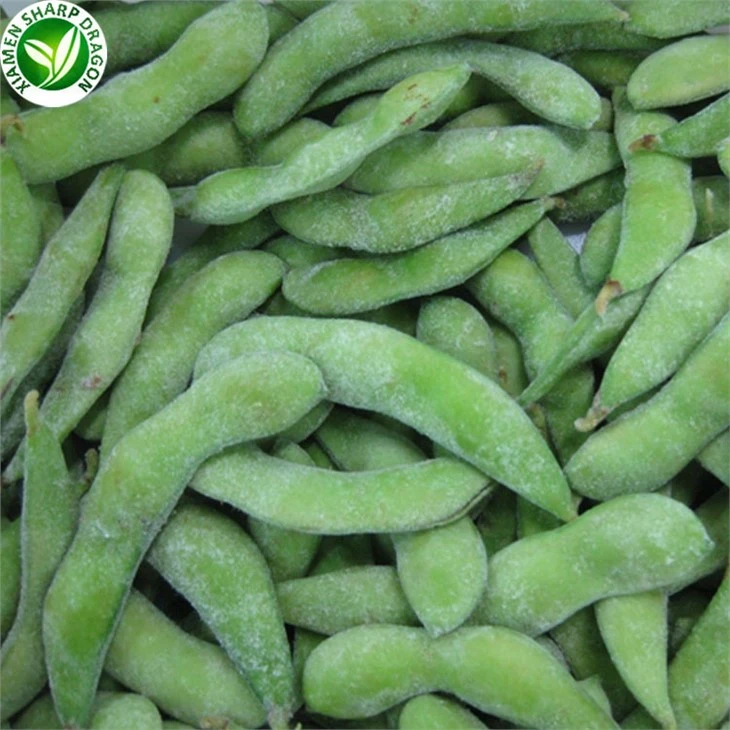
Choose freezer-suitable packaging that closes securely and protects the food from drying. Keep the closure area clean and remove trapped air as appropriate to the package design, without crushing the pods. Check the seal after filling and again when arranging the frozen packs, especially if they have been moved against sharp corners or other stored items.
The same principle carries into commercial frozen-food packaging: the pack must fit its handling conditions. For a kitchen, ease of opening, reclosing and dispensing matters as well as the amount inside. A pack that is awkward to use can lead to extra transfers and longer exposure during portioning.
NDSU gives up to twelve months for the flavor and quality of properly frozen edamame. This household guidance is not a shelf-life specification for every commercial product. For purchased goods, use the stated storage conditions and date marking. FoodSafety.gov explains that freezer storage periods concern quality when food remains continuously frozen at the specified temperature; correct handling before freezing still matters.
Example: compare pods with usable beans for catering
Consider a catering planner preparing forty bowls, each requiring 60 g of prepared shelled edamame. The recipe needs 40 × 60 g = 2.40 kg of beans. In an illustrative preparation trial, 1.00 kg of pods produces 460 g of usable beans after the chosen preparation and shelling steps. The usable-bean yield is therefore 46% for that trial.
At that assumed yield, the theoretical pod input is 2.40 ÷ 0.46 = 5.22 kg before any planning allowance. The result is a worked example, not a standard edamame yield or an XMSD specification. Measure the actual sample at the same preparation endpoint the kitchen will use for service.

The planner's choice is between purchasing pods and doing the shelling work, or evaluating a shelled ingredient. Record the time spent shelling, the quantity of discarded pods and the condition of the beans. For an appetizer served in its pod, that work would fall differently in the serving experience; for a bowl, the kitchen needs usable kernels ready to distribute.
We would compare candidate products on the cost of usable prepared beans and the work needed to obtain them. Equal received weights give a misleading comparison when one offer includes the pod. The discussion around edamame supplied in pods should therefore include the intended serving format, not only the weight on the bag.
The caliper measures pod size. To establish useful bean yield, open representative prepared pods and weigh the beans. Record fullness, bean condition and preparation losses alongside the result.
Diagnose the result at the point of use
After freezing, assess a sample using its appropriate preparation instructions. Record the color, aroma, texture, amount of surface ice and ease of separating the portion. Use the same serving condition in repeat comparisons. Food assessed immediately after preparation may feel different from food that has spent time in the kitchen's normal service sequence.
When the batch seems too soft, review the recorded heat treatment and cooling sequence. For a hard block, investigate draining, package shape, freezing load and storage history. Use those observations to choose a specific issue to investigate in a subsequent, properly specified trial.
Record split beans separately from cosmetic marks on pods. Their importance changes with the application. A bowl needs recognizable kernels distributed through the dish, while a puree is judged on a different final texture. Keep the acceptance decision attached to the intended recipe rather than declaring one appearance suitable for every use.
For purchased frozen edamame, the full commercial processing sequence provides additional context. Ask for the actual product's preparation status and relevant handling information when reviewing a sample. A general description of washing, blanching and freezing cannot by itself establish that the pack is ready to eat without further cooking.
Freezing also leaves edamame as a soy ingredient. Keep its identity visible when it is transferred to an internal container or incorporated into another recipe. Follow the kitchen's allergen procedures for utensils, labels and service. Removing pods or changing the storage state does not change which ingredient the kitchen is handling.
When comparing two batches, write down the observation before discussing the explanation. For example, note that a measured portion required breaking apart, that some pods split during handling or that the cooked kernels differed in firmness. Then compare the corresponding process notes. This order reduces the chance of changing several parts of the method because of one uncertain impression. It also gives the next person a concrete condition to look for when the trial is repeated.
Keep a short batch record that can be repeated
A useful record connects the starting material with the prepared pack. Include the product form, received quantity, selected preservation method, batch division, timing convention, cooling step and final packed weight. Add the pack count, freezing date and intended use. These details let another person repeat the work without guessing what an informal note such as "blanched and frozen" meant.
For a commercial kitchen, record the supplied product identity and lot information alongside any internal preparation record. If a later pack gives a different result, that connection helps distinguish a change in the ingredient from a change in the kitchen method. Keep observations factual: the number of split beans, the measured portion weight or the presence of a hard clump is more useful than an unexplained "poor quality."
Finally, keep preservation and service instructions separate on the record. The first explains how a fresh batch was prepared for frozen storage. The second explains how the stored food should be prepared and served. That separation helps the next person use the correct directions when the original cook is absent or the pack is moved to another preparation area.
For a frozen edamame requirement, send the preferred pod or kernel form, serving application and pack format through our product inquiry page. We will review the available product information against the preparation and portioning needs you describe.
References
- NDSU Extension: Field to Fork Edamame
- National Center for Home Food Preservation: Blanching vegetables
- National Center for Home Food Preservation: Freezing pointers
- Virginia Cooperative Extension: Edamame processing
- Virginia Cooperative Extension: Edamame handling and processing from harvest to package
- FoodSafety.gov: Cold food storage chart