


How to Choose Broccoli: Fresh and Frozen Guide | XMSD
Dec 31, 2020

Good broccoli is easier to recognize when you look beyond color alone. The head should feel firm and compact, the flower buds should remain closed, and the cut stem should look sound rather than dried, slimy, or badly damaged. For frozen broccoli, the decision shifts to floret uniformity, defect control, package condition, and evidence that the cold chain has remained stable.
The short answer: Choose fresh broccoli with tight, closed, green to blue-green buds, a firm crown, and a firm stem. Avoid heads with extensive yellowing, open flowers, limpness, rot, slime, mold, or an unpleasant odor. Yellowing usually signals age and declining quality; it does not, by itself, prove that the broccoli is contaminated.

The Five-Point Fresh Broccoli Check
Fresh broccoli is an immature flower head. That is why bud closure, compactness, and firmness reveal more than size alone. A large crown can already be overmature, while a smaller crown may still be tight and fresh.
1. Look for closed, compact buds
Choose a crown whose tiny buds sit closely together. Gaps, loose beads, and visible flowers show that the head is advancing beyond its best market stage. The University of California, Davis identifies compactness and closed florets as core broccoli quality indicators.
2. Check for characteristic green color
The exact shade varies by cultivar, so dark green is not the only acceptable color. Bright green, dark green, and some blue-green or purplish-green tones can all be normal. What matters is a reasonably even, characteristic color without extensive yellow beads, brown decay, or large discolored areas.
3. Press the crown gently
A good crown should resist light hand pressure and feel compact rather than soft or loose. Limpness is commonly associated with water loss, while rough handling can damage the head and make later decay more likely.

4. Inspect the stem and cut end
The stem should feel firm, and the cut end should not be slimy or badly cracked. Some surface drying is a quality issue rather than automatic proof of danger, but a wet, soft, unpleasant-smelling area is a reason to reject the head.
5. Use smell and surface condition as final checks
Fresh broccoli should have a normal mild vegetable odor. Reject broccoli that looks rotten or has slime, wet soft-rot areas, visible mold, or an unpleasant odor. These signs are more relevant to spoilage than yellow color alone.
Does Yellow Broccoli Mean It Is Unsafe?
Not necessarily. Yellowing can result from overmaturity, warm storage, ethylene exposure, or simply keeping broccoli too long. UC Davis treats visible yellow beads as the end of commercial shelf life because appearance, flavor, and nutritional quality are declining. Its consumer guidance also notes that yellow broccoli may still be edible, although it may be less tasty and less nutritious.
Safety note: Color is not a microbial test. Do not assume that green broccoli is contamination-free, and do not label every yellow head as poisonous. Reject broccoli that is rotten, moldy, slimy, wet and soft, or unpleasant-smelling, and follow safe produce handling practices.
A few yellowing buds on an otherwise firm, clean head present a different decision from widespread yellowing accompanied by soft texture and off odor. For best eating quality, choose the greener, tighter head. When spoilage signs are present or the condition is uncertain, discard it.

How to Choose Pre-Cut and Packaged Broccoli
Pre-cut florets have more exposed surface than an intact head, so package condition and refrigeration matter. Choose a refrigerated package with no obvious leakage, swelling, heavy condensation, slime, or rotten pieces. Check the label and use-by information, and avoid packs with major crushing or broken seals.
The U.S. Food and Drug Administration advises buyers to avoid bruised or damaged produce and to choose pre-cut packaged produce only when it is refrigerated or surrounded by ice. Refrigerate packaged produce after purchase according to its label.
Fresh and Frozen Broccoli Need Different Checks
Fresh broccoli is judged as a living, perishable head. Frozen broccoli has already been trimmed and processed, so buyers should judge the finished format and its cold-chain condition. One is not automatically better for every use: the right choice depends on cooking method, labor, portion control, desired appearance, and supply requirements.
| Check | Fresh broccoli | Frozen broccoli |
|---|---|---|
| Structure | Compact head, closed buds, firm stem | Agreed floret size, controlled stem ratio, limited broken pieces |
| Appearance | Characteristic green color without decay | Reasonably uniform color and brightness for the specification |
| Condition | No limpness, slime, mold, or off odor | Intact pack, frozen state, no evidence of major thawing or refreezing |

How to Choose Frozen Broccoli
For a retail bag, check that the package is sealed, undamaged, and fully frozen. A small amount of loose frost is not enough to judge the product, but a large hard block, severe package icing, leakage, or a misshapen package should prompt concern about handling history. If the product appears to have thawed, follow the retailer's guidance rather than relying on appearance alone.
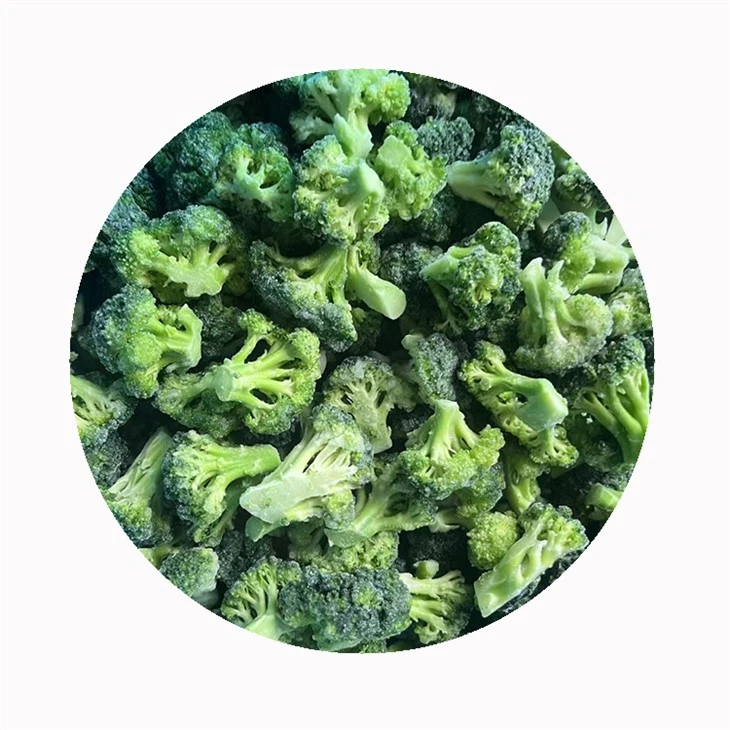
For foodservice and wholesale purchasing, open-package appearance is only one part of approval. The USDA frozen broccoli standard evaluates factors such as flavor and odor, freedom from grit and silt, brightness, color, size uniformity, damage, blemishes, and other defects. Buyers can use those categories as a framework even when working to a private commercial specification rather than a U.S. grade.
A Practical Broccoli Checklist for B2B Buyers
A photograph can help screen a sample, but it cannot replace a written specification and application test. Before approving frozen broccoli, confirm the points that affect cooking performance, appearance, yield, and repeat-order consistency.
- Product format: florets, cuts, or chopped broccoli, matched to the final dish or production line.
- Size range and uniformity: the agreed measurement method, tolerance, and sample result.
- Stem ratio and defects: acceptable levels of long stems, broken pieces, discoloration, blemishes, and foreign material.
- Color, odor, and texture: assessed in the frozen state and again after the buyer's intended cooking process.
- IQF and cold-chain condition: free-flowing performance, clumping, carton integrity, storage condition, and shipment temperature records where required.
- Packaging and documents: inner bag, carton, label, traceability, testing, and destination-market requirements agreed before production.
At XMSD, we recommend evaluating a representative cooked sample as well as the frozen product. A floret that looks acceptable in a carton may still be unsuitable if its size, stem ratio, or texture does not fit a ready meal, stir-fry blend, soup, or foodservice portion. Our current IQF frozen broccoli page lists the product formats and sourcing checks that can be discussed for a buyer specification.

Safe Handling After Selection
Selection reduces avoidable quality problems, but it does not remove the need for safe handling. Wash fresh broccoli thoroughly under running water before preparation. The FDA does not recommend washing produce with soap, detergent, or commercial produce wash. Cut away damaged or bruised areas, discard produce that looks rotten, keep fresh produce separate from raw meat and seafood, and refrigerate pre-cut broccoli.
For frozen broccoli, follow the package instructions and maintain frozen storage. Temperature fluctuation can lead to clumping, color change, and texture damage. Commercial buyers should agree on storage and shipment requirements, examine carton integrity at receipt, and investigate any lot that arrives partially thawed or outside the agreed condition.
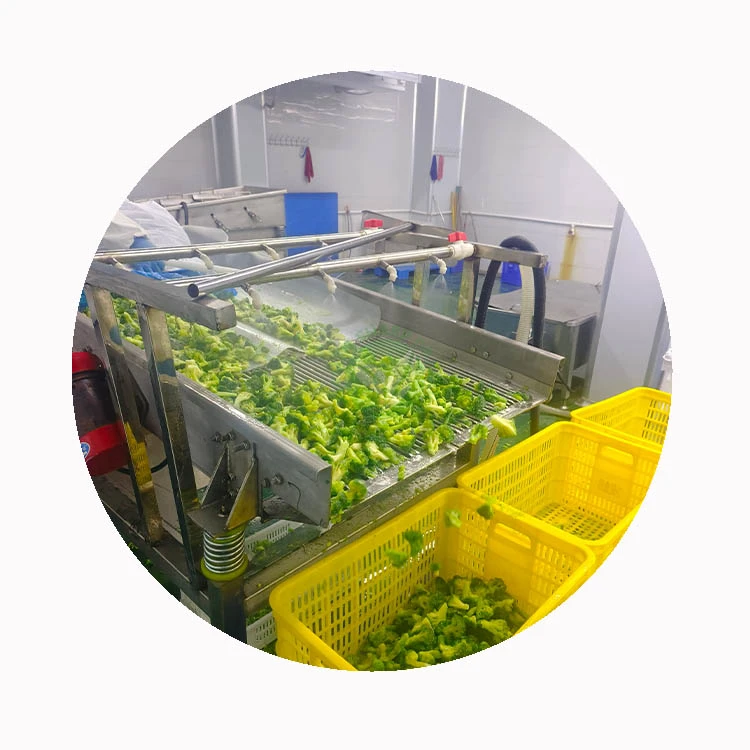
XMSD sourcing note: We can discuss frozen broccoli format, floret size, stem ratio, packing, destination-market documentation, and application testing according to the buyer's project. Review our frozen packaging options or send the intended use and required specification for evaluation.
Frequently Asked Questions
1. How do you choose a good head of broccoli?
Look for closed, compact buds, characteristic green color, a firm crown, and a firm stem. Avoid heads with extensive yellowing, open flowers, limpness, slime, mold, rot, or an unpleasant odor.
2. Is darker green broccoli always better?
No. Cultivars differ, and bright green, dark green, blue-green, or some purplish-green tones can be normal. Even color, closed buds, compactness, and firmness are more useful than chasing one exact shade.
3. Is yellow broccoli poisonous?
Yellowing alone does not prove that broccoli is poisonous or contaminated. It usually indicates overmaturity or storage-related quality loss. Reject it when yellowing occurs with rot, slime, mold, wet soft areas, or off odor.
4. Can I use broccoli with only a few yellow buds?
If the rest of the head is firm, clean, and normally scented, a few yellow buds mainly indicate reduced quality. Use your judgment and discard the broccoli if there are any spoilage signs or uncertainty about its storage history.
5. What do brown spots on broccoli mean?
Brown areas can result from physical or physiological damage, and wet or spreading brown areas may be associated with decay. For purchasing, choose a sound head without significant browning or damaged tissue.
6. What should fresh broccoli smell like?
It should have a mild, normal vegetable odor. A strong unpleasant smell, especially together with wetness or slime, is a reason to reject it.
7. Should the broccoli stem be hard or soft?
Choose a firm stem that resists gentle bending. Limp or soft stems suggest water loss or declining condition, while a slimy cut end suggests spoilage.
8. How do I choose bagged fresh broccoli florets?
Choose a refrigerated, sealed pack with firm green florets and no leakage, slime, rotten pieces, heavy condensation, or badly crushed areas. Check the package date and storage directions.
9. Should I wash broccoli with soap?
No. The FDA recommends washing produce thoroughly under running water and does not recommend soap, detergent, or commercial produce wash.
10. How should I choose broccoli for a baby?
Use the same freshness and spoilage checks as for the rest of the household: firm broccoli, closed buds, sound stems, and no rot, slime, mold, or off odor. Wash it under running water and prepare a texture appropriate to the child's developmental stage, following professional feeding advice when needed.
11. How do I choose frozen broccoli in a store?
Choose a fully frozen, sealed, undamaged package. Avoid bags with leakage, a broken seal, obvious partial thawing, or a large solid block that raises questions about temperature history.
12. Does clumped frozen broccoli mean it is unsafe?
Clumping is a condition signal, not a complete safety diagnosis. It may indicate temperature fluctuation and can affect texture and portioning. If the package has thawed, leaked, or arrived outside the agreed temperature condition, ask the retailer or supplier for guidance.
13. Is fresh broccoli always better than frozen broccoli?
No single format is best for every application. Fresh broccoli offers an intact head for direct inspection, while frozen broccoli can reduce trimming work and support portion control and year-round production. Choose according to the intended dish and quality specification.
14. What should a wholesale buyer confirm before ordering frozen broccoli?
Confirm the format, floret size, size tolerance, stem ratio, defect limits, color expectations, packaging, storage condition, testing and documentation needs, destination market, and intended application. Approve a representative sample after the same cooking process the final user will apply.
Final Thoughts from XMSD
The best quick test for fresh broccoli is compact buds, characteristic green color, a firm crown, and a sound stem. Yellowing marks declining market quality but is not, by itself, proof of food poisoning. For frozen broccoli, move from visual screening to specification control: size, stem ratio, defects, package condition, cold-chain evidence, and cooking performance should all fit the intended use.
References
- UC Davis Postharvest Research and Extension Center: Broccoli
- UC Davis: Is My Yellowing Organic Broccoli OK to Eat?
- U.S. Food and Drug Administration: Selecting and Serving Produce Safely
- USDA Agricultural Marketing Service: Frozen Broccoli Grades and Standards
- XMSD: IQF Frozen Broccoli Supplier for Bulk Wholesale (operational product and sourcing information only)