


Edamame Nutrition: Protein, Fiber and Edible Portions
Dec 31, 2020

Edamame supplies plant protein, dietary fiber, fat and several vitamins and minerals. In USDA FoodData Central, frozen prepared edamame contains 121 kcal, 11.91 g protein and 5.2 g fiber per 100 g. Those figures refer to the edible beans in the stated preparation state. They should not be applied to the full weight of a bowl of pods, because the pods are normally discarded.
For an ordinary meal, the useful question is how much prepared edamame you will actually eat. A 60 g portion contributes about 7.1 g protein and 3.1 g fiber using that reference. Sauces, salt, oil and the other ingredients in the meal need their own entries in the calculation.
The combination of protein and fiber is useful to consider when planning bowls, vegetable sides and mixed dishes. Compare the edible serving first, then include the remaining ingredients. This gives you a practical view of what edamame contributes and how much space it occupies in the complete meal.

Read the nutrition figures on an edible-weight basis
USDA has separate entries for frozen unprepared edamame and frozen prepared edamame. The table keeps those descriptions visible and compares the same weight. Record 168410 describes the unprepared food; record 168411 describes the prepared food. These are useful reference points when the exact product's nutrition information is unavailable.
| Nutrient per 100 g | Frozen, unprepared | Frozen, prepared |
|---|---|---|
| Energy | 109 kcal | 121 kcal |
| Protein | 11.22 g | 11.91 g |
| Dietary fiber | 4.8 g | 5.2 g |
| Total fat | 4.73 g | 5.2 g |
| Carbohydrate, by difference | 7.61 g | 8.91 g |
| Iron | 2.11 mg | 2.27 mg |
| Potassium | 482 mg | 436 mg |
| Total folate | 303 micrograms | 311 micrograms |
| Sodium | 6 mg | 6 mg |
These columns describe separate reference foods, which can differ in composition and water content. Match the entry to the state being weighed. A nutrient-retention calculation would require measurements of the same material across the preparation process.
For a purchased pack, read whether its nutrition panel describes the food as sold or prepared according to specified directions. Keep that basis with the ingredient record. A flavored pack, a salted snack and plain kernels can carry the same familiar food name while requiring different recipe calculations.

We would begin an ingredient discussion with the actual shelled edamame product and its intended preparation. The supplied form, the nutrition basis and the kitchen's weighing stage should agree. That connection is more useful than assigning one generic number to every item described as frozen edamame.
Protein: the amount in the portion matters
Edamame is a young soybean, rather than a green pea. University of Florida IFAS describes its essential amino acids, including the nine that people must obtain through food. This helps explain its role as a plant-protein ingredient. The presence of those amino acids still leaves an everyday practical question: how much of the food is in the meal?
A few beans used as a garnish contribute less protein than a measured scoop. At the prepared reference value, 30 g of beans contributes approximately 3.6 g protein, while 100 g contributes approximately 11.9 g. Both are edamame servings, but their contribution to the meal is quite different.
Keep that quantity visible when comparing meal ideas. A photo with scattered green beans may suggest a substantial edamame component even when the actual recipe uses very little. Weigh the intended amount and assess it in the complete dish, with the rice, vegetables, dressing or other components included.
A menu developer also needs to decide whether edamame is the main protein ingredient or one contributor among several. Record the amount alongside the other protein-containing foods in the dish. That makes a portion change easier to assess before deciding how the finished food should be described.

Edamame is harvested as an immature vegetable soybean, while mature dry soybeans are used in other food and processing applications. Keep that distinction when selecting a database record. A dry-bean value per 100 g describes a different food and moisture basis from the green prepared kernels discussed here.
Fiber and carbohydrates belong in the same comparison
The prepared USDA entry lists 8.91 g carbohydrate and 5.2 g dietary fiber per 100 g. Read the carbohydrate description carefully: the database calls it carbohydrate by difference. When comparing a product label or another country's nutrition system, check that the figures use a compatible definition rather than assuming every carbohydrate number has been calculated identically.
For an ordinary serving estimate, keep the reported carbohydrate and fiber values with their source and scale them by the edible weight. That is more transparent than presenting a derived "net carbohydrate" number without explaining its calculation. A reader should be able to see which number comes directly from the food record and which one is an additional calculation.
Fiber contributes to the nutritional value of the beans, but the effect of a food on digestion varies between people. A fiber figure alone is not a treatment instruction for constipation or another digestive problem. Consider how the food fits into the overall diet, and use individualized advice when there is a specific medical need.
The texture also affects how people use edamame. Whole kernels give a distinct bite in a bowl, whereas a blended ingredient changes the eating experience. Assess both forms at the planned serving condition. Keep the edamame inclusion weight alongside the sensory comparison so both versions can be assessed on a clear ingredient basis.
Fat content and seasoning change the finished dish
Prepared edamame contains 5.2 g total fat per 100 g in the USDA reference. The same record lists 0.62 g saturated fat, approximately 1.28 g monounsaturated fatty acids and 2.16 g polyunsaturated fatty acids. These figures describe components of the food's fat profile; they are not additional amounts to add on top of total fat.
Its fat forms part of the ingredient's energy contribution, alongside protein and carbohydrate. Record total fat and the relevant fatty-acid information separately when comparing recipes.
Seasoning deserves a separate line in the recipe. The prepared reference lists only 6 mg sodium per 100 g, but that does not describe every seasoned product. Salt added during manufacture, cooking or service can change the finished sodium amount. Use the actual pack information and the recipe additions when calculating a flavored serving.


The bowl photograph shows edamame served in pods. For a nutrition estimate, record the edible bean amount and the seasoning recipe separately. Allow for the discarded pods when interpreting the weight of the complete bowl.
An oil-based dressing also brings its own energy and fat. If the recipe is being compared with a plain bean portion, keep the dressing quantity consistent or calculate the difference explicitly. Otherwise, a change attributed to edamame may actually come from the ingredients surrounding it.
Iron, folate and potassium: useful amounts, clear limits
The prepared reference provides 2.27 mg iron, 311 micrograms of total folate and 436 mg potassium per 100 g. It also lists calcium and other minerals. A smaller portion supplies a proportionately smaller quantity, so keep these amounts with their one-hundred-gram basis.
Be careful with units. A milligram and a microgram differ by a factor of one thousand. Keep the unit attached to the nutrient when moving numbers into a menu worksheet or specification. Also retain the nutrient name: total folate and a label field expressed as dietary folate equivalents should not be substituted blindly just because both use micrograms.
Iron in plant foods is nonheme iron. NIH's Office of Dietary Supplements explains that the body absorbs it differently from heme iron, and that vitamin C-containing foods can support absorption of iron from plant sources. The reported iron amount describes what the food contains; actual absorption is influenced by the meal and the person eating it.
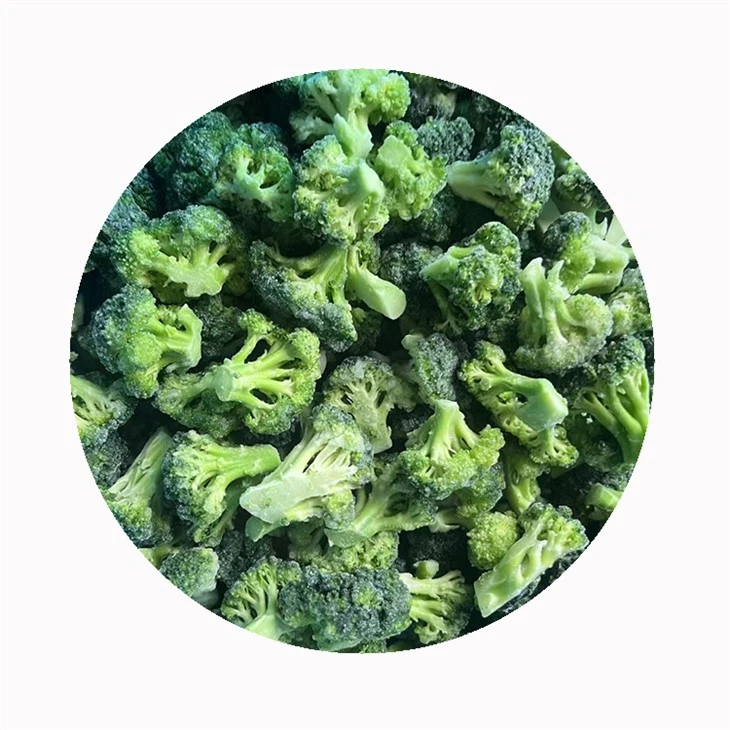
Broccoli is one of the vitamin C-containing foods named in the NIH guidance. When planning an edamame-and-vegetable dish, consider the actual broccoli form, preparation and serving amount as well as the beans. Assess how both vegetables fit the recipe, including texture, portion size and the preparation each needs.
Potassium and folate also belong in the complete meal calculation. Record the food quantities used, then compare the total with any relevant planning requirements. Keep personalized advice for a diagnosed deficiency or prescribed diet with the qualified professional responsible for that care.
Example: compare two edamame portions in a bowl
Consider an illustrative foodservice trial comparing 60 g and 90 g of prepared edamame per bowl. At 11.91 g protein per 100 g, those amounts contribute 7.146 g and 10.719 g protein respectively. The difference is about 3.6 g protein per bowl from the additional beans.
The same change raises the edamame fiber contribution from 3.12 g to 4.68 g, and its energy contribution from 72.6 to 108.9 kcal. These are calculated ingredient contributions using the USDA reference. The rice, vegetables, sauce and toppings still need to be included to describe the complete meal.
The developer's decision is whether the larger portion improves the finished bowl enough to justify the extra ingredient quantity and any adjustment to the rest of the recipe. Prepare both versions with measured components, then assess the overall portion, flavor and distribution. A higher bean quantity can change more than the number in the protein column.
Decide whether the extra beans are added to the existing bowl or replace part of another component. Adding them increases the total serving mass. Replacing another ingredient can keep the mass constant, but the nutrient change then equals the contribution added minus the contribution removed. Keep the two versions clearly identified when discussing the result, because both could otherwise be described simply as "more edamame."
Across fifty bowls, the additional 30 g per portion requires 1.50 kg more prepared beans. This is an output requirement for the service, rather than a promise about purchased-pack yield. The kitchen must connect it to the actual product and preparation method used to produce those beans.
For foodservice planning, we would check normally served portions from the beginning, middle and end of the batch. The intended nutrient contribution depends on staff delivering the intended bean mass. A carefully arranged development sample is useful, but repeat portions show how the recipe behaves during service.
A cup or a pod count can hide the weight basis
USDA lists a cup of prepared edamame at 155 g. Half of that stated amount is 77.5 g, which supplies approximately 94 kcal, 9.2 g protein and 4.0 g fiber using the prepared record. These calculated values explain why an unspecified "half cup" from another source may look different: the food state and gram amount may differ.
The unprepared record lists its cup at 118 g. Keep that cup with the unprepared entry rather than carrying it over to the prepared-food calculation. For more reproducible kitchen work, weighing the edible beans removes much of the uncertainty that comes from cup filling, bean size and the amount of space between kernels.

Pod measurements serve a different purpose. The caliper shows size, while the nutrition calculation needs edible mass. Two equally long pods need not deliver identical bean weight. If a serving is presented in pods, establish the bean amount through a representative prepared sample instead of applying the kernel reference to the entire bowl.
Be explicit when passing the calculation between people. Purchasing may describe kilograms of pods, a kitchen may record grams of prepared beans and a menu writer may discuss a serving. Keeping those descriptions attached to the numbers prevents an apparently precise result from using the wrong denominator.
Example: calculate edamame's share in a mixed recipe
A recipe developer makes an illustrative 500 g finished vegetable component using 200 g prepared edamame and 300 g of other prepared ingredients. Edamame makes up 40% of the final mass. Its contribution to the batch is 200 × 11.91 ÷ 100 = 23.82 g protein and 200 × 5.2 ÷ 100 = 10.4 g fiber.
Divide those contributions across the 500 g final component. Per 100 g, the edamame contributes approximately 4.76 g protein and 2.08 g fiber. The other ingredients may add further protein and fiber; their nutrition information must be included before stating the finished recipe totals.

The developer now has an ingredient contribution that can be combined with the remaining recipe data. A mixed vegetable product should be assessed using its actual components and proportions. The photograph shows a broccoli, cauliflower and carrot blend. Each vegetable would contribute its own composition data in a recipe calculation.
The calculation assumes that 500 g is the final mass represented by the recipe. If a later preparation step changes that mass, update the finished-weight basis. Keep the ingredient contribution and the full recipe result in separate columns so a reviewer can see where the figures came from.
Mixing consistency matters when the batch is divided. If kernels settle or collect in one part of the bowl, an equal scoop weight may contain unequal quantities of edamame. Compare several portions taken using the normal dispensing method. If the distribution is uneven, adjust mixing or portioning before treating the calculated average as representative of each serving.
At XMSD, we would connect the requested bean form with the intended formulation and the information available for that ingredient. For a meal component, the buyer needs the ingredient information connected to the actual recipe. The inclusion percentage, final serving and other ingredients determine how the bean contributes to the finished product.
Soy foods and soy research
NCCIH distinguishes soy foods from soy supplements and notes that research findings vary with the product and population. Its soy review also describes conflicting findings on cognitive function. That is a reason to avoid turning the presence of soy compounds into a promise of improved memory from an ordinary edamame serving.
Evaluate soy research by the food or supplement studied, the amount used and the outcome measured. A concentrated supplement and a normal portion of edamame beans are different interventions. For everyday food choices, the verified nutrient profile and the place of the serving in a varied diet provide a more direct basis for comparison.
Soy allergy remains relevant because edamame is soybean. People with a soy allergy need to avoid foods that are unsafe for them and follow their clinical advice. Kitchens should retain the soy identity when transferring the ingredient or incorporating it into a mixture. A discussion of nutrients does not override ingredient suitability for an individual diner.
Preparation also remains part of using the food. Follow the actual product's instructions, including cooking where required. Our edamame freezing guide explains why blanching for frozen storage and final preparation are different steps. A frozen appearance alone does not establish that the product is ready to eat.
Before sharing a nutrition estimate, check the food description, edible weight, units and recipe additions together. FDA's label guidance emphasizes that the stated serving controls the nutrient amounts shown, and that serving size is not a prescription for how much to eat. Keep the source and calculation available so another person can understand the result without reconstructing the recipe.
For an edamame ingredient requirement, send the intended dish, pod or kernel preference and target portion through our product inquiry page. We will review the product information and preparation requirements relevant to your application.