


Broccoli Stop, Pause, and Resume Checkpoints
Nov 12, 2019

Do not eat broccoli when the specific product matches a recall, its time-temperature history is unsafe, or an immediate allergic reaction begins. Pause it when significant symptoms need medical assessment or when a clinician has given a temporary diet instruction. Warfarin usually calls for a consistent vitamin K pattern, not an automatic broccoli ban.
Mild gas after a large serving belongs in a different lane. Record the amount, preparation, other foods, timing, and severity. Once symptoms settle, a smaller controlled portion or different preparation may help identify tolerance. Persistent pain, repeated vomiting or diarrhea, bleeding, fever, unexplained weight loss, or symptoms that disrupt normal life deserve clinical review.
The useful question is therefore not which broad group must avoid broccoli forever. It is which checkpoint applies right now: stop and discard, stop and seek help, pause and investigate, hold a consistent pattern, or resume under a defined condition. The evidence and next action are different at each point.
The direct answer: Stop for a matched recall, unsafe temperature history, or allergy signal; pause for unresolved illness or a prescribed restriction; adjust ordinary digestive intolerance rather than assuming a permanent prohibition.

Checkpoint 1: Stop Before Serving an Identified Safety Risk
A recall decision begins with identity, not appearance. Compare brand, product name, pack size, lot or production code, date, establishment number when relevant, and distribution information with the official notice. FoodSafety.gov states that recalls are specific; if all identifying details match, do not open or consume the product and follow the notice's return or disposal instructions.
Do not taste a recalled broccoli pack to decide whether it seems acceptable. Pathogens and undeclared allergens may not be visible, smelled, or tasted. Keep the pack isolated, preserve the label and code for the record, and prevent it from entering another meal, donation, or pet feed.
Unknown temperature history creates another stop decision. USDA guidance says frozen food that still has ice crystals or remains as cold as refrigerated food at 40°F (4°C) can be refrozen or used. Food held warmer than 40°F for more than two hours after a freezer failure should be discarded. A guess based only on soft texture is not an adequate release record.
Freezer burn is mainly a quality defect, not automatically a safety hazard. A torn outer carton also does not prove contamination when a sealed inner bag remains intact. Separate cosmetic damage, pack-integrity loss, contamination, and temperature abuse; each has a different disposition. If you cannot establish the critical facts, quarantine the pack rather than improvising a safe history.
Do Not Turn Every Quality Defect Into the Same Stop Rule
A large amount of loose frost can indicate moisture migration or temperature cycling, yet it does not describe the full exposure history. Dull color may follow dehydration or long storage. Broken crowns may result from handling. These observations can make broccoli unsuitable for a visible premium side without proving a food-safety event.
Use a four-column inspection note: observation, possible cause, missing evidence, and decision owner. "Heavy surface ice" is an observation. "Repeated thawing" is only a hypothesis until temperature or handling evidence supports it. The operational choice may be to hold for investigation, test cooked performance, assign a different application, reject against specification, or discard for safety.
Pack damage needs the same discipline. Record whether the carton, inner liner, heat seal, or product itself is affected. Photograph the code and defect before moving material. Look for exposure to dirt, raw-product liquids, chemicals, pests, foreign matter, or uncontrolled handling. A clean scuffed carton and an open contaminated liner should never share one disposition sentence.
If the product remains safe but no longer fits its intended appearance, evaluate a validated alternate use rather than quietly lowering the standard. Soup, purée, sauce, or a chopped filling may tolerate more fragmentation, but recipe safety, allergen control, label identity, and buyer approval still apply. The frozen broccoli product format can support a sample comparison once the application and acceptance limits are written.
Checkpoint 2: Stop Eating When Allergy Signals Appear
FDA lists hives, flushing, mouth tingling or itching, face or lip swelling, vomiting, abdominal cramps, coughing, wheezing, throat swelling, difficulty breathing, dizziness, and loss of consciousness among food-allergy symptoms. Reactions may begin within minutes or a few hours. A known-allergy plan controls the response.
Stop eating immediately. Use prescribed emergency medication as directed and seek medical attention; breathing difficulty, throat symptoms, collapse, or rapidly progressing multi-system symptoms need emergency care. Do not wait for a second serving to prove that broccoli was responsible.
The complete dish matters. A cheese sauce, breadcrumbs, sesame seasoning, shared fryer, or cross-contact event may be the actual source. Preserve the product and recipe labels, ingredient list, lot, restaurant details, time eaten, symptom onset, and treatment. A clinician can then evaluate the reaction more accurately.
Digestive fullness several hours after an unusually large cruciferous meal is not the same signal as rapid hives and wheezing. Do not let that distinction delay emergency action when allergy features are present. After the event, do not restart broccoli or the suspected dish until the responsible healthcare professional has set the next step.

Checkpoint 3: Pause for Symptoms That Need a Clearer Cause
NIDDK explains that some carbohydrates are not fully digested in the stomach and small intestine; bacteria in the large intestine then break them down and create gas. Cruciferous vegetables, including broccoli, can contribute to gas symptoms for some people. Portion, recipe, and individual sensitivity affect the result.
For a mild repeatable complaint, pause until comfortable and write a six-field note: raw or cooked form, edible grams, crown and stem mix, companion foods, symptom onset, and duration. Beans, onions, whole grains, fizzy drinks, sugar alcohols, and a high-fat sauce can make a mixed meal a poor test of broccoli alone.
A reasonable retry, when no medical red flag or contrary instruction exists, changes one main variable. Try a smaller cooked portion in a simple meal, eat slowly, and avoid stacking several suspected gas triggers in the same test. Stop the retry if symptoms become significant. The purpose is to find a usable preparation, not to force tolerance.
Frequent symptoms, severe pain, persistent abdominal swelling, repeated diarrhea or constipation, vomiting, blood, fever, weight loss, or symptoms affecting normal activity require professional evaluation. The pause protects the quality of the symptom record and prevents a self-imposed permanent food ban from hiding another cause.
Checkpoint 4: Follow a Temporary Prescribed Diet
A clinician may temporarily limit fibrous vegetables before a colonoscopy, after certain operations, during an acute gastrointestinal problem, or within another prescribed diet. The timing, allowed forms, and restart point are specific to the procedure and institution. Follow the written instruction instead of substituting a general rule from a vegetable page.
Clarify five items when the handout is not explicit: the last permitted day, whether well-cooked or puréed broccoli is also excluded, the exact stop time, the clear-liquid phase if any, and the restart condition. A food that suits an ordinary meal may be unsuitable for a short preparation window.
Swallowing or texture instructions create another form-specific pause. Whole crowns, chopped pieces, purée, and soup have different textures, but only the treating team can assign a safe level. Do not assume that cooking alone makes a floret appropriate for someone with a documented swallowing plan.
Resume at the point given in the plan, using the specified texture and amount. If nausea, vomiting, pain, inability to tolerate fluids, or another unexpected symptom continues, contact the treating team. A calendar date does not overrule the person's actual recovery instructions. Bring the written discharge or preparation sheet to anyone responsible for buying, cooking, or serving the meal so the restart condition is not reduced to memory.
Warfarin Uses a Consistency Checkpoint
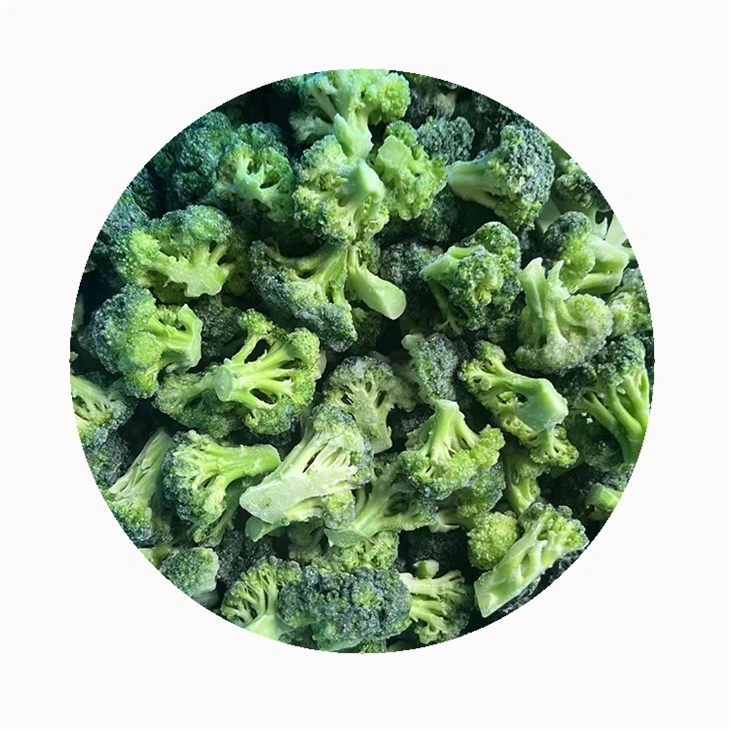
Broccoli supplies vitamin K. NIH advises people taking warfarin or similar anticoagulants to maintain consistent vitamin K intake because sudden changes can increase or decrease the medicine's anticoagulant effect. NHS guidance similarly says broccoli can still be eaten, with advice from the warfarin clinic before major dietary changes.
Do not suddenly remove a familiar broccoli habit or begin a high-volume green-vegetable plan without telling the prescribing team. Record the normal cooked serving and weekly pattern. The clinician can decide whether monitoring or another adjustment is needed; do not alter warfarin yourself.
Consistency refers to the wider vitamin K pattern, not one floret. Spinach, kale, cabbage, oils, supplements, and other sources may matter. Illness accompanied by poor intake, vomiting, diarrhea, or fever can also change the situation and should be reported according to the treatment plan.
The XMSD reference for cooked frozen broccoli composition can help define product state, but a public nutrient table cannot prescribe an individual's anticoagulant diet. Bring the actual serving pattern to the clinical conversation.
Representative Scenario 1: Decide After a Freezer Failure
Representative scenario - Worked example: Decision function - household food disposition. A household finds six bags of frozen broccoli after a power outage. Three bags still contain ice crystals and measure 36°F (2.2°C). Three are completely soft; a data logger shows that the compartment exceeded 40°F (4°C) for four hours.
The icy bags remain below the USDA decision boundary and can be refrozen or cooked. The warm bags exceed the stated two-hour threshold and are discarded. Each group is labeled during sorting so a good bag cannot be confused with an unknown one.
The household does not rely on smell, color, or a taste test. It photographs the thermometer and logger record, notes the outage period, cleans any leak, and checks other perishable food separately. Product identity and measured temperature-time history control the action.
Texture loss may still make a safely refrozen pack unsuitable for a visible side dish. It can be assessed later for soup or purée after safe handling. That is a quality-use decision, distinct from the safety disposition already made.

XMSD Experience 1: Quarantine First, Then Build the Release Record
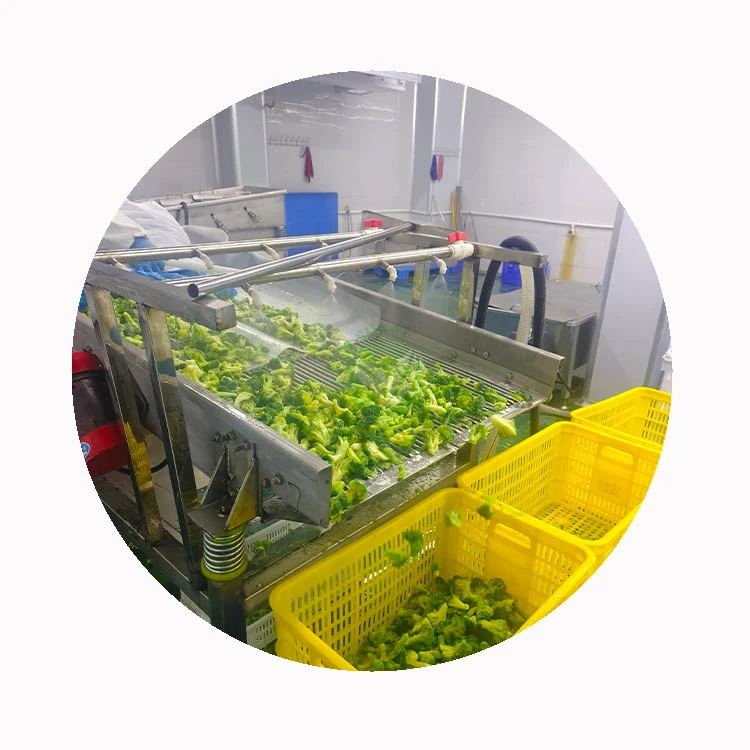
When a frozen broccoli shipment or stored lot has an uncertain condition, we do not begin with a sensory verdict. We identify the affected pallet and codes, place the material on hold, protect its temperature, and collect receiving, logger, pack-integrity, and handling records. The hold prevents an unresolved lot from reaching production.
The review distinguishes a cold-chain deviation from dehydration, crown breakage, free ice, or carton scuffing. Product core or representative temperature, exposure duration, seal condition, contamination evidence, specification, intended use, and the buyer's control plan guide disposition. A bright green photograph cannot replace those records.
Release, alternate use, rejection, or disposal needs a named decision owner and dated evidence. We keep the code link through any sampled cartons so later inquiries reach the same lot history. The XMSD frozen broccoli range gives the product-form context; the agreed order specification defines the acceptance check.
Packing configuration affects the investigation. Inner liners, case labels, pallet codes, and opening pattern determine how precisely affected units can be isolated. The summary of frozen-food packaging options provides formats for a buyer to compare after lot-code and batch-control needs are known.

Representative Scenario 2: Hold a Menu Item Before a Procedure
Representative scenario - Practical example: Decision function - institutional diet-order compliance. A care-facility menu lists broccoli at Tuesday lunch. One resident begins a three-day low-fiber preparation under a written endoscopy instruction; other residents remain on the standard menu.
The diet order, resident identity, start time, permitted foods, and substitute are checked before plating. Broccoli is withheld only for that resident and replaced with an allowed item at the specified texture. The production label and tray ticket carry the temporary instruction.
Staff do not apply the restriction to the whole ward or describe broccoli as harmful. They record the served substitute and escalate any ambiguity to the clinical dietetic team. The stop condition belongs to the preparation window, not to the resident's permanent food identity.
After the procedure, the treating instruction controls progression and restart. This scenario differs from the freezer decision: no lot is unsafe, and the operational task is correct person-to-tray matching across a timed medical order.
XMSD Experience 2: Separate a Complaint From a Lot Decision
A report that someone felt unwell after a broccoli meal is important but does not by itself identify cause or condemn every case. We ask for product code, pack photos, purchase or delivery record, storage history, preparation, complete recipe, quantity eaten, symptom timing, other diners affected, medical care, and any remaining sample.
The personal safety response proceeds immediately according to symptoms. In parallel, the lot assessment examines traceability, complaints from the same code, temperature and handling records, specification, and possible cross-contact or recipe factors. These tracks communicate but do not substitute for each other.
If evidence points to a defined lot, the hold can expand using codes and distribution records. If the event fits a known individual allergy or a non-broccoli recipe ingredient, that finding is documented without erasing the person's experience. If evidence remains incomplete, the uncertainty and follow-up owner stay visible.
This separation prevents two weak extremes: dismissing a symptom because the product looks normal, or rejecting unrelated stock because one meal produced discomfort. A traceable code, preserved sample, complete recipe, and time record give both safety and quality teams something concrete to investigate.
Use a Written Resume Gate
| Trigger | Immediate action | Resume or disposition gate |
|---|---|---|
| Matched recall | Do not open or eat | Follow official return or disposal notice |
| Unsafe temperature history | Isolate and discard when threshold is exceeded | No eating trial |
| Allergy signal | Stop, use the emergency plan, seek care | Healthcare direction |
| Mild digestive discomfort | Pause and document | Smaller controlled test if appropriate |
| Temporary prescribed restriction | Follow the timed plan | Treating team's restart instruction |
| Warfarin diet change | Keep the established pattern | Prescribing team's advice before a major change |
Write the gate before making the stop decision. A recalled lot has a disposal instruction. An allergy event has a clinical plan. Mild intolerance has a defined low-complexity retry when appropriate. A temporary diet has a date or clinical progression. Warfarin has a consistency plan. Without a gate, a pause can become an unexplained permanent ban.
Also name the evidence you will keep. For a product event, retain the code, notice, temperature record, photographs, and disposition. For a reaction, keep the recipe, labels, portion, symptom timing, care received, and clinical advice. For a temporary plan, keep the diet order and restart instruction. A short complete record prevents the same uncertainty from returning at the next meal.
When the evidence changes, reassess rather than defending the first choice. A confirmed matching recall code converts quarantine into return or disposal. A safe logger history may release an unopened lot for a quality trial. A clinician's diagnosis may replace a household tolerance experiment. The checkpoint system stays useful because each decision has a defined owner and a reversible or final endpoint.
Most people can eat broccoli as part of an ordinary varied diet. The exceptions become safer when they are precise: identify the product, measure time and temperature, recognize emergency symptoms, document the meal, follow prescribed instructions, and assign the next action to the right decision owner.

XMSD sourcing note: For a broccoli supply review, share the intended application, cut, pack, lot-code structure, receiving temperature, logger need, storage and opening pattern, cooked yield target, complaint protocol, destination, and applicable diet or allergen controls. We can align the sample and specification with those decision points.
References
- FoodSafety.gov: Recalls and outbreaks
- USDA FSIS: Freezing and food safety
- FDA: Food allergies
- NIDDK: Eating, diet, and nutrition for gas
- NIH Office of Dietary Supplements: Vitamin K
- NHS: Warfarin, food, and diet changes
- St George's University Hospitals: Colonoscopy preparation
- XMSD operational experience with quarantine records, temperature evidence, code isolation, packing traceability, and complaint-to-lot investigation.