


Cauliflower Exclusion Decisions: Stop, Pause, or Resume
Nov 13, 2019

Most people do not need to exclude cauliflower. A true stop is appropriate for someone with a known cauliflower allergy or an acute reaction after eating it. A temporary pause may be written into a medically prescribed low-fiber plan, a structured low-FODMAP trial for diagnosed irritable bowel syndrome, or another individualized diet order. Gas after a large portion usually calls for a smaller serving and a clearer food record, not a permanent ban. People taking warfarin generally need a steady vitamin K pattern rather than zero cauliflower, while kidney-diet choices should follow laboratory results and the clinician's plan.
The useful question is therefore not simply who should avoid the vegetable. Ask who owns the decision, what triggered it, which product or recipe is covered, and what will allow the food to return. That distinction prevents a mild digestive response, an ingredient-label problem, and a genuine allergic reaction from being treated as the same event.
The practical rule: Stop for a documented or acute reaction, pause for a time-limited clinical order, adjust for ordinary tolerance, and resume only through the route named in that order.

Four Different Meanings of "Should Not Eat"
A permanent personal exclusion is the narrowest lane. It belongs to a person whose qualified clinician has connected cauliflower with a reproducible allergic reaction or another condition-specific hazard. Its basis is a clinical history, diagnostic work, and a written avoidance plan. The action covers the named food forms and the cross-contact instructions in that plan; a vague memory of feeling uncomfortable once is not equivalent.
A temporary clinical pause has a start, purpose, and review point. Low-fiber diets may be used around some procedures, during certain bowel problems, or when a narrowed section of the intestine changes what can pass comfortably. A low-FODMAP elimination phase has a different purpose: it helps a person with diagnosed IBS identify symptom triggers. In both cases, the plan is a controlled intervention, not a verdict that cauliflower is harmful to everyone.
A tolerance adjustment is more ordinary. Cruciferous vegetables can contribute fermentable carbohydrates and fiber that lead to gas for some people. Portion, meal size, cooking, what else was eaten, and the speed of intake can change the response. The owner of this decision is usually the eater, using a simple record and proportionate portion changes unless symptoms are severe, new, or persistent.
A recipe or label exclusion belongs to the finished dish rather than to cauliflower itself. Cauliflower rice with a cheese sauce, seasoned cauliflower bites, and a mixed vegetable entrée can contain milk, wheat, soy, sesame, or other ingredients. The formula, label, allergen declaration, and cross-contact controls decide suitability. Calling the whole category "cauliflower" hides the factor that actually changes the answer.
| Decision lane | Decision owner | Exit condition |
|---|---|---|
| Allergy or acute reaction | Allergy plan and clinical evaluation | Only the treating professional changes the plan |
| Prescribed diet pause | Written diet order | Named review date or reintroduction step |
| Digestive tolerance | Portion and symptom record | Comfortable tested portion |
| Recipe or label restriction | Formula and current label | Approved recipe or pack version |
When an Allergic Reaction Means Stop
The U.S. Food and Drug Administration describes food-allergy symptoms that can include hives, swelling, vomiting, wheezing, breathing difficulty, dizziness, or loss of consciousness. A reaction affecting breathing or circulation is an emergency. Follow the person's emergency plan and seek urgent care. Do not use a home portion test to decide whether the next exposure will be milder.
Cauliflower is not one of the nine major allergens that receive the specific U.S. major-allergen labeling requirements, yet an individual can react to foods outside that list. A care kitchen or food manufacturer must therefore look beyond the major-allergen panel when a person has a documented cauliflower allergy. Ingredient specifications, recipe controls, shared equipment, and serving identification still matter.
Safety note: Swelling of the tongue or throat, breathing difficulty, faintness, or rapidly progressing symptoms after food require emergency action, not a menu experiment.
A mild digestive complaint is not automatically an allergy. Gas and fullness generally arise through a different pathway from hives or breathing symptoms. Record timing, portion, recipe, and accompanying foods, then take persistent or concerning symptoms to a qualified professional. That keeps a broad exclusion from replacing a diagnosis.
IBS and Low-FODMAP Plans Need an Exit Route
MedlinePlus places cauliflower among foods commonly avoided during the elimination phase of a low-FODMAP plan. The same guidance limits this approach to people diagnosed with IBS by a health care provider and describes adding foods back one at a time after about six weeks. The point is to find personal triggers while protecting nutritional variety, not to build an indefinite forbidden-food list.
That structured sequence changes how a menu note should be written. "No cauliflower forever" loses the phase and the test. A useful order names the phase, the product scope, the start date, the responsible clinician or dietitian, and the reintroduction method. If a challenge later shows that a particular portion is tolerated, the menu can be widened without arguing about a generic food rule.
The National Institute of Diabetes and Digestive and Kidney Diseases also notes that some carbohydrates in cruciferous vegetables may reach the large intestine and be fermented by bacteria, producing gas. This explains why a large cauliflower-rice bowl may cause a stronger response than a few florets. Individual response still has to be observed, and gas alone is separate from a dangerous reaction.
Use a record with grams or household measures, cooking form, meal companions, symptom type, onset, and duration. A repeated pattern is more useful than an isolated bad day. Fever, bleeding, unintended weight loss, severe pain, or a sudden change belongs with medical evaluation rather than repeated self-testing.
Temporary Low-Fiber Orders Are Not General Nutrition Advice
A low-fiber diet may be prescribed for a specific bowel condition, around surgery, or when narrowing in the intestine changes the tolerance for roughage. MedlinePlus advises following the foods and duration set by the health care team. That written order takes priority over general nutrition guidance because its clinical purpose is immediate management rather than long-term vegetable variety.
Product form matters inside the order. Whole florets, finely riced cauliflower, mashed cauliflower, and a pureed soup do not present the same particle size or recipe. Yet smaller pieces do not automatically make a high-fiber vegetable acceptable when the written plan excludes it. Texture modification and fiber restriction solve different problems and must not be substituted for one another.
For institutional service, the safest operating language is exact: diet name, allowed form, serving basis, start and review dates, and authorized substitutions. The kitchen then maps that order to a recipe and product code. The clinical team decides when the restriction is lifted; the cook does not improvise a return because a batch looks soft.
When regular food is resumed, a small cooked portion may be easier to observe than a mixed dish containing several high-fiber ingredients. Record what was served and the response. The result either supports the next step in the plan or gives the clinical owner a clear basis for adjustment.

Warfarin Calls for Consistency, Not an Automatic Ban
Vitamin K participates in normal blood clotting, and warfarin acts through the vitamin K pathway. The NIH Office of Dietary Supplements advises people taking warfarin and similar anticoagulants to maintain a consistent vitamin K intake because sudden changes can alter the drug's effect. The practical decision is to keep the dietary pattern steady and discuss planned changes with the prescriber, not to eliminate every vegetable associated with vitamin K.
Consistency requires a defined unit. "Some cauliflower" is too vague if one day means a small side and another means a large bowl of cauliflower rice. Use a cooked serving measure and a weekly meal pattern that the person can actually repeat. A switch from occasional florets to daily riced cauliflower is a material diet change even though the ingredient name stays the same.
This is also why the kitchen should not remove cauliflower from an anticoagulation menu based on a generic internet warning. Follow the medication plan, document the normal serving pattern, and route intended changes to the clinician managing anticoagulation. The result is a stable dietary input rather than a cycle of avoidance and reintroduction.
Foods and supplements must be considered together. A newly added supplement, a broad change in vegetable intake, illness, and medication changes can all be relevant to anticoagulation management. The foodservice role is accurate service and documentation; dose adjustment remains clinical work.
Kidney Diets Follow Laboratory Results and the Whole Meal
Kidney disease is not one uniform cauliflower-exclusion rule. Potassium needs vary with kidney function, medicines, dialysis, laboratory results, serving size, and the rest of the diet. The National Kidney Foundation includes cauliflower in material about lower-potassium produce choices, showing that a diagnosis alone is insufficient for a universal ban.
The appropriate owner is the renal clinician or dietitian working from the person's results. A menu should use the prescribed serving and ingredient list rather than copying a general high- or low-potassium chart. Cheese sauce, processed meat, salt substitutes, and large portions may change the meal decision more than the plain cauliflower component.
For a packaged meal, calculate or analyze the complete formulation on the stated serving basis. Do not transfer a value for raw cauliflower to a cooked, sauced, multi-ingredient product. The acceptance question is whether the labeled or verified nutrition for that finished serving fits the individual's plan.
If the laboratory pattern or treatment changes, the diet order may change as well. That is another reason to preserve an owner and review date. Permanent exclusions copied from an earlier admission can remain on a tray long after their clinical purpose has disappeared.

Digestive Gas Usually Starts with Portion Attribution
Gas after cauliflower is common enough to deserve a practical method, but it should not be inflated into toxicity. Start with the portion and meal context. A cup of riced cauliflower presents far more small pieces than two florets on a mixed plate. A meal with beans, onions, a high-fat sauce, and a fizzy drink contains several other plausible contributors.
Cooking changes texture and eating behavior even when it does not erase fermentable carbohydrate. A well-cooked floret may be easier to chew and portion than a large raw crudité serving. Eating slowly, reducing the first test portion, and avoiding multiple experimental ingredients in the same meal can make the response easier to attribute.
If you are testing ordinary tolerance, use three observations over separate meals rather than drawing a conclusion from one occasion. Keep the cauliflower form and serving stable while simplifying other likely triggers. When the same symptoms recur, reduce or pause the food and take the record to a clinician if they interfere with daily life. A comfortable smaller portion becomes your personal working serving.
Our product-form judgment begins with visible units. A floret specification gives the kitchen a countable piece and a recognizable serving, while riced cauliflower is easy to over-portion by volume once it is mixed into a bowl. That operational difference can improve a tolerance trial without pretending to diagnose the eater.
Readers who need more detail on digestive response can use the related guide on cauliflower portion and tolerance. The separate page about large cauliflower servings focuses on excess-intake attribution rather than diet-order ownership.
Practical Example: A Care Kitchen with Two Different Exclusions
Practical example: Suppose a care kitchen serves 90 g cooked cauliflower florets as a side. Resident A has a temporary low-fiber order through Friday with a named substitution; Resident B has a documented food-allergy plan that identifies cauliflower and shared-utensil controls. The words "no cauliflower" appear in both meal records, but the decisions are not interchangeable.
For Resident A, the menu system blocks the 90 g side until the written review, serves the authorized replacement, and preserves the date for the clinical team. For Resident B, the kitchen applies the allergy procedure to ingredients, utensils, plating, and tray identity without an automatic review date. The first restriction may end through a diet-order update; the second changes only through the allergy plan.
The expected result is not merely two correct trays. It is a record that explains why each tray is correct and who may change it. That prevents a temporary restriction from becoming permanent and prevents a serious allergy control from being relaxed because another diner's pause ended.

Practical Example: A Seasoned Cauliflower-Rice Pack
Practical example: Take a private-label team developing a 300 g frozen cauliflower-rice pouch with a creamy seasoning. Plain cauliflower is not the only suitability question. The formula may contain milk, a starch derived from a declared source, spice carriers, or other ingredients that change allergen and diet screening. The team must choose whether to keep the recipe, simplify it, or create a plain companion SKU.
The working inputs are the signed formula, every ingredient specification, allergen statements, the current artwork version, serving basis, and cross-contact controls. The action is to compare those records before artwork approval and to link each printed pack version to the matching formula. A plain frozen cauliflower rice form may suit a wider range of recipes, while the seasoned pouch must be judged as a complete food.
The expected result is a clean answer at pack level: which ingredients are present, which statements belong on the label, and which recipe version was packed. That answer is more reliable than marketing a cauliflower base as automatically suitable for a diet category.
XMSD Experience: Translate the Diet Request into a Product Form
When a foodservice buyer asks for cauliflower that suits a restricted menu, our first useful move is to separate medical suitability from product form. We can describe florets, smaller cuts, or riced product; show the ingredient statement and pack presentation; and discuss how portioning, cooking, and hold time affect the kitchen. Medical approval stays with the buyer's diet process.
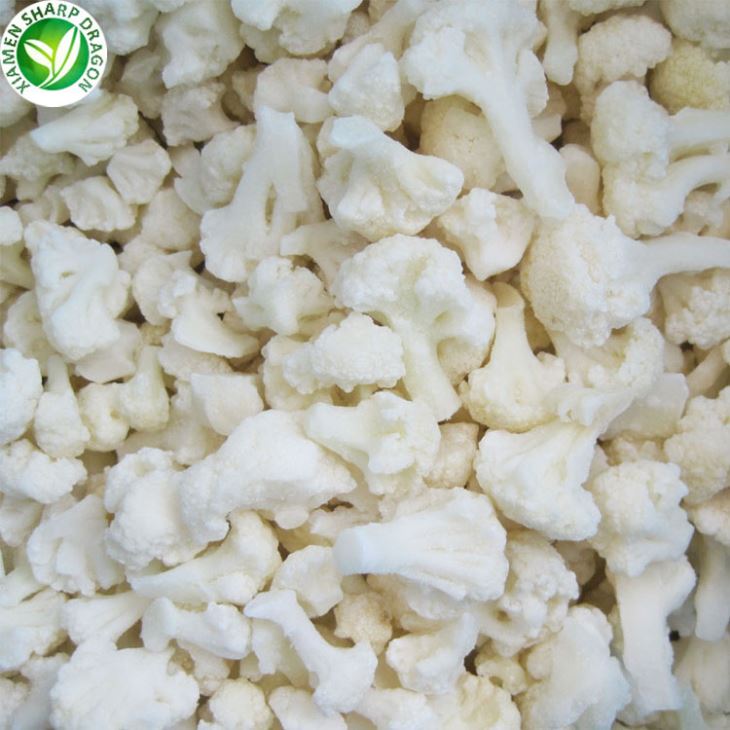
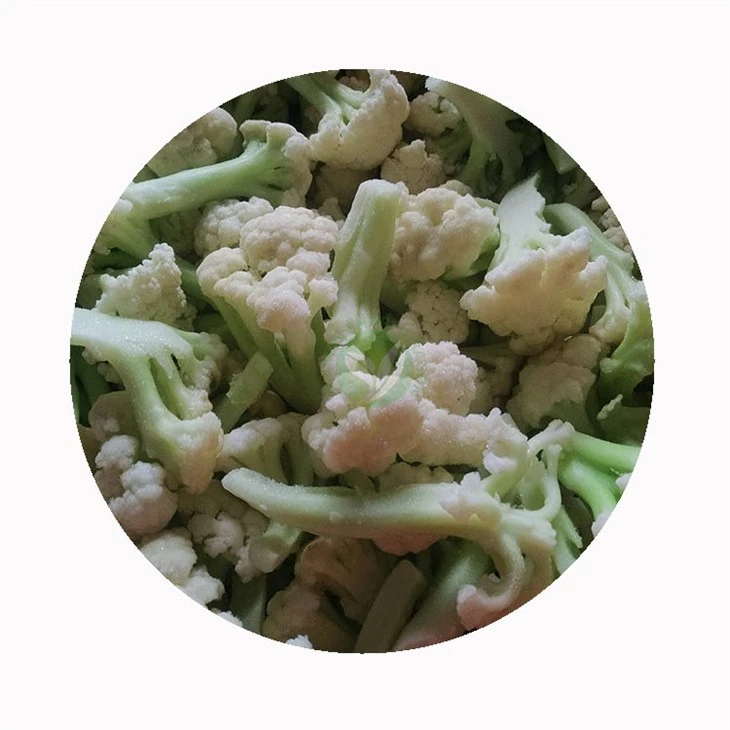
The frozen cauliflower category illustrates the range of product forms a buyer may encounter. For an institutional portion, a defined floret size helps counting and plate consistency. For a bowl base, riced product supports even mixing but requires a measured scoop. The diet owner decides whether either form belongs in the plan.
We would ask for the application, allowed ingredient scope, desired cut, serving method, and the evidence the buyer's diet process accepts. That lets the specification solve a real operational problem. It also reveals when the correct answer is a different SKU, a plain ingredient, or no cauliflower at all for a named individual.

XMSD Experience: Keep Formula, Label, and Pack Version Together
Our second checkpoint is record alignment. A clear inner bag of plain cauliflower and a printed retail pouch for a seasoned recipe carry different information duties. If the formula changes but artwork, ingredient files, or packing instructions do not change with it, the exclusion decision becomes unreliable even when the cauliflower material is correct. A version code should therefore remain visible from approval through packing and into the receiving record, giving the buyer one traceable identity for review.
For a private-label project, we would keep the approved formula identifier, ingredient declarations, artwork revision, and pack instruction connected. For foodservice, we would make the inner-pack identification readable after the outer carton is opened. The frozen packaging overview provides a starting point for discussing the required pack format, but the decision record must follow the actual product.
The failure signal we watch for is a broad claim such as "diet friendly" without a named basis. A more useful pack record states what the product contains and which version is in hand. The clinical, regulatory, or customer quality owner can then apply the relevant rule without guessing what the supplier meant.
A Reliable Stop–Pause–Resume Record
Write the decision in a form that survives handoffs. Identify the person or product scope, the trigger, the owner, the permitted form, the serving basis, the action now, and the event that changes the action. For digestive self-observation, add preparation, meal companions, onset, and duration. For a commercial pack, use formula and artwork identifiers instead of a consumer symptom record.
Avoid broad population labels. Children, older adults, people with thyroid disease, and people with kidney disease are not single exclusion groups. A child needs an age-appropriate texture and portion; an older adult may have an individual swallowing or diet order; a renal patient follows a laboratory-based plan. Put the deciding basis beside the label.
Resume through the same route that created the pause. A clinician-created order ends through a clinical update. A structured IBS elimination moves through planned reintroduction. A self-observed portion adjustment advances through a controlled meal record. An ingredient restriction changes when an approved formula or pack changes. This symmetry protects both safety and dietary variety.
For a commercial product, carry the same clarity into the specification: plain or seasoned, floret or rice, inner pack or retail pouch, serving basis, and ingredient scope. These inputs support a precise product decision while medical suitability stays with the appropriate professional.
References
- NIDDK: Eating, Diet, and Nutrition for Gas in the Digestive Tract
- MedlinePlus: Low FODMAP Diet
- MedlinePlus: Low-Fiber Diet
- U.S. FDA: Food Allergies
- NIH Office of Dietary Supplements: Vitamin K Fact Sheet for Health Professionals
- National Kidney Foundation: Managing Potassium with Diet
- XMSD operational perspective on frozen cauliflower forms, recipe identification, portion control, packing, and application records.