


Why Can Cauliflower Bother You? A Tolerance Guide
Aug 28, 2019

Cauliflower is not "bad for you" as a general rule. For many people it is an ordinary vegetable that supplies fiber and micronutrients with little energy. The more useful question is whether a particular portion, product form or recipe causes symptoms for you, conflicts with individual medical advice, or carries an ingredient that does not fit your diet.
The most common complaint is digestive: gas, bloating or discomfort after a large amount, especially in someone with a sensitive gut or a rapid increase in fiber. Less common but more urgent possibilities include a true food-allergy reaction. People taking warfarin or following a prescribed iodine, potassium, fiber or other medical diet should use their clinician's instructions rather than an internet ban.
Form matters. Plain frozen florets, fresh raw cauliflower, cooked purée, seasoned cauliflower rice and battered fried pieces are not nutritionally interchangeable. Check the full serving, added fat, sodium, allergens and other ingredients. A reaction to garlic sauce, milk, wheat or a very large mixed meal is not evidence that cauliflower itself harmed you.
Direct answer: most people do not need to avoid cauliflower. Adjust portion, preparation and recipe when symptoms are dose-related; seek qualified care for persistent symptoms, prescribed-diet questions or allergy signs.

Begin With Food, Portion and Context
A yes-or-no label hides the deciding inputs. Record how much cauliflower you ate, whether it was raw or cooked, the complete ingredient list, what else was in the meal, when symptoms started and whether the pattern repeats. One uncomfortable dinner cannot isolate one ingredient when the plate also contained onion, garlic, dairy, wheat, sweeteners or a large amount of fat.
Compare like with like. A 100 g portion of plain cauliflower and a 350 g bowl of cauliflower rice with cheese sauce deliver different amounts of vegetable and a different recipe. Raw pieces also require more chewing and may feel different from tender steamed florets or purée. Cooking can change texture and meal tolerance without making the vegetable universally better or worse.
USDA FoodData Central's legacy record for raw cauliflower reports about 25 kcal and 2.0 g dietary fiber per 100 g edible portion. Those figures describe that raw reference, not every frozen, cooked or seasoned item. Water loss, added ingredients and labeled serving size change the finished values, so use the package panel for a commercial product.
Practical example: isolate the variable. If 80 g of steamed florets in a simple meal causes no problem but a large cauliflower-rice bowl with garlic and cream does, repeat only under safe, appropriate conditions with a smaller, simpler serving. The comparison may point to dose or accompanying ingredients rather than a categorical cauliflower intolerance.

Why Cauliflower Can Cause Gas or Bloating
NIDDK explains that some carbohydrates are not fully digested in the stomach and small intestine. When they reach the large intestine, bacteria break them down and create gas. Its examples include cruciferous vegetables such as cauliflower, and it notes that some people notice more gas when they consume too much fiber.
Gas production is not the same as toxicity. The deciding issue is symptom intensity, duration and effect on daily life. Mild, short-lived fullness after a much larger portion has a different meaning from severe pain, repeated diarrhea, weight loss, bleeding, fever or symptoms that wake you. Persistent or alarming symptoms need medical evaluation rather than repeated self-testing.
Reduce the serving and eat slowly if a large amount is the clear trigger. Cook to a texture you tolerate and avoid stacking several personally troublesome ingredients in the same test meal. NIDDK suggests a food-and-symptom diary for gas problems; record quantities rather than writing only "ate vegetables."
Do not assume that purée or riced cuts remove the responsible carbohydrates or fiber. Smaller particles change texture and make it easy to eat more quickly, but the vegetable mass still counts. A riced format can turn three or four side portions into one large bowl unless you weigh or measure it.

Use a Portion Ladder, Not an Avoid-or-Eat Challenge
When symptoms are mild, clearly digestive and not linked to an allergy or medical restriction, a portion ladder can produce better information than eating a very large amount. Start with a modest, measured portion in a simple meal. Keep preparation and accompanying foods stable, then note symptoms over the same observation period. Do not deliberately challenge a food that has caused allergy signs or a serious reaction.
NIDDK's IBS guidance says that increasing fiber slowly-by about 2 to 3 g per day-may help reduce gas and bloating. That is general guidance, not a prescription to increase cauliflower every day. Your total fiber from the whole diet matters, and people with active gastrointestinal disease may receive different advice.
Worked example: vegetable mass and fiber. Using the USDA raw reference of 2.0 g fiber per 100 g, a 100 g portion contributes about 2.0 g fiber. A 300 g bowl contributes about 6.0 g: 300 ÷ 100 × 2.0 = 6.0 g. The larger bowl adds roughly 4.0 g more fiber at once, before counting the rest of the meal.
That arithmetic does not predict symptoms. It identifies a testable dose difference. If 100 g is comfortable and 300 g repeatedly is not, use the smaller serving or divide the amount between meals. If both cause significant symptoms, stop experimenting and discuss the pattern with a clinician or registered dietitian.
Make the diary specific enough to use. Write the cooked or raw weight, product name and lot if packaged, cooking method, sauces, meal time, symptom start, symptom type and severity. Also record whether the same serving was tolerated on another day. Memory tends to preserve the worst meal and forget the ordinary ones; a short structured record reduces that bias.
Change one variable at a time. If you simultaneously reduce cauliflower, remove dairy, omit garlic and cook longer, improvement cannot identify which change mattered. The next action may still be useful for comfort, but it is weak evidence for a permanent exclusion. A dietitian can design a more systematic trial while protecting dietary variety and nutrition.
IBS and FODMAP Decisions Must Be Personal
Monash University explains that FODMAPs are short-chain carbohydrates that may attract water and be fermented, producing gas. People with IBS can feel exaggerated pain, bloating or bowel changes because of gut sensitivity and motility. People without IBS commonly consume FODMAP-containing foods without concern.
Do not copy a fixed cauliflower allowance from an old chart. Food testing data and app entries can be updated; variety, serving size and total meal also matter. Use the current Monash FODMAP resources or advice from a trained dietitian if a low-FODMAP program is clinically appropriate. Elimination is intended to identify tolerances and guide reintroduction, not to create an unnecessarily narrow diet forever.
A plain cauliflower portion is also different from a commercial recipe containing onion or garlic, which are separate FODMAP sources. Seasoning blends, sauces and "natural flavors" may require clarification from the manufacturer. A front label such as "vegetable rice" cannot answer an IBS ingredient question.
Menu example: a foodservice bowl contains 150 g cauliflower rice, 40 g onion and a garlic sauce. A customer reports bloating. The operation should provide the exact ingredient and portion information, not declare cauliflower the cause. The customer and clinician can then evaluate the pattern without an unsupported single-ingredient claim.

Distinguish Intolerance From Food Allergy
MedlinePlus distinguishes food intolerance, which usually produces digestive symptoms such as gas or bloating, from food allergy, which involves the immune system and can be life-threatening. Allergy symptoms can include hives, mouth itching, swelling of the lips, tongue or throat, coughing, wheezing, dizziness, vomiting and trouble breathing.
Call local emergency services for signs of anaphylaxis, particularly breathing difficulty, throat or tongue swelling, fainting or a rapidly worsening whole-body reaction. Use prescribed epinephrine according to the person's emergency plan. Do not conduct a home "small bite" test after a suspected allergic reaction.
Cauliflower is not among the small group of foods responsible for most allergies, but uncommon foods can still cause allergy. Diagnosis belongs with a qualified clinician. MedlinePlus notes that testing without a relevant symptom history can produce false positives; a result alone should not be turned into broad avoidance advice.
For prepared products, investigate the complete recipe and cross-contact controls. Cheese, milk, wheat batter, sesame, soy, egg or another declared ingredient may be the relevant allergen. Obtain the final ingredient statement, allergen declaration and change-control process for the exact SKU rather than infer from a product photograph.

Medication and Prescribed-Diet Questions Need Precision
Warfarin advice is often distorted into "avoid all green vegetables." NHS guidance instead tells patients to speak with their clinician before large dietary changes and to keep vitamin K intake consistent. Cauliflower contains vitamin K, although it is not equivalent to every dark leafy vegetable. Do not stop warfarin or remove vegetables without the anticoagulation team's advice.
Consistency applies to real amounts. Changing from one side portion twice a week to a large cauliflower bowl every day is a diet change worth reporting. A plain vegetable and a recipe made with vitamin-K-containing oils may also differ. The package nutrition panel may not declare every micronutrient, so patients should bring ingredient and serving information to the clinician.
Kidney diets are individualized by kidney function, blood results, medicines and treatment. The National Kidney Foundation lists cauliflower among lower-potassium vegetable choices at a half-cup serving in one potassium guide, which contradicts a blanket "cauliflower is bad for kidneys" rule. A prescribed portion can still differ, and sauces, salt substitutes or a large recipe can change potassium and sodium.
Fiber advice can change during a flare, after gastrointestinal surgery or with narrowing or motility problems. Provide the clinician with product form, cooked amount and full ingredients. "Cauliflower" is too vague for an individual diet decision when one person eats raw florets and another eats a blended soup with dairy and salt.
The Thyroid Warning Is Usually Overstated
Cruciferous vegetables contain compounds described as goitrogens because they can interfere with iodine use under certain conditions. That mechanism is sometimes turned into a claim that anyone with a thyroid concern must avoid cauliflower. NIH's Office of Dietary Supplements says reasonable amounts are not a concern for most people who have adequate iodine intake and eat a varied diet.
The concern is more relevant to people with marginal iodine intake who also consume goitrogen-containing foods. Iodine status depends on the broader diet, geography and use of iodized salt or supplements; guessing from one vegetable is unreliable. People with diagnosed thyroid disease, pregnancy-related iodine needs or a medically prescribed low-iodine protocol should follow their specialist's plan.
Do not take high-dose iodine or kelp to "cancel out" cauliflower. Excess iodine can also cause harm, and supplements can interact with medical care. A clinician can assess intake, thyroid function and treatment. The practical default for an adequately nourished person is dietary variety and reasonable portions, not fear of one cruciferous vegetable.
Product Form Can Change the Whole Meal
Plain frozen cauliflower can be portioned into soups, sides or roasting mixes. A representative plain floret specification still needs the final label and order details. Blanching and freezing change texture; they do not turn the vegetable into medicine or remove every digestion issue.
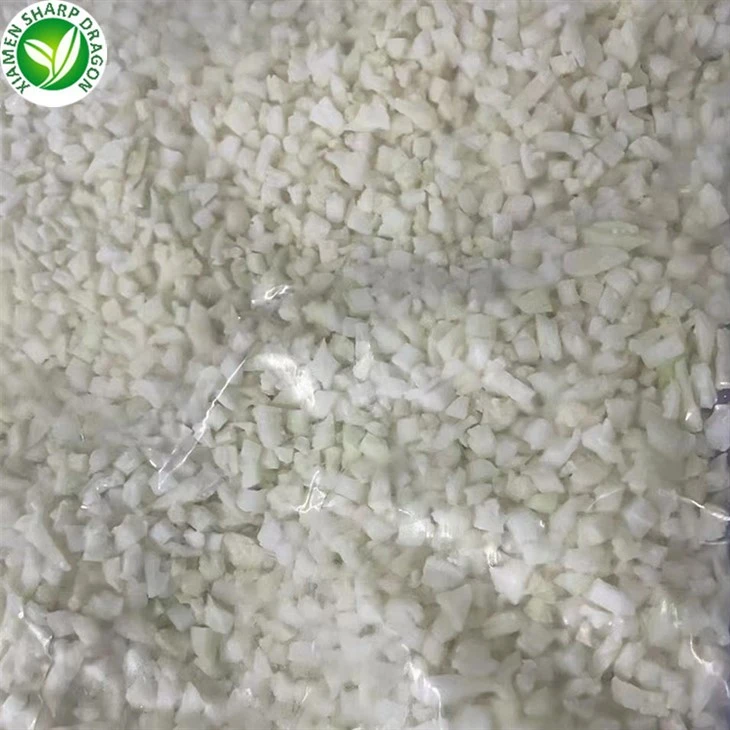
Riced cauliflower changes shape, not identity. The cauliflower rice format can replace part of a grain serving in a recipe, but "rice" does not guarantee a low-calorie finished bowl. Oil, cheese, coconut milk, sauces and portion size can dominate energy, sodium and allergens.
For a fair label comparison, put products on the same basis: grams per serving, servings per pack, energy, fiber, sodium, fat, added sugar where relevant, and all ingredients. A 75 g plain serving should not be compared with a 250 g prepared entrée by reading only the calories "per serving." Calculate the amount actually eaten.
Recipe example: a 100 g plain cauliflower component carries the raw reference of about 25 kcal before cooking differences. Adding 15 g oil contributes roughly 135 kcal because fat supplies about 9 kcal per gram. The finished component is therefore at least about 160 kcal before sauce or cheese; most of that difference comes from the recipe, not from cauliflower.
Write Claims and Specifications That Do Not Overreach
A supplier can state verified facts about the product: cauliflower percentage, cut range, ingredient list, nutrition basis, allergen statement, pack, blanching status, storage condition and cooking directions. It should not promise that the vegetable detoxifies the liver, prevents colds or scurvy, strengthens blood vessels, treats IBS or is suitable for every person.
Nutrition and health claims depend on destination law and the finished product's measured or calculated composition. A raw-food database value is useful for context but cannot automatically populate a branded, cooked, glazed or seasoned label. Use the approved local method, declared serving and rounding rules. Preserve the data source and recipe version.
For institutional or retail use, ask whether the item is 100% cauliflower, whether oil or seasoning is included, and whether the facility has relevant allergen cross-contact controls. Obtain the final artwork before launch. If a formula changes, recheck label, claims and customer approval instead of assuming the product name covers the change.
Keep quality and tolerance separate. The frozen cauliflower quality guide explains freezer burn and cold-chain evidence. A sound in-date product can still be unsuitable for an allergic person, while mild gas does not prove the product is spoiled.

Know When Portion Advice Is Not Enough
Stop home testing and seek qualified advice when symptoms are severe, persistent, worsening, associated with weight loss, bleeding, repeated vomiting, fever or dehydration, or when a medical condition or medicine complicates the choice. Emergency allergy signs require immediate action. A food diary is supporting information, not a diagnosis.
Do not confuse a personal tolerance question with a food-condition decision. Mold, slime, abnormal odor, contamination, unsafe holding and damaged packages are addressed in the guide on when not to eat cauliflower. Those warning signs can require discard even when nobody has a known intolerance.
Conversely, a person may need to avoid an ingredient even when the lot is fresh, correctly frozen and within specification. Build the decision in the right order: emergency reaction, prescribed restriction, repeatable tolerance pattern, complete recipe, then portion and preparation. That prevents a dramatic headline from replacing individual evidence.
The Practical Answer
Cauliflower is not inherently bad for most people. Its carbohydrates and fiber can contribute to gas or bloating in a dose-sensitive person, especially with IBS or a rapid fiber increase. Measure the portion, simplify the meal and track the pattern. Do not diagnose an allergy or digestive disorder from one meal.
Use qualified advice for warfarin, thyroid disease, kidney disease, active gastrointestinal conditions or other prescribed diets. Reasonable cruciferous intake is not a thyroid concern for most iodine-adequate people, and cauliflower can appear in kidney-friendly guidance, so neither topic justifies a universal ban.
Finally, judge the exact product. Plain florets, rice cuts and prepared recipes have different serving sizes and ingredients. Ask for evidence-based nutrition and allergen information, and reject detox, disease-prevention or "suitable for everyone" promises that the product cannot support.
For a cauliflower brief, send form, cut, ingredient limits, pack, quantity, destination and required label documents through the XMSD inquiry form. We can align the SKU evidence without making medical promises.
References
- USDA FoodData Central. Cauliflower, raw, SR Legacy food 169986. Accessed August 27, 2026.
- National Institute of Diabetes and Digestive and Kidney Diseases. Eating, Diet, & Nutrition for Gas in the Digestive Tract. Accessed August 27, 2026.
- National Institute of Diabetes and Digestive and Kidney Diseases. Eating, Diet, & Nutrition for Irritable Bowel Syndrome. Accessed August 27, 2026.
- Monash University. About FODMAPs and IBS. Accessed August 27, 2026.
- MedlinePlus. Food Allergy. Accessed August 27, 2026.
- NHS. Warfarin. Accessed August 27, 2026.
- NIH Office of Dietary Supplements. Iodine: Fact Sheet for Health Professionals. Accessed August 27, 2026.
- National Kidney Foundation. Lower-Potassium Fruits and Vegetables. Accessed August 27, 2026.