


Apricots and Digestion: Fiber, Sorbitol and Portion Tolerance
Jan 16, 2019

Apricots can support a fiber-rich eating pattern, but they do not affect every digestive system in the same way. Their fiber, water and naturally occurring sorbitol may be useful in one portion and uncomfortable in a larger one. The practical answer is to define the form, measure the amount and judge your own tolerance.
Health boundary: This article is general food information, not diagnosis or treatment. Persistent constipation or diarrhea, severe abdominal pain, repeated vomiting, blood or black stool, dehydration, fever, unexplained weight loss or a major change in bowel habits needs prompt professional assessment.

The Short Answer
Apricot flesh contributes dietary fiber, and fresh fruit also supplies substantial water. Apricots naturally contain sorbitol, a sugar alcohol that is absorbed incompletely by some people. The combination can help explain why a modest portion feels comfortable for one person while a large portion-especially dried apricots-can produce gas, bloating, urgency or loose stool in another.
This does not make apricots a laxative medicine, and it does not make them a food everyone with irritable bowel syndrome must avoid forever. Dose, product form, the rest of the meal, fluid intake, individual absorption and an existing digestive condition all change the response. A useful starting point is one small fresh apricot, roughly 35 grams of edible fruit, or another amount recommended in your personal diet plan.
If you have no digestive symptoms, there is no reason to turn an ordinary apricot portion into a medical test. If symptoms recur, change one variable at a time. Record the exact form, edible weight, accompanying foods, time and symptom pattern. That observation is more useful than a blanket claim that apricots are either "good for digestion" or "bad for the gut."
Three Features That Change the Digestive Response
1. Fiber contributes to the whole-day total
Two medium fresh apricots, about 70 grams of edible fruit in a common reference, provide roughly 1.4 grams of fiber. That is a useful contribution, not the entire requirement. NIDDK notes that adult fiber needs vary with age and sex and gives a broad daily range of 22 to 34 grams. Whole grains, legumes, vegetables, nuts, seeds and other fruits still need to carry most of that total.
Fiber is not a switch that changes digestion instantly. Increasing it rapidly can increase gas or discomfort, particularly when the previous diet was low in fiber. Add fiber gradually and include appropriate fluids unless a clinician has prescribed a fluid restriction. If constipation is persistent, identify the cause with a professional rather than continuing to increase one fruit.
2. Water changes food volume and concentration
Fresh apricot contains much more water than dried apricot. This gives fresh fruit more volume for a given amount of energy and carbohydrate. Drying removes much of that water, so several fruits fit into a small handful. The concentrated format makes it easy to consume a larger fruit-equivalent amount before your appetite notices.
Drinking water does not make every digestive symptom disappear, but adequate fluid helps fiber function in a normal eating pattern. The suitable amount depends on body size, activity, climate, pregnancy, kidney or heart conditions and other factors. Follow a personal fluid restriction when one has been prescribed.
3. Sorbitol absorption varies
Sorbitol is a polyol, or sugar alcohol, that occurs naturally in apricots and several other fruits. Human absorption can be incomplete. Unabsorbed polyols can draw water into the intestine and become available to colonic bacteria, which can increase gas and loosen stool. A systematic review of polyols describes this osmotic and fermentable behavior and emphasizes that dose and individual sensitivity matter.
The word "natural" does not make sorbitol inactive, and the word "sugar alcohol" does not mean apricot contains alcohol in the beverage sense. It is a carbohydrate structure. Some people tolerate an ordinary fruit portion without noticing it; others, particularly some people with IBS, may react at a lower amount. Do not borrow a friend's tolerance threshold as your own.

Fresh, Frozen, Canned and Dried Apricots Are Different Tests
If you are trying to understand a digestive response, do not change the form and the dose at the same time. A fresh fruit, a bowl of thawed unsweetened halves, a canned product in syrup and a bag of dried apricots differ in water, ingredients, portion density and preparation. Use the label and a kitchen scale to make the comparison visible.
| Apricot form | Portion issue | Digestive variable | What to record |
|---|---|---|---|
| Fresh | Count varies with fruit size | Fiber, water, sorbitol and skin | Edible grams and ripeness |
| Unsweetened frozen | Easy to weigh directly | Same fruit components; softer texture after thawing | Frozen weight, thaw method and drip |
| Canned | Drained versus total pack weight | Juice or syrup changes the meal | Packing liquid, drained weight and ingredients |
| Dried | Compact and easy to over-serve | Concentrated fruit solids and possible sulfites | Grams, piece count, added sugar and sulfites |
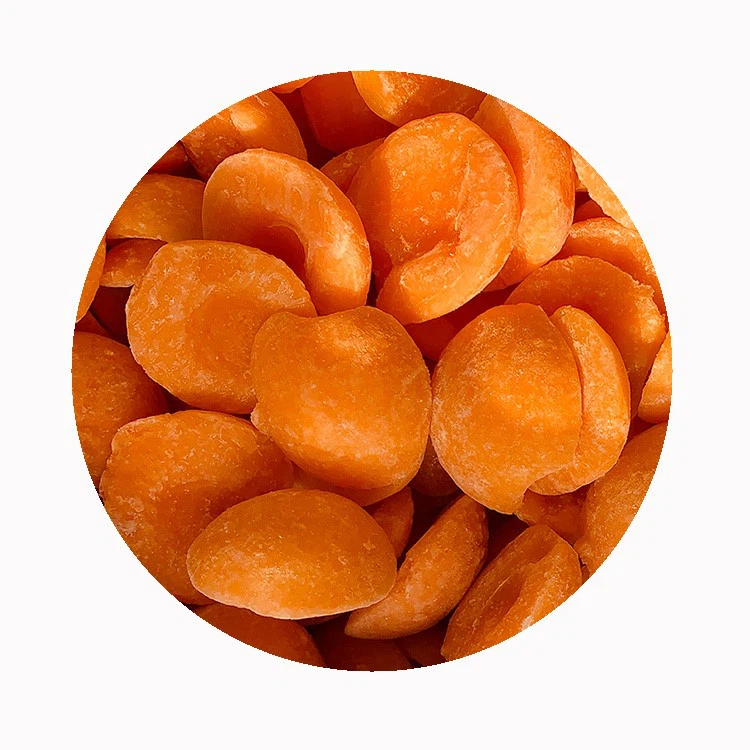
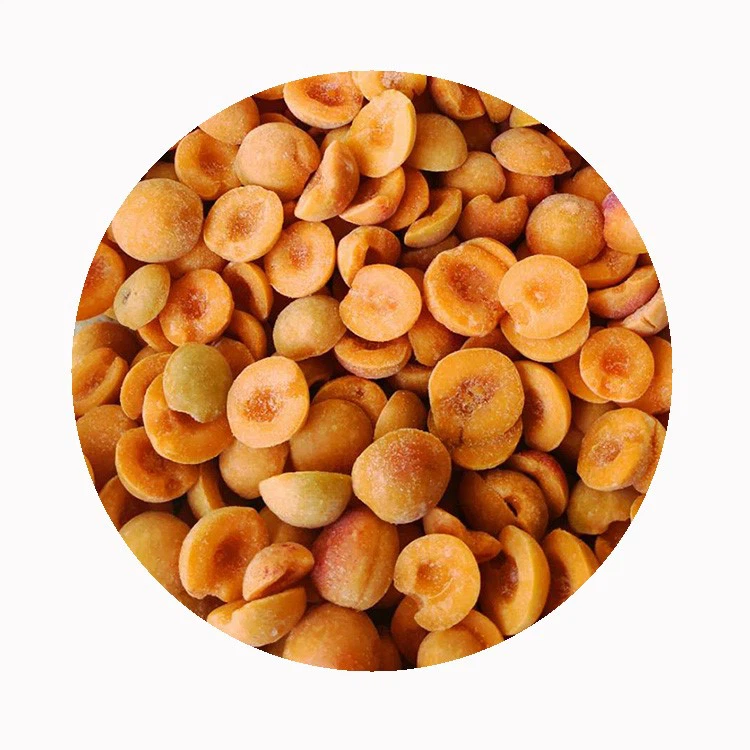
Freezing itself does not remove fiber or sorbitol from the fruit. It disrupts tissue and changes texture, so thawed pieces become softer and may release liquid. For a smoothie or cooked recipe, that can be useful. For a tolerance log, weigh the apricot portion and keep the rest of the recipe consistent. The XMSD IQF frozen apricot range shows why halves, slices and dice need separate application approval even when the ingredient remains apricot.

How to Test Portion Tolerance Without Guessing
A food log is useful only when it reduces uncertainty. Do not eat several new foods, change supplements and double your fiber on the same day, then blame the apricot. Keep your usual meal pattern as stable as practical and change one apricot variable.
Step 1: define the baseline
Record whether the fruit is fresh, unsweetened frozen, canned or dried. Note edible grams, time, accompanying foods and relevant symptoms over the following hours. If you already have a clinician-directed low-FODMAP plan, follow its elimination and reintroduction process instead of inventing a new one.
Step 2: use a modest amount
For an informal fresh-fruit baseline, one small apricot around 35 grams of edible flesh is easier to interpret than a large bowl. This is an observation amount, not a medical threshold. If it fits your diet and causes no problem, you can later compare the portion you actually want to eat. Stop the test if symptoms are significant.
Step 3: separate dose from form
Do not compare 35 grams of fresh fruit with 35 grams of dried fruit and call it a fair test. The dried portion represents more fruit solids because water has been removed. Keep the form constant while adjusting dose. On another day, compare forms at the portion you are likely to use, with the same surrounding meal.
Step 4: look for a repeatable pattern
One episode does not prove causation. Travel, infection, stress, menstrual cycle, sleep, medication, alcohol, total fiber and other fermentable carbohydrates can change symptoms. A repeatable relationship between a defined apricot portion and a similar response is more informative. Bring the record to a qualified professional when symptoms affect daily life.
Simple decision: If a normal apricot portion causes no recurring symptoms, enjoy it within a varied diet. If symptoms repeat, reduce uncertainty with measured portions and professional guidance instead of applying a permanent self-diagnosed ban.
Two Practical Examples
Example 1: finding the problem in a breakfast bowl
Example 1: A breakfast bowl contains 70 grams of frozen apricot, 40 grams of oats, yogurt, honey and a sugar-free flavor syrup. Gas occurs after eating it. Removing apricot first would not isolate the cause because the syrup may contain added polyols and dairy may matter for some people. Keep the oats and yogurt consistent, remove the sugar-free syrup, and record the exact ingredient list before changing the apricot dose.
Example 2: dried apricot portion creep
Example 2: A person normally tolerates 20 grams of dried apricot with lunch but eats 70 grams directly from a shared bag during travel. The larger dose combines more fruit solids, fiber and sorbitol in one sitting, while travel and fluid intake also changed. The next action is not to declare a lifelong intolerance. Return to the previously tolerated measured amount and discuss recurring or severe symptoms with a professional.
Worked Example: Portion Control in a Foodservice Batch
Worked example: A café prepares 240 breakfast bowls and specifies 70 grams of frozen apricot per bowl. Finished apricot need is:
240 bowls × 70 g = 16,800 g = 16.8 kg
The café's trial records 2% loss from bag residue, spilled pieces and production mismatch. Required frozen receiving weight is:
16.8 kg ÷ 0.98 = 17.14 kg frozen apricot
Now assume staff use an unmarked scoop that sometimes delivers 95 grams. An overfilled bowl is 25 grams above specification:
95 g − 70 g = 25 g extra, or 35.7% above the target portion
That variation changes cost, sensory balance and the fruit dose a customer receives. It does not prove a medical effect, but it makes menu experience less predictable. Replace the scoop with a weight-checked portion tool, verify ten consecutive servings at opening and repeat the check after staff changes. For broader menu planning, the XMSD foodservice sourcing page explains why pack size and dosing method belong in the ingredient decision.
IBS, FODMAPs and Why Online Thresholds Can Mislead
FODMAP is a group name for fermentable carbohydrates that can contribute to symptoms in some people with IBS. Sorbitol is one of the polyols in that group. NIDDK describes a low-FODMAP diet as a possible short-term approach that a doctor may recommend, often with dietitian support. It is not a universal healthy diet and it is not meant to become an unplanned permanent restriction.
Food-composition values and tested serving thresholds can change as databases are updated, and different apricot forms are not interchangeable. A screenshot copied from an old app or an unlabeled blog table may omit form, weight and testing method. Use the current resource recommended by your dietitian and follow the stated reintroduction sequence.
A symptom after apricot does not diagnose IBS, sorbitol malabsorption, fructose intolerance or allergy. These are different questions. Self-removing many fruits can reduce diet variety and make it harder to identify the real trigger. If symptoms are regular, get an appropriate assessment and use a structured plan.
Apricots Are Food, Not a Detox or Bowel Treatment
Claims that apricots "clean the intestine," "remove toxins" or "cure constipation" turn normal food components into treatment promises. Apricot fiber can contribute to total fiber intake, and sorbitol can affect stool water and gastrointestinal symptoms. Neither fact proves that a specific number of apricots treats a person's underlying condition.
Constipation can relate to diet, fluid intake, activity, medicines, pregnancy, pelvic-floor function, metabolic conditions, neurologic disease and other factors. Diarrhea and bloating also have many possible causes. Use fruit as food. If you need a treatment plan, get one that addresses the cause and your complete health situation.
Our related article, Are Apricots Good for You?, covers the broader nutrition and portion question. Keep this digestion guide focused on dose, tolerance and symptom boundaries rather than extending it into unrelated disease claims.
For Buyers: Specify What Reaches the Plate
If your menu or label mentions digestion, first make the ingredient repeatable. A broad benefit claim cannot compensate for portions that drift or a specification that changes between lots. Define apricot form, cut, skin option, blanching, ingredient statement, Brix or maturity where relevant, defect limits and stone-fragment control.
Match the cut to dose control
Halves create visible fruit but may require cutting or piece counting. Dice can distribute more evenly through yogurt, oats or bakery filling. Slices fit some topping applications. Approve the cut tolerance by weight and visual result. A nominal "half" is not useful if piece size varies enough to change every serving.
Check added ingredients and cross-contact information
Confirm whether the product contains only apricot or uses antioxidants, firming agents, sugar or another ingredient. Request the ingredient and allergen statement and verify destination-market labeling. If your finished product makes a "no added sugar" or similar claim, confirm the full formula and legal definition rather than relying on the fruit name.
Validate thaw and hold performance
Measure thaw drip, color, flavor and texture at the intended serving time. A piece that looks good while frozen may become too soft after a two-hour chilled hold. A smoothie can accept softer tissue that a parfait garnish cannot. Record the approved thaw method, temperature, hold time and final application result.
Choose packaging around daily use
A bag that is too large for daily turnover encourages repeated opening, temperature abuse and portion drift. A bag that is too small adds labor and packaging waste. Compare daily consumption, freezer workflow and dosing method. Review frozen-food packaging options, then put the selected bag, carton, label and case mark into the purchase specification.
Verify the current document set
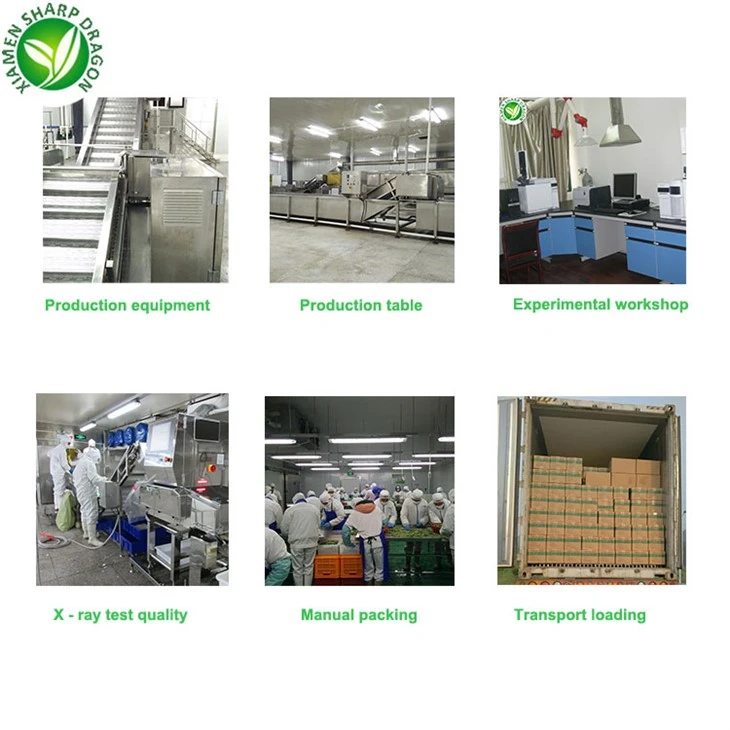
Request the product specification, lot coding, traceability information, COA format, agreed microbiological and residue criteria, ingredient statement, shelf life, storage condition and shipment documents. If certification matters, verify the legal entity, site, scope and validity through the XMSD certification overview and current controlled copies. A logo alone does not establish applicability to the proposed apricot lot.
When Symptoms Need More Than a Portion Adjustment
Occasional mild gas after a large dried-fruit portion is different from severe or persistent illness. Contact a healthcare professional when symptoms repeatedly interfere with eating or daily life. Seek prompt help for severe abdominal or rectal pain, frequent vomiting, blood or pus in stool, black tarry stool, dehydration, high fever, significant unexplained weight loss or prolonged diarrhea.
Children, older adults, pregnant people and anyone with a weakened immune system or a serious medical condition may need earlier advice. Do not use apricot, dried fruit or a self-directed elimination diet to delay care. Keep the package, ingredient list and lot information if you suspect a food-safety or allergy problem.

FAQ
Do apricots make you have a bowel movement?
They may affect stool in some people because they contribute fiber and naturally occurring sorbitol, but response is not guaranteed. Portion and individual tolerance matter. Persistent constipation deserves an appropriate assessment rather than escalating the fruit dose indefinitely.
Why do dried apricots cause more gas for some people?
Drying concentrates fruit solids into a smaller volume, so it is easy to eat a larger dose of fiber and sorbitol quickly. Some dried products also contain sulfites. Measure the portion and check the label rather than estimating from the size of the handful.
Does cooking or freezing remove sorbitol from apricots?
Do not assume it does. Heat and freezing change texture and some composition, but the fruit remains a source of its natural carbohydrates. If sorbitol tolerance is the question, use current professional guidance and record the exact form and portion.
What should a frozen apricot sample test include?
Check cut and weight distribution, stone fragments, color, flavor, ingredients, piece separation, thaw drip, texture and performance in the real recipe. Use the intended pack, thaw method and hold time. Record acceptance criteria before comparing suppliers.
The Practical Bottom Line
Apricots contribute fiber and contain natural sorbitol, so portion and individual absorption can change the digestive response. Fresh fruit brings more water and visible volume; dried fruit is concentrated; canned fruit depends on its packing medium; frozen fruit becomes softer but can be weighed consistently. None of these forms is a universal bowel treatment.
If you are symptom-free, enjoy a sensible portion. If symptoms recur, record form, edible weight, surrounding foods and timing, then get professional help when needed. For commercial use, control cut, ingredients, portion, pack, thaw method, quality criteria and documents so the customer receives the product you actually approved.
XMSD sourcing note: Share your application, apricot form and cut, ingredient requirements, target portion, pack, destination, volume and document list. We can review a suitable frozen apricot specification and sample plan for the current project.
References
- NIDDK: Eating, Diet and Nutrition for Constipation
- NIDDK: Eating, Diet and Nutrition for Irritable Bowel Syndrome
- Advances in Nutrition: Systematic Review of Polyols and Gastrointestinal Health
- Nutrition: Dietary Sorbitol and Mannitol Content and Absorption Patterns
- South Dakota State University Extension: Apricot Lesson Plan and Nutrition Fact Sheet
- NIDDK: Symptoms and Causes of Diarrhea
- XMSD operational experience in frozen-fruit specification review, portion control, sample testing, packaging and foodservice application checks.