


What Is the Benefit of Apricot? A Food-Form Guide
Aug 20, 2019

The practical benefit of apricot is simple: it is a flavorful whole fruit that contributes carbohydrate, dietary fiber, carotenoids including provitamin A, vitamin C and potassium to a varied diet. Fresh and plain frozen apricots deliver that fruit identity without needing added sugar. Dried apricots provide a compact, shelf-stable form, while canned fruit, sweetened puree, jam and bakery filling can carry very different sugar and calorie loads.
Apricots do not prevent or treat cancer, heart disease, anemia or another medical condition by themselves. "Vitamin B17" is not a recognized vitamin, and apricot kernels are not a nutritional extension of the flesh. The National Cancer Institute says laetrile/amygdalin has shown no anticancer activity in human clinical trials and can cause cyanide-type toxicity.[1]
For a product developer or buyer, the useful question is not whether "apricot is healthy" in the abstract. It is which form, serving, ingredient statement, pit control, color, texture and pack fit the intended food. That keeps nutrition language accurate and turns a broad benefit claim into a specification you can verify.
The short answer: Apricot can help add whole-fruit variety, fiber, orange-fruit carotenoids and useful flavor to meals and formulations. Plain fresh, frozen, dried or canned-in-juice forms can all fit, but portion size and added ingredients change the comparison. Eat the flesh, remove the stone, and do not market raw kernels or "vitamin B17" as cancer therapy.

Start With the Benefit That Can Be Defended
A whole apricot is food, not a treatment. Its strongest defensible value is that it helps people eat a wider range of whole fruit and supplies a package of water, carbohydrate, fiber and micronutrients. The current U.S. Dietary Guidelines prioritize whole, nutrient-dense foods including fruit and note that frozen, dried or canned fruit with little or no added sugar can also be useful options.[2]
The orange color comes partly from carotenoids. Some, including beta-carotene, can be converted into vitamin A. NIH explains that vitamin A supports normal vision, immune function, growth and development, while plant foods contribute provitamin A carotenoids rather than the preformed vitamin A found mainly in animal foods.[3] This supports a nutrient statement; it does not prove that one apricot prevents an eye or immune disorder.
Fiber contributes to the food's structure and can help a fruit serving feel more substantial than clarified juice. Potassium and vitamin C add to overall dietary intake. The amounts depend on cultivar, maturity, analytical database, serving and processing. Use the nutrition panel or a market-appropriate laboratory/database calculation for a finished product instead of copying a generic online list.
Apricot is not a meaningful standalone protein source and should not be sold as one. It is also not a substitute for prescribed care or for the broader pattern of vegetables, fruits, protein foods, grains and fats that meets an individual's needs. Benefit language is more credible when it says what the product contributes and stops there.

Fresh, Frozen, Dried and Canned Are Not the Same Serving
| Form | Useful feature | What changes | Buyer check |
|---|---|---|---|
| Fresh | Whole-fruit texture, aroma and water | Seasonal life, ripeness, stone yield | Size, maturity, firmness, defects |
| Plain IQF | Pitted, portionable, year-round inventory | Thaw drip and softer raw texture | Halves/pieces, added sugar, pit control |
| Dried | Compact flavor and shelf stability | Less water, more fruit mass per bite | Serving, sulfites, moisture, color |
| Canned | Ambient-stable, tender, standardized | Juice or syrup affects formulation | Drained weight, medium, added sugar |
| Puree/filling | Easy dosing and flavor distribution | Particle size and other ingredients | Brix, fruit %, sugar, stabilizers |
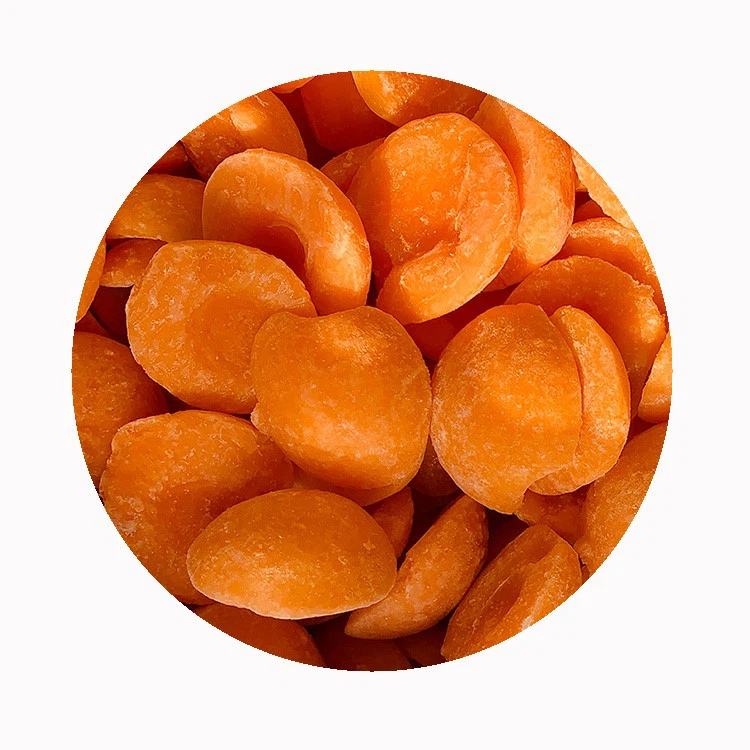
Freezing removes season pressure and much of the preparation labor without turning apricot into a supplement. Plain IQF halves still represent fruit, but thawed cells release water and soften. They work well in cooked sauces, yogurt bases, bakery, jam and blended applications; a delicate fresh garnish may need fresh fruit.
Drying concentrates fruit solids because much of the water is removed. A dried portion therefore cannot be compared gram-for-gram with fresh fruit as if the water content were equal. The compact format can be useful in cereal, trail mix and bakery, but serving size needs deliberate control.
Canning medium matters. Apricots packed in water or juice are not nutritionally equivalent to fruit in heavy syrup. Sweetened puree and jam may be technically useful, yet their benefit is ingredient functionality and flavor-not a license to advertise the same profile as plain whole fruit. Read serving calories, total sugars, added sugars and ingredient order.
A Serving Calculation Makes "Nutritious" Concrete
USDA's SNAP-Ed apricot page lists one fresh 35 g apricot at 17 calories, 4 g carbohydrate, 3 g total sugars and 1 g dietary fiber.[4] Rounded label values are useful for planning but should not be treated as laboratory results for every cultivar.
Worked example: A fruit cup uses four fresh apricots. At the USDA reference size, edible serving weight is about 4 × 35 g = 140 g. The rounded database contribution is 68 calories, 16 g carbohydrate, 12 g total sugars and 4 g fiber. Those figures describe the apricot portion before yogurt, syrup, granola or other ingredients are added.
Now suppose a processor replaces that 140 g fruit component with 140 g of sweetened filling. The final nutrition cannot be inferred from the fruit name. You need the filling's actual fruit percentage, Brix, ingredient statement and nutrition data. If the label declares 10 g added sugars per serving, that belongs in the product comparison even though the sugar originated in a fruit application.
FDA distinguishes naturally occurring total sugars from sugars added during processing and requires the Nutrition Facts label to show grams and percent Daily Value for added sugars on applicable packaged foods.[5] "Made with apricot" is not enough information for a nutrition claim or a buyer decision.
Use the intended serving and market rules. A 40 g fruit inclusion in yogurt, a 25 g dried snack and a 140 g fresh bowl solve different sensory and nutrition jobs. Specify net fruit per serving first, then calculate calories, sugars, fiber and permitted claims from the finished recipe.

Fruit Flesh and Apricot Kernels Need a Hard Boundary
The edible fruit surrounds a hard stone. Inside that stone is a kernel. The kernel is not part of an ordinary pitted-apricot serving, and its risk should not be blended with the benefits of the flesh. Pitting is therefore both a convenience step and a physical-hazard control.
Apricot kernels contain amygdalin, which can release cyanide after ingestion. EFSA states that normal consumption of apricot fruit does not create this kernel risk, while more than three small raw kernels-or less than half of one large kernel-can exceed its acute reference dose for adults; toddlers can exceed it with even one small kernel.[6] These figures are safety boundaries, not recommended servings.
Do not call amygdalin "vitamin B17." NCI notes that this is not an approved vitamin designation, laetrile is not needed for normal metabolism, no anticancer activity was found in human clinical trials and adverse effects resemble cyanide poisoning.[1] Cancer treatment claims are inaccurate and dangerous.
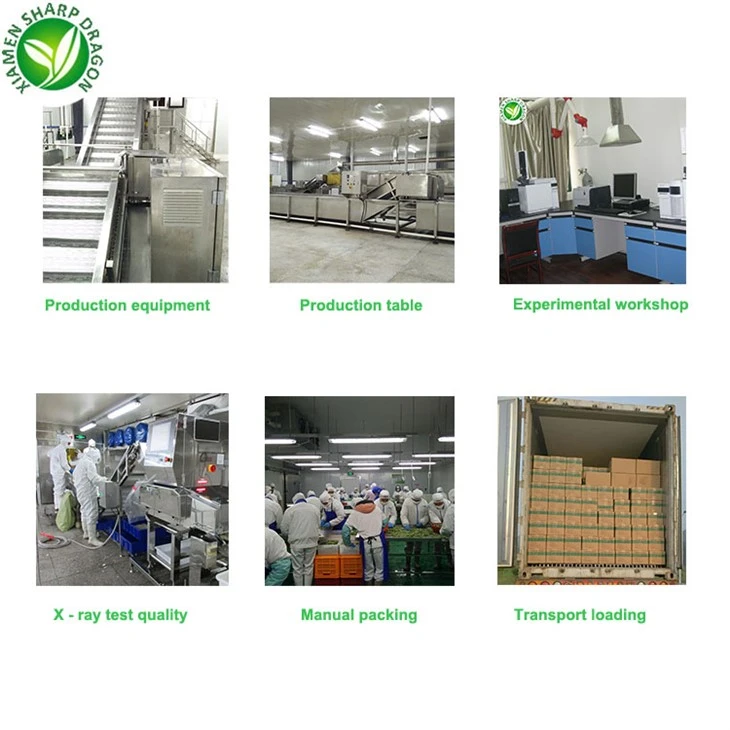
For a pitted frozen specification, define whole-stone and stone-fragment tolerances, detection method, sample basis, line controls and action on failure. A "pitted" label does not mean that no fragment can ever occur. Your hazard analysis and market requirements determine the acceptance and escalation rules.
Use-case example: A yogurt plant chooses pitted IQF apricot pieces for direct dosing. It requires a documented pitting and inspection program, screens a representative lot before release and sends any hard-fragment finding to the food-safety owner. It does not solve a fragment complaint by adding a kernel warning to a product that should contain only flesh.

Color and Antioxidant Language Need Restraint
Apricots contain carotenoids and other plant compounds. "Contains antioxidants" can describe composition when supported, but the word is often stretched into disease-prevention claims. A laboratory antioxidant-capacity result is not clinical evidence that a serving prevents cancer, reverses aging or protects a person from heart attack.
NIH makes the distinction clear for vitamin A and beta-carotene. Diets with foods containing these compounds may be associated with outcomes in observational research, yet trials do not show that vitamin A or beta-carotene supplements prevent cancer; high-dose beta-carotene supplements can even be harmful to some groups.[3] Fruit, supplement and treatment are different categories of evidence.
Processing can change color, oxygen exposure and heat-sensitive compounds. A frozen half that is uniformly orange and free from severe browning may be commercially attractive, but color alone cannot establish a specific vitamin level. If a label claim depends on vitamin C or vitamin A, substantiate the finished product using the accepted database or testing route for the market.
Keep marketing phrasing proportional: "plain pitted apricot halves," "no added sugar" when true and compliant, "source of fruit," or a quantified nutrient claim that meets local rules. Avoid "detox," "immune booster," "heart protector," "anti-aging" and "anti-cancer." The more medical the promise sounds, the more it exceeds what ordinary fruit composition can support.
Choose the Form by Application, Not by a Health Halo
Plain frozen halves work when the product should show recognizable fruit. Pieces or dice distribute more evenly in yogurt, bakery fillings and meal components. Puree provides uniform dosing but removes visible identity. Dried pieces add chew and concentrated flavor. Canned halves deliver tenderness and ambient storage.
Match form to the process. A whole frozen half can break during high-shear mixing; a fine puree can disappear visually in a premium cup. Dried fruit may draw moisture from dough or cereal. Syrup-packed fruit can shift soluble solids. Run a line trial with the real pack and thaw or drain method before approving annual volume.
The XMSD frozen apricot range provides the category starting point. Compare the apricot half format with the separate frozen halves specification route, then confirm dimensions, pit status and application rather than assuming similar page names mean identical lots.
For a food-processing project, share finished-product matrix, fruit dose, visual target, thermal process, mixing energy, fill temperature and target cost. The food-processing supply route is relevant when cut form, recovery and line performance matter more than a consumer-style list of benefits.
Read Labels and Specifications Beyond the Fruit Name
For retail or private label, compare serving size, calories, total carbohydrate, fiber, total sugars, added sugars and sodium. Then read the ingredient statement. "Apricot" on the front can describe plain fruit, fruit in syrup, a puree with sugar, a confection or a product in which apricot is a minor ingredient.
For dried apricots, ask whether sulfites are used to retain color. Sulfite treatment can be legitimate when permitted and declared, but undeclared sulfites have triggered FDA allergy recalls for dried apricots.[7] Set residue and label requirements for the destination market and verify them through supplier documents and testing as required.
For IQF, specify single-ingredient or sweetened identity, cultivar/origin if material, halves or pieces, nominal size, pitted status, color, ripeness, defects, foreign material, broken percentage, free-flowing condition, pack weight and storage at –18°C or below. Add microbiological and chemical requirements that match intended use and market.
"No added sugar" and "unsweetened" are not sensory guarantees. Apricots naturally contain sugars and acidity varies by cultivar and maturity. Run Brix, acidity and sensory checks on real lots. If the application needs a fixed sweetness/acid balance, state the acceptable range rather than forcing a health phrase to do the work of a technical specification.
Translate Composition Into Claims Carefully
A nutrition claim is a regulated statement, not a synonym for positive copy. "Source of fiber," "high in vitamin A" and similar phrases have thresholds, reference servings and formatting rules that vary by destination. Calculate the finished product, including carrier syrup, sugar, water loss and serving size, then have the label owner apply the governing rule. A generic apricot database cannot automatically qualify a yogurt, pastry or beverage.
Recipe substitution can either improve or weaken the nutritional profile. Replacing some sweetened filling with plain fruit may reduce added sugar and increase recognizable fruit pieces, but only if the total recipe and portion support that result. Adding apricot on top of the existing filling increases fruit and calories together. State the comparison basis-replacement or addition-before describing a benefit.
Formulation example: A bakery currently doses 30 g of sweetened apricot filling into each pastry. It trials 20 g of filling plus 20 g of unsweetened IQF pieces. The new pastry contains more total apricot material but also 10 g more ingredient weight. The team must compare total serving weight, added-sugar grams, water migration, fruit visibility, bake loss and consumer acceptance. "More fruit" does not by itself prove fewer calories or a healthier finished pastry.
Health claims create an even higher evidence burden. A nutrient may have a normal physiological role, but that does not authorize saying the apricot product prevents or treats a disease. Keep the claim close to the measurable fact: fruit grams per serving, no added sugar when true, declared fiber, or a compliant vitamin statement. Remove language that promises cholesterol reduction, heart protection, cancer-cell killing, anemia treatment, skin rejuvenation or immunity enhancement.
Retain the evidence used for every approved statement: recipe version, raw-material specification, nutrient database record or laboratory report, calculation worksheet, serving determination, artwork and sign-off date. When the fruit source, Brix, sugar addition or portion changes, review the claim again. A defensible benefit survives a specification audit because the wording, data and marketed product still match.
Turn the Benefit Question Into a Buyer Scorecard
First define the consumer promise you can support: recognizable whole fruit, fruit variety, no added sugar, a named nutrient claim or simply apricot flavor. Each promise needs different evidence. A fruit percentage supports identity; a nutrition panel supports composition; neither proves disease prevention.
Second define the operational promise: dose accuracy, thawed yield, piece survival, color after heat, low free liquid, pit-fragment control, frozen separation and pack fit. Test at day zero and through realistic storage or process conditions. A passing pre-shipment photograph cannot predict performance after thawing and mixing.
Third connect claims to lot evidence. Keep the approved specification, certificate of analysis fields, traceability, sample results and label artwork version together. Use the XMSD controlled-document route for relevant certificates, while recognizing that a certificate does not prove an untested nutrition or medical claim.
Finally assign action: approve, adjust dose, change form, revise claim, hold for evidence or reject. A product can be safe and technically excellent yet unsuitable for a proposed label. It can also meet a nutrient target but fail on stones, browning or thaw loss. Keep food, claim and process decisions separate enough to see which one failed.

The Practical Answer
Apricot's real benefit is its role as a flavorful whole fruit that contributes fiber, carotenoids and micronutrients to a varied diet. Fresh and plain frozen forms preserve a clear fruit identity; dried, canned, puree and filling forms can also fit, but water removal, syrup, added sugar and serving size change the comparison.
Do not claim that apricots treat cancer, heart disease, anemia or another condition. Keep kernels out of the fruit-benefit story and control stones and fragments in pitted product. For a commercial decision, approve the exact form, serving, ingredient statement, nutrition basis, sensory target, hazard controls and end use-not the word "apricot" alone.
XMSD sourcing note: Share apricot form, fruit dose, added-sugar position, cut size, pitting and fragment criteria, application, pack, destination and volume. We can review a measurable frozen-apricot specification and sample plan.
References
- National Cancer Institute. Laetrile/Amygdalin (PDQ®)–Health Professional Version. Updated 2022.
- U.S. Department of Health and Human Services and U.S. Department of Agriculture. Dietary Guidelines for Americans, 2025–2030. January 2026.
- National Institutes of Health, Office of Dietary Supplements. Vitamin A and Carotenoids: Fact Sheet for Consumers. Updated 2025.
- U.S. Department of Agriculture, Food and Nutrition Service. Apricots: Nutrition Information. Accessed August 27, 2026.
- U.S. Food and Drug Administration. Added Sugars on the Nutrition Facts Label. Updated 2026.
- European Food Safety Authority. Apricot Kernels Pose Risk of Cyanide Poisoning. 2016.
- U.S. Food and Drug Administration. Allergy Alert on Undeclared Sulfites in Dried Apricot. 2018.