


Apricot Potassium, Vitamin A and Carbohydrates Explained
Jan 16, 2019

Fresh apricots provide carbohydrate, potassium and orange carotenoids that include vitamin A precursors. The numbers are useful only when the serving, product form and measurement unit are clear. A value per 100 grams cannot be pasted onto a dried, canned or sweetened product without checking what changed.
Health boundary: This article explains food-composition data, not individual treatment. If you have kidney disease, dialysis, a prescribed potassium limit, diabetes managed with a specific carbohydrate plan or another medical condition, use the portion and targets given by your qualified healthcare team.

The Short Answer
A common reference for two medium fresh apricots is about 70 grams of edible fruit. South Dakota State University Extension lists that portion at approximately 34 calories, 181 milligrams of potassium, 1.4 grams of fiber and 1,348 international units of vitamin A activity. A USDA legacy entry for raw apricots reports about 11.1 grams of total carbohydrate per 100 grams, which scales to roughly 7.8 grams in a 70-gram portion.
These are reference values, not a guarantee for every apricot. Variety, maturity, growing conditions, sample handling, analytical method and database version can change the result. Fresh fruit also differs from frozen product with added sugar, canned apricot in syrup and dried apricot. Use the correct food entry and serving basis.
The numbers do not prove that apricots treat high blood pressure, protect eyesight or are "free" carbohydrate. Potassium and vitamin A are essential nutrients, and carbohydrates provide energy and include fiber and sugars. Their effect belongs to the full diet and the individual's health context.
A Reference Table With the Measurement Basis
The table separates values directly reported for a 70-gram fresh portion from carbohydrate scaled from a 100-gram database value. Keep that distinction when you cite the numbers. For commercial labeling, use the applicable official database, laboratory result and destination-market calculation rules.
| Item | Approximate value | Basis | Do not assume |
|---|---|---|---|
| Edible weight | 70 g | Two medium fresh apricots | Every pair weighs 70 g |
| Energy | 34 kcal | 70 g fresh reference | Same value for syrup-packed fruit |
| Total carbohydrate | About 7.8 g | 11.1 g per 100 g × 0.70 | Carbohydrate equals added sugar |
| Fiber | 1.4 g | 70 g fresh reference | One portion meets the daily need |
| Potassium | 181 mg | 70 g fresh reference | Food potassium treats disease |
| Vitamin A activity | 1,348 IU in the cited sheet | 70 g fresh reference | IU and mcg RAE can be compared without context |
FoodData Central now includes a newer Foundation Foods entry for raw apricot with skin. Database entries can be revised as new analytical data become available. Record the source, food description, access date, serving weight and unit in your formulation file. If a number affects a legal label or contractual claim, confirm the current entry instead of relying on a screenshot.

Potassium: Useful Nutrient, Not a Blood-Pressure Treatment
Potassium is an essential mineral involved in cellular function, nerve transmission and muscle contraction. NIH explains that many foods supply potassium and lists dried apricots among concentrated fruit sources. In a normal diet, one fresh apricot portion contributes some potassium without becoming the main source for the day.
The wording matters. "Contains potassium" describes composition. "Helps cure hypertension" is a treatment claim that a fruit serving does not establish. Dietary patterns rich in vegetables, fruits and other appropriate foods are different from using apricot as medicine. Medication, sodium intake, kidney function and the overall diet all influence blood pressure.
Healthy kidneys usually manage potassium from food. Chronic kidney disease, dialysis and certain medicines can change that boundary. NIH advises people with kidney disease and those using relevant medicines to ask their healthcare professional about potassium. Dried apricots deserve extra attention because water removal concentrates the serving: a cited quarter-cup, about 33 grams, contains roughly 378 milligrams of potassium.
Fresh and dried potassium are not contradictory
Fresh apricot is water-rich; dried apricot is concentrated. Per 100 grams, the dried form therefore carries much more fruit material and potassium. This does not mean drying manufactures potassium. It changes the ratio of water to solids. Compare realistic portions-70 grams fresh versus about 33 grams dried in the cited references-not two full 100-gram servings unless that is what someone actually eats.
Vitamin A: Read Carotenoids and Units Carefully
The orange color of apricot comes partly from carotenoids. Some, including beta-carotene, are provitamin A carotenoids that the body can convert to vitamin A. NIH describes vitamin A as important for normal vision, immune function, reproduction, growth and organ function. That role explains why the nutrient is essential; it does not prove one apricot portion prevents eye disease or infection.
Older food tables often report vitamin A in international units. Current U.S. nutrition work commonly uses micrograms of retinol activity equivalents, written mcg RAE. The conversion depends on whether vitamin A is preformed retinol or a provitamin A carotenoid and on the source of the IU value. Do not apply one universal IU-to-mcg conversion without identifying the chemical form and regulatory method.
This is especially important when comparing an older extension handout, a current database and a retail label. If the units differ, bring them onto the same recognized basis or keep them separate. Record the source and calculation. A large-looking IU number can be visually impressive while communicating less than a clearly documented mcg RAE value.

Carbohydrates: Total Carbs Are More Than Added Sugar
Total carbohydrate in apricot includes naturally occurring sugars, fiber and other carbohydrate components. Calling the 7.8 grams in a 70-gram fresh reference "7.8 grams of added sugar" would be wrong. Fresh apricot normally has intrinsic fruit sugars. Added sugar appears when a processor or recipe adds sugar, syrup or another sweetening ingredient.
For diabetes meal planning, natural fruit carbohydrate still counts. "No added sugar" does not mean "carbohydrate free," and "natural" does not mean unlimited. Portion, medication, other foods in the meal and individual glucose response determine how the fruit fits. Use the plan agreed with the healthcare team.
In product development, separate three questions: How much total carbohydrate comes from the apricot ingredient? Has any sugar been added to the apricot product? What other carbohydrates enter through yogurt, cereal, puree, concentrate, syrup or bakery ingredients? A correct finished-product calculation needs the complete formula.
Ripeness and Brix do not replace nutrition data
Brix is often used as an operational measure related to soluble solids. It can help control sweetness and maturity in a commercial specification. It is not the same as total carbohydrate on a nutrition label, and one Brix reading cannot identify every sugar or fiber component. Use Brix for the agreed quality purpose and composition data for nutrition work.
Worked Example: Scale the Nutrients to the Actual Apricot Dose
Worked example: A smoothie formula uses 150 grams of unsweetened apricot. For illustration, use the raw reference of 11.1 grams carbohydrate and 259 milligrams potassium per 100 grams. The weight factor is:
150 g ÷ 100 g = 1.5
Estimated apricot carbohydrate in the smoothie is:
11.1 g × 1.5 = 16.65 g carbohydrate
Estimated apricot potassium is:
259 mg × 1.5 = 388.5 mg potassium
Those numbers cover only the apricot. Milk, yogurt, juice, protein powder, cereal and other fruit can add carbohydrate and potassium. For a legal label, use the actual frozen-apricot specification or approved database entry, the complete recipe, process yield, rounding rules and destination-market method. Do not copy this illustration as a finished-product declaration.
Two Comparison Examples
Example 1: comparing fresh with dried
Example 1: A nutrition team compares 100 grams fresh apricot with 100 grams dried apricot and concludes that drying creates potassium. The basis is misleading because 100 grams dried represents much more fruit solids and a very different portion. Compare 70 grams fresh with a realistic 33-gram dried serving, state the water difference and keep the form in the conclusion.
Example 2: checking a "no added sugar" frozen pack
Example 2: A frozen-apricot bag lists apricot as the only ingredient. It may support an appropriate no-added-sugar position under applicable rules, yet it still contains the fruit's natural carbohydrate. If an antioxidant or syrup is used, the ingredient statement and claim review change. Request the current formula and label evidence rather than judging the front image.
How Processing Changes the Comparison
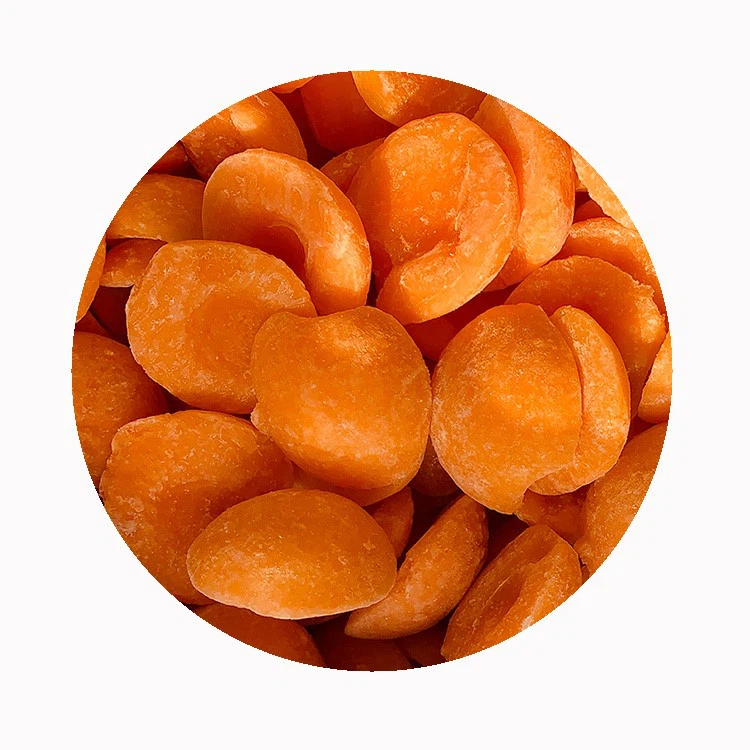
Freezing, canning and drying do not affect every component in the same direction. Freezing changes tissue and thaw texture. Canning adds heat and may add juice or syrup. Drying removes water and concentrates solids. A peer-reviewed apricot study found that processed forms remained nutritionally relevant while individual measured components and storage behavior differed. Avoid a single ranking that says one form is best for every nutrient.
Potassium is a mineral and is not destroyed like a heat-sensitive vitamin, but it can move into processing liquid. Whether that liquid is consumed changes the serving. Carotenoids can be affected by oxygen, heat, light, matrix changes and storage, while processing may also make some compounds more extractable in a laboratory method. Carbohydrate concentration changes strongly when water is removed or sugar is added.
The practical rule is to use a product-specific entry. For unsweetened frozen apricot, do not automatically copy a canned-in-syrup table. For dried apricot, do not scale from fresh weight without accounting for water loss. For a mixed product, calculate from every ingredient and the final process yield.
Four Checks Before You Reuse an Apricot Number
First, read the complete food description. "Apricot, raw, with skin" is not "apricot, dried, sulfured," "apricot canned in heavy syrup" or a branded frozen blend. Even a correct number becomes wrong when it is attached to a different food. Save the database ID or document title with the value so another person can reproduce your choice.
Second, normalize the serving and unit. Convert pounds or ounces to grams before applying a per-100-gram value. Keep milligrams separate from micrograms, and keep vitamin A IU separate from mcg RAE until the chemical form and approved conversion are known. Write the arithmetic beside the result so the next reviewer can see whether a decimal moved or a unit changed.
Third, check whether the recipe dose is the same as the declared serving. If a smoothie label uses 120 grams but production averages 150 grams, the database entry may be right while the finished calculation is not. Measure actual dosing and process yield at normal line speed. Then include every other ingredient before applying rounding.
Fourth, state the decision the number supports. An early cost model may tolerate a generic estimate. A regulated nutrient claim, medical menu or contract guarantee needs stronger evidence and current review. When the consequence of error is high, obtain product-specific documentation or testing and have the responsible regulatory professional approve the method.
For Buyers: Data Quality Starts With Product Definition
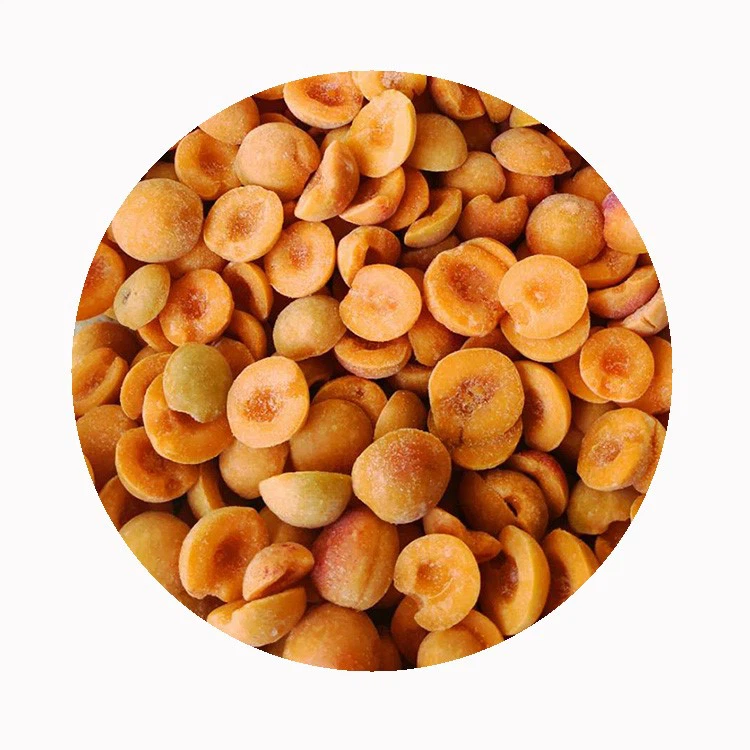
If nutrition values influence your label, tender or formulation, "frozen apricot" is not enough detail. Define halves, slices or dice; skin-on or peeled; blanched or unblanched; ingredient statement; target Brix where relevant; additives; pack and intended use. The XMSD IQF frozen apricot range is a starting point for product form, not a substitute for your order-specific specification.
Ask which data support the number
Identify whether a value comes from a generic public database, the supplier's calculation, a composite sample or a laboratory result from a specific lot. Record the method and date. A generic value may be suitable for early formulation; a market launch may need a more controlled basis. The consequence of uncertainty is different for an internal recipe estimate and a legal claim.
Control edible yield and dosing
Pitted frozen product reduces stone and trim loss, but bag residue, thaw drip and production waste still affect how much apricot reaches each unit. Measure ten or more consecutive portions at line speed. If the average dose or variation differs from the formulation, the finished-product nutrient calculation may no longer represent the real serving.
Separate specification from claim approval
Use supplier documents to confirm product form, ingredient data and available testing. Then have your responsible regulatory team decide whether a nutrient content or health claim is permitted in the destination market. For broader context, review the measured apricot portion guide and the apricot digestion guide without turning either article into label evidence.
Verify documents and current scope
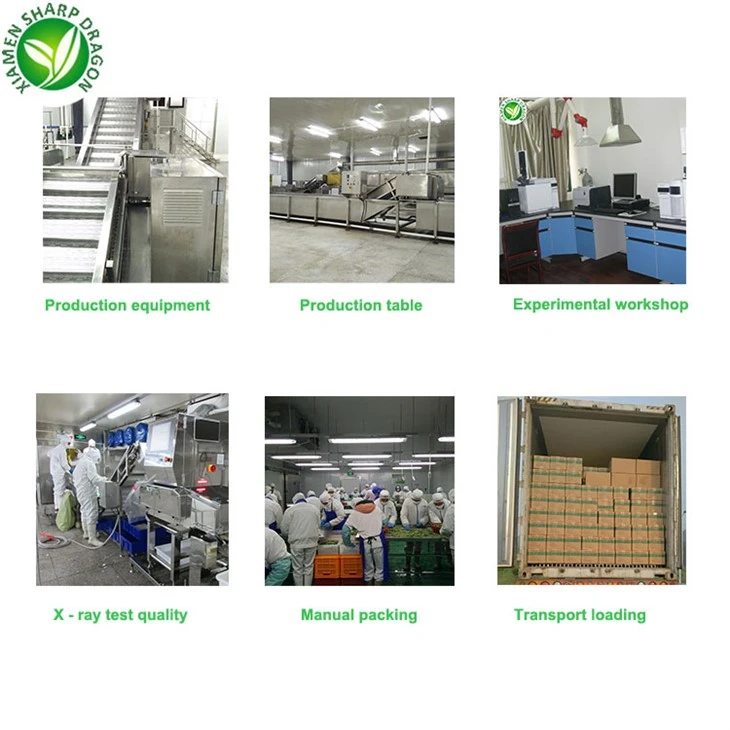
Request the product specification, ingredient and allergen statement, COA format, lot coding, traceability information, agreed microbiological and residue criteria, storage condition, shelf life and destination documents. Use the XMSD sourcing and export-service framework to identify operational inputs, then verify the actual documents for this project. If certification matters, use the XMSD certification overview to request current controlled copies and verify the legal entity, site, scope and validity.
Common Reading Errors
Most nutrition mistakes in apricot content are not complicated science. They are mismatched units, forms and servings. Before accepting a number, trace it to the food description and measurement basis.
Wrong unless the serving is 100 grams. Multiply by actual edible weight.
Wrong. Added sugar depends on ingredients and process.
Unsafe without identifying the vitamin A form and conversion basis.
Water removal makes the portions fundamentally different.
The repair is simple: write the food form, edible grams, nutrient unit and source beside every number. Then show the multiplication used for the actual dose. If one of those four items is missing, the value is not ready for publication or formulation approval.

FAQ
How much potassium is in two fresh apricots?
A cited reference for two medium fresh apricots, about 70 grams edible, gives approximately 181 milligrams. Actual fruit and database values vary. Use the current product-specific basis for a legal label.
Are apricots high in carbohydrates?
Raw apricot contains about 11.1 grams total carbohydrate per 100 grams in a legacy reference, so a 70-gram portion is roughly 7.8 grams. Dried and syrup-packed forms are more concentrated or include added ingredients and need separate entries.
Does orange color prove an apricot is high in vitamin A?
Orange color reflects carotenoids, including possible provitamin A compounds, but visual color cannot quantify vitamin A activity. Variety, maturity and processing affect color. Use a recognized database or analysis for a numeric claim.
What data should accompany a frozen apricot quotation?
Request product form, cut, skin option, ingredients, Brix or maturity where relevant, pack, storage condition, shelf life, defect limits and available composition or test basis. State whether you need formulation data, regulatory label support or only a general specification.
The Practical Bottom Line
A 70-gram fresh apricot reference contains roughly 181 milligrams of potassium, about 7.8 grams of carbohydrate by scaling a 100-gram value, and provitamin A carotenoids reported in older sources as vitamin A IU. The exact value depends on the fruit, source and unit. These nutrients contribute to a varied diet without turning apricot into a treatment.
For a commercial product, match the data to the actual form, ingredients and edible dose. Keep per-100-gram values separate from per-serving values, distinguish total carbohydrate from added sugar, and do not convert vitamin A units without the correct basis. Verify the formula, process yield and destination rules before approving a label.
XMSD sourcing note: Share your application, apricot form and cut, ingredient requirements, serving dose, pack, destination, volume and required data or documents. We can review a suitable frozen apricot specification and sample plan.
References
- USDA FoodData Central
- South Dakota State University Extension: Apricot Lesson Plan and Nutrition Fact Sheet
- NIH Office of Dietary Supplements: Potassium Fact Sheet for Consumers
- NIH Office of Dietary Supplements: Vitamin A and Carotenoids Fact Sheet for Consumers
- Journal of Food Science: Effect of Canning and Freezing on the Nutritional Content of Apricots
- NIH Dietary Guidelines Potassium Appendix: Potassium Content of Selected Foods
- XMSD operational experience in frozen-fruit specification review, edible-yield checks, formula data collection and sample approval.