


Eating Apricots Safely: Fruit, Kernels and Real Precautions
Mar 28, 2022

Most people can eat apricot flesh as part of a varied diet. The useful precautions concern the stone and kernel, individual allergies or a prescribed eating plan, and preparation. Focus on the part of the fruit you are eating and how it is handled. Those details provide a practical basis for choosing and serving apricots.
EFSA distinguishes normal apricot-fruit consumption from the cyanide risk associated with raw apricot kernels. The kernel sits inside the hard stone; it is a different part from the flesh served in a fruit bowl.
For a household, removing the stone belongs in preparation before the fruit is served. For a café or ingredient buyer, identify whether the product is whole fruit, pitted halves or smaller pieces, and read its use instructions. Start with the actual food and the person eating it so each precaution has a clear purpose.
Keep fruit, stone and kernel separate
Cutting an apricot exposes flesh around a hard stone; the kernel is inside. Online discussions sometimes blur these parts. Identify whether the advice concerns the flesh, stone or extracted kernel before applying it to the food in front of you.
EFSA explains that apricot kernels contain amygdalin, which can release cyanide after consumption. Its assessment does not turn ordinary apricot flesh into the same hazardous product. The practical response is to remove the stone and avoid eating raw kernels. There is no benefit in converting a published exposure estimate into a daily kernel allowance: kernel size and composition vary, and the fruit can be enjoyed without them.
A dated FDA warning provides another clear example of why product identity matters. In May 2024, the agency warned about high amygdalin levels in particular tested bitter apricot seed products. Those were packaged seeds. The warning was not an instruction to avoid all fresh apricot fruit. Keep the description of the affected food attached when discussing a safety alert.
Keep raw apricot kernels out of smoothies, desserts and other homemade fruit preparations. Poison Control specifically advises against chewing or grinding apricot seeds. Use the edible flesh for an apricot recipe and discard the stone. A description such as natural does not establish a safe use for a kernel.
If someone has eaten kernels, or you are uncertain about an exposure, contact a poison service or healthcare professional promptly. Breathing difficulty or collapse needs emergency help. Keep the package or a clear food description available to identify what was eaten. Follow professional advice rather than trying a homemade remedy.

Pregnancy, childhood and diabetes need different checks
Pregnancy, early childhood and a diabetes eating plan raise different food questions. For pregnancy, consider hygiene and handling alongside individual advice. For a child, the size, shape and texture matter. For diabetes, use the fruit amount and full meal with the agreed plan. Keeping those needs separate makes the preparation easier to choose.
The NHS pregnancy guidance includes most fruit and vegetables among foods that can be eaten, with thorough washing and appropriate handling. It advises keeping pre-cut, packaged fruit chilled and using it before the use-by date. Apply that guidance to the fruit you select, together with any additional instructions for your pregnancy or medical situation.
Young children can eat fruit prepared for their development. NHS guidance supports introducing varied fruit and vegetables as complementary foods begin. Its food-preparation advice calls for removing hard stones and considering size, shape and texture. For firm fruit, softening by steaming or simmering can help before suitable cutting or mashing. Keep the child seated upright and supervise eating. Use the preparation guidance appropriate to the child rather than handing over a whole stone fruit.
For diabetes, apricot belongs in the same conversation as other carbohydrate-containing fruit: the amount and complete meal matter. CDC guidance recommends an individual meal plan and explains the role of portion size. A fresh apricot, a serving of syrup-packed fruit and a concentrated dried snack do not describe the same food or quantity. Use the actual product and portion with the plan agreed with the care team.
When you need an individual adjustment, take useful information to the professional helping with the diet: the actual product, edible portion, foods alongside it and any symptoms or instructions affecting the choice. A package label and a description of the normal meal make that conversation more specific. They also help the person preparing food understand which change is needed.

Respond to allergy with a clear plan
An allergy question can arise before a fruit bowl is mixed, when a menu changes or after symptoms appear. Keep the food's identity clear at each point. The American Academy of Allergy, Asthma and Immunology describes food allergy as an immune response that can be serious. Symptoms can resemble other conditions, including intolerance. An allergist can assess a suspected reaction and select suitable tests.
Throat tightness or trouble breathing after eating needs immediate emergency attention. Follow a prescribed allergy action plan, including prescribed emergency medication. Any food challenge belongs under professional supervision. Ask the treating clinician before trying a smaller amount or a differently prepared apricot; cooking or freezing is not a general guarantee of safety for an allergic person.
Ingredient information becomes particularly valuable when apricot is part of a mixed product. A cake may have several fruit ingredients; a sauce can contain a fruit preparation that is not obvious from the dish name. Read the actual ingredient declaration and ask the preparer when it is unclear. The flavor shown most prominently on the menu does not necessarily describe every ingredient in the dish.
For a foodservice team, the useful response to an allergy request is accurate information and the established handling procedure. If staff cannot confirm an ingredient or the way it was handled, they should say so and seek the responsible person's help. Reassurance based only on the visible pieces is not enough. A smooth purée may hide the fruit's shape while retaining its identity as an ingredient.

Prepare fresh apricots before cutting
Choose fruit in sound condition and prepare it with clean hands and utensils. FDA guidance recommends gently rubbing fresh produce under plain running water before peeling or cutting; soap and produce wash are unnecessary. Washing before cutting helps avoid carrying surface dirt or bacteria into the flesh with the knife.
Keep the work surface simple. Put the fruit, a clean cutting surface and a separate place for discarded stones within reach. As each fruit is opened, remove the stone and check the flesh before adding it to the bowl. Keeping discarded parts separate makes it easier to see what is intended to be eaten and reduces the chance of a stone being returned with the prepared fruit.
Inspect each fruit before preparing it. FDA advises cutting away damaged or bruised areas before use. Keep fruit that appears spoiled out of the preparation and follow suitable produce-handling guidance rather than trying to rescue it by adding it to a cooked dish. Preparing the quantity needed for the meal also makes condition checks and portioning easier to manage.
Prepared fruit has a different handling pattern from intact fruit. Once apricots are cut, follow appropriate refrigeration and the applicable product instructions. For a purchased prepared product, keep its identification and use-by information available. A container without a label can make it difficult to know when the fruit was prepared or what other ingredients were added.
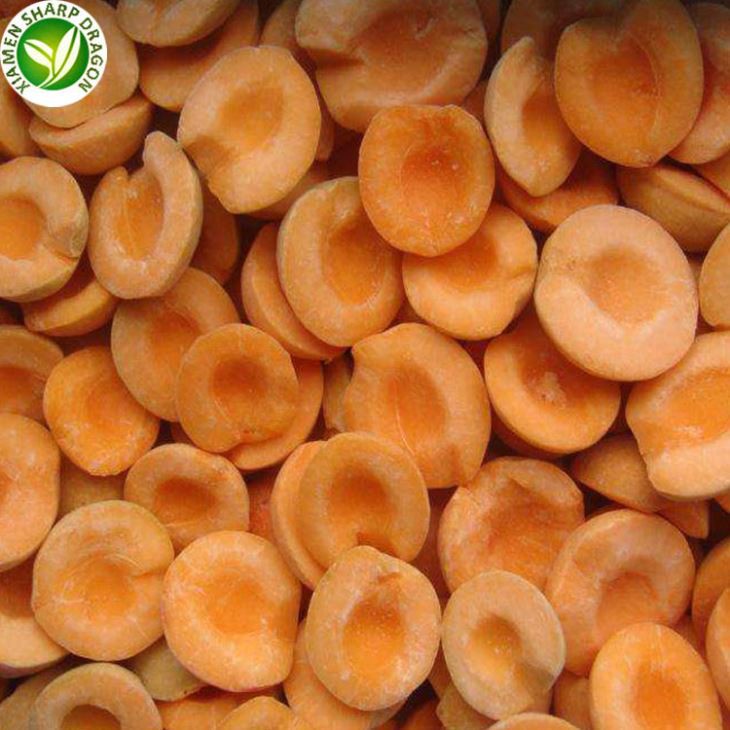
For prepared frozen apricots, check the intended use and preparation directions before choosing an uncooked application. If the ingredient is intended for further cooking, plan to use it that way. We would resolve missing use instructions before selecting it for a topping or fruit bowl, because a frozen appearance alone does not answer the preparation question.

Match the form to the meal you are making
Whole fresh fruit, pitted halves, diced frozen fruit, canned fruit and dried apricot each create a different preparation job. The label apricot is not enough to choose between them. Decide whether you want a visible piece, a soft fruit layer, a cooked filling or a small addition to another food. Then select the form that suits that dish and the people eating it.
A halved fruit is easy to recognize on a plate, while smaller pieces may be easier to distribute through a preparation. Neither cut alone tells you the amount served. If you are comparing portions or following a written recipe, record the edible mass at the point the fruit enters the dish. Include any liquid that is deliberately part of the recipe and describe it separately when necessary.
For a sample comparison, prepare the same intended amount of edible fruit in the same base and observe each version at service. Note whether the halves remain the feature of the dish or the smaller pieces become part of its overall texture. If more fruit or a different base is needed for one version, record that as a new recipe choice. This makes the reason for selecting a cut visible to the cook who will reproduce it.
Use dried fruit's own product information and the portion you plan to eat when comparing it with fresh apricot. Record whether the recipe measures pieces, volume or weight, and keep that basis beside the figure. This avoids treating two different food amounts as equivalent simply because each fills a spoon or looks like a small serving.
Added ingredients also matter. Read the declaration for sweeteners, preservatives or other components rather than relying on a bright color or a photograph of whole fruit. A plain-looking fruit preparation can have a different ingredient list from another product in the same category. Someone who needs to avoid a particular ingredient should use that current information, including professional advice where relevant.
At XMSD, we would begin a sample discussion with the finished use. Apricot intended for a baked filling faces different handling from a visible topping. We would ask how the fruit is prepared, what texture is wanted and which product information the team needs to make its choice. Those answers are more useful than selecting a photograph first and trying to fit the recipe around it.
Include the way the dish is served in that sample review. For a bakery filling, look at the fruit in a cut slice of the finished product; for a topping, see it on the portion a guest receives. The same cut can look quite different when distributed through a base or arranged on its surface. Keep the product identification and recipe notes together so the kitchen can reproduce the version it selected.
Two practical examples of better decisions
Practical example: preparing a shared fruit bowl. A household is serving apricots with other fruit. One person washes the intact apricots, opens them on a clean surface and places the stones in a separate discard container. The edible pieces go into the serving bowl only after that step. The family checks whether anyone needs a different preparation or has an allergy before combining all the fruit.
This is an illustrative preparation sequence, not a reported customer case. Its useful feature is that edible fruit and discarded parts remain separate throughout the job. If a child is being served, an adult prepares a portion suited to the child's eating ability and supervises the meal. If someone has an allergy, the household follows that person's established plan instead of testing a small piece in the shared bowl.
In this family example, the useful checks are the fruit's condition, removal of the stone, individual needs and handling before service. The adult doing the preparation can see what has been completed and which portions need separate attention. This makes the shared bowl easier to organize than a list of general restrictions that never explains how to prepare the fruit.
Practical example: selecting pitted fruit for a kitchen. A foodservice buyer wants apricot pieces for a cooked preparation and compares pitted halves with a smaller cut. The buyer asks for the actual ingredient description, intended-use instructions and the supplier's controls for stones and hard fragments. A sample is then assessed in the planned preparation to see which cut produces the required texture and distribution.
The word pitted describes the intended product form; the buyer still needs a suitable quality and safety process for receiving and using it. If a hard fragment is found, the response should follow the operation's hold and escalation procedure. Removing one visible fragment and returning the rest to service without review does not establish that the affected product is acceptable.
In foodservice preparation, make the escalation route easy for the person opening the pack. Keep the affected product identified and separate while the responsible quality person reviews the concern. Record the lot and where the fragment was found, and retain the relevant packaging. A clear handover lets the team investigate the actual material and decide what happens next under its procedures.
The outcome of this illustrative comparison is a chosen form with clear instructions and a responsible person for concerns. The kitchen records the product identity, information supplied and preparation it accepted. Its quality team sets appropriate controls and evaluates any hard-fragment finding. The description pitted is a starting point for that discussion, not a zero-fragment guarantee.
Keep the ingredient information with the fruit
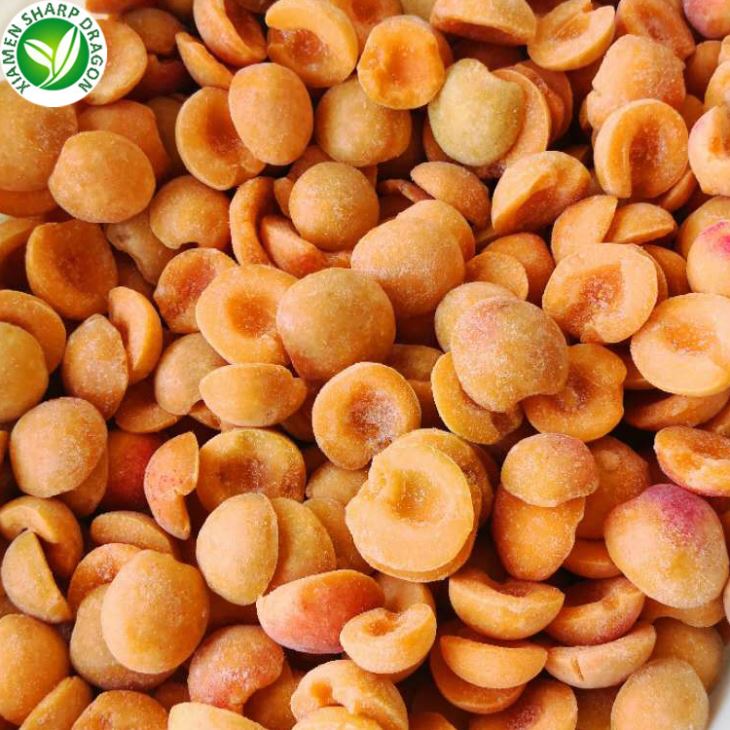
Good apricot handling depends on information surviving the handover. Someone receiving a carton may know the product name, while the person preparing a dish needs the ingredient declaration and use instructions. Keep those linked to the product as it moves from storage to the kitchen. A handwritten container name should not replace the details needed to identify its contents.
For a frozen ingredient, retain the lot information and applicable storage guidance. For a mixed preparation made in the kitchen, record what went into it and when it was prepared under the kitchen's normal system. These records help answer a practical question or trace a concern without relying on the memory of the person who happened to make the dish.
A substitution should also be visible. Replacing plain fruit with a sweetened preparation changes the ingredient information, while moving from halves to small pieces changes the way the fruit distributes through the dish. Tell the recipe owner and assess the change before treating the substitute as equivalent. A matching apricot flavor is only one part of a successful replacement.
Keep the current label or specification close to the working recipe when comparing two apricot preparations. Check the ingredient declaration, stated use and preparation directions together. If a declaration changes, tell the person maintaining the menu or allergen information before the replacement is used. If the only available document is for an older version, obtain the current one so the decision concerns the product actually being delivered.
When we review apricots for a food-processing application, we connect the cut with the preparation method and amount used in a normal batch. Then we review packing for the frozen ingredient around that use. The practical result should be a clearly identified product that the kitchen can portion and prepare consistently, with the relevant information available when a question arises.

Planning an apricot dish or ingredient order? Tell us the food you are making, preferred cut, preparation method and packing needs. We will review the product information and sample details with that use in mind.
References
- EFSA: Apricot Kernels Pose Risk of Cyanide Poisoning, April 2016
- FDA: Warning About Toxic Amygdalin Found in Apricot Seeds, May 2024
- Poison Control: Apricot Seeds - Are They Safe to Ingest?
- NHS: Foods to Avoid in Pregnancy
- NHS: What to Feed Young Children
- NHS Best Start in Life: Preparing Food Safely
- CDC: Diabetes Meal Planning
- American Academy of Allergy, Asthma and Immunology: Food Allergy
- FDA: 7 Tips for Cleaning Fruits and Vegetables
- FDA: Selecting and Serving Produce Safely
- XMSD operational judgment on fruit forms, recipe trials, product information and sample review. Both practical examples are illustrative.