


When Should You Avoid Bananas? Real Precautions and Timing Myths
Mar 28, 2022

For most people, eating a banana before another food is not a reason to expect poisoning or a dangerous mineral imbalance. The reasons to avoid or limit it are more specific: a diagnosed allergy, a prescribed eating plan, or food that is unsuitable to eat. Identify which question applies before changing an everyday food choice.
The claim about an empty stomach usually treats the minerals in a banana as if they automatically cause a harmful blood level. NIH nutrition guidance distinguishes normal food intake from problems involving particular health conditions, medicines or concentrated supplements. Those are different circumstances. The quantity in a food record and the concentration in a blood test also describe different things.
Start with the reason for the concern. A previous reaction calls for an appropriate assessment; a prescribed food restriction calls for the agreed plan. A problem with the fruit itself calls for checking the product and its handling. Each has a useful next step. Moving the snack to another hour does not answer the underlying question.
Meal timing does not establish a mineral hazard
People eat fruit at different points in the day. Some prefer a banana on its own; others find a meal more satisfying. That preference does not establish a rule about a dangerous time to eat bananas. An uncomfortable experience may justify changing a personal routine, but the explanation should fit the symptoms and the person's circumstances.
NIH states that food potassium has not been shown to harm healthy people with normal kidney function. Its magnesium guidance separates naturally occurring food magnesium from excess supplemental or medicinal intake. Neither statement establishes a special banana waiting period after waking. The sensible inference is to judge ordinary food intake within the person's circumstances, rather than turn a warning about concentrated products into a universal breakfast rule.
For someone without a specific restriction, consider what the snack is meant to do. A banana on its own may be a convenient piece of fruit before the next meal. If you wanted a complete breakfast, the rest of that meal still needs attention. This is a question about the food you have chosen and the amount you eat, rather than a reason to fear the clock.
A dietitian interviewed by American Heart Association News in 2022 describes bananas as part of a varied eating pattern, with individual advice for certain medical circumstances. Read that distinction alongside the reason you are considering the food. An ordinary snack choice begins with the intended meal; a medical restriction begins with the instructions given for the person eating it.
Our banana breakfast guide discusses meal combinations. Here the question is when the fruit needs to be avoided, limited or handled differently. Keep the information that changes that decision in view, whether it is an allergy plan, a measured food amount or a product-use instruction.

A prescribed potassium plan needs individual quantities
Kidneys help regulate potassium. In chronic kidney disease, the appropriate intake can differ between people and change with blood results, treatment and medicines. The National Kidney Foundation notes that potassium can be too high or too low. Its advice is to work with the healthcare team on the amount needed, rather than apply the same restriction to everyone with a kidney diagnosis.
If a potassium limit has been prescribed, ask how banana fits within it. The relevant information includes the edible portion and the other foods being eaten. Saying that a banana is small does not provide a reproducible amount, and a smoothie may contain more fruit than its appearance suggests. A measured ingredient quantity can make the discussion with a dietitian clearer.
Medicines and potassium-containing salt substitutes also belong in that discussion. NIH notes that some medicines can increase potassium levels, while others can lower them. Let the clinician or pharmacist review the actual products you take. A food article should not be used to change treatment or choose a salt substitute.
For a cooking or freezing proposal, identify the food and preparation behind the nutrient figure. Smaller pieces may make a portion easier to divide, so record their total edible weight as well as the cut. If the question concerns the composition of a prepared product, use the appropriate declaration or analysis. The amount served and the product description then remain connected.
Keep the recipe and its information source together. A note that says raw peeled banana identifies a different basis from a supplier declaration for a prepared mixture. Record which one was used and the portion to which it applies. That makes a later question answerable without reconstructing the recipe from memory.
At XMSD, we would identify the supplied banana product and portion basis before reviewing its available composition documents. The description needs to follow the food being discussed. A generic raw-fruit entry can explain a calculation, but a question about a prepared ingredient needs the relevant product information as well.

Use an edible-portion record to make the quantity clear
Worked example: preparing a banana quantity for a dietitian discussion. Imagine a recipe uses 180 g of raw peeled banana and is divided evenly into three portions. The banana allocation is 180 g ÷ 3 = 60 g per portion. USDA FoodData Central SR Legacy record 173944 lists 358 mg potassium per 100 g of raw edible banana. The estimated potassium from the banana alone is therefore 358 × 60 ÷ 100 = 214.8 mg, or about 215 mg per portion.
The 180 g batch and three equal portions are assumptions for this illustration. The 215 mg figure estimates the banana's contribution only; it is neither a prescribed serving nor a prediction of blood potassium. Record the other ingredients and bring the complete recipe to the dietitian. The clinical decision is whether that proposed food fits the individual plan.
Weigh the peeled edible fruit for this basis. A weight that includes the peel measures a different material. If a recipe instruction says one banana, weigh the edible amount used in the trial and put it beside that instruction. Another cook can then understand the intended fruit contribution even when the next banana differs in size. The note turns an approximate shopping description into a repeatable recipe input.
The division also assumes the fruit is distributed evenly. In a blended preparation, the recipe can allocate the total fruit across the resulting portions. In a dish topped with pieces, the cook can portion the pieces separately. Record how the portions were made rather than assume that three containers with similar total weight necessarily received the same fruit amount. The method used in the example needs to match the way the dish is actually served.
If part of a batch remains in the mixing bowl or an extra serving is made, the original calculation may no longer describe each finished portion. Record the actual yield and revise the allocation where necessary. This is especially useful when a recipe moves from a small trial to service: the written number of portions should describe what the kitchen made, not what it expected to make before the trial.
Keep the basis visible when comparing two versions. A generic raw-banana estimate is useful for explaining the arithmetic; a declared value for a purchased banana preparation describes that product. Identify the source, the unit and whether the figure concerns fruit alone or a complete mixture. Those details let the reader compare like amounts and spot when a recipe change needs a different calculation.
The practical outcome is a short food record: exact ingredient description, edible amount, source of the composition estimate, actual portions and other recipe components. The person discussing a medical plan can bring that record to the dietitian. In a kitchen, the same record explains which version was prepared and gives the next trial a defined starting point.

Allergy changes the decision more than timing does
For a confirmed banana allergy, follow the established avoidance and action plan. The American Academy of Allergy, Asthma and Immunology advises appropriate diagnosis and professional supervision for a food challenge. Changing the time of day or trying a frozen form is not a substitute for that plan.
AAAAI explains that latex allergy is associated with a greater risk of allergy to certain plant foods, including banana. Take a history of actual reactions and foods eaten to the allergist so the advice addresses the person's circumstances. A cross-reaction list identifies a topic to discuss; it does not establish which foods that individual reacts to.
When seeking an assessment, describe the actual food, its preparation, the approximate amount and the symptoms and timing. A mixed drink contains several ingredients, which matters to the history. Keep the ingredient information where practical. Trouble breathing or throat tightness after eating needs emergency attention and the prescribed action plan; do not repeat the exposure as a home test.
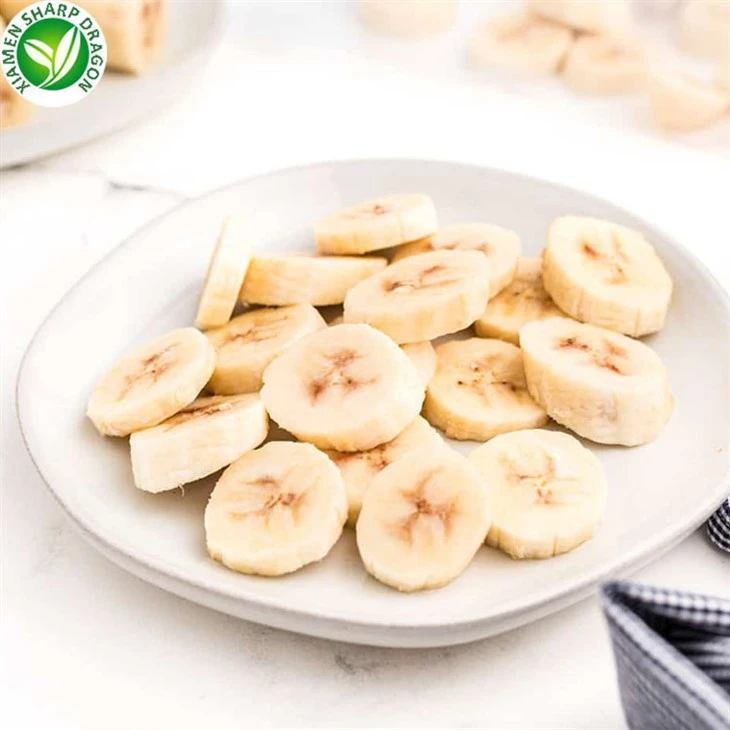
A food business can help by naming the ingredient clearly. Banana may be obvious as slices on a plate but less obvious in a blended fruit base. A plain ingredient and a prepared dessert also have different descriptions.
When a customer asks about banana, start with the current product and the question they are asking. Someone collecting ingredient information may need the package details; someone making an allergy request needs the business's established response. The staff member taking that request should know who can answer it accurately during service.
A banana-free recipe can still need a preparation check
Practical example: checking a café drink after an allergy request. A café is asked for a drink without banana because of an allergy. In this illustrative service situation, the staff member identifies the recipe and purchased components, including the fruit base. The team then uses its established preparation procedure to decide whether it can provide a suitable alternative. It is not a reported XMSD customer case.
The Food Standards Agency's food-business guidance distinguishes ingredient information from control of contact during preparation. A recipe without banana does not answer whether equipment has contacted it. In this café example, the blender used for the previous order is one of the preparation details to resolve. If the process cannot meet the request, the team should explain the limitation before accepting that choice.
Write the chosen recipe version on the working order, including the actual fruit base being used. If the kitchen has two similarly named bases, a specific product identity gives the preparer a way to select the intended one. Keep any change visible to the person at the counter so they describe the same drink that the kitchen is making.
For an XMSD ingredient discussion with a foodservice team, we would ask which supplied item is involved and which ingredient information the team needs. A specification answers questions about that purchased item. The kitchen applies its preparation procedure to the finished recipe and communicates what it can offer.
Keep the customer's request attached to the order throughout preparation and service. An accurately prepared alternative is of little use if it is handed to the wrong person or replaced at the counter. This is ordinary service planning: make the requested food, identify it clearly and communicate any unresolved limitation before it is served.
The FSA also calls for ingredient records to stay current when products or recipes change. Apply that principle to the component actually in use. In this example, the final service check brings together the selected recipe, the customer's request and the prepared drink. The outcome is a documented choice or a clear explanation that the requested alternative cannot be provided.

Diabetes calls for meal planning, not a blanket fruit prohibition
Banana contains carbohydrate, so its amount matters in a carbohydrate-aware meal plan. CDC guidance places the portion within the whole meal and recommends agreeing individual aims with the care team. That does not make sweetness alone a reason to exclude a fruit. Use the plan and the food information together.
A fresh piece of banana, a measured portion of plain frozen banana and a prepared dessert require their own descriptions. Added ingredients can change the amount and composition of the serving. Read the actual ingredient list and nutrition information where available. Do not assume that every banana product has the same serving size, or that no added sugar means the food contains no carbohydrate.
The preparation method can also make quantity less obvious. A drink may combine banana with other fruit, milk or a sweetened base. Looking only for the banana in the name misses the rest of the recipe. For a planned meal, write down the quantities actually used and the number of servings produced. That record makes later adjustments more consistent.
For a meal-plan discussion, bring the recipe or product details and the amount actually eaten. Include changes such as a larger cup or a different dessert base, because the meal record needs to describe that version. If a previous recipe has already been discussed, keep it beside the changed version to make the difference easier to explain to the care team.
On a menu, a concrete description gives the customer something useful to assess: the fruit form, other ingredients and the portion offered. Keep that description aligned with the working recipe. If a small tasting cup and a full dessert use different amounts, describe those options clearly so the customer can use the information with their own plan.
Food condition is a separate reason to stop using it
Food condition is another decision. Use the supplied storage and preparation information, and keep it with the product after opening. If the food's history is uncertain, resolve that uncertainty through the appropriate food-safety procedure. A new label or a change of storage form cannot supply the missing history.
The FDA's produce guidance supports ordinary hygiene: clean hands and utensils, running water for produce that requires washing, and separation from raw meat and contaminated equipment. Soap and household detergent do not belong on fruit. Washing is a preparation step, not a guarantee that any food can be made safe regardless of its history.
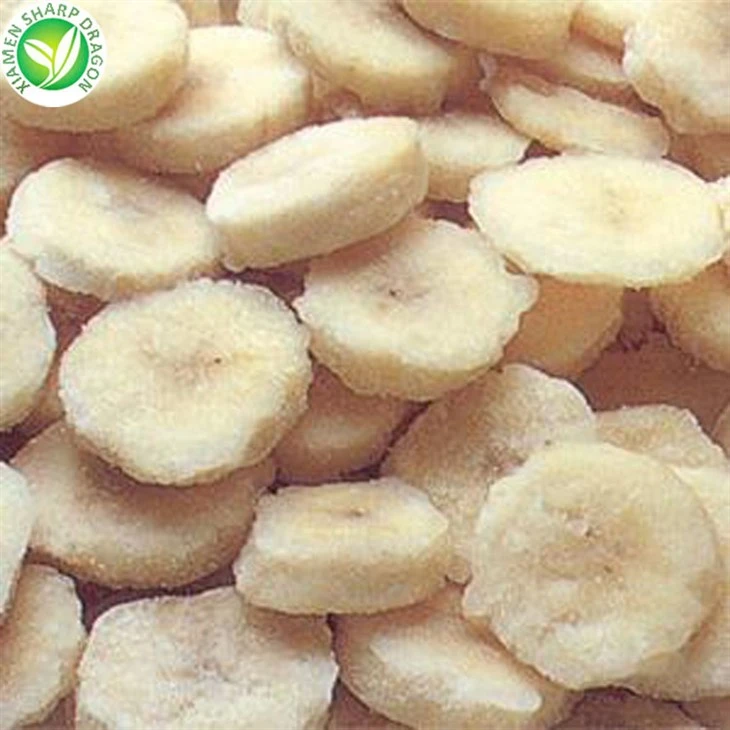
For frozen banana ingredients, check the supplied instructions before selecting an uncooked use. Match the intended dish with the stated preparation. If information is missing, identify the exact item and obtain the instructions before it enters service. The storage form alone does not resolve that choice.
Keep the product identity available when moving food from its original frozen-food packaging. A partially used pack or kitchen container needs to remain connected with the appropriate handling information. In a business, the receiving and opening records provide that connection for the next person preparing the food.
Before accepting an alternative ingredient, compare its description, cut form, preparation directions and intended use. We would assess the sample in the proposed dish after following its stated preparation. For a blended application, look at how the pieces distribute through the batch; for a visible fruit component, portion it as it will be served. Keep that observation beside the sample identity and recipe. It gives the buyer a concrete reason for accepting the form and gives the kitchen a version it can reproduce.
The decision becomes clearer once the reason is named. Use a personal plan for a medical restriction, the established procedure for an allergy request, a food record for the portion and the applicable instructions for preparation. Each puts the relevant information beside the banana you are actually choosing or serving.

Choosing a banana ingredient for your recipe? Share the intended food, preparation method, cut and pack needs. We will review the relevant product information and sample with your team.
References
- NIH Office of Dietary Supplements: Potassium, Consumer Fact Sheet
- NIH Office of Dietary Supplements: Magnesium, Consumer Fact Sheet
- National Kidney Foundation: Potassium in Your CKD Diet
- USDA FoodData Central, FDC 173944: Bananas, Raw
- American Academy of Allergy, Asthma and Immunology: Food Allergy
- American Academy of Allergy, Asthma and Immunology: Latex Allergy
- American Heart Association News: Don't Go Bananas - But Maybe Eat One, April 2022
- CDC: Diabetes Meal Planning
- FDA: Selecting and Serving Produce Safely
- Food Standards Agency: Allergen Guidance for Food Businesses, July 2026
- XMSD operational judgment on product descriptions, sample use and recipe records. The worked example and café scenario are illustrative; the nutrient calculation is an ingredient estimate.