


XMSD Broccoli Cooking Guide: Nutrition, Texture and Yield
Nov 12, 2019

There is no single healthiest way to eat broccoli for every person and recipe. If you want a practical default, short steaming is a strong starting method because it limits direct contact with cooking water and can produce a tender-crisp result. Microwaving with controlled water can also work well. Raw, boiled, roasted and stir-fried broccoli remain useful when they fit the person, full recipe and service process.
Do not rank methods by one compound alone. Compare starting mass, cut, cooking time, added water and fat, finished yield, portion eaten and sensory acceptance. Boiling can move water-soluble components into discarded liquid, yet it may be appropriate for soup where the liquid is consumed or for a required soft texture. The best commercial method is safe, repeatable and actually eaten.
Recommended starting trial: compare short steaming and a controlled microwave method against your current process using the same broccoli lot, cut and starting mass. Stop at the application's target bite, record cooked/drained yield and score color, flavor, water release and plate waste. Choose from measured results rather than a universal ten-minute rule.

Define what "healthiest" must accomplish
A nutrient-retention question, a swallowing-texture requirement, a weight-managed formula and a foodservice waste problem do not share one answer. First identify the deciding result: retention of selected compounds, low added fat or sodium, tenderness, customer acceptance, usable yield, process safety or line capacity. Then state which results are mandatory and which are trade-offs.
The full meal matters. Plain steamed broccoli and broccoli covered in a high-sodium sauce are not the same formula. Roasting does not automatically make a meal unhealthy; the oil amount, other ingredients and portion decide the finished composition. Raw broccoli may preserve a fresh crunch, but a portion left on the plate contributes less than a cooked portion people comfortably eat.
The previous XMSD page on whether broccoli can be eaten raw owns fresh, prewashed and IQF identity, washing and raw-service decisions. This article compares cooking choices after intended use and safety requirements are known.
| Method | Useful strength | Main control |
|---|---|---|
| Short steaming | Limited water contact; controllable tender-crisp bite | Load, steam contact, time and endpoint |
| Microwaving | Short, scalable small-batch heating | Power, water, vessel, load and standing time |
| Boiling | Even softening; useful when liquid remains in the dish | Water ratio, time, drain and liquid use |
| Roasting or stir-frying | Browning, flavor and menu acceptance | Oil, seasoning, surface heat, cut and loss |
| Raw service | Fresh crunch without heat | Product status, hygiene, tolerance and texture suitability |
Raw versus cooked is a use-case decision, not a health contest
Raw broccoli avoids the changes caused by final cooking, but that fact does not make raw service the best choice for every diner or product. Fresh broccoli intended for raw use needs an appropriate hygiene program and acceptable flavor and bite. IQF broccoli is normally supplied as a cook-before-eating ingredient unless its label and validated product instructions say otherwise. Product identity must be settled before anyone discusses nutrient retention.
Cooking changes more than one result at once. Heat may reduce some heat-sensitive compounds, move soluble components into water, soften cell structure, reduce volume and change flavor. Those effects vary with method and severity. Softer texture can also make a normal portion easier to chew and more acceptable. A team that reports only a laboratory value per 100 g but ignores the served mass and uneaten remainder has not measured the diner's actual result.
Raw-service example: a salad operator tests the same fresh broccoli in raw and briefly steamed applications. The raw version keeps a crisp bite but receives a 31% plate-waste result; the cooled steamed version receives 12%. That does not prove steaming is universally healthier. It tells the operator to examine edible portion, sauce, sodium, process hygiene and acceptance together before locking the menu.
For individual use, digestive tolerance and medical instructions can change the choice. This article does not replace personal clinical guidance. For commercial development, write the required product form and service condition into the brief, then compare methods within that boundary. Do not make an unsupported raw-service claim from a photo, a generic product name or a competitor's preparation.
Why short steaming is a strong baseline
A peer-reviewed comparison of five domestic methods reported that steaming produced the lowest losses among the tested methods for several measured broccoli compounds, while boiling and combined stir-frying/boiling produced larger changes. That result supports steaming as a useful baseline, but it does not prove every steamer, load, cultivar or time will perform identically.
Steam reduces direct immersion, so fewer water-soluble components can leave with discarded cooking water. It also lets a kitchen stop at a firm or tender endpoint. The decisive variables remain floret diameter, stem length, fresh versus frozen starting form, layer depth, equipment recovery, steam circulation and total heat exposure.
Trial example: a kitchen steams three 4.0 kg loads of the same 30–50 mm IQF florets for 4, 6 and 8 minutes after equipment recovery. It measures core readiness under its validated process, cooked/drained yield, bright-color score, stem tenderness and breakage. The 4-minute load is uneven, the 8-minute load is soft and wet, and the 6-minute load meets the target. The answer belongs to that load and equipment, not to every broccoli program.

Microwaving can work well when power, water and load are controlled
Microwaving can shorten heating and limit added water, but the method name alone gives no result. A 900 W household unit, a commercial batch system and a low-power reheating cabinet are different processes. State the portion mass, vessel, cover, water addition, power, total time, mixing or rotation and standing time.
Uneven heating is the practical risk. Thick stems, ice clumps and an overloaded vessel can leave cold or firm zones while small florets overcook. Break frozen clusters according to the approved method and distribute the load. Validate the worst-case position, not just a top sample that looks bright green.
Microwave example: a 750 g foodservice portion is tested in two vessels. A deep closed tub produces a wet bottom and firm center; a wider vented vessel with one mid-cycle turn produces more uniform bite and 93% cooked/drained yield. The team records the successful vessel and load so staff do not triple the batch while keeping the same time.
If the broccoli is sold with a cooking instruction, use it as the starting route and validate the actual equipment. The XMSD guide on broccoli cooking methods retains detailed preparation intent. This page compares the decision evidence rather than prescribing one universal number.
Boiling is not automatically wrong, but ten minutes is not a universal optimum
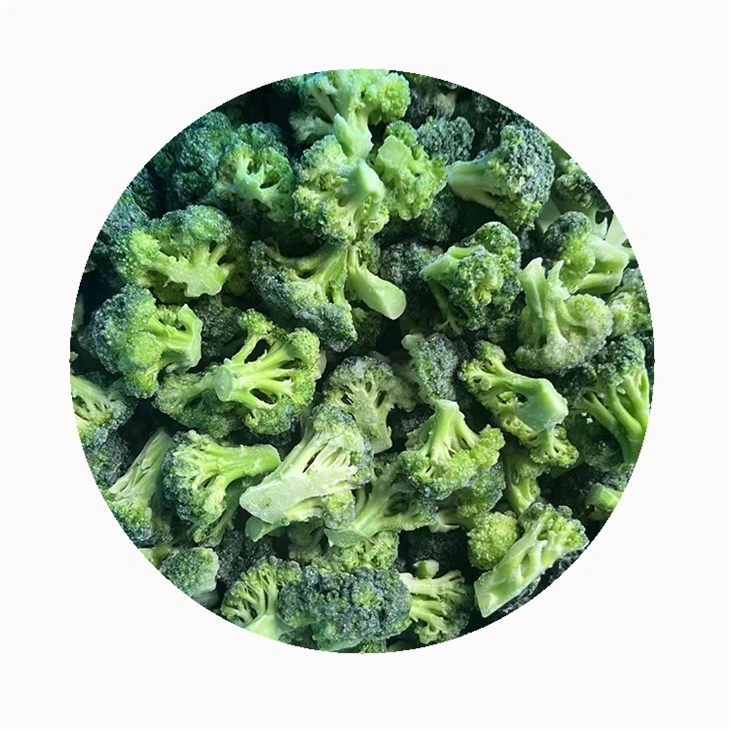
The inherited article claimed that placing broccoli in boiling water for ten minutes was the most nutritious route. That conclusion ignores cut size, fresh or frozen form, water ratio, target texture and whether the liquid is discarded. Ten minutes can be excessive for small florets and insufficient for a different product or load.
Boiling exposes more surface area to water, allowing soluble material to move into the liquid. If the liquid is discarded, the finished florets and the starting raw sample no longer contain the same distribution. In soup, sauce or puree where the cooking liquid remains in the eaten formula, the system boundary changes; analyze the whole dish rather than the drained vegetable alone.
Boiling may be useful when a soft, even texture is required or when the equipment is simpler to standardize. Minimize unnecessary water and time, stop at the validated endpoint and record drain loss. Do not reuse cooking liquid automatically if the recipe, safety program, flavor or salt concentration does not support it.
Soup example: a kitchen boils 8 kg broccoli in a measured recipe and retains the cooking liquid in a pureed soup. A second line boils 8 kg for a side dish and discards 18 kg liquid. Those two methods cannot be ranked using the nutrient concentration of drained florets alone. Compare the complete edible batch, portion served, sodium, sensory acceptance and waste.

Roasting and stir-frying must be judged as complete formulas
Dry or high-surface heat can improve browning and acceptance, but performance depends on oil, seasoning, pan load, cut uniformity and time. A crowded roasting pan traps steam; an underloaded pan can char small buds before stems soften. A wok trial with 20 g oil is not equivalent to production that adds oil by eye.
Record added oil and sauce by mass, not only as a percentage of finished product after water loss. If 5 kg raw broccoli receives 250 g oil, the starting oil addition is 5% of broccoli mass. After cooking loss, the percentage of the smaller finished batch will be higher. Nutrition and cost calculations must state which denominator is used.
Acceptance example: a cafeteria compares plain steamed broccoli with a lightly roasted version. The roasted batch uses 35 g oil per kilogram starting broccoli but reduces plate waste from 28% to 9%. The decision must weigh the complete formula, actual amount eaten, oil and sodium targets, yield, energy and customer acceptance. Calling either method "healthiest" without those results would hide the trade-off.

Compare nutrient data on the same measurement basis
Cooking changes water content and edible mass, so a per-100 g value can rise even when the batch did not gain that nutrient. Concentration is not the same as true retention. For process comparison, record nutrient amount in the cooked edible output relative to the nutrient amount in the starting raw material, using appropriate analysis or a defensible data source.
Published studies also use different cultivars, growing conditions, storage histories, cuts, equipment, temperatures, durations and laboratory methods. A finding that steaming performed well in one controlled study supports the trial choice; it does not authorize an exact retention claim for an untested commercial lot. Keep research evidence, supplier specification and order-specific verification separate.
For frozen broccoli, prior blanching and frozen storage are part of the history before final cooking. The XMSD pages on frozen broccoli nutrition and freezing and nutrient retention own those broader form questions. Do not attribute every fresh-versus-frozen difference to the final stove method.
Run a fair cooking-method trial before choosing the winner
Start with one production lot and randomize samples across methods. Match starting mass, floret-size distribution and frozen or thawed state. Record the actual equipment, preheat condition, batch depth, water addition, oil, time, endpoint and hold. If one method starts with smaller florets or a lighter load, the apparent advantage may come from the sample rather than the method.
Choose measures before the trial. A useful foodservice sheet records starting kilograms, cooked and drained kilograms, service loss, plate waste, color, stem bite, bud integrity, water release, flavor and preparation time. Use the same trained panel, score scale and service temperature. Photograph the same sample position and lighting if appearance is part of acceptance. A statement such as "looks better" cannot be audited across shifts.
Repeat enough loads to expose equipment variation. One successful 500 g bench sample does not establish a 12 kg kettle or oven process. Test the normal load and the worst credible load. Record time from door opening or product addition, recovery time and any mid-process turn. If the decision depends on a nutrient number, define the compound, sampling point, analytical method and reporting basis before sending matched samples to a qualified laboratory.
Scale-up example: a developer selects five-minute steaming from a 1.0 kg trial. At the site, a 10 kg tray blocks circulation and needs nine minutes to reach the same bite; the lower layer becomes wet and breakage rises. The corrective action is not to advertise the five-minute result. Reduce layer depth, improve steam access or divide the load, then retest cooked yield and acceptance under the repeatable production condition.
Lock the winner only when it satisfies all mandatory criteria. If steaming gives the strongest retention evidence but misses a required roasted flavor, a two-stage process may deserve a trial. If microwaving is uniform at 750 g but fails at the planned batch, choose a controllable method instead of assuming the bench result will scale. The healthiest operational answer is the one whose stated benefits survive the real product, equipment, batch and serving system.
Use cooked yield and plate waste to calculate the real serving
A process that retains a high percentage at the cooker but creates large plate waste may deliver less broccoli to the diner. Track starting mass, cooked/drained mass, service loss and returned waste. For procurement, convert delivered price to accepted cooked kilograms before comparing fresh heads, fresh-cut florets and IQF florets.
Worked example: cooked yield, consumed yield and cost
A kitchen receives 150.0 kg IQF broccoli at USD 2.80/kg, for a delivered material cost of USD 420.
The validated steam process produces 135.0 kg cooked/drained broccoli. Cooked yield = 135.0 ÷ 150.0 = 90.0%. Material cost per cooked kilogram = 420 ÷ 135.0 = USD 3.11/kg.
Service and plate waste total 12.15 kg, leaving 122.85 kg consumed-equivalent output. Consumed yield = 122.85 ÷ 150.0 = 81.9%. Material cost per consumed-equivalent kilogram = 420 ÷ 122.85 = USD 3.42/kg.
At a 90 g consumed portion, the batch supports 122,850 ÷ 90 = 1,365 portions, with about USD 0.308 broccoli material per consumed portion before labor, energy, sauce and overhead.
Run the same calculation for each method and state whether waste was measured or assumed. If one method creates a smaller finished portion that diners prefer, compare actual consumed grams and full formula rather than only the number of plates served.
Include labor and energy as separate lines when they can change the decision. A method with a slightly higher material yield may still cost more if it requires repeated small loads, long recovery or excessive handling. Conversely, a fast process is not economical when uneven texture increases rejected trays. Keep delivered cost, cooked-yield cost, consumed-portion cost, labor and utility estimates visible so one favorable percentage does not hide a loss elsewhere.
For a buyer comparing offers, normalize the product before comparing price. Floret range, stem allowance, block condition, glaze or surface ice, defects, pack weight and drain method can change usable output. Ask each trial to use the agreed weighing procedure and the same endpoint. The resulting cost is application-specific evidence; it is more useful than assuming the lowest delivered kilogram will produce the lowest accepted portion.
Build a method specification that production can repeat
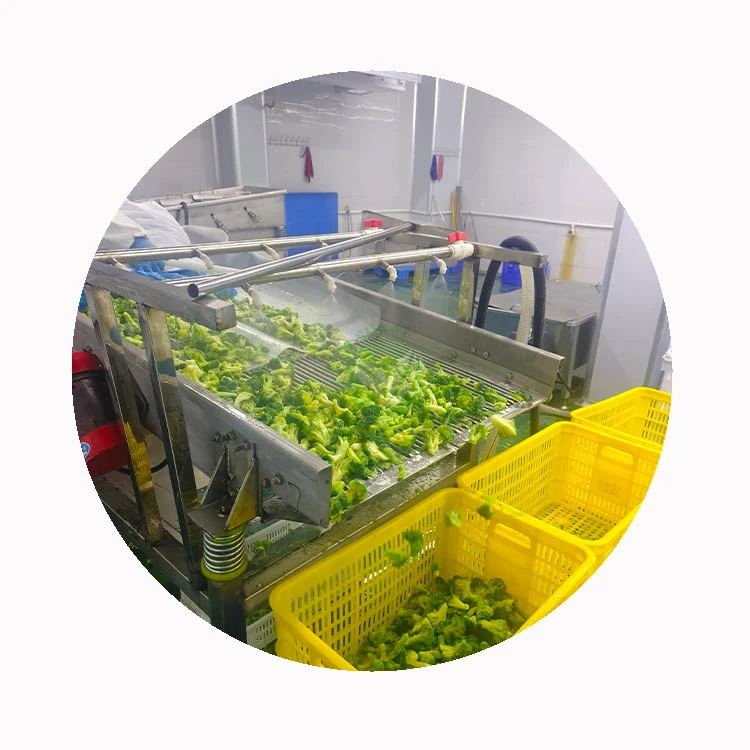
Define broccoli form, floret range, stem ratio, frozen clump limit, load, equipment, preheat or recovery point, water addition, power or heat setting, time range, mixing, drain endpoint and target bite. Add acceptable color, breakage, water release, seasoning and service hold. A recipe that says only "steam until done" cannot support a multi-site program.
Validate the worst credible load and include staff handover. Reapprove after a change in supplier cut, equipment, vessel, batch mass or destination kitchen. Keep food-safety validation distinct from nutrient and sensory trials: an attractive green sample does not demonstrate process safety, and a safe sample can still miss the buyer's texture and yield target.
For an IQF supply program, specify floret size, stem length and ratio, color, defects, blanching direction, free-flow condition, microbiological requirements, pack, documents, cold chain and sample standard. The XMSD frozen broccoli product page provides common commercial directions, while your approved sample and contract control the order.

Review your frozen broccoli cooking application with XMSD
Send your method, equipment, load, floret size, target texture, pack, destination, document scope, sample standard and annual volume. We will review the product requirement so you can validate the finished process on the real line.
References
- Wang et al., Effects of Different Cooking Methods on Health-Promoting Compounds of Broccoli
- Barba et al., Bioavailability of Glucosinolates and Their Breakdown Products: Impact of Processing
- Lee et al., Effect of Different Cooking Methods on Vitamins and True Retention in Selected Vegetables
- Baenas et al., Broccoli Cooking Conditions, Nutritional Value and Consumer Acceptance