


Papaya Benefits: Measured Servings, Forms and Meal Context
Jan 07, 2020

Papaya contributes vitamin C, folate, fiber and water, with soft flesh that fits fruit bowls, breakfasts and blended recipes. Its sweetness can brighten a plain breakfast, while its texture makes it easy to incorporate into a spoonable dish. The practical question is how much edible fruit reaches the plate, and what the rest of that meal contains.
A bowl of cubes, a cup of mashed fruit and a tall papaya drink can look like comparable portions while containing quite different amounts of papaya. Skin, seeds, added water and sweeteners make the comparison harder. Measuring the flesh once is often more informative than comparing broad claims printed beside a photograph.
For a home meal, that means choosing an enjoyable portion alongside other foods. For a kitchen serving many people, it also means turning the agreed portion into a repeatable recipe. A nutritious ingredient contributes little to the intended meal if its texture is rejected or the serving scoop delivers mostly liquid.

What the reference numbers describe
The USDA legacy entry for raw papaya reports, per 100 g of edible fruit, 43 kcal, 10.82 g carbohydrate, 1.7 g fiber, 60.9 mg vitamin C and 37 micrograms folate. These are food-composition reference values, not a laboratory certificate for every cultivar or shipment. Their denominator is prepared flesh rather than the weight of a whole fruit with its skin and seeds.
Use that basis consistently. A nutrition calculation starting with edible flesh should finish with edible flesh. An unopened carton weight or a whole-fruit purchase weight includes a different set of losses and cannot simply be multiplied by the same figures. When a recipe includes syrup or juice, its ingredient weights need their own entries.
The small amount of protein in plain papaya is another useful clue when planning a meal: fruit is doing a different job from eggs, beans, tofu or yogurt. Building a breakfast around papaya does not require asking it to replace every other food group. It can supply the fruit component while another ingredient supplies the main protein component.
Useful nutrients, with ordinary food-sized expectations
Vitamin C supports normal collagen formation and immune function and helps the body absorb nonheme iron from plant foods, according to the NIH Office of Dietary Supplements. That gives a sound reason to include vitamin-C-containing foods in a varied diet. It does not establish that a papaya serving will prevent a cold, repair a skin condition or produce a measurable cosmetic change.
Folate is involved in DNA synthesis and cell division. Papaya can contribute some, alongside other foods such as legumes and green vegetables. That makes it one part of a varied menu: fruit at breakfast, beans in a lunch dish and vegetables with dinner can each contribute something. Papaya need not dominate the day to have a useful place in it.
Fiber makes the fruit useful within the total fiber supplied by a day of eating. It is not necessary to attach a digestive treatment claim to that contribution. Tolerance, the rest of the diet and the amount eaten still matter. A comfortable portion eaten regularly may be more practical than a very large serving chosen to chase a headline.
Our papaya nutrient and benefit evidence guide separates established nutrient functions from stronger health claims. For choosing a meal, the simpler decision is usually enough: keep the fruit, choose the portion and avoid assigning it effects that ordinary dietary evidence cannot demonstrate.

Choose a serving for its place in the meal
A portion is the amount a person actually eats. A serving on a food label is the stated basis for its numbers. The FDA explains that the serving size on a U.S. Nutrition Facts label reflects amounts typically consumed, not a recommendation about how much someone should eat. A package can contain more than one of those servings.
Start with the job the fruit is meant to do. A small topping may suit a substantial breakfast; the same topping on an otherwise empty plate leaves a very different meal. Appetite and the other fruit available help determine an enjoyable amount, rather than a universal daily papaya quota.
At home, put the prepared flesh in the bowl you normally use and weigh it once. Remove the bowl weight rather than estimating around it. The point is to understand your usual portion, not to turn every snack into a calculation. After that, the familiar bowl or scoop can help keep similar meals broadly consistent.
For a shared platter, distinguish the amount set out from the amount eaten. Leftovers, discarded pieces and repeated helpings can move the result in either direction. An attractive display of fruit is not a record of anyone's intake. This distinction becomes especially important when a menu calculation is used to describe what a customer receives.
Illustrative example: two cups that contain different fruit weights
Consider a hypothetical breakfast recipe whose instruction says "one cup papaya." One cook fills the cup with pieces; another fills it with mashed flesh. The USDA reference lists 145 g for a cup of one-inch pieces and 230 g for a cup of mashed papaya. These are reference measures used to illustrate the problem, not measured results from those cooks.
The mashed cup therefore contains 85 g more fruit, or about 59% more by weight. At the same reference composition, the two amounts work out to approximately 62 and 99 kcal, respectively. Their estimated fiber amounts are about 2.5 and 3.9 g. The difference arises from how much fruit fits into the cup, not from mashing somehow manufacturing extra nutrients.
If the kitchen intended a fixed papaya amount, it should specify the prepared weight and then select a practical utensil for each form. If it intended a particular finished volume instead, it should acknowledge that the amount of fruit changes. Both are legitimate recipe choices; quietly treating them as the same nutritional serving is the error.
Actual cup weights still need checking because cut size, packing and consistency vary. A loose pile of large pieces contains different gaps from a tightly filled cup of small pieces. Added water changes a puree again. Record whether the ingredient is plain mashed fruit, diluted puree or a sweetened preparation before borrowing a composition value.

Make the whole breakfast make sense
Papaya works naturally with plain yogurt, oats or a savory breakfast that needs a fresh fruit side. It can provide sweetness and contrast without making the whole meal sweet. The useful choice is not whether the word "healthy" applies to the bowl in isolation, but whether its ingredients together suit the person eating it.
For a yogurt bowl, compare the labels of the yogurt and toppings as well as the fruit. Sweetened yogurt, granola and a honey drizzle each add something beyond papaya. Using a larger fruit portion does not cancel those additions. Equally, leaving out a food that contributes useful protein merely to make the bowl lighter may not meet the original breakfast brief.
There is room for different approaches. Someone who enjoys a savory breakfast could have papaya afterward rather than blending it into a drink. Someone who prefers a quick bowl could keep the fruit separate until serving so its liquid does not loosen the other ingredients. Those are workable meal choices, not competing claims about the best hour to eat fruit.
A smoothie needs its own recipe. Weigh the papaya, then account for milk or its alternative, juice, sweeteners and other fruit. Blending plain flesh is different from straining it, and a papaya-flavored drink may contain little actual fruit. Drinking two recipe portions from one large glass does not make them a single portion for nutrition calculations.
For an existing recipe, change one element at a time. Compare the same yogurt, topping and total bowl format with two papaya portions, for example. Taste both, check how much remains and choose the version people will finish. Changing the entire recipe simultaneously makes it difficult to know which ingredient improved the result.
Ripeness should match the experience promised
A ripe-fruit breakfast and a green-papaya salad are not looking for the same texture or flavor. The UC Davis postharvest fact sheet notes that papayas harvested at a more advanced stage generally have better taste than mature-green fruit, and that sweetness does not increase after harvest. Softening alone should not be treated as proof that a bland lot will become sweet enough.
For ripe fruit served plain, taste and spoon texture deserve attention before a striking flesh color. Color differs with variety and is not a nutrient assay. An orange photograph cannot establish the vitamin content, sweetness or readiness of the delivered product. Keep any visual acceptance target separate from analytical or sensory criteria.
We would choose papaya for a breakfast cup by its flavor and condition at serving, not by how firm it appears while frozen. That distinction matters because the customer experiences the thawed fruit. A piece that looks neat in the bag may soften or release liquid before it reaches the spoon.
The papaya uses by ripeness and product form guide covers the broader choice of ingredients. Once the recipe is chosen, narrow the trial to the intended use rather than trying to make one sample succeed in every possible preparation.
Compare fresh and frozen at the same stage
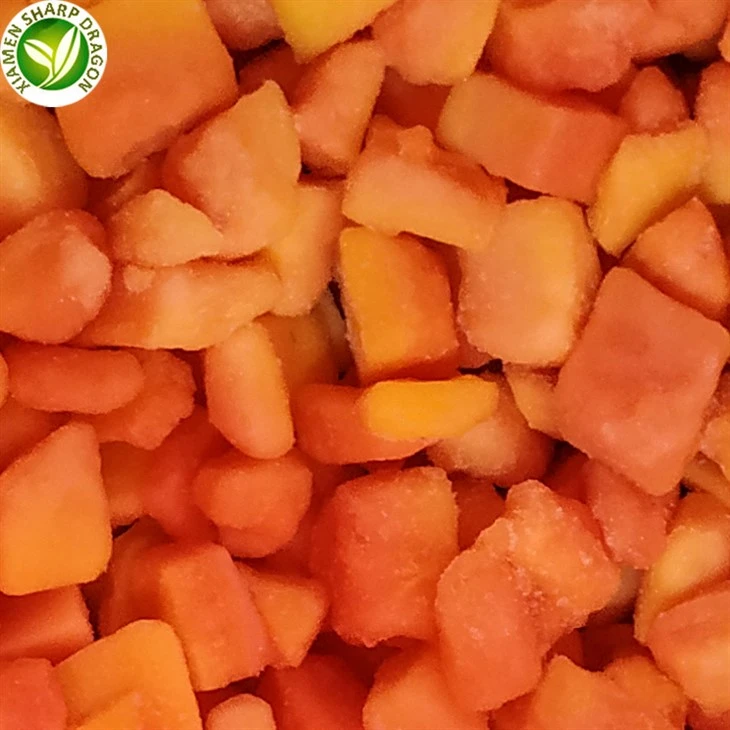
Fresh whole fruit requires peeling, seed removal and trimming. Prepared frozen pieces begin from a different point, but may still need thawing, draining or sorting for a particular dish. Comparing only the purchased kilograms hides those differences. The useful comparison ends when the ingredient is ready for the specified recipe.
Freezing can change texture, so a sample suitable for blending may be less suitable for a fruit cup. This is a performance distinction, not an automatic verdict that one form has superior nutrition. Nutrient comparisons need compatible food entries or appropriate product data, especially where processing, additions or prolonged storage differ.
For a cold-service trial, first establish that the product is intended for ready-to-eat use. If its instructions require cooking, incorporate that step rather than treating thawing as sufficient preparation. Follow the handling directions and use the actual dish and holding conditions. Assess liquid release after the normal preparation interval. Record soft but acceptable pieces separately from rejected pieces so the yield figure reflects the recipe's real requirements.
For blending, liquid released during thawing may be incorporated into the recipe if its handling and intended use allow that. Then the denominator is different from a drained fruit cup. Write down which approach is being costed. A procedure that discards liquid in the test but retains it during production will give misleading purchasing and recipe results.
Illustrative example: the cost of sixty fruit portions
Imagine a caterer planning 60 breakfast cups containing 90 g of accepted papaya each. The papaya requirement is 5.4 kg before any other fruit is added. For this hypothetical comparison, a fresh-fruit trial gives 60% accepted prepared yield, while a frozen-piece trial gives 90% after the required preparation. These are assumed trial results, not XMSD yield promises.
The fresh option would require 9 kg of purchased fruit: 5.4 divided by 0.60. The frozen option would require 6 kg: 5.4 divided by 0.90. Suppose their hypothetical prices are 2.00 and 3.20 currency units per purchased kilogram. Ingredient cost for the sixty portions would then be 18.00 and 19.20, or 0.30 and 0.32 per portion.
The higher-priced frozen kilogram is therefore only 0.02 more per served portion in this example, before labor and other costs. That does not decide the purchase. Preparation time, peel disposal, cold storage, flavor, acceptable shape and leftover usable product all remain part of the comparison. The fresh option may still be preferred if it gives the intended eating quality.
A meaningful follow-up trial would weigh the first, middle and last cups assembled from each batch and inspect liquid accumulation during service. If the final cups receive mostly broken pieces, the average batch yield has hidden a serving problem. Resolve that distribution before ordering a larger quantity merely because the arithmetic looks attractive.
For foodservice and catering, the purchasing unit and the served unit should both appear on the recipe record. This makes a change of pack size or preparation method visible before it disrupts the number of portions a kitchen can actually produce.

Keep the specification short enough to use
A papaya specification is most useful when it describes the actual service requirement. For a fruit cup, include the accepted shape, approximate piece range, eating texture after preparation and the amount of free liquid the recipe can accommodate. For blending, focus more on flavor consistency and the finished mixture. A long list of unrelated requirements can conceal the few that determine acceptance.
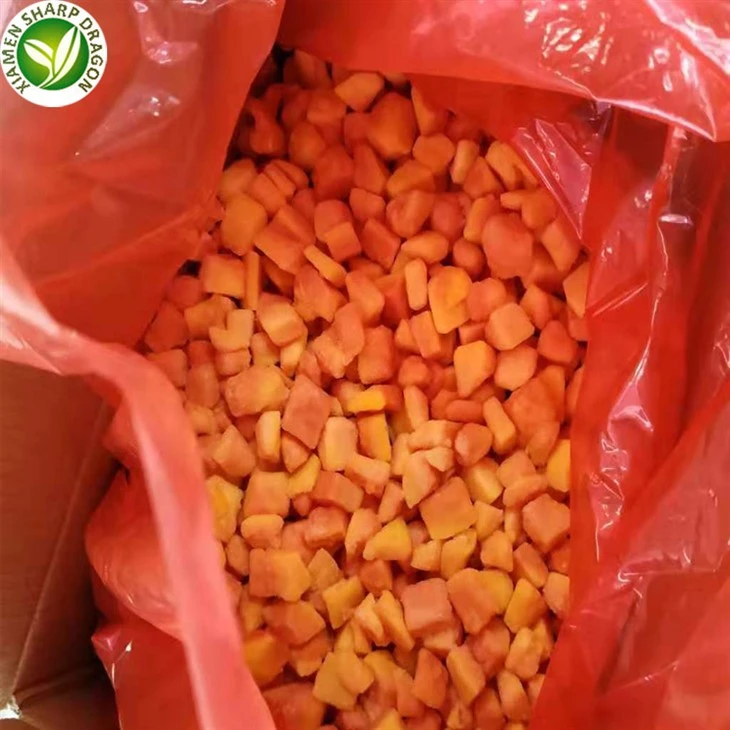
When comparing bulk frozen papaya, request the ingredient declaration, pack format, storage instructions, intended-use information and relevant specification. Match the sample to the proposed supply. An attractive sample without an identifiable product or lot is difficult to use as the basis for a repeatable order.
For any nutrition statement on a menu or pack, keep the exact recipe and its calculation basis. Generic raw-fruit data can help with planning, but should not be quietly presented as a test of a particular processed food. If a declared value is commercially important, agree what product documentation or analysis supports it and which prepared state it describes.
Handle a fruit serving as food, not a supplement
Wash whole papaya under running water before cutting it, even when the peel will be discarded, and keep knives and preparation surfaces clean. FDA produce guidance advises against washing fruit with soap. Refrigerate perishable cut fruit appropriately and follow the applicable product instructions; freezing does not remove the need for careful handling.
Known papaya allergy is a reason to avoid it, not to search for a smaller experimental portion. MedlinePlus lists papaya among foods less strongly associated with latex-related food reactions, which is a reason for individual advice where relevant rather than a blanket ban for everyone with latex allergy. Persistent symptoms deserve medical assessment instead of repeated food challenges at home.
Seeds, leaf preparations and concentrated enzyme products are separate from an ordinary serving of ripe flesh. There is no need to add them to obtain a useful fruit component in a meal. Keep a food decision straightforward: edible fruit, an appropriate recipe, sensible handling and a portion that suits the person eating it.
A pack size should support the intended portion
A large bag may look economical yet be awkward when the kitchen uses only a small amount each day. Compare daily demand with the opening and handling procedure, available cold storage and the product's directions. Repeatedly opening more than the recipe needs can erase an apparent saving through waste or inconsistent preparation.
We would confirm the planned portions per service before discussing a convenient pack format. For a kitchen with two separate breakfast sittings, smaller inner packs may fit preparation better than one large opened bag; a high-volume blender operation may reach the opposite decision. That gives frozen-food packaging choices a concrete purpose: protect the product and fit the way it will be used.

Papaya earns its place through enjoyable flavor, useful nutrients and a workable role in the meal. Those benefits become clearer when the portion has a defined basis. Choose the dish first, compare like-for-like prepared weights, and keep any nutrition description tied to the food that is actually served.
For a papaya supply enquiry, send the intended recipe, prepared portion, pack preference and destination. We can review the product information needed for a relevant sample comparison.
References
- USDA Standard Reference 28: Fruits and Fruit Juices, Papayas, raw, NDB 09226 - historical composition and household measures.
- NIH Office of Dietary Supplements: Vitamin C - established functions and food-storage considerations.
- NIH Office of Dietary Supplements: Folate - nutrient functions and dietary sources.
- FDA: How to Understand and Use the Nutrition Facts Label - serving-size interpretation.
- UC Davis: Papaya Produce Facts - maturity, sweetness and quality; historical postharvest fact sheet.
- Harvard Nutrition Source: Healthy Eating Plate - varied meals and complementary food groups.
- National Center for Home Food Preservation: Freezing - freezing, quality and handling principles.
- FDA: Selecting and Serving Produce Safely - produce washing and preparation.
- MedlinePlus: Latex Allergies-For Hospital Patients - latex-associated food reactions.