


Okra in a Balanced Diet: Portions, Cooking and Meal Fit
Jan 07, 2020

Okra fits a balanced diet most usefully as a vegetable portion in a meal you enjoy and can repeat. Plain cooked okra contributes fiber and several micronutrients with relatively little energy. What changes the result is the dish: the amount served, oil and seasoning added, foods alongside it, and whether it replaces something or simply enlarges the meal.
For a concrete reference, USDA's Standard Reference record for boiled, drained okra without salt gives 22 kcal and 2.5 g dietary fiber per 100 g edible cooked food. Its half-cup measure is 80 g, providing about 18 kcal and 2 g fiber. That describes plain cooked okra, not a breaded side, a whole bowl of gumbo or a frozen product with sauce.
Start with a modest vegetable serving and a preparation you enjoy. The useful question is what that change helps you eat more consistently.

Give okra a specific job in the meal
If dinner regularly lacks vegetables, adding a small okra side fills an obvious gap. If a lunch already contains a generous vegetable mixture, swapping some of it for okra mainly adds variety. If the aim is to reduce a very energy-dense side, the relevant comparison is a replacement with measured cooking additions. Those are different reasons for choosing the same food.
A practical meal can pair okra with rice and fish, a bean stew, or another protein and grain combination you already cook. Harvard's Healthy Eating Plate emphasizes variety among vegetables and fruits, with whole grains and protein foods completing the meal. Its proportions are a planning guide, not a prescription that every bowl must match by gram weight.
In a mixed dish, look at what goes into the pot rather than the shape of the plate. A spoonful of okra in a large serving of rice adds a little vegetable; a generous okra-and-tomato mixture beside the rice does a different job. Count both as food, but be clear about how much vegetable is actually present.
The okra nutrient and health-evidence guide explains the individual nutrients in more detail. For everyday meal planning, the priority is turning that composition into a portion that is eaten, not merely added to a menu description.
Read a cooked serving on the correct basis
A household cup is convenient, but how tightly the pieces pack changes the weight. Whole pods leave more gaps than short crosscuts. Use the USDA half-cup reference as orientation, then weigh a usual scoop once if the amount matters to your calculation. The scales should hold the edible cooked portion, with the bowl's weight removed.
The raw, frozen-unprepared and boiled-drained records describe different states. Water can move into or out of food during cooking, and draining removes material from the final dish. Comparing their values per 100 g does not by itself measure how much of a nutrient survived from one original batch. For a straightforward estimate, match the database description to the food being served.
For a packaged okra item, begin with its own label. FDA explains that a listed serving size reflects the amount people typically consume; it is not an instruction about how much an individual should eat. If you eat twice the listed serving, double the stated nutrient contribution. If you add ingredients during preparation, include those separately.
Keep the serving method consistent. A weighed portion is useful for planning; a commercial nutrient declaration needs the appropriate recipe and product evidence for its market.

Choose the texture you actually want to eat
Okra's mucilage is part of its culinary character. Purdue Extension explains that cutting exposes the viscous material used to thicken soups and stews. A smooth, cohesive broth may be exactly the reason to add it. For a drier side, larger pieces or whole tender pods can give a different eating experience.
A stew needs its sauce and vegetable judged together. A drier side needs a different check: tenderness, browning and pieces that separate pleasantly when served.
Our first choice for a meal trial would be the cut that suits the utensil and recipe. Crosscuts are easy to distribute in a spooned dish; a long pod can be awkward in a small lunch container. A delicate whole pod might work well on a plated meal but break under vigorous mixing. That difference can determine whether a nutritious ingredient is convenient to use.
Taste the stem end as well as the middle. A browned surface can hide a fibrous piece that diners leave behind. When that happens, examine maturity and pod size before adding more oil or extending cooking. The okra cooking and texture guide addresses detailed method adjustments; the meal decision is whether the selected outcome suits your eater and service.
Count the oil where it enters the recipe
Oil can make a vegetable dish appealing and help achieve a preferred cooking result. It also belongs in the meal calculation. A measured addition is easier to assess than repeated pours from the bottle. Choose an amount for the whole batch, note how many portions it produces, and adjust through a tasting comparison rather than guessing from surface shine.
Oil added and oil eaten are not always identical. Some may remain on a tray or be discarded with residue. For a simple home estimate, counting the amount added avoids silently treating it as zero. In a production recipe, use an established method to account for retained material and final yield if the nutrition declaration needs that precision.
Roasting does not guarantee a small oil addition, and frying does not reveal its exact amount from the cooking method's name. Coatings introduce another variable: flour or starch, seasoning and absorbed oil all contribute to the finished portion. Compare the actual recipe or finished-product label rather than ranking two dishes by a single word.
An enjoyable seasoned vegetable can be a better routine choice than a plain version that remains untouched. Keep the adjustment purposeful. If tenderness is the problem, fix tenderness; if seasoning is weak, change seasoning. Adding oil to compensate for a tough pod is unlikely to solve the reason it is being rejected.

Sodium can arrive before the salt shaker
Broth, seasoning blends, pickles, sauces and cured ingredients can all add sodium to an okra meal. FDA's label guidance identifies a Daily Value of less than 2,300 mg sodium for the general population; an individual clinical target may differ. The practical kitchen step is to check the packaged ingredients before deciding how much extra salt the dish needs.
A label comparison works only when the amounts match. A broth labeled per cup and a seasoning labeled per teaspoon cannot be compared directly as if they were alternative servings of the same thing. Calculate how much of each enters the batch, then divide by the portions actually served. This makes a salty component visible even when only a small quantity is used.
Taste at the finished consistency. A stew that loses water during simmering concentrates its dissolved ingredients, so early tasting may not represent the serving. If you change the broth or sauce quantity, check flavor as well as the calculation. The aim is a meal that remains satisfying with a deliberate seasoning level.
Example: a canteen compares two lunch sides
Imagine a hypothetical canteen serving 40 lunches. Its current breaded side has a label value of 220 kcal per 100 g, and the planned portion is 100 g. A trial uses plain cooked okra instead, also 100 g per person, with 120 g oil allocated across the entire batch. These are illustrative inputs, not specifications for a named commercial product.
The oil allocation is 120 ÷ 40 = 3 g per lunch. Using approximately 9 kcal per gram of fat gives 27 kcal from that allocation. Adding the 22 kcal plain-okra reference produces an illustrative estimate of 49 kcal before other ingredients. The comparison is 220 against 49, a difference of about 171 kcal per side under those assumptions.
That estimate is a starting comparison, not a nutrient label for the trial. The kitchen must account for its actual cooked food, retained oil and seasonings. It also keeps the rest of the lunch unchanged during the first comparison. Adding both sides would answer a different question and would not create the calculated reduction.
The next decision is acceptance. The team weighs what is served and returned, and asks whether the okra is tender and seasoned well. If the lower-energy side is mostly discarded, it has not delivered the intended vegetable portion. A successful trial preserves meal satisfaction while changing the specific side; it does not justify cutting the protein or grain without another nutritional reason.
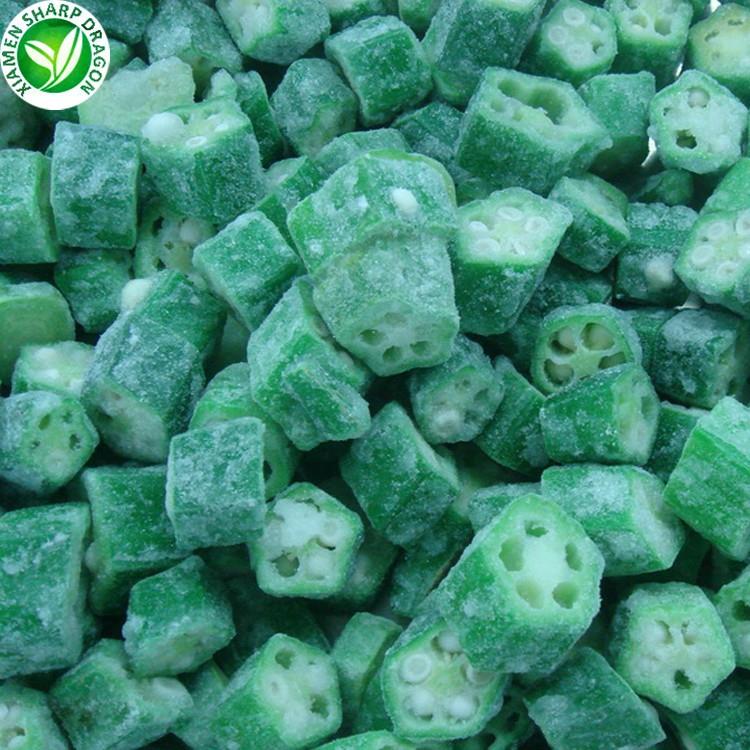
Fresh and frozen forms solve different preparation problems
Fresh okra lets a cook select and trim individual pods. It also requires time and generates trimmings. Plain frozen okra can simplify weighing and repeated preparation. The practical comparison starts with whole or cut form, product instructions and the planned dish, not a blanket claim that one state is always more nutritious.
For the whole and cut frozen okra options, decide whether the kitchen needs an intact pod, a short piece or a crosscut. That choice affects the scoop, sauce distribution and bite. It can also change how easily a consistent portion is served from a mixed dish.
Check the product's required preparation. Blanching or freezing alone does not establish that a vegetable is ready to eat. Follow the supplier's cooking and storage directions, and keep the product under the required frozen conditions until use. A food intended for cooking should not be switched into an uncooked application because the pieces look clean.
We would test the end of the bag as well as the first handful. Small fragments and loose seeds can settle or be distributed unevenly. In a soup they may remain useful; in a plated whole-pod side they may not match the intended portion. A sample that ignores those fractions can overstate the usable yield of the purchased pack.
A comfortable fiber routine is built across foods
Okra can add fiber, but it does not need to supply the whole day's intake. NIDDK describes adult fiber needs as roughly 22–34 g daily depending on age and sex, and advises increasing fiber gradually. Whole grains, beans, fruit, nuts and other vegetables contribute alongside the okra serving.
For someone moving from a low-fiber pattern, several large changes at once can be uncomfortable. A more manageable approach is to add one familiar vegetable portion while keeping the rest of the meal recognizable. Appropriate fluids matter too; anyone with a prescribed fluid restriction should follow that plan rather than generic advice to drink more.
Distinguish preference from physical tolerance. Disliking a slippery texture is a cooking preference. Repeated discomfort after a large mixed meal deserves a look at portion and other ingredients. Persistent or concerning symptoms belong with a health professional, especially when a prescribed diet is involved. Avoid turning a single meal observation into an allergy diagnosis or a reason to exclude all vegetables.
Okra's food contribution also stands apart from capsules, powders or extracts studied for particular medical outcomes. An ordinary serving is not a replacement for treatment. For daily meals, the useful work is proportion, variety and a cooking method that is comfortable to repeat.

Example: a soup kitchen protects the intended vegetable deposit
Consider a second hypothetical kitchen planning 80 portions of soup with 60 g accepted cooked okra in each. It therefore needs 4.8 kg cooked okra in the served batch. A trial of whole pods gives an 84% usable cooked yield after trimming and rejects; a crosscut trial gives 92%. These assumed trial results illustrate a purchasing calculation.
At 84% yield, the required input is 4.8 ÷ 0.84 = 5.71 kg. At 92%, it is 4.8 ÷ 0.92 = 5.22 kg. The higher-yield option needs about 0.49 kg less opening product for the same deposit. Compare purchase prices on that required amount rather than on one unopened kilogram alone.
Yield does not finish the decision. The crosscuts may distribute more evenly through a ladle while changing the broth's body. The kitchen samples the soup after its normal service hold and compares spoonfuls from the beginning and end of the kettle. It checks both the quantity of okra and whether the thickened liquid is pleasant.
If the whole-pod recipe is preferred, the extra input can be justified by the eating result. If crosscuts are preferred, the method card should retain the chosen cut and mixing routine. Either way, the outcome is a repeatable vegetable amount in every serving, not an assumption that a large purchased bag automatically means a substantial portion.
Make the service result repeatable
For a dry side, a freshly cooked sample may taste different after sitting in a covered container. For a soup, the consistency may shift during holding and repeated stirring. Evaluate at the point people actually eat. A kitchen supplying packed lunches needs a different check from one plating a meal immediately beside the stove.
Keep the cooking and holding procedure within the kitchen's established food-safety controls. Texture observations do not set a safe shelf life or replace the required time and temperature limits. For fresh preparation, FDA advises washing produce under running water and preventing contact with raw meat and contaminated equipment; ordinary washing does not make every product ready to eat.
For foodservice planning, link the ingredient specification to a short method card: cut, opening weight, equipment load, oil addition, final batch yield and serving utensil. A change in any of those can alter the meal. Naming them gives purchasing and the kitchen a shared description of what needs to stay consistent.
Keep three observations separate: food prepared, food served and food returned. Unsold food indicates a forecasting issue; returned woody pieces suggest a texture issue; oversized scoops suggest a portioning issue. Each calls for a different adjustment. Combining all three into one waste percentage can hide the change that would actually help.

Build variety without turning okra into a daily obligation
A weekly rotation can include an okra stew, a different green vegetable side and a mixed-vegetable lunch. There is no need to force the same vegetable into every day. Start from meals you already like and choose where okra fits naturally. Familiar combinations make it easier to judge the effect of one ingredient change.
Convenience belongs in the decision. A product that fits the freezer space, recipe batch and available preparation time is more likely to be used as intended. A large economical pack can become inconvenient if each meal needs only a small portion and the remaining product is handled poorly. Match pack size to the actual routine, keeping storage instructions intact.
Budget the finished portion, too. Purchasing weight, trimming, rejects, cooking additions and labor all affect cost. A slightly higher purchase price can be worthwhile when it produces a dependable portion with less preparation; the opposite can be true for a kitchen already equipped to trim fresh pods efficiently. Use your measured outcome to choose.
Once the method works, preserve the preferred cut, tenderness, vegetable amount and seasoning. Vary complementary ingredients while keeping those successful features.

Okra earns a place in a balanced diet by making a vegetable-rich meal practical and enjoyable. Plain composition gives a useful starting point. The portion, additions and foods it replaces determine the actual contribution. A small, repeatable change that people keep eating is often more valuable than an ambitious recipe that fails after the first service.
For a frozen okra application, share the cut, dish, cooked serving, preparation method and pack preference. We can review the product direction through an okra ingredient inquiry.
References
- USDA Standard Reference28, record11279: okra cooked, boiled, drained, without salt.
- Purdue Extension FoodLink: okra selection and preparation.
- Harvard Nutrition Source: Healthy Eating Plate.
- FDA: How to Understand and Use the Nutrition Facts Label.
- FDA: Sodium in Your Diet.
- NIDDK: Eating, Diet and Nutrition for Constipation.
- FDA: Selecting and Serving Produce Safely.
- National Center for Home Food Preservation: Freezing.
- NIH curriculum: food-energy factors, 9 kcal per gram of fat.
- Food Standards Agency: cooking instructions for frozen vegetables.