


Are Mangoes Good for Your Health? Benefits Beyond the Headlines
Jan 08, 2020

Yes. Mango is a nutritious fruit that contributes vitamin C, some fiber, carotenoids and enjoyable variety to meals. Its sweetness does not cancel those benefits. The most useful way to eat it is as actual fruit within a varied diet, with enough other foods to supply the protein, minerals and energy that mango alone cannot provide.
The interesting question is what happens after that simple answer. Does eating mango produce the dramatic results attached to it online? What changes when it becomes a drink or dessert? And can frozen pieces make a healthy fruit habit easier to maintain? Separating those questions makes choosing mango much less confusing.
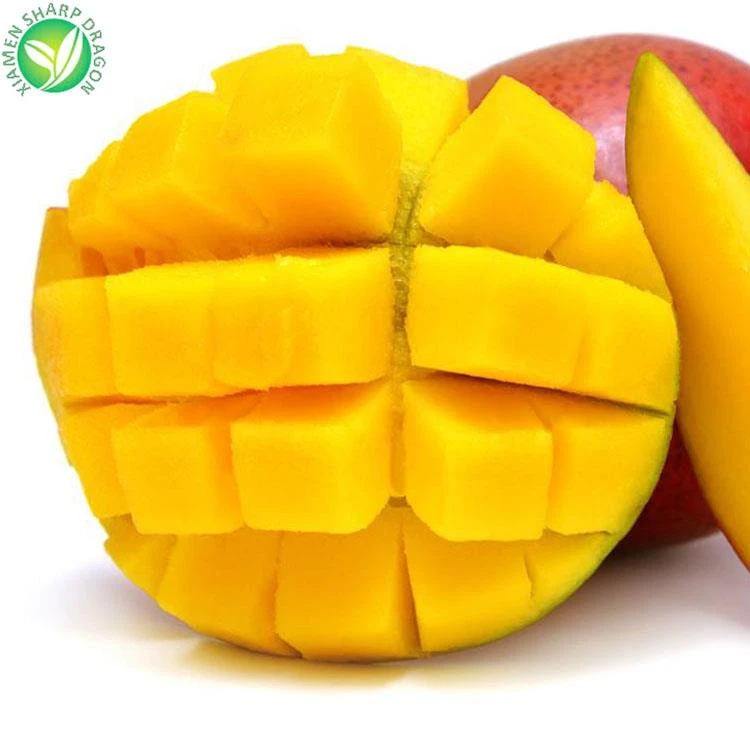
The clearest benefit is ordinary nutrition
The National Mango Board's nutrition label, based on USDA raw-mango data, uses three quarters of a cup of pieces, or 124 grams. That reference serving supplies approximately 70 calories, 19 grams of carbohydrate, 17 grams of total sugars, 2 grams of fiber and 45 milligrams of vitamin C. It also lists folate and vitamin A activity. These are reference values for raw fruit, not a laboratory certificate for every mango cultivar or frozen product.
Vitamin C is the standout contribution. According to the NIH Office of Dietary Supplements, it supports normal collagen formation and immune function and helps the body absorb iron from plant foods. Eating mango is one practical way to obtain it; citrus fruit, peppers and many other foods can do the same job. A useful nutrient contribution does not require mango to be the best fruit in every comparison.
The modest protein content is equally worth noticing. A bowl of mango may be refreshing, but it is not a substitute for beans, eggs, fish, tofu or another meaningful protein source. Thinking of mango as the fruit part of a meal helps avoid expecting it to do the work of an entire breakfast or lunch. For the broader food-form comparison, see mango nutrients and different fruit preparations.
A serving description should also be usable in a kitchen. A cup measure filled with large irregular chunks leaves different gaps from the same cup filled with small dice. Weighing an edible portion once can show what a comfortable serving looks like in your own bowl. After that, the aim is familiarity, not obsessive precision. This is particularly helpful when changing from fresh fruit cut at home to a ready-cut bag: the apparent volume can change even when the amount of mango has not.
Why enjoyment belongs in the health discussion
A fruit habit has to survive busy mornings, unpredictable shopping trips and ordinary taste preferences. Someone who enjoys ripe mango may be more willing to include fruit with lunch than someone trying to force down a supposedly superior food. That is a practical advantage even when it cannot be expressed as a special biochemical effect.
Mango is useful in savory meals as well as sweet ones. Small pieces can soften the sharpness of lime, add contrast to beans, or make a crunchy cabbage salad more appealing. Sweetness is then serving a culinary purpose rather than simply increasing the size of a dessert. The rest of the dish still matters: a generous sweet sauce poured over fried food tells a different nutritional story.
Choice also prevents boredom. Mango need not occupy every fruit slot. Keeping several fruits available makes it easier to respond to price, ripeness and appetite without treating a missed mango serving as a problem. The NHS balanced-diet guidance emphasizes variety across food groups, which is a stronger foundation for everyday eating than loyalty to one fruit.

Human studies offer clues, not guaranteed outcomes
Mango research is more interesting than either dismissing the fruit as sugar or presenting it as a cure. A 2022 published crossover study involved 27 adults with overweight or obesity. Participants ate a roughly 100-calorie mango snack or an equal-calorie low-fat cookie snack for twelve weeks each. Some blood measures improved after the mango period, but body weight, body-fat percentage, blood pressure, insulin and blood lipids did not show significant changes after mango consumption.
That distinction matters. The trial supports further investigation and shows why the comparison food deserves attention. It does not establish that mango itself causes weight loss, nor does it tell someone with diabetes how to change treatment. It was small, excluded people with certain medical conditions, and received National Mango Board funding. None of those facts makes the work useless; they define the strength and reach of the conclusion.
A separate short-term study compared fresh mango, dried mango and white bread in 34 healthy adults. The fresh fruit produced some favorable appetite and glucose results over a brief observation period. A response after a test snack is different from a lasting change in health. For an everyday eater, these findings are a reason to regard mango as a reasonable food choice, not a reason to chase a research dose.
A food can support health without treating a disease
Terms such as antioxidant and anti-inflammatory are often used so broadly that the food itself disappears from the discussion. A study might examine an isolated compound, a concentrated extract, animal tissue or a blood marker. Those experiments can help explain biological possibilities, but the material being tested may be very different from ripe mango flesh on a plate.
Ask a simple question when a striking claim appears: what exactly did the people eat, and what actually changed? A study of an extract is not a serving recommendation. An association between fruit eating and better overall diets cannot identify mango as the sole cause. An improvement in one laboratory measure does not demonstrate fewer heart attacks, restored eyesight or protection from cancer.
There is no need to make ordinary food sound medicinal. A mango serving brings flavor, food energy and nutrients, and can contribute to a meal someone wants to repeat. That is already useful. Persistent symptoms, diagnosed disease and medication decisions require care suited to the individual, rather than a fruit-based solution assembled from headlines.
Use the whole meal to judge sweetness
The natural sugars in mango come with water and fruit tissue. They remain carbohydrate, so quantity still affects the total meal. But judging a food only by its sweetness misses why a portion of fruit differs from a large sweetened drink or a confection with a fruit picture on the pack.
Consider what mango accompanies. A lunch built around lentils, vegetables and a little mango has a different balance from a lunch that consists only of a very large fruit bowl. Likewise, adding fruit to a dessert does not remove the cream, pastry or syrup already present. Mango can improve variety without transforming every recipe into an everyday staple.
For people who manage blood glucose, a familiar portion and an understood recipe are more useful than a promise that mango is harmless or dangerous. Cambridge University Hospitals advises that fruit can raise blood glucose and that portion size matters. Follow the eating plan agreed with the diabetes team; general nutrition advice cannot supply an individualized carbohydrate target or medication adjustment.
Worked example: mango and lentil salsa
Imagine a home cook preparing lunch for four adults. The meal includes cooked lentils, chopped cucumber, cabbage and a mango salsa. In this representative household scenario, the cook uses 248 grams of edible mango, divided equally. Each person receives 62 grams: half the National Mango Board reference serving. On that reference basis, the mango contributes about 35 calories and 22.5 milligrams of vitamin C per person.
Those figures describe the mango contribution only. The lentils, dressing and other vegetables add their own nutrients and energy, and actual mango composition varies. The useful result is a tangible amount of fruit in a mixed meal, not a claim that the salsa treats iron deficiency. Vitamin C can help with plant-iron absorption, but the amount absorbed from an entire meal cannot be calculated from these two numbers.
The cook can taste before adding any sugar. Ripe mango may provide enough sweetness to balance the lime, while a firmer, tarter batch may suit a smaller lime addition. This is a kitchen adjustment, not a requirement to sweeten every batch until it tastes identical. Keep the beans and vegetables substantial so the mango remains a pleasant component rather than replacing the rest of lunch.

Fresh and frozen mango solve different practical problems
Fresh mango offers the pleasure of choosing ripeness and cutting the fruit at home. It also asks for time and a little judgment. A very firm fruit may not give the soft, aromatic result wanted for immediate eating, while a fully ripe fruit needs using before deterioration. Buying more than the household can use is an avoidable source of waste.
Plain frozen pieces can be easier when fruit is needed in small amounts across several days. A portion can be taken from the freezer without committing to cutting a whole fruit. Freezing does not remove the fruit's identity, although texture after thawing can be softer. Check the ingredient list and preparation directions rather than assuming that all products bearing a mango name are interchangeable.
At XMSD, we put eating quality ahead of a dramatic health description when matching plain frozen mango formats to a menu. For a spoonable fruit bowl, aroma, tenderness and the amount of liquid released after the intended thaw matter more than a perfect-looking frozen photograph. For a blended sauce, piece appearance matters less than flavor and how smoothly the flesh breaks down.

Dried fruit, smoothies and desserts deserve separate choices
Dried mango is convenient to carry, but it is easy to mistake a small handful for the same amount of fresh fruit. Removing water makes the fruit solids more concentrated by weight. A smaller dried portion can be sensible, and the pack should show whether sugar or other ingredients have been added. Chewy texture and a long ingredient list are not reliable substitutes for reading the actual declaration.
A smoothie can use mango well, particularly when it is prepared as part of a known recipe. It can also hide several portions of fruit in a glass that is quickly finished. Decide what the drink is meant to replace. A substantial smoothie in addition to a complete breakfast is a different choice from one planned as part of that breakfast.
Mango desserts can be enjoyed as desserts. Calling them that makes the choice easier, not less appealing. A few cubes over ice cream offer flavor and color; they do not make the ice cream nutritionally equivalent to plain fruit. The most useful comparison is between the finished foods people actually serve, with realistic portions and ingredients visible.
A second illustrative example: choosing fruit for a lunch counter
Consider a representative catering team introducing a mango-and-bean salad. This is an illustrative purchasing scenario, not a report of a customer trial. The kitchen needs recognizably separate fruit pieces that can be folded into the salad gently and still look appetizing at service. The team compares a firm, uniform cut with a softer, more aromatic cut under its actual refrigerated preparation routine.
Suppose the softer sample tastes better but breaks into the dressing during mixing. The team has three reasonable options: use a gentler fold, choose a slightly firmer product, or redesign the dish around a mango dressing. The right answer depends on what diners are being offered. Rejecting all softer mango as poor quality would miss an ingredient that could perform well in a sauce.
For foodservice and catering menus, we ask buyers to describe the final eating occasion before fixing the cut. In this example, frozen mango cubes would be reviewed for size range, peel fragments, fibrous pieces, flavor and mixing behavior. Nutrition information belongs with that review, but cannot decide whether the fruit survives the actual recipe.

The small details that keep a fruit serving usable
For fresh mango, wash the outside under running water before cutting, even though the peel will be removed. Use clean hands, utensils and a board kept away from raw meat preparation. Refrigerate cut fruit promptly and discard rotten produce. These straightforward FDA produce-handling recommendations matter more to a safe lunch than whether the mango has the strongest orange color.
For purchased frozen mango, follow the stated storage and use instructions. Some products are intended for further processing, and appearance alone cannot establish suitability for uncooked service. A commercial buyer should state whether the mango will be served without a later cooking step and obtain the corresponding product and food-safety information before approving that use.
Pack size deserves attention too. Opening a large bag repeatedly for a low-volume menu may be inconvenient, while very small packs may create unnecessary handling for a busy kitchen. Review frozen-food packaging options against the actual portioning routine, freezer space and stock rotation. A sound seal, readable lot code and workable inner pack help staff use the correct fruit in good condition.
On receipt, keep the product name and lot identity attached to the fruit throughout storage and preparation. Decanting into an unmarked container makes it harder to distinguish plain mango from a sweetened preparation or to locate the correct handling instructions. A simple label copied from the original pack is often enough to prevent that confusion. If a pack arrives damaged or with an uncertain temperature history, separate it for review instead of mixing it into sound stock.

When personal tolerance changes the answer
A known mango allergy changes the decision. Follow the individualized avoidance plan, and stop eating the fruit if an allergic reaction is suspected. FDA guidance lists symptoms such as hives, mouth tingling and swelling; breathing difficulty or a severe reaction needs emergency care. A smaller portion is not a reliable way to make an allergenic food acceptable.
Digestive discomfort is a separate question from allergy. If mango repeatedly seems to cause symptoms, note the amount, form and other foods eaten at the same time rather than assuming the fruit is either universally harmful or completely innocent. A large dried-fruit portion and a small amount of fresh flesh are different situations. Persistent or troublesome symptoms deserve professional assessment.
People with a prescribed diet should also use their own guidance rather than a general serving suggestion. The reason might be carbohydrate planning, a particular digestive condition, or another clinical need. For everyone else, the practical starting point is simpler: enjoy a comfortable portion, keep the rest of the diet varied, and avoid forcing extra fruit because a benefit list sounds persuasive.
Make the purchase match the way you want to eat
At home, begin with the next few meals rather than a large theoretical health goal. If mango is going into lunch twice this week, choose an amount that can be used sensibly. Keep a backup frozen option if ripeness or shopping frequency regularly gets in the way. Convenience is valuable when it helps an ordinary habit continue without unnecessary waste.
For a food business, write a short brief around the finished dish: plain fruit or a preparation, expected cut, how it will be thawed or processed, what diners should experience, and the pack size that the kitchen can handle. Add the ingredient statement, storage requirements and product-specific nutrition data where needed. This gives the supplier a concrete task instead of an ambiguous request for the healthiest mango.
Mango's strongest role is not to make every health promise come true. It is to contribute enjoyable fruit to meals that already make sense. Good flavor, a suitable form and a realistic serving make that contribution much easier to deliver, whether the setting is a family table, a lunch counter or a repeat catering menu.

For a mango menu or retail project, send XMSD your intended use, cut and pack requirements. We can review a suitable product specification and the information needed for your sample evaluation.
References
- National Mango Board: Mango nutrition label, based on USDA raw-mango data
- NIH Office of Dietary Supplements: Vitamin C
- Rosas and colleagues: Fresh mango and cardiometabolic risk factors, 2022
- Acute effects of fresh and dried mango on satiety and postprandial glucose, 2023
- NHS: Eating a balanced diet
- Cambridge University Hospitals: Healthy eating in diabetes
- FDA: Selecting and serving produce safely
- FDA: Food allergies and action when symptoms occur