


Is a Daily Banana Bad? Habit, Ripeness and Food Variety
Jan 08, 2020

Eating a banana every day is generally fine for a healthy adult. Repeating one fruit does not automatically make a diet unhealthy, and there is no requirement to take days off from bananas simply because you ate one yesterday. What matters is the wider pattern: enough food from different food groups, a portion that suits you, and attention to any medical restriction.
A banana can be a dependable breakfast ingredient or an easy food to carry. Those practical advantages are worth keeping. The habit becomes less useful when it turns into a rule that crowds out other foods, an obligation to eat fruit before it spoils, or an expectation that one banana will treat a health condition.
Keep the familiar ingredient if you enjoy it. Change the foods around it, and choose ripeness and storage for the way you will serve it.

A repeated fruit is not the same as a repeated diet
There is a large difference between eating a banana at breakfast and eating almost the same limited set of foods at every meal. The first leaves plenty of opportunity for variety. The second deserves a closer look at what is missing. A favorite fruit need not become the target when the real limitation is a lunch without vegetables or a dinner with little protein. The NHS describes a balanced diet through several food groups, including fruit and vegetables, higher-fiber starchy foods, dairy or suitable alternatives, and protein foods. Its advice is to choose variety across the pattern, rather than expect one food to supply everything. For a daily banana eater, that can mean keeping breakfast simple while using different vegetables, pulses, fish, eggs or other suitable foods in later meals.
Variety is not a competition to buy a different exotic fruit every morning. Start with foods you can afford, prepare and enjoy. If apples and bananas are reliable choices, use them; add another fruit when it is available and appealing. Keeping edible food in use is more valuable than buying an impressive assortment that your household has neither time nor appetite to finish.
A useful question is: if the banana disappeared tomorrow, what would actually change? If you would miss a convenient fruit, it is doing a sensible job. If you believe you would lose your protection against illness, the expectation needs changing. If removing it would leave almost nothing you are willing to eat, seek help broadening the overall diet without turning meals into a battle.

What one banana contributes without becoming a cure
A banana supplies carbohydrate, fiber and several micronutrients. The FDA raw-fruit reference lists a medium, 126-gram edible portion at about 110 calories, 30 grams of carbohydrate and 3 grams of fiber. These rounded figures provide a scale for the contribution. They do not mean every fruit in a bunch has exactly that weight, or that the same serving suits every person. Potassium is one reason bananas receive attention, but the NIH Office of Dietary Supplements specifically advises that one banana will not meet an adult's potassium needs on its own. It recommends a nutritious variety of potassium-containing foods instead of trying to meet the whole requirement through bananas. That is a useful correction to the idea of a single indispensable daily food.
A banana can earn a place at breakfast without a medical promise. A food containing a nutrient involved in normal body function is not the same as a tested treatment. Eating a banana is not a substitute for prescribed blood-pressure care, support for persistent low mood or investigation of unexplained symptoms. You do not have to prove a dramatic health outcome to justify enjoying a familiar fruit.
The benefit you can judge at home may be simpler: breakfast is easier to prepare, fruit is available when you want it, or a favorite meal has a pleasant texture. Those observations are legitimate. They are different from attributing a change in a blood test, sleep or mood to one ingredient while the rest of life also changes.
Keep breakfast simple, but give it more than one job
If a banana is your whole breakfast and you become hungry soon afterward, look at the meal rather than blaming the fruit. A piece of fruit can be a snack; a breakfast may need to cover a longer gap. You might include a protein food and a grain or other staple you enjoy. The right combination also has to fit your appetite, timetable and dietary needs.
Choose the function first. Do you need something portable, something warm, or a meal you can sit down to eat? For portability, keeping the fruit separate may be easiest. For a warm cereal, sliced banana adds visible pieces while mashed banana spreads its flavor through the bowl. For a mixed breakfast, a smaller amount can leave space for another fruit without removing the familiar taste.
Changing a companion food is often easier than abandoning the breakfast. Try a different suitable yogurt or dairy alternative, a different grain, or another fruit served alongside it. Read the product label when choosing an alternative because similar-looking foods can have different ingredients. Nuts, milk, soy and other additions also need to match any allergy restrictions in the household.
Keep preparation manageable. A long topping list can make a quick breakfast expensive and inconvenient. Include what solves a real problem for you; leave out additions you do not enjoy.

Ripeness changes the eating experience
Bananas are living fruit after harvest. UC Davis describes the conversion of starch to sugars during ripening, which increases sweetness; acids and aroma compounds also influence flavor. A less ripe banana can therefore taste and behave differently from a softer, riper one even when both are sold under the same name. Choose the stage for the use. A banana intended for neat slices should be firm enough to cut without collapsing. A banana destined for a mash or batter can be softer because a clean slice is irrelevant. Personal preference matters too: some people enjoy a stronger ripe aroma, while others prefer a milder taste. There is no need to turn either preference into a universal health ranking.
Peel color is only part of the assessment. Handling damage and storage conditions can also affect appearance. UC Davis notes that abrasions and chilling injury can darken banana skin. A photograph of the peel therefore tells less than inspecting the whole fruit and its condition. At home, follow food-safety guidance and discard produce that looks rotten rather than trying to rescue every piece.
At XMSD, we would evaluate frozen banana sweetness and texture in the intended dish instead of using pale color as a shortcut for quality. A pale piece that gives a weak flavor in the finished food may be less useful than a slightly darker piece that meets the agreed sensory target. The evaluation still needs clear limits for defects; it simply keeps appearance and eating performance as separate questions.
Worked example: buy for the breakfasts you will actually eat
Consider an illustrative two-person household that eats breakfast at home on five mornings in the coming week. Each person normally uses half a banana with the meal. The planned requirement is 2 people × 5 mornings × 0.5 banana = 5 bananas. Buying a larger bunch merely because it is the familiar size could leave fruit without an intended use. Before shopping, the household finds two bananas already at home and in suitable condition. The remaining requirement is 5 − 2 = 3 bananas. This is a shopping calculation, not a recommended portion or a promise about ripening time. If plans change or fruit sizes differ, the household adjusts the number rather than forcing everyone to finish the original purchase.
They choose fruit with the coming meals in mind and check it as it ripens. The useful result is less pressure to eat an extra banana solely to avoid waste. Another fruit can still appear at lunch or dinner. A daily habit stays flexible because purchasing follows the meals, instead of the meals being organized around a surplus.
The same method works for someone living alone, but their preparation needs may be different. If half a fruit is inconvenient, choose a suitable smaller fruit or plan the remainder for another use with proper handling. A portion that creates repeated waste is a reason to adjust the buying or preparation method, not a reason to insist on a fixed daily count.
Store for the next use, not for an imaginary shelf life
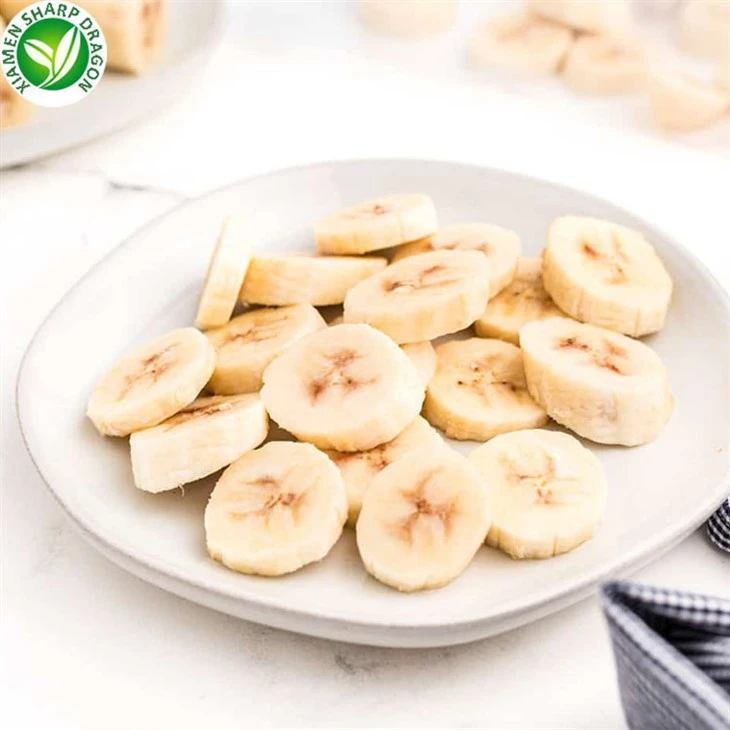
Iowa State University Extension advises keeping green or yellow ripening bananas at room temperature and refrigerating ripe bananas. This distinguishes fruit still developing its eating quality from fruit you want to hold after ripening. Its advice also includes freezing suitable over-ripe bananas in an airtight bag for later recipes. Over-ripe does not mean rotten: preservation begins with usable fruit. A practical home arrangement is to keep track of which fruit is ready first. Check the bunch before buying more, move suitable ripe fruit to its next storage stage, and decide early whether it is destined for fresh eating or a cooked recipe. Avoid promising yourself that a neglected bunch will somehow become convenient at the end of the week.
Wash produce under running water before peeling or cutting, use clean hands and utensils, and keep it separate from raw meat and its preparation surfaces. FDA recommends washing even when the skin will not be eaten, because peeling or cutting can transfer contamination. Water reduces contamination but does not sterilize fruit. Discard produce that appears rotten rather than treating washing as a repair.
After preparation, handle the finished food according to its ingredients and storage instructions. A banana mixed into dairy, a prepared fruit bowl and an intact unpeeled fruit are different storage situations. If you need a convenient breakfast to take out, use a suitable container and make a realistic plan for keeping perishable components cold. The convenience of the banana should not hide the needs of the rest of the meal.
Freezing surplus is useful when you already know its destination
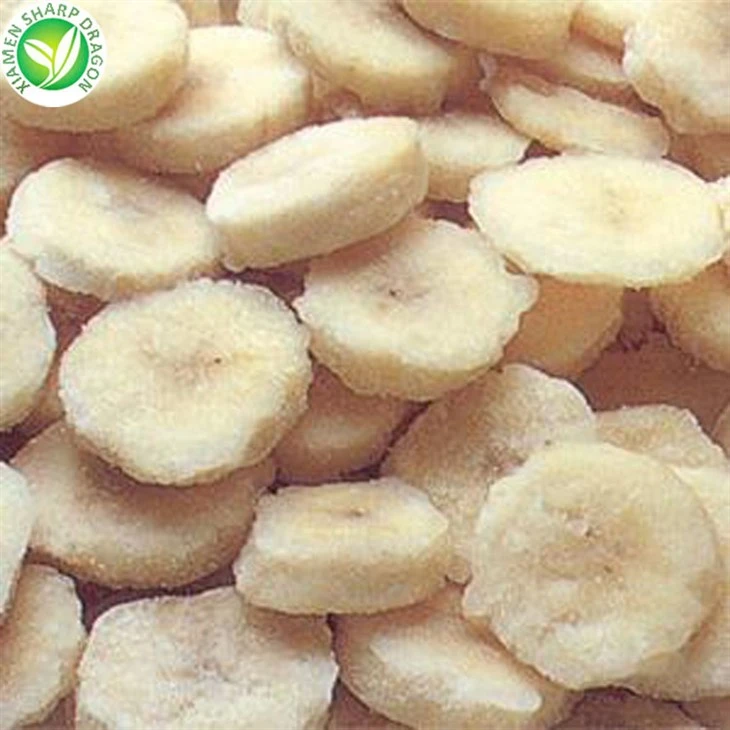
Freezing can give ripe banana a later role, but decide that role before filling the freezer. A container of mash suits a recipe needing banana throughout the mixture. Separate pieces suit measured additions where you want to take only part of a pack. Neither format should be expected to behave exactly like a freshly peeled firm banana after thawing.
The National Center for Home Food Preservation provides a specific banana method using firm ripe fruit, peeled and thoroughly mashed, with ascorbic acid before packing in a moisture-vapor-resistant container. Use the linked method for its exact preparation instructions. A tested preservation method is more dependable than an improvised claim that any fruit can be frozen indefinitely without quality change. For the daily routine, label what you have prepared and choose a quantity that matches a likely recipe. A single large block can be awkward when breakfast needs only a small amount. Several appropriately sized packs may take more preparation at the start but can save repeated handling later. Select freezer-suitable packaging and follow the storage and preparation guidance for the food.
Freezing does not sterilize food. University of Minnesota Extension explains that microorganisms can resume growth as food warms after thawing and that ice formation changes plant texture. Follow safe thawing guidance and the supplied preparation instructions for purchased frozen products. Do not assume a product intended for further preparation is ready to eat simply because it looks like familiar fruit.

Practical example: one breakfast menu, two banana formats
In this representative small-hotel scenario, a kitchen offers a cold fruit accompaniment and a baked banana breakfast dish. The team initially considers using the same frozen banana format for both. The deciding issue is not whether frozen fruit is healthy; it is whether the ingredient can do two different culinary jobs without making service harder. For the cold accompaniment, staff want pieces that retain an acceptable appearance after the planned preparation and service period. For the baked dish, the fruit will be mixed through the recipe, so flavor and even distribution matter more than an intact edge. The team prepares sample dishes under its normal food-safety procedure and evaluates each at the point guests would receive it.
If the frozen sample is too soft for the visible accompaniment but works well in the baked recipe, the sensible result is to use it for the baked dish and retain another suitable option for fresh presentation. Rejecting it for every use would discard a useful ingredient; accepting it for every use would ignore the actual meal. The scenario describes a decision method, not a completed XMSD customer trial.
We would ask a buyer to bring both the successful and unsuccessful application observations to a frozen banana discussion. A note such as too soft is incomplete until it identifies the dish and preparation state. The available frozen banana formats can then be compared against a real use rather than a general expectation that all banana products are interchangeable.
For menus with repeated breakfast service, compare options within the foodservice and catering range using the actual menu and kitchen constraints. Keep the approved recipe and intended use clear when the purchasing team orders. A convenient supply format should help deliver the meal you chose, not quietly change it.

Make routine handling part of the product decision
A pack that looks convenient unopened may be awkward to use every morning. Check the opening, remainder storage and identification with the people who will actually handle it.
At XMSD, we would separate a cosmetic objection from a recipe failure during sample review. Some broken edges may be irrelevant in a mixed batter but unacceptable on a visible fruit plate. Record the reason for each rejection rather than combining every rejected piece into one unexplained quality score. This gives the supplier a usable target and prevents the purchasing specification from becoming stricter in one area while missing the real problem.
Pack choice also affects how clearly the routine is organized. A label should remain readable after the first opening, and staff should be able to distinguish the format and lot they are using. Our frozen-food packaging information is relevant when reviewing pack size, protection and identification. Match those features to the kitchen's storage and handling procedure rather than judging a bag only by its unopened appearance.
Households can use a simpler version of the same thinking: buy a pack that fits the freezer, label prepared fruit, and make the next use obvious. The goal is to remove friction from an ordinary meal. A daily banana should not generate a growing collection of unidentifiable leftovers.
When the daily habit needs an individual adjustment
A medical restriction comes before general food advice. People with impaired kidney function or a prescribed potassium limit should follow their care team's plan. Someone managing diabetes should use the actual fruit portion within their carbohydrate guidance. A suspected food allergy needs assessment rather than repeated exposure to see whether the reaction happens again. If a meal regularly causes discomfort, consider the complete meal and seek advice when symptoms persist. Banana may be one ingredient among several. A change in a sweetened dairy product, a much larger serving or another accompanying food can matter to the discussion. Avoid removing many foods indefinitely based on a single guess.
For a broader review of serving size and meal replacement, the daily banana meal-fit guide offers a separate practical comparison. You need not run a health experiment just to keep eating a food you enjoy. If the habit suits you and the rest of the diet has variety, a familiar banana can remain familiar.
Keep it, change its companions, or choose another fruit when you feel like it. A flexible routine can survive travel, a missed shopping trip or a change in appetite. That is a more useful aim than an unbroken streak of daily bananas, and it leaves the fruit in its proper role: food, not a promise.
For a repeated-menu frozen banana requirement, share the dish, preparation method, desired fruit appearance, pack preference and destination through the XMSD inquiry form. We can review the product information needed for a focused application comparison.
References
- NHS: balancing food groups and fruit variety
- FDA: raw-fruit portions and nutrient values
- NIH Office of Dietary Supplements: bananas and potassium needs
- UC Davis: banana ripening, quality and handling
- Iowa State University Extension: choosing and storing bananas
- FDA: safe produce preparation
- National Center for Home Food Preservation: freezing mashed banana
- University of Minnesota Extension: freezing, texture and safe thawing
- NIH: medical conditions and potassium intake
- Cambridge University Hospitals: fruit and diabetes
- FDA: recognizing and managing food-allergic reactions