


Mango Fruit Benefits: Nutrition, Food Forms and Ingredient Value
Oct 11, 2019

Mango can contribute fruit, vitamin C, carotenoid pigments, fiber, water, flavor and variety to an eating pattern. Those are useful food benefits, but they are not a promise that mango prevents disease, repairs digestion or produces a specific body-weight result. The honest answer begins with the edible serving and the exact form being eaten.
A plain ripe mango portion, an unsweetened frozen portion, juice, dried mango in syrup and a mango dessert are not interchangeable. Water removal, added sugar, other ingredients and serving size can change the finished food more than the fruit name suggests. Compare the complete item before carrying a benefit statement from one form to another.
For menu planners, product developers and buyers, the useful task is therefore twofold: identify what mango genuinely contributes, then verify that the proposed product still delivers that contribution in its declared serving. This article owns that broad food-and-nutrition decision. The adjacent weight-management article owns substitution and calorie-budget decisions, while XMSD's existing ingredient-function guide owns industrial flavor, solids and processing performance.
Direct answer: Mango's clearest benefits are as a nutritious fruit and an appealing food ingredient. Judge them from a measured edible portion, product-specific data, the complete formula and the result you actually need.
Begin with a Food Contribution, Not a Cure List
Online benefit lists often move too quickly from "contains vitamin C" to a broad claim about immunity, skin, cancer or recovery. A nutrient has recognized roles in normal physiology, yet the presence of that nutrient in one food does not establish a treatment outcome. Keep the sentence at the level the data can support: mango contributes nutrients and fruit variety within the total diet.
That restrained wording is not a weak answer. It tells you what can be measured. You can check edible grams, declared nutrients, ingredients, preparation, sensory acceptance and how frequently the item is served. Those variables are more useful than an unsourced list of organs supposedly helped by every bite.
The food contribution also includes enjoyment. Aroma, sweetness-acidity balance, color and soft texture can make a fruit serving attractive. Enjoyment matters when it helps a person choose and finish an appropriate fruit portion, but acceptance must be observed in the real menu or product. It should not be converted into a medical claim.
Use an Edible-Weight Basis Before Reading Nutrients
A whole fruit includes peel and stone that may not enter the serving. Nutrition databases generally describe an edible portion under a stated preparation. If a recipe uses 120 grams of flesh, compare it with 120 grams of the relevant reference or product data, not with the gross weight of a mango on a scale.
Worked example: suppose a reliable source lists a nutrient as 36.4 milligrams per 100 grams of edible raw mango. A 120-gram serving uses a factor of 1.2, so the planning estimate is 36.4 × 1.2 = 43.68 milligrams. Finished-pack declarations still require the method and rounding rules applicable to the actual product and destination.
This calculation answers a composition question, not a health-outcome question. It also exposes why a vague "one mango" claim is difficult to use. Cultivar, fruit size, trimming and edible recovery can vary. State the grams and preparation whenever a numeric benefit matters.
Vitamin C Is a Genuine Nutrient Contribution
Vitamin C participates in normal collagen formation, antioxidant protection and other physiological functions. Mango can contribute vitamin C to the diet. The size of that contribution depends on the edible serving, cultivar, maturity, handling, processing, storage and the data source used for the product.
Do not turn a composition value into a guarantee that the finished product "boosts immunity." A beverage with a small mango dose and substantial added syrup is a different proposition from a measured plain-fruit portion. Check the formula and serving before choosing any nutrient wording.
If a label or menu makes a quantitative statement, use product-specific documentation where the market requires it. A generic raw-mango value is useful for early planning. It is not automatically the value of frozen pieces after storage, a heat-treated puree or a multi-ingredient dessert.
Practical example: A breakfast menu lists a 120-gram bowl of plain mango and a 180-gram mango yogurt. The plain bowl uses mango data on the full edible amount. The yogurt uses its finished recipe and serving, because mango is only one ingredient. The reviewer may describe both as containing mango, yet any quantitative vitamin statement must follow the relevant data for each finished serving. This prevents the larger cup from looking nutritionally stronger merely because its total weight is higher.
Carotenoids Add Color and Nutritional Interest
Yellow-orange mango flesh contains carotenoid pigments. Some carotenoids can contribute to vitamin A activity, while others are studied for different biological properties. The practical food-level statement is that mango provides naturally colored fruit tissue and a source of carotenoids; it is not proof of a specific eye, skin or disease outcome.
Color can help consumers recognize mango and can improve visual appeal, but peel color is not a reliable nutrition assay. Flesh color varies with cultivar and maturity. A photo, Brix reading or supplier description cannot replace a valid nutrient method when a quantitative declaration is required.
For a menu, the sensible action is simpler: include the actual mango serving in the broader fruit and vegetable pattern. For a retail product, verify the ingredient percentage and serving. For a scientific claim, match the study material, dose and outcome to the product instead of assuming all orange foods behave identically.
Fiber Depends on the Form and the Complete Serving
Whole mango flesh retains plant structure and contributes fiber. Juice can remove or redistribute some structure, puree changes particle form, and a strained beverage may deliver a different amount per serving. Dried mango concentrates fruit solids but also concentrates energy and sugars by weight as water leaves.
The word "fiber" still needs a number and a basis if it appears in a quantitative product claim. Use the declared serving and the finished item. A recipe can contain mango while most of its volume comes from water, dairy, starch, sugar or another fruit.
Digestive responses differ. A normal food portion may suit one person and cause discomfort for another, especially when the complete meal contains several fermentable or high-fiber ingredients. Persistent or severe symptoms belong with a qualified clinician, not with an online promise that mango "cleanses" the body.
Water, Energy and Natural Sugars Need One Frame
Fresh and plain frozen mango contain substantial water. That helps explain why an edible gram of plain fruit differs from an edible gram of dried fruit. It does not make mango "free food," and it does not make naturally occurring sugar irrelevant. Energy and carbohydrate still belong in the full meal or snack calculation when those variables matter.
Natural sugars in intact fruit and added sugars in syrup are different label questions, although both contribute carbohydrate. Read the ingredient list as well as the nutrition panel. "Mango-flavored," "mango preparation" and "mango pieces" can describe very different formulas.
A person managing diabetes or another condition needs an individualized plan and a known serving. General nutrient information cannot set a medication or carbohydrate dose. In commercial work, give the reviewer the exact recipe, portion, analysis basis and intended claim so the decision is made on the finished food.
Fresh and Plain Frozen Mango Can Share a Food Role
Plain frozen mango remains mango, and it can make fruit available outside a fresh ripening window. That convenience is a practical benefit for households, foodservice and product developers. Freezing changes texture and handling, however, so the eating experience and usable serving must be tested after the intended tempering or thaw method.
The XMSD frozen mango range is a useful starting point for reviewing forms. Treat the page as preliminary information. Your brief still needs cut, ingredients, size tolerance, defects, sensory expectations, pack, storage and intended use.
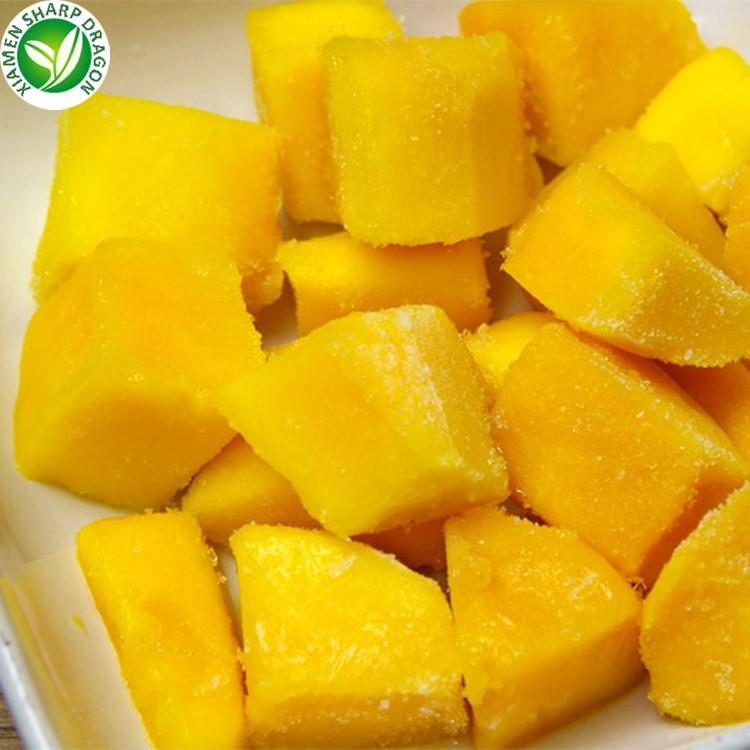
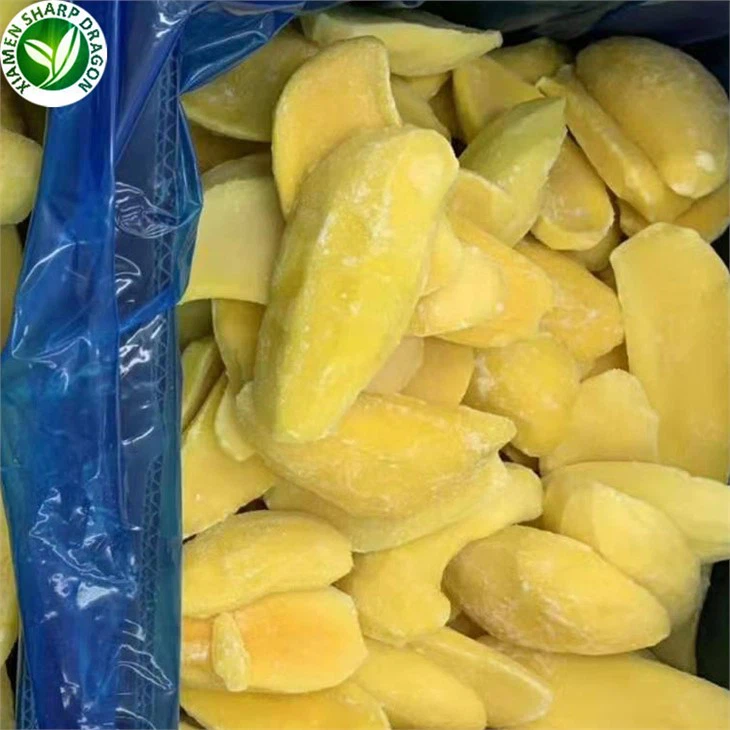
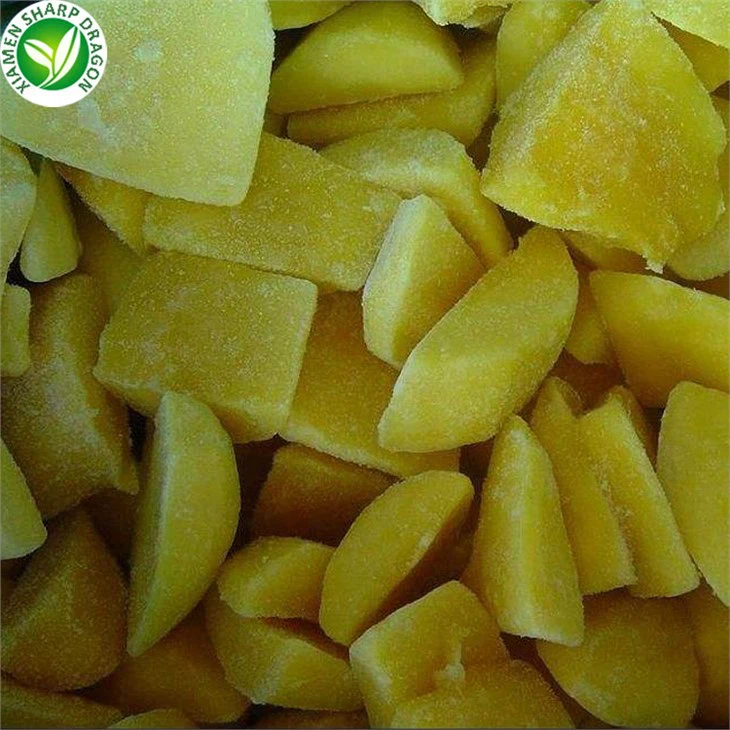
Choose a form for the serving occasion. Frozen mango cubes can keep portions visible in bowls and cups, while IQF mango slices may suit a different presentation. Neither cut creates extra nutrition merely through geometry.

Dried, Juiced and Sweetened Forms Change the Question
Dried mango can be convenient and shelf stable, but water removal increases nutrient and sugar concentration per 100 grams. A realistic dried serving is usually smaller than a fresh-fruit serving. Compare equal real servings and ingredient lists rather than assuming equal weights are equivalent.
Juice and nectar make drinking easy, which can change portion visibility. Puree retains more fruit material than a clarified juice but still behaves differently from chewable pieces. A sweetened preparation adds another question: how much of the serving is fruit, and how much comes from added sweeteners or carriers?
The right conclusion may be "this product provides mango flavor and some fruit," not "this is equivalent to a bowl of plain mango." Honest form descriptions help consumers, menu teams and private-label reviewers make the same comparison without hiding behind a fruit image.
Practical example: A retailer compares a 30-gram dried mango pouch, a 100-gram frozen cup and a 250-milliliter nectar. The team records edible fruit amount, ingredient list, total and added sugars, energy and the declared serving instead of ranking the front photographs. The outcome may favor different products for hiking, breakfast service and beverage use. A single "mango benefits" badge would hide those different jobs and could imply an equivalence that the servings do not support.
Safety and Tolerance Are Part of the Benefit Decision
A nutritious food is useful only when the product is suitable and handled safely. Check sound condition, declared ingredients, allergen or cross-contact information where relevant, storage, preparation and serving texture. Mango allergy can occur, and the peel or sap may create separate contact concerns for susceptible people.
Discard or hold product under the applicable food-safety plan when packaging is damaged, temperature history is unacceptable, traceability is lost, or the fruit shows spoilage. A nutrition statement cannot rescue a lot that fails safety or quality release.
For children or anyone with chewing or swallowing difficulty, choose a form and size appropriate to the person and care plan. Hard-frozen chunks are a different texture from thawed dice or puree. "Fruit" is not a complete preparation instruction.

Turn Broad Benefits into Verifiable Menu Statements
A menu can say what it serves: "120 grams of plain mango pieces," "mango and yogurt cup," or "sweetened mango sauce." These descriptions let the reader understand form and portion. Words such as detox, immunity booster, anti-inflammatory cure or fat burner carry claims that a normal serving description does not substantiate.
If a nutrient claim is proposed, write the exact phrase and intended market before approval. Link it to the serving, laboratory or database basis, formulation version and rounding rules. Recheck after recipe, supplier or serving changes. A valid statement for one mango cup may not survive a smaller fruit dose in another product.
Keep a simple evidence packet: final recipe, ingredient specifications, serving calculation, relevant analytical records, artwork, references, approval date and change-control owner. That packet is more defensible than a screenshot of an online benefits list.
A Buyer Still Needs Product and Facility Evidence
Nutrition fit does not finish a commercial approval. Confirm seller and producing-facility roles, current certification scope, product specification, ingredient statement, food-safety criteria, lot coding, cold-chain responsibility, pack and destination documents. Use XMSD's food-processing facility information as a starting point, then request current order-specific evidence.
Packaging protects the product condition that supports the declared serving. Review the frozen packaging route, then define inner material, net weight, seal, code, carton, pallet and storage. A bag that loses its seal or allows severe clumping weakens portion consistency even if the fruit itself remains nutritionally suitable.
Ask for a representative sample tied to the proposed route. Evaluate it in the actual serving or recipe, under the intended temperature and hold. Record fruit identity, ingredients, appearance, aroma, flavor, texture, usable portion and any liquid release. Approve what the operation can reproduce.
Keep the commercial decision separate from the consumer benefit statement. A lot can satisfy the nutrition basis yet fail on traceability or cold-chain condition. Another lot can arrive in excellent condition while the proposed wording remains unsupported. Both gates must pass, and each gate needs its own record and owner.

How XMSD Reviews a Mango Benefit Statement
In our nutrition-data reviews, we first name the exact product: plain fruit, IQF pieces, puree, dried fruit or sweetened preparation. We place the proposed serving, ingredient list and source data beside the wording. If the food form or basis changes, we narrow the statement instead of borrowing authority from a different product.
Representative scenario 1 - public-meal fruit choice: A school menu planner wants a colorful fruit option for two weekly breakfasts. The planner compares 100-gram servings of plain mango and sweetened mango preparation, checks the complete ingredient and nutrient data, and selects plain pieces because they meet the fruit and menu target without a wellness claim.
In our frozen-mango serving reviews, we make a separate quality judgment. We check cut distribution, separation, color, aroma, sound condition, thaw method, liquid release and portion appearance. These observations decide whether the buyer can deliver the named fruit serving consistently; they do not manufacture a new health effect.
Representative scenario 2 - private-label claim approval: A yogurt brand proposes "vitamin-rich mango breakfast" for a cup containing 18 grams of sweetened mango preparation. The reviewer requests the final recipe, serving analysis and market rule, then replaces the broad phrase with an accurate ingredient description when the proposed nutrient wording lacks product-specific support.

A Six-Question Mango Benefit Check
Before repeating a mango benefit, answer six questions. What exact mango food is involved? What edible serving is used? Which contribution is measured? Does the source match the form and preparation? What changes in a sweetened or mixed recipe? What action follows for the eater, menu or product reviewer?
A good answer will often be modest: the serving contributes fruit, a verified amount of a nutrient, natural color, flavor and eating variety. The same answer can still be commercially useful because it sets a checkable specification, label basis and menu description.
A weak answer usually skips the product. It talks about mango in the abstract while the actual item is a drink, confection, supplement or sweetened preparation. Bring the question back to food identity and the complete serving.
Final Thoughts
Mango fruit offers real value as fruit: nutrients, water, plant structure, color, aroma, flavor and meal variety. The strength of any more specific benefit depends on the edible amount, form, complete formula, evidence and the person or application.
Use plain fresh or frozen mango as the clearest starting point, compare dried, juiced and sweetened forms on their real serving basis, and keep medical outcomes outside ordinary food claims. For commercial programs, verify the final product rather than approving a reputation.
The benefit question becomes easier when every sentence names its object. "Mango supplies fruit and vitamin C in this measured plain serving" is testable. A universal benefit promise is not. That discipline also makes updates easier: when a portion, recipe, supplier or analytical result changes, the team can see exactly which statement needs another review and which general food description remains accurate.
If you are assessing a frozen mango program, send XMSD your market, form, serving, intended use, pack and proposed wording. We will review which product and documentation questions need to be resolved before a sample or quotation.
References
- USDA SNAP-Ed. Seasonal Produce Guide: Mangos. USDA mango guide.
- National Institutes of Health, Office of Dietary Supplements. Vitamin C: Fact Sheet for Health Professionals. NIH ODS fact sheet.
- U.S. Department of Health and Human Services and U.S. Department of Agriculture. Dietary Guidelines for Americans. Dietary Guidelines PDF.
- U.S. Food and Drug Administration. Added Sugars on the Nutrition Facts Label. FDA guidance.
- U.S. Food and Drug Administration. 7 Tips for Cleaning Fruits and Vegetables. FDA produce guidance.
- National Institute of Diabetes and Digestive and Kidney Diseases. Healthy Eating and Physical Activity for Life. NIDDK guidance.