


Should You Eat Broccoli? A Meal-Fit and Frozen Product Decision Guide
Jun 20, 2019

Yes, broccoli can be a useful vegetable in a balanced meal, but nobody has to eat broccoli specifically to have a sound diet. The stronger question is whether the form, flavor, texture, preparation and cost fit the person or product you are feeding. A vegetable that is repeatedly left on the plate, causes avoidable discomfort, arrives in the wrong cut or turns watery in the final recipe is not succeeding merely because its name carries a healthy reputation.
Broccoli contributes fiber and several micronutrients, while its glucosinolates and related compounds are actively studied. That composition supports including it among varied foods; it does not prove that broccoli detoxifies the liver, protects heart cells, reverses aging or prevents cancer. Current human evidence does not justify turning one vegetable into a cure or a requirement. If broccoli is enjoyable and tolerated, prepare it in a way that people will actually eat. If it is consistently rejected or conflicts with an individual medical plan, choose another suitable vegetable rather than forcing an exaggerated health story.
For foodservice, prepared meals and retail, the decision becomes measurable. Define the meal job, cooked texture, visible floret size, usable yield, plate or pack waste, intended use, cooking instructions and evidence needed for the destination. Those records answer "should we use broccoli here?" more reliably than a list of generic benefits.
The short answer: Eat broccoli when it adds a vegetable people accept, fits the meal and can be prepared safely. Swap or change the form when bitterness, texture, digestive tolerance, a prescribed restriction, excessive waste or poor application performance makes it the wrong choice. Broccoli is useful; it is not mandatory.
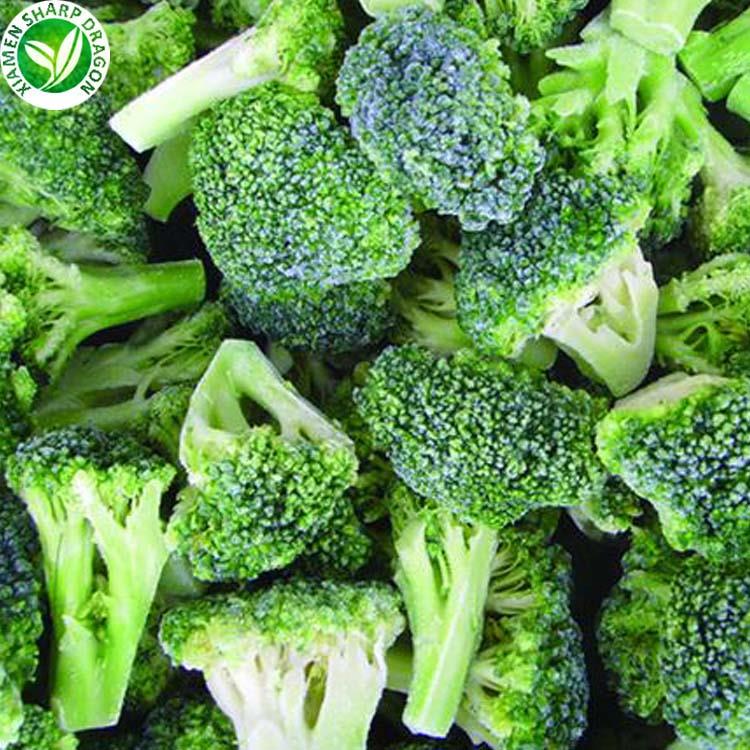
Broccoli Is a Useful Choice, Not a Requirement
Current U.S. dietary guidance emphasizes an overall pattern built from whole, nutrient-dense foods, including vegetables. It does not identify broccoli as a compulsory ingredient. Different vegetables contribute different nutrient profiles, flavors, textures and meal functions. Broccoli may be one dark-green or cruciferous option within that pattern, while cabbage, cauliflower, kale, leafy greens, green beans or another locally available vegetable can help create variety.
This distinction removes two unhelpful extremes. The first is "broccoli is so healthy that everyone should eat it regardless of the meal or response." The second is "if broccoli is imperfect or some nutrients change during cooking, there is no point eating it." A practical food decision sits between them. Broccoli has nutritional value after ordinary preparation, and preparation also determines whether the result is appealing, digestible and safe.
Start with the meal, not the vegetable's reputation. Ask what the vegetable must do: provide a visible side, add small green pieces to a mixed meal, hold texture in a sauce, blend into a soup, or give retail consumers a flexible freezer ingredient. Large intact florets may present well as a side but distribute poorly in a compact tray. Smaller pieces can improve dose distribution in a rice or pasta meal yet look less premium in a clear retail bag. Neither is universally better.
For an individual meal, the same logic is simpler. If you enjoy roasted florets but dislike soft boiled stems, change the method or cut before abandoning the food. If broccoli repeatedly causes symptoms even after the portion and recipe are adjusted, a different vegetable may serve the meal better. The goal is a workable eating pattern, not loyalty to one ingredient.
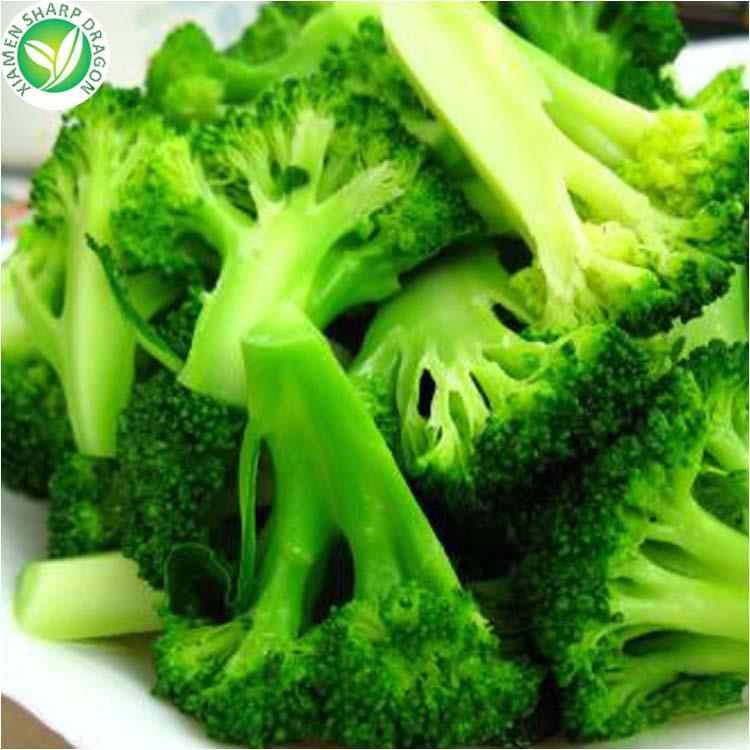
What the Health Evidence Supports-and What It Does Not
Broccoli's nutritional composition is a sound reason to treat it as a useful vegetable. Recognized food-composition records show fiber, vitamin C, vitamin K, folate, carotenoids and minerals in defined raw or prepared forms. The exact number changes with the food description, edible weight, added salt, cooking and draining. Our frozen cooked broccoli nutrition reference gives the 100 g data and serving conversions without turning them into a claim for every SKU.
A nutrient's physiological role is not the same as a promised outcome from a food. Vitamin C participates in collagen formation and normal immune function; vitamin K participates in normal blood clotting. Those facts do not show that a broccoli meal detoxifies an organ, repairs cardiovascular damage or delays skin aging. The ingredient contributes to a larger diet, while health outcomes also reflect other foods, smoking, activity, sleep, medical care, genetics and many other variables.
Cruciferous vegetables also contain glucosinolates that can form biologically active compounds during preparation, chewing and digestion. Laboratory and animal work has identified plausible anticancer mechanisms. The U.S. National Cancer Institute, however, reports that human studies of cruciferous-vegetable intake and several cancers have produced mixed results. That boundary matters: "scientists are studying broccoli compounds" is accurate; "broccoli prevents or treats cancer" is not supported as a commercial or personal promise.
The evidence therefore supports a modest conclusion. Broccoli can contribute to a varied vegetable pattern, and both raw and cooked forms can be foods. It does not have to maximize every nutrient or bioactive compound in one serving to be worth eating. The form that is acceptable and safely prepared may deliver more real value than a theoretically optimal form that goes unused.

The Better Question Is Whether People Will Eat the Result
Serving broccoli and consuming broccoli are different events. Acceptance can change with bitterness, sulfur aroma, stem toughness, floret size, surface moisture, sauce, serving temperature and holding time. A kitchen may blame the ingredient when the real problem is a long steam-table hold; it may blame children or customers when the cut is too large for the dish. Separate the product, preparation and service variables before concluding that "people do not like broccoli."
Use an ordinary application test. Prepare two candidate cuts under the intended batch size and equipment. Record frozen weight, cooked and drained weight, time, temperature program, texture at service, color after the expected hold and weight left uneaten. Keep the recipe and presentation constant when you compare cuts. Comments such as "too soft," "stem too hard," or "pieces too large for the tray" are more actionable than a single score called dislike.
Practical example: A meal tray needs broccoli to heat in the same cycle as rice and a sauce. Large florets keep an attractive crown but remain firm at the stem when the rest of the tray is ready. Smaller florets heat evenly but disappear under the sauce. The useful response is to test a tighter middle size range and define stem length, not to claim that one cut is healthier. The deciding evidence is the full-cycle tray result.
Preference can also improve through familiarity and preparation without coercion. Offer a small, recognizable serving in a meal where the flavor fits; avoid turning one rejected exposure into a permanent verdict. At the same time, respect a consistent refusal. A vegetable program succeeds through overall variety and actual consumption, not through hiding enough broccoli in every dish to satisfy an internal target.
Choose the Broccoli Form by the Job in the Meal
Broccoli form is a functional specification. Fresh heads, trimmed florets, frozen florets, cuts, chopped broccoli and puree do not behave the same. The current XMSD frozen broccoli product range presents common floret-size directions such as 2–4 cm, 3–5 cm and 4–6 cm for discussion. Use the application trial to approve the exact floret range and stem limit; the page is not an automatic order specification.
| Broccoli form | Useful meal job | Failure signal to test | Deciding evidence |
|---|---|---|---|
| Large florets | Visible side dish or premium presentation | Uneven stem tenderness or poor tray fit | Size distribution and cooked texture trial |
| Medium florets | Mixed meals, stir-fries and general foodservice | Crowding, water release or inconsistent dosing | Batch cook, drain and portion record |
| Small cuts or chopped | Soups, fillings, sauces and compact trays | Loose buds, color loss or an indistinct finished appearance | Finished-recipe distribution and yield |
| Puree | Smooth soup, sauce or texture-modified food | Watery body, color change or poor flavor balance | Viscosity, flavor and hold test in the final formula |
Stem is not automatically waste. Tender stem can provide useful structure, while an excessive, fibrous or poorly trimmed stem can reduce acceptance. Define the allowed stem length or stem-to-crown balance that suits your use. A puree line can accept pieces that a retail floret bag cannot; a plated side may value intact crowns more than a soup does. The specification should reflect that difference instead of copying one visual standard across every channel.
Fresh and frozen formats also solve different operational problems. Fresh may suit a kitchen that values whole-head presentation and has trimming labor, rapid turnover and dependable local supply. Frozen pre-cut broccoli can reduce preparation steps, make dosing easier and hold inventory beyond the fresh harvest window. That is an availability and process decision, not proof that every frozen product is nutritionally or physically identical to every fresh one.

Preparation Should Produce a Repeatable Eating Result
There is no single preparation that wins every objective. Steaming can produce a clean side; roasting can add browned flavor; stir-frying can integrate broccoli into a mixed dish; boiling may suit a soup or puree when the liquid remains in the recipe. The XMSD guide to the best way to cook frozen broccoli compares methods by intended texture. Use the method as a test direction, then validate it with your actual equipment, load and product.
A short method is not automatically better if the center remains underheated or the stem is unpleasantly firm. A longer method is not automatically safer or healthier if it creates a waterlogged dish that is rejected. Record starting state, batch weight, equipment setting, time, any added water, drain method and holding period. Those details make a result repeatable and explain why a sample that worked in a small pan failed in a full production load.
Control surface moisture before applying a thick sauce or moving the product into a meal tray. Excess free water can dilute seasoning, thin a sauce and create ice or purge in a reheated meal. If the formula needs moisture, capture it intentionally rather than accepting uncontrolled drain variation. If the product must hold on a buffet, test texture and color at the end of the planned hold, not only when it first leaves the steamer.
The final recipe also controls the nutrition and allergen profile. Plain broccoli is not the same food as broccoli in cheese sauce, breaded broccoli or a stir-fry made with a high-sodium sauce. Evaluate the complete ingredient statement and finished serving. Do not transfer a health description for plain florets to a formulated product without accounting for every added ingredient and the destination's label rules.

Safety and Individual Restrictions Can Change the Answer
Commercial frozen broccoli is commonly washed, cut, blanched and quick frozen, but blanching does not establish that every pack is ready to eat. The FDA Food Code notes that frozen vegetables often carry cooking instructions and may be intended for use only after cooking. Freezing stops bacterial growth under proper frozen storage but does not kill most bacteria. Follow the exact package directions and intended-use statement rather than tasting the product from frozen or using it uncooked in a salad because it looks clean.
Raw fresh broccoli has a different handling path. Wash produce under running water and protect it from cross-contamination. In a commercial kitchen, the hazard analysis should identify whether the product is raw, washed for ready-to-eat service, or scheduled for a validated cooking step. Do not let the attractive green color act as a safety control.
Digestive tolerance also matters. NIDDK identifies cruciferous vegetables such as broccoli among foods that can increase gas for some people. Test whether the issue follows raw versus cooked form, the full recipe and the amount, rather than assuming the ingredient is toxic. Persistent or severe symptoms deserve clinical evaluation; a general ingredient guide cannot diagnose irritable bowel syndrome, allergy or another condition.
A medicine or prescribed diet can replace the general rule. Broccoli provides vitamin K, so a person taking warfarin should keep vitamin K intake consistent and coordinate major changes with the clinician managing treatment. A known food allergy, swallowing plan, kidney-related diet or other medical restriction requires individual advice. In these cases, the correct answer may be a controlled preparation, a stable pattern or a different vegetable-not a universal yes or no.
Decision boundary: Enjoyment and mild tolerance questions can be tested through preparation and recipe changes. Suspected severe allergy, medicine management, significant swallowing difficulty or a prescribed medical diet requires qualified clinical guidance. Product safety requires the producer's intended use and cooking instructions.
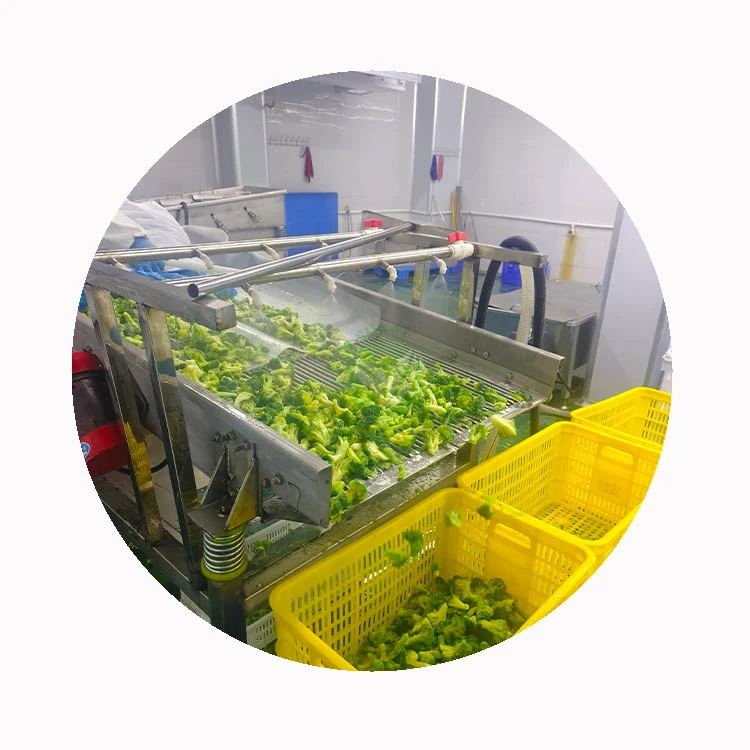
Count What Is Eaten, Not Merely What Is Served
A menu can meet its written vegetable target while delivering less eaten food than planned. Cook-and-drain loss changes the quantity available for service, and plate waste changes the quantity consumed. Track both. A high rejection rate is not only a nutrition issue; it raises purchasing, labor, energy and disposal cost while hiding whether the portion, recipe or product form caused the problem.
Worked example: A program wants 1,000 meals to deliver an average 85 g of eaten broccoli, or 85 kg total. If measured plate waste is 12%, it must serve 85 kg ÷ (1 − 0.12) = 96.59 kg cooked broccoli. If the cook-and-drain yield from frozen input is 92%, required frozen input is 96.59 kg ÷ 0.92 = 104.99 kg. At 20% plate waste, required input rises to 85 ÷ 0.80 ÷ 0.92 = 115.49 kg. Improving acceptance from 20% to 12% waste saves about 10.50 kg input per 1,000 meals at the same eaten target.
The example is hypothetical, not an assumed yield for every broccoli lot. Establish your values with a controlled test: same frozen weight, method, drain time, served weight and waste-measurement rule. Separate unavoidable process loss from uneaten edible food. If stems are removed before serving, classify them consistently; if the entire vegetable enters a puree, a floret appearance defect may not create the same loss.
The XMSD foodservice and catering workflow is relevant when you convert this test into repeat purchasing. Provide batch size, equipment, target cooked result, service hold, weekly use and pack-opening pattern. A specification built around real kitchen conditions is more useful than a brochure promise that frozen broccoli reduces waste.
Buy Frozen Broccoli on Usable Performance
Invoice price per delivered kilogram is incomplete. Define which pieces are usable in the intended product and measure the result after the agreed handling. Broken crowns, loose buds, excessive fibrous stem, yellow pieces, severe dehydration, heavy clumping or abnormal odor may affect usability differently across applications. A soup can accept smaller pieces that a visible side dish rejects. Keep defect definitions tied to the product job.
Worked example: Candidate A costs a hypothetical $1.85 per delivered kilogram and gives 94% usable yield, so its effective cost is $1.85 ÷ 0.94 = $1.97 per usable kilogram. Candidate B costs $1.78 per delivered kilogram but gives 88% usable yield, so its effective cost is $1.78 ÷ 0.88 = $2.02 per usable kilogram. The lower invoice price is about $0.05 more expensive per usable kilogram before any extra sorting labor. Repeat the comparison with representative samples and your written reject rules.
USDA frozen broccoli grade standards give useful quality language around style, varietal characteristics, flavor and odor, grit, brightness, bud development and classified defects. Codex CXS 320-2015 provides an international standard framework for quick-frozen vegetables and product annexes. These standards can inform a specification, but they do not replace the destination law, contract or application-specific criteria. State the exact standard and grade only when it is truly part of the agreement.
Packaging belongs in the usable-cost calculation. A damaged liner, poor seal or impractical inner-bag size can increase exposure, dehydration, handling loss and traceability problems after opening. Match the pack to use rate and freezer handling. The XMSD overview of frozen-food packaging options provides a commercial starting point; the final liner, carton, net weight, marks and opening pattern need project approval.
Three Different Uses Need Three Different Acceptance Decisions
Institutional and high-volume foodservice
If you manage a school, hospital, catering or central-kitchen menu, begin with eaten outcome and service reality. Test the cut under the actual batch load and hold time. Record cooked yield, portion accuracy, texture at the end of service and plate waste by meal. A bright sample prepared in a small test steamer is not enough if a production batch becomes soft or cold before service. Retain broccoli when acceptance and repeatability support it, not because one vegetable has to stay on the menu.
Prepared-meal and food-manufacturing applications
If you formulate a frozen tray, soup, sauce or mixed vegetable, make the broccoli survive the complete process. Evaluate distribution during filling, breakage, water release, color, flavor and texture after final heating. Match the cut to other ingredients so one component does not overcook while another remains firm. Approve nutrition and allergen information for the finished formula, not for plain broccoli alone. If the broccoli format changes, repeat both process and label review.
Retail, private-label and import programs
If you approve a visible retail pack, make appearance and consumer instructions central. Define floret range, stem presentation, broken pieces, loose buds, frost and free-flowing condition. Check ingredient declaration, cooking instructions, intended use, nutrition basis, traceability marks, pack integrity and destination language. For repeat imports, compare approved sample, production sample and arrival condition. A bag may photograph well yet fail when the size distribution, inner seal or cooking result drifts.
Across all three uses, keep health communication restrained. "Contains broccoli" is a product identity. A nutrient amount needs matching data and serving basis. A regulated nutrition claim needs the relevant destination rule and support. A disease-prevention, detoxification or organ-protection promise goes far beyond the product evidence. The most credible message is often the practical one: defined vegetable form, clear preparation, transparent label and repeatable eating quality.

A Decision You Can Defend
You should eat broccoli if you enjoy it, tolerate it and can fit it into a varied, safely prepared meal. You do not need to eat broccoli to prove that a diet is healthy, and you should not expect it to detoxify organs, treat disease or compensate for an otherwise poor eating pattern. Change the cut, method or recipe when those variables cause the rejection. Choose another vegetable when broccoli remains a poor fit or conflicts with a medical plan.
For a commercial product, defend the decision with the meal job, actual cooked result, consumption or application acceptance, usable yield, intended use, pack, label and lot evidence. These records explain why broccoli belongs in a menu or formula-and provide an objective reason to swap it when it does not.
XMSD sourcing note: Send us the meal application, floret range, stem preference, cooking test, usable-yield rule, pack format, intended use and destination. We can review which frozen broccoli sample and specification fit the actual product job.
References
- USDA Food and Nutrition Administration: Dietary Guidelines for Americans, 2025–2030
- USDA FoodData Central: broccoli food-composition records
- NIH Office of Dietary Supplements: Vitamin C Fact Sheet for Consumers
- U.S. National Cancer Institute: Cruciferous Vegetables and Cancer Prevention
- NIDDK: Eating, Diet and Nutrition for Gas in the Digestive Tract
- NIH Office of Dietary Supplements: Vitamin K Fact Sheet for Consumers
- U.S. FDA: Are You Storing Food Safely?
- U.S. FDA: Selecting and Serving Produce Safely
- U.S. FDA: Food Code 2022
- USDA Agricultural Marketing Service: Frozen Broccoli Grades and Standards
- Codex Alimentarius CXS 320-2015: Standard for Quick Frozen Vegetables
- XMSD operational experience in frozen broccoli application trials, usable-yield review, packaging and specification coordination.