


Should I Eat Broccoli Every Day? Build a Routine That Lasts
Oct 18, 2019

Yes-most adults can eat broccoli every day if the portion is comfortable, the finished dish still leaves room for other foods, and any medicine-related advice is respected. The useful question is not whether broccoli earns a permanent place on a good-food list. It is whether your daily version is eaten willingly, digested comfortably, prepared without turning it into a heavy dish, and rotated with enough other vegetables to keep the overall pattern broad.
A daily habit should make meals easier, not narrower. Broccoli contributes vegetables and useful nutrients, while the meal around it supplies energy, protein, fats, grains or other carbohydrate sources, and different plant foods. If the same large bowl replaces everything else, the habit has failed even though the ingredient itself remains nutritious. If a modest serving improves the plate and survives real schedules, it is a sensible routine.
The daily-use test: keep broccoli when you enjoy the meal, tolerate it, and still eat a varied diet. Change the amount, cooking method, or frequency when the routine causes discomfort, waste, boredom, or an unbalanced plate.

Treat "Every Day" as a Repeatable Meal Decision
Daily eating is a pattern question. One serving at lunch for five workdays, a small side at dinner seven nights, and broccoli in a mixed ready meal are different exposures. They differ in quantity, cooking, ingredients, and what they displace. Before deciding, describe the habit in those terms. A calendar alone cannot tell you whether it is useful.
Start with the role. Is broccoli the main vegetable, one component of a mixed dish, a replacement for a richer side, or simply an easy freezer standby? A replacement can improve the meal when it reduces reliance on a less useful alternative. An addition can increase food and energy without solving anything. That distinction matters more than the word daily.
Then observe the actual eaten amount rather than the amount served. A large plate that is repeatedly left behind is not a successful vegetable habit. Smaller portions that are finished can provide more dependable intake across a week. In foodservice, the same point appears as plate waste; at home, it appears as containers of cooked broccoli that no one wants to reheat.
Use a two-week routine audit
For fourteen days, note the rough serving, cooking method, meal context, comfort two to four hours later, and how much remained. You do not need a medical-grade diary. A short record reveals whether the difficulty comes from portion, undercooking, a rich sauce, repeated flavor, or the vegetable itself. Change one factor for the next few meals instead of banning broccoli after a single poor experience.
What Broccoli Adds-and What It Cannot Do Alone
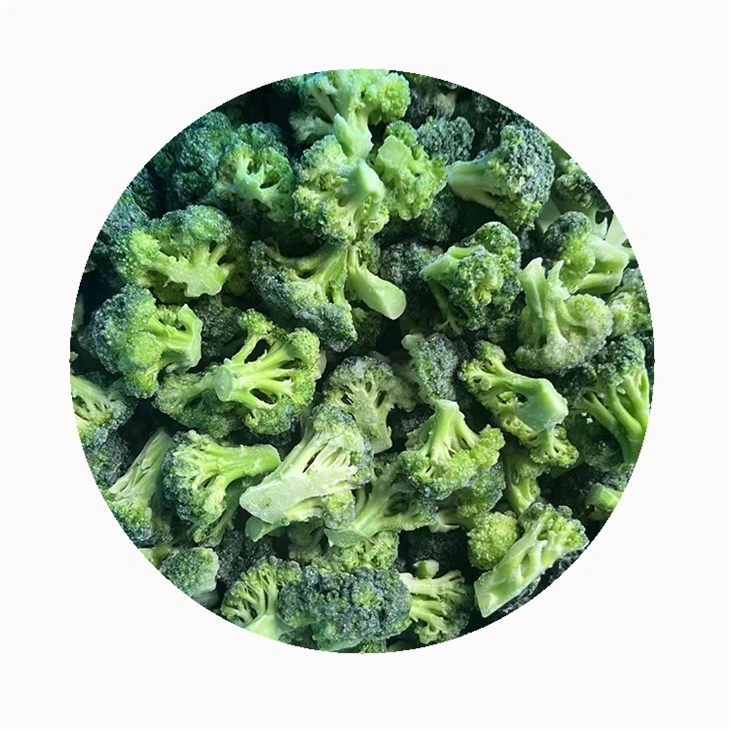
Broccoli is a dark-green vegetable that supplies fiber and micronutrients, including vitamin C, vitamin K, and folate, in a food matrix with substantial water. Those features can contribute to a healthy dietary pattern. They do not make one serving a treatment, and they do not predict a dramatic day-by-day change in immunity, body weight, or disease risk. Composition is the starting evidence; the whole pattern determines the practical outcome.
The physiological roles of nutrients are real but specific. Vitamin C participates in normal collagen formation and antioxidant protection. Vitamin K is involved in clotting and bone-related proteins. Folate supports normal cell division, while fiber changes stool bulk and fermentation. Saying broccoli contains these nutrients is defensible. Saying daily broccoli alone prevents a named illness jumps beyond what the food-composition fact establishes.
A better reason to repeat broccoli is ordinary: it gives a recognizable vegetable component to meals that might otherwise contain little produce. That advantage is strongest when the routine is convenient and the preparation is restrained. It weakens when the broccoli arrives under a thick cheese sauce, is deep-fried, or becomes the token green item beside an otherwise unchanged oversized meal.
If you want the broader nutritional context, the XMSD guide on broccoli in a healthy diet separates the food's composition from health promises. Use that distinction when evaluating any daily-food claim.

Portion Comfort Comes Before a Fixed Number
There is no universal broccoli-only daily quota for every adult. Government food-pattern guidance usually sets an amount for the vegetable group, not a mandatory weight of one vegetable. USDA's cup-equivalent table treats a cup filled with fresh or frozen broccoli pieces as one vegetable-group cup. That is a counting convention inside a broader plan, not an instruction that everyone must eat exactly that quantity of broccoli each day.
For routine building, choose a starting amount you can finish comfortably and measure it once in grams after cooking. The measurement gives you a repeatable reference. It does not need to become a lifelong limit. Appetite, body size, meal composition, activity, digestive tolerance, and the rest of the day's vegetables all change what fits.
A practical progression is small, steady, then varied. Begin with a modest side. If it sits well and supports the meal, keep it for several days. If you want more vegetables, add a different color or type before simply doubling broccoli. Variety protects the meal from becoming dependent on one texture and one nutrient profile.
| Routine signal | What it usually means | Useful adjustment |
|---|---|---|
| Serving is finished and comfort is normal | The current amount and cook are workable | Keep the amount; vary seasoning or companion vegetables |
| Frequent gas or pressure after the meal | The jump in portion or fiber may be too abrupt | Reduce the serving, cook more thoroughly, and retest |
| Broccoli remains on the plate | Texture, flavor, or repetition is limiting actual intake | Change cut, doneness, sauce placement, or weekly frequency |
| Other vegetables disappear from the menu | Convenience has become dietary narrowing | Schedule a simple rotation rather than enlarging broccoli |
Practical example: Take an office worker who adds 70 g of cooked broccoli to a rice-and-chicken lunch. The portion is eaten, digestion is comfortable, and the worker alternates carrots and peppers at dinner. The correct action is to keep the 70 g lunch habit, not raise it simply because broccoli is healthy. The result is a dependable vegetable serving without crowding out other foods.

Digestive Tolerance Is Adjustable
Cruciferous vegetables can increase gas for some people because certain carbohydrates reach the large intestine and are fermented by bacteria. Fiber also adds bulk. This response is not proof that broccoli is harmful, and it does not occur equally in everyone. Portion size, the speed of an increase, cooking, the rest of the meal, and a person's diagnosed digestive condition can all change the experience.
When symptoms are mild, first reduce the amount and cook the broccoli until tender without making it waterlogged. Eat it as part of a normal meal rather than testing a large bowl alone. Keep the rest of the meal stable for two or three trials. If comfort improves, the routine can continue at the lower amount. If symptoms persist or are severe, seek qualified advice rather than using repeated self-experiments to explain pain.
The failure signal we watch is not one report of gas. It is a repeatable link between a defined portion and an unwanted outcome. Without the portion and preparation record, people often blame broccoli for a meal that also contained beans, sugar alcohols, large amounts of fat, or several new high-fiber foods. A narrow retest produces a clearer answer.
Texture can influence tolerance indirectly because it changes eating speed and the quantity people accept. Very firm stems may be swallowed in larger pieces, while over-soft florets can encourage an unexpectedly large serving because they collapse in volume. Neither observation establishes a digestive rule for everyone. It does show why a meaningful diary should record the cooked form, not merely the ingredient name. If the same weight feels different under two cooking methods, keep the version that is comfortable and still appealing.
Households also need to separate adaptation from escalation. Someone who recently increased vegetables may notice temporary changes in gas or stool pattern, but that is not a reason to double the portion in pursuit of faster adaptation. Hold the amount steady long enough to observe it. If a smaller amount works, a successful routine already exists. More broccoli is not automatically a better result, especially when the added quantity makes the meal less enjoyable or pushes out other foods.
The XMSD explanation of broccoli's role in meals is most useful when read as part of this whole-diet decision, not as a reason to ignore individual tolerance.
Cooking Method Changes the Daily Experience
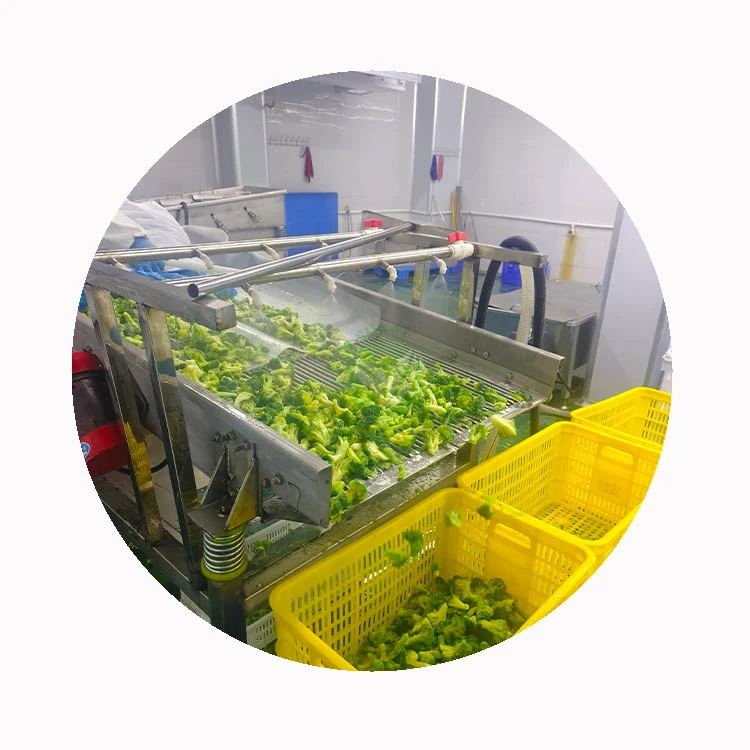
Raw florets, crisp-steamed broccoli, soft boiled pieces, roasted broccoli, soup, and a creamy casserole are not interchangeable. Raw and lightly cooked pieces may feel firmer and require more chewing. Longer cooking softens cell structure but can also create water loss, dull color, and strong odors. Added oils, cheese, cream, or sugary sauces change the finished dish even though broccoli remains the named ingredient.
For a routine, repeat the method that produces the best balance of texture, flavor, and effort. Steaming, microwave cooking with limited water, stir-frying, or adding frozen pieces directly to a hot dish can all work when the final texture is controlled. The objective is not to chase one supposedly perfect method. It is to make a vegetable people actually eat without routinely burying it under calorie-dense additions.
Frozen broccoli can support that consistency because portions can be taken from the pack and the rest returned promptly to frozen storage. It is usually blanched before freezing, so time and texture should be judged from the frozen product rather than copied from a raw-broccoli recipe. Our separate guide on freezing and broccoli nutrients explains why blanket all-nutrients-retained claims are not appropriate.
From our frozen-food perspective, the daily-use variable many people overlook is piece balance. A pack dominated by tiny crown fragments cooks faster and releases more fine material than a pack of intact florets with short stems. In a repeated meal, that difference determines whether texture remains recognizable after heating. We would inspect the product form before blaming frozen broccoli as a category.

Build Variety Around the Habit, Not Against It
Eating broccoli daily does not require eating only broccoli. Keep the convenient anchor and rotate the rest of the plate: orange vegetables, legumes, leafy greens, mushrooms, peppers, tomatoes, whole grains, and different protein foods. Variety is not a demand for a complicated menu every day. It is a way to prevent one convenient choice from becoming the entire pattern.
A simple rotation can operate at two levels. Change the companion vegetable every day while broccoli stays constant, or change broccoli's role across the week-side dish, soup component, stir-fry addition, mixed vegetable filling, then a day without it. Either approach widens flavors and textures. The best system is the one the household or kitchen can execute without excess waste.
Rotation also protects the purchasing decision. When one vegetable carries every meal, a small quality variation becomes a major menu problem. A kitchen with two or three compatible frozen vegetables can redirect a dish when one pack produces more fragments, a softer bite, or a different color than expected. That flexibility is not a nutrition claim; it is practical resilience. It also gives the cook a fairer basis for judging whether a defect belongs to one lot, one heating method, or the menu design itself.
At home, use the same logic on a smaller scale. Keep one easy broccoli method, one mixed-vegetable method, and one non-broccoli option that requires no extra shopping. If the household tires of the familiar side, switch the role instead of forcing it. A daily ingredient only contributes when it is eaten. Variety can therefore support consistency rather than compete with it.
Practical example: Suppose a foodservice kitchen serves a 90 g vegetable side at 150 lunches. A broccoli-only side leaves 18% plate waste after three services, while a 45 g broccoli and 45 g carrot mix leaves 7%. The kitchen keeps the total serving at 90 g, adopts the mix, and alternates another vegetable later in the week. The operational result is better actual consumption and lower discard without claiming that the blend is medically superior.
For this kind of repeated service, we compare three things: frozen piece size, water release during the kitchen's real holding time, and the share left uneaten. A product that looks attractive straight from the pan can still fail after twenty minutes on a line. That hold test is a different XMSD experience point from the earlier pack-fragment judgment; it concerns application performance, not appearance in the bag.

Safety and Medicine-Related Exceptions
Most daily-eating decisions are about preference and tolerance, but a few exceptions need a clear boundary. Broccoli is a vitamin K source. The NIH Office of Dietary Supplements advises people taking warfarin or similar anticoagulants to keep vitamin K intake reasonably consistent because sudden changes can affect the medicine's action. Do not start or stop a large daily broccoli habit without following the clinician's plan.
Food allergy is uncommon but possible. Stop eating and seek appropriate help for symptoms such as trouble breathing, swelling, or a severe systemic reaction. Persistent abdominal pain, significant bowel changes, or symptoms that continue after portion and preparation adjustments also deserve professional assessment. The routine audit is useful for mild food-pattern decisions; it is not a substitute for diagnosis.
Frozen-product safety starts with an intact pack, label instructions, and continuous frozen storage. Freezer burn and color fading usually describe quality loss, not a complete safety judgment. A torn bag, signs of thawing and refreezing, contamination, or uncertain holding history require a different assessment. Cook according to the product directions and the needs of the finished dish.
For a commercial kitchen, the release check should distinguish incoming condition from service performance. Note bag integrity, frozen clumping, excess loose ice, color, odor after cooking, and the time-temperature record used by the operation. Then assess texture at the actual point of service. Rejecting a sound lot because of an overlong steam-table hold hides the process cause; accepting a compromised pack because the florets still look green ignores the cold-chain question. Each observation needs the correct responsible stage and response.
A Broccoli Routine That Earns Its Place
Keep daily broccoli when it makes meals easier, is eaten rather than discarded, feels comfortable, and coexists with a varied diet. Reduce or change it when the portion is repeatedly too large, the cooking method causes poor texture, rich additions overwhelm the vegetable, or the habit eliminates other useful foods. That is a stronger decision than either a universal yes or a fear-based no. Review the pattern monthly, because season, schedule, appetite and menu context can gradually change a habit that once worked.
For buyers planning a repeat frozen program, judge more than the label. Review intact floret share, stem proportion, fragment level, color, pack condition, cooking loss, and performance at the actual service hold. The current XMSD frozen broccoli page shows the product forms available for a specification discussion, while the broader frozen vegetable range can support menu rotation.
XMSD sourcing note: Send the intended dish, serving weight, cooking method, hold time, preferred floret size, pack format, destination, and sample requirement. We can review the specification and application questions before quotation.
References
- USDA MyPlate: Vegetable Group
- NIH Office of Dietary Supplements: Vitamin K Fact Sheet for Consumers
- NIDDK: Treatment for Gas in the Digestive Tract
- XMSD operational perspective on frozen broccoli piece form, cooking performance, holding, packing, and application review.