


XMSD Broccoli Health Guide: Nutrition, Meals and Product Decisions
May 23, 2019

Yes, plain broccoli can be a healthy part of a varied diet. It contributes vegetables, fiber, vitamin C, vitamin K, folate, carotenoids and other plant compounds while providing relatively little energy on its own. But "healthy for your body" is not a promise that broccoli prevents infection, cleans blood vessels, detoxifies the liver or treats cancer. The useful answer depends on the serving, preparation, complete meal and person.
The short answer: Broccoli earns its place through ordinary food value, not miracle claims. Choose a form people will actually eat, keep the serving and recipe visible, avoid excessive sodium or saturated fat in the complete product, and use the applicable Nutrition Facts or destination-market label for the finished food.

Why Broccoli Can Be a Useful Vegetable
Current U.S. dietary guidance prioritizes whole, nutrient-dense foods, including vegetables, as part of an overall pattern. Broccoli is a dark-green cruciferous vegetable and can help add vegetable variety, visible volume, texture and micronutrients to a meal. That pattern-level role is stronger evidence than a claim that one ingredient produces one clinical outcome.
Broccoli contains dietary fiber, which contributes to the fiber total of a meal, and vitamin C, which has established physiological functions. It also contains vitamin K, folate, potassium, carotenoids and glucosinolates. The exact amounts vary with cultivar, maturity, crown-to-stem ratio, raw or cooked state, blanching, storage, serving and analytical source. Use a named database entry or current product analysis rather than copying one internet table onto every SKU.
A plain broccoli serving is not a complete diet. It does not provide every required nutrient and should not displace all other vegetables, fruits, protein foods, whole grains or other foods appropriate to the individual. Its best role is as one repeatable component in a diverse meal pattern.
Food value is different from treatment
NIH identifies broccoli as a food source of vitamin C, but that does not make a broccoli portion an immune "booster" that prevents colds. Vitamin C is essential; a food can contribute it; and a product still cannot promise to prevent or treat disease without an authorized evidence and regulatory basis. Keep those three statements separate.

What the Main Components Mean-and Do Not Mean
| Component | Why it matters | Claim boundary |
|---|---|---|
| Fiber | Adds to total dietary fiber and meal structure | One serving does not "clean" the intestine or guarantee weight loss |
| Vitamin C | Essential nutrient with established roles; broccoli can contribute it | Do not translate contribution into cold prevention, detox or cancer treatment |
| Vitamin K | Essential nutrient involved in normal blood clotting and bone metabolism | Do not advise medication changes; consistency matters for some warfarin users |
| Glucosinolates | Characteristic cruciferous-vegetable compounds studied for biological effects | Human cancer evidence is mixed and cannot support a cure promise |
| Carotenoids and folate | Contribute to the overall micronutrient profile | Values depend on food state and serving; verify before a content claim |
Use these components to explain what broccoli contributes, then return to the entire diet. A product with broccoli can still be high in sodium, saturated fat or calories because of sauce, cheese, oil, meat or portion size. Conversely, a plain frozen floret does not become unhealthy because it lacks a long list of front-of-pack claims.
NCI explains that broccoli and other cruciferous vegetables contain glucosinolates and related compounds, while also stating that human studies of cruciferous vegetables and cancer have shown mixed results. The inherited article's claims about preventing or treating stomach and breast cancer, cleaning blood vessels and stopping infection therefore do not meet the evidence boundary and have been removed.
Healthy Depends on the Complete Broccoli Product
Plain fresh broccoli, plain IQF florets, broccoli in cheese sauce and a breaded fried broccoli snack are different foods. Read the ingredient statement and nutrient panel. Added salt, sugar, oil, cheese, cream, coating and serving size can change the finished product more than the fresh-versus-frozen label.
Practical example: A 100-gram plain broccoli portion and a 100-gram broccoli-cheese side contain the same named vegetable but not the same formulation. Compare sodium, saturated fat, calories, broccoli percentage and declared serving on the actual labels. If the goal is a vegetable-forward school or hospital side, require a minimum broccoli proportion and a finished-product nutrient target rather than accepting the word "broccoli" as proof.
FDA explains that Nutrition Facts information is product-specific and that serving size must be used when comparing foods. For markets outside the United States, the display and claim rules differ. The same commercial principle still applies: validate the finished recipe under the destination-market system, not the raw ingredient in isolation.
The comparison basis must stay consistent. A value per 100 grams answers a composition question, while a value per declared serving answers what one eating occasion supplies. A raw-database entry, drained cooked sample and finished meal are three different bases. Record whether the weight includes sauce, retained cooking water and stems, and whether the result comes from calculation or laboratory analysis. Otherwise, two correct numbers can appear to contradict each other simply because their denominators differ.
Broccoli percentage also needs a defined point in the process. A recipe may state 20% frozen broccoli at filling, yet the percentage on the served plate can shift when sauce is lost, water is gained or other ingredients change weight during heating. Decide whether the commercial promise concerns input weight, pack weight or served weight. Put that definition in the formulation record and use the same basis in the specification, label review and customer presentation.
For product approval, I would first ask what decision the nutrition number supports. A back-panel declaration, front-of-pack nutrient claim, menu description and internal recipe target can require different evidence and rounding rules. Identify the destination and wording before commissioning analysis. Testing the wrong state or using an unrelated database value creates a polished document that still cannot substantiate the final message.
Fresh, Frozen and Cooked Can All Fit
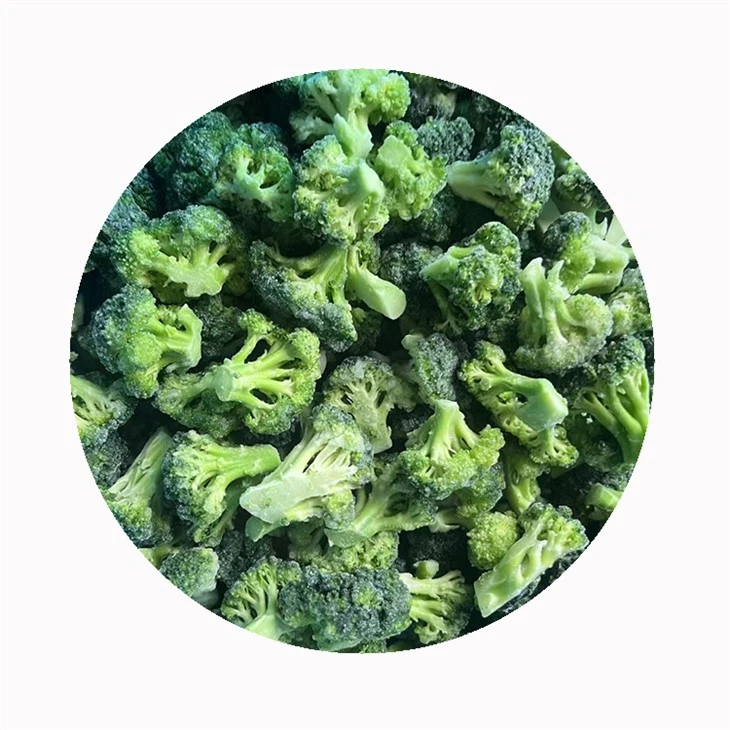
Fresh broccoli suits raw-crunch applications and short supply chains. IQF broccoli can provide ready-to-use portions, year-round availability and less trimming labor for cooked products. Neither form is automatically superior for every nutrient or application. For that comparison, use the separate XMSD explanation of whether frozen broccoli is still healthy, then compare harvest and storage history, edible yield, process, cooking and the portion consumers receive.
The preceding XMSD guide on frozen broccoli nutrient retention separates blanching, freezing, storage and cooking. Its conclusion is intentionally narrower: freezing does not erase nutrients, but retention is compound- and process-specific. Use that evidence instead of saying IQF "locks in everything."
Cooking can make broccoli more palatable and easier to include in a meal, but extended heating and discarded water can reduce heat-sensitive or water-soluble compounds. Cooking also changes texture and yield. Choose the method for the finished dish, use no more time than needed for safety and desired texture, and include consumed sauce or broth in the nutrition calculation.
A Worked Example: From Formula Percentage to Served Vegetable
Worked example: A 400-gram frozen meal is formulated with 20% IQF broccoli at filling input. Each tray receives 400 x 0.20 = 80 grams of frozen broccoli. A 10,000-tray run therefore requires 80 x 10,000 = 800,000 grams, or 800 kilograms, before process allowance.
Suppose the validated cook-and-drain trial gives 92% retained broccoli weight. Served broccoli per tray is 80 x 0.92 = 73.6 grams. Across 10,000 trays, served broccoli is 736 kilograms. If the product promise instead requires 80 grams of cooked broccoli per tray, frozen input must be 80 / 0.92 = 86.96 grams per tray, or about 869.6 kilograms for the run.
The 92% is a hypothetical teaching value, not an XMSD guarantee. Measure your cut, blanch history, sauce, equipment, load, heating and hold. This calculation prevents an ingredient percentage from being mistaken for the vegetable amount actually served and gives procurement a usable quantity target.

Texture and Cut Determine Whether People Eat the Serving
A nutritionally attractive formula fails its practical goal if consumers leave the broccoli uneaten. Oversized florets may heat unevenly; fine pieces may over-soften; excessive stem can change the expected bite; an uncontrolled hold can turn crowns mushy. Match the size distribution to tray depth, equipment, cook time and service.
Completed XMSD ID 33984139 owns the detailed broccoli floret-size and stem-ratio specification. Apply that framework here by linking physical acceptance to the intended healthy meal: define the visual portion, cooked firmness, maximum yellowing, stem ratio, broken material and usable yield.
Sensory acceptance should include the final sauce and hold time. A floret approved after quick steaming may behave differently after a frozen-meal cook and 30-minute service hold. Use representative production lots and repeat the test when a material cut, supplier or blanch setting changes.
Important Individual and Label Boundaries
Vitamin K and warfarin
Broccoli is a vitamin K-containing food. People using warfarin are often advised to keep vitamin K intake consistent and discuss significant dietary changes with their clinician rather than suddenly avoiding all green vegetables. A food company should not give individualized medication instructions; provide accurate product and serving information so clinicians and consumers can make the decision.
Digestive tolerance and allergy
Some people experience gas or bloating after cruciferous vegetables, especially with a sudden large increase. That does not make broccoli unhealthy for everyone. Individual portion, preparation and medical context matter. A suspected allergic reaction, severe persistent symptoms or a clinician-prescribed diet needs qualified guidance, not a universal web answer.
Cook-before-eating status
Frozen does not automatically mean ready to eat. Check the product specification and label. If the ingredient is intended for further cooking, validate that the finished process meets food-safety requirements and communicate preparation clearly. A nutrition benefit cannot compensate for an unsuitable safety status.

How to Approve a Broccoli Product for a Healthy-Meal Program
Begin with the channel: retail side dish, frozen meal, school catering, hospital foodservice, meal kit or ingredient. Then define the served broccoli amount, complete nutrient target, ingredient restrictions, cooking process and acceptable sensory result. A bulk ingredient certificate cannot replace the finished-product calculation.
- Lock the broccoli form, floret distribution, stem ratio and usable-yield method.
- Calculate frozen input and served amount using the real process yield.
- Review the complete ingredient statement, including sauce, seasoning and allergens.
- Calculate or analyze the finished Nutrition Facts under destination rules.
- Run sensory, food-safety, hold and reheat trials with representative lots.
- Approve claim wording only after the formula and evidence are final.
The failure signal is a program described as "healthy" without a measurable served portion, nutrient basis or release test. Convert the desired outcome into numbers the formulation, regulatory, quality and procurement records can share. When a recipe or supplier changes, reopen the affected checks rather than carrying the old claim forward automatically.
Start the trial with a representative broccoli size distribution rather than hand-selecting the best crowns. Weigh frozen input, document surface ice, cook the full tray under the labeled or foodservice method, apply the real hold, then separate and weigh the served vegetable only if the claim depends on it. Repeat across enough trays and lots to see whether the average hides underfilled portions or over-softened pieces. Record the equipment, load pattern, temperatures and times so the result can be reproduced.
The acceptance decision should connect four records. The ingredient specification establishes cut, stem and defect limits. The formula establishes input grams and complete ingredients. The process study establishes retained portion and eating quality. The regulatory file establishes the final nutrient declaration and any claim. If one record uses a different broccoli form, serving or cooking basis, stop and reconcile it before release; the mismatch is more informative than a favorable isolated result.
Approval example: Suppose a meal developer approves the flavor of a broccoli side but several trays show large crowns still firm while fine pieces are very soft. The nutrition calculation may be unchanged, yet the served experience is not controlled and part of the vegetable may be left uneaten. The right action is not to rewrite the health message. Narrow the floret distribution, retest the same cook-and-hold cycle, and approve only when portion weight and texture meet the agreed limits together.
Treat supplier, crop, cut, blanch setting, sauce formula, fill weight, cooking instruction and declared serving as change-control triggers. Not every change requires a new laboratory program, but each requires a documented impact review. Repeat the yield or sensory work when the affected variable can alter the served portion; repeat nutrition substantiation when the composition, processing basis or claim threshold can change. This keeps routine sourcing flexibility from quietly invalidating the evidence behind the product.
What to Send XMSD for a Broccoli Project
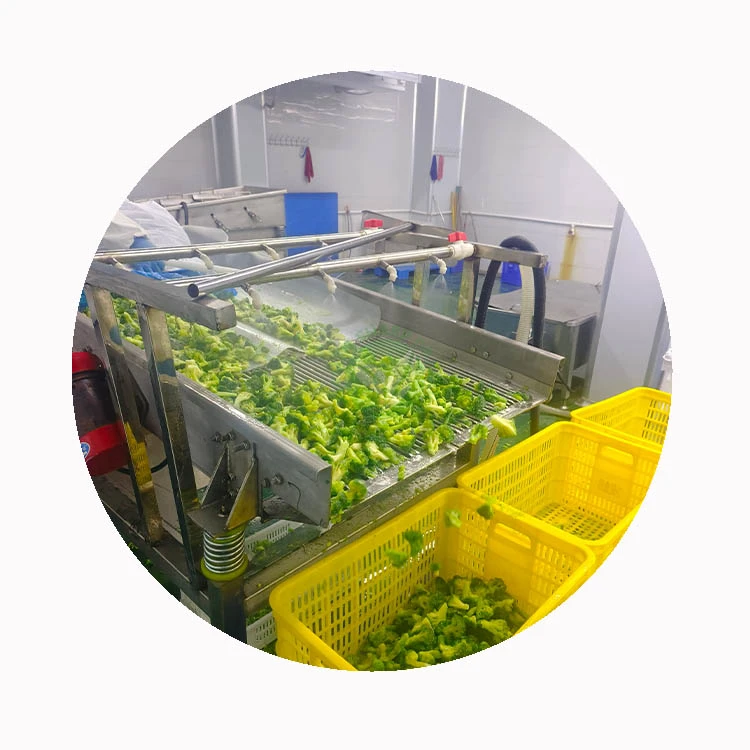
For IQF broccoli, specify application, common or custom floret size, stem ratio, blanch/cook status, defects, pack, volume, destination, storage life, documentation and delivery window. If the project carries a nutrient or "healthy" claim, include the proposed wording, serving and required substantiation.
The current XMSD IQF frozen broccoli page shows common product and pack options. If the formula uses more than broccoli, review the broader XMSD frozen vegetable range against the same serving, cook and label criteria. We coordinate order-specific sourcing and production rather than implying that every partner facility, crop or certificate covers every order.
Send the final application, served portion, cut, pack, annual or campaign volume, destination requirements and intended claims through our inquiry form. XMSD will review the suitable specification and supply route before quotation.

Frequently Asked Questions
1. Is broccoli good for everyone?
It suits many people as a normal vegetable, but personal tolerance, allergy, prescribed diets and medicines can change the answer. Individual medical advice belongs with a qualified professional.
2. Does broccoli boost immunity?
Broccoli contributes nutrients including vitamin C, but "boosts immunity" is vague and should not be used as a disease-prevention promise. Describe the verified nutrient contribution instead.
3. Can broccoli prevent cancer?
No food should be presented as guaranteed cancer prevention or treatment. NCI reports mixed human-study results for cruciferous vegetables. Broccoli can be part of an overall nutritious pattern.
4. Is frozen broccoli healthy?
Plain frozen broccoli remains a useful vegetable. Nutrient retention depends on blanching, storage and cooking, and added sauce or seasoning changes the finished food.
5. Is the stem healthy to eat?
The stem is edible and contributes vegetable material, but a commercial crown-to-stem ratio should match consumer expectations, texture and application. Excess fibrous stem is a quality issue, not proof of toxicity.
6. What is the healthiest way to cook broccoli?
There is no single method for every goal. Use enough heat for safety and desired texture, avoid unnecessary prolonged cooking, and account for oil, salt, sauce and discarded liquid in the whole dish.
7. Can XMSD guarantee one nutrient value for all broccoli?
No universal value should be assumed. Crop, cut, process, storage and serving create variation. Discuss the exact analyte, minimum, method, sample plan and destination claim for your order.
Bottom Line
Broccoli is a nutrient-dense vegetable that can support a varied eating pattern. Its value comes from the food and meal it actually becomes-not promises to detoxify, clean arteries, stop infection or cure cancer. Portion, preparation, recipe and personal context determine the practical answer.
For a commercial project, convert "healthy broccoli" into served grams, complete nutrition, cut and stem specification, cooking performance, safety status, claim evidence and repeat-lot controls. That is a result consumers and buyers can evaluate.