


XMSD Daily Broccoli Guide: Portion, Variety and Product Rotation
May 23, 2019

For many people, eating a normal portion of broccoli every day can fit a healthy diet. There is no general rule that broccoli becomes harmful on day two, five or seven. The better questions are how much you eat, what the complete dish contains, whether broccoli displaces vegetable variety, how your digestion responds and whether a medicine or prescribed diet makes consistency important.
The practical answer: Daily broccoli is not a requirement and is not automatically excessive. Use a repeatable served portion, rotate other vegetable groups through the week, monitor tolerance, keep vitamin K intake consistent if you use warfarin, and judge a prepared broccoli product from its complete label rather than the vegetable name alone.

Every Day Is a Frequency, Not a Portion
The inherited page gave 100 grams as if it were the one daily answer and then attached a bowel-cancer promise to 70 grams. Neither statement is suitable as universal guidance. A frequency tells us how often food appears; it does not tell us the served weight, cooked yield, recipe, total diet or individual response. Ten grams used as garnish and 300 grams eaten as the only vegetable are both "daily broccoli," but they are not the same exposure.
MyPlate treats broccoli as a dark-green vegetable and states that one cup of chopped or floret broccoli, fresh or frozen, counts as one cup from the vegetable group. That is a food-group counting convention, not a command that every person eat one cup of broccoli daily. Vegetable needs vary, and the public guidance emphasizes variety across vegetable subgroups.
Start with the actual portion on the plate. If you are assessing a retail pack, foodservice menu or frozen meal, record frozen input and served grams after the labeled cooking method. If you are answering a consumer question, describe a normal food portion and the rest of the diet rather than presenting one number as a clinical threshold.
Why Variety Still Matters When Broccoli Fits
Broccoli contributes a useful combination of vegetable volume, fiber, vitamin C, vitamin K, folate, carotenoids and characteristic cruciferous compounds. It still does not supply every nutrient or every sensory experience available from vegetables. Dark-green vegetables, red and orange vegetables, beans and peas, starchy vegetables and other vegetables have different profiles and culinary roles.
Variety is not a claim that broccoli must be removed after a fixed number of days. A meal program can keep a small broccoli component while rotating carrots, peppers, cauliflower, green beans, spinach, peas or mixed vegetables elsewhere in the menu. The decision changes when repeat use begins to crowd out other foods, creates menu fatigue or leaves the program dependent on one cut, crop or supply route.
Menu example: A five-day worksite lunch cycle contains broccoli in Monday's mixed vegetables, plain florets on Wednesday and a broccoli rice blend on Friday. Broccoli appears repeatedly, but the cuts, companion vegetables and applications change. Compare that with five identical broccoli-cheese sides. The second menu may create more sensory fatigue and repeated exposure to the same sauce, sodium and allergens even though both cycles use broccoli.
Build rotation around a defined purpose instead of changing color for appearance alone. A red-and-orange vegetable may broaden the nutrient and flavor profile; legumes can change fiber, protein contribution and tolerance; a mixed vegetable can distribute several colors but may complicate portion claims. Record the amount of each vegetable actually served. A menu calendar that lists five different names is not diverse if broccoli remains the overwhelming component in every blend.
Procurement also benefits from rotation. Depending on one broccoli specification every day concentrates crop, processing and logistics risk. Approved alternatives can provide flexibility, but they are not automatic substitutes: carrots, green beans and cauliflower cook differently and have different cut, defect and sensory criteria. Pre-approve each product in its real recipe so a supply change does not become an untested menu change.

Daily Tolerance Is Personal and Portion-Dependent
NIDDK lists cruciferous vegetables, including broccoli, among foods that can increase gas symptoms for some people. It also notes that too much fiber can worsen gas for some individuals. This is a tolerance issue, not proof that broccoli is toxic or unhealthy for everyone. The amount, suddenness of the change, companion foods, cooking and the person's digestive condition all matter.
A useful self-observation keeps variables visible. Record the portion, raw or cooked state, sauce, other fermentable foods in the meal, timing and symptoms. If a large portion causes discomfort, a smaller cooked portion or less frequent use may be more practical. Persistent, severe or unexplained symptoms, weight loss, bleeding or a diagnosed digestive condition require qualified medical guidance rather than an internet elimination plan.
For institutional meals, complaints should be tied to a specific recipe and serving record. Do not conclude that "broccoli causes bloating" from an occasional report when the dish also contains cream, onion, garlic, legumes or sugar alcohols. Compare the complete meal, confirm the portion and look for a repeatable pattern before reformulating.
Vitamin K: Consistency Matters More Than Avoidance
NIH identifies broccoli as a vitamin K food source. For people taking warfarin, its consumer guidance says the amount of vitamin K from foods and supplements should remain about the same each day because sudden changes can alter the medicine's anticoagulant effect. That does not mean everyone using warfarin must avoid broccoli; it means the patient and clinician need a consistent, known pattern.
A packaged-food company should not instruct a consumer to change medication or prescribe a vegetable allowance. It should keep the ingredient statement, serving and nutrition information accurate. If a meal service changes from one broccoli portion per week to a large daily portion for a medically managed population, flag the menu change for clinical and regulatory review before rollout.
Consistency also requires product control. A nominal 80-gram serving that varies widely with floret size, fill practice or cook loss does not give the program a stable food exposure. Define the portion basis and verify it in the served product, especially when a customer uses the menu in a controlled-care setting.
Judge the Repeated Product, Not Only Broccoli
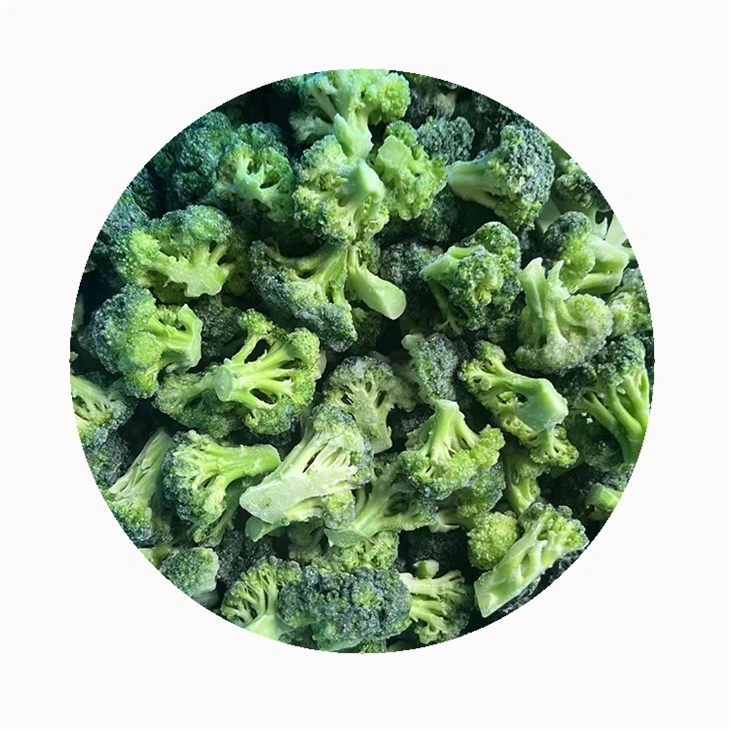
Plain steamed broccoli, broccoli in a frozen mixed-vegetable blend, broccoli-cheese bake and breaded fried broccoli are different products. When something is eaten every day, small formulation differences repeat. Review declared serving, broccoli percentage, sodium, saturated fat, energy, sauces, coatings and allergens on the complete product.
The separate XMSD broccoli health and finished-meal guide owns this whole-product nutrition decision in detail. For daily-frequency planning, the additional question is cumulative repetition: is the same seasoned component being served seven times, or is a plain vegetable being used flexibly across a varied menu?
Product comparison example: Two suppliers quote an 80-gram broccoli side. Product A is plain florets with preparation instructions; Product B is an 80-gram finished side in sauce. Do not compare only pack price or the word "broccoli." Put both on a served-weight basis, review the full label and sensory result, then calculate cost per accepted serving. If the side appears daily, include menu fatigue and repeated sauce exposure in the approval.
A Worked Example: Daily Use Versus Rotation
Worked example: A meal program proposes 80 grams of cooked broccoli per person every day. Over seven days, that is 80 x 7 = 560 grams served per person. At 2,500 servings per day, the weekly cooked requirement is 80 x 2,500 x 7 = 1,400,000 grams, or 1,400 kilograms.
Suppose representative trials show that frozen broccoli retains 92% of input weight after the program's validated cook-and-drain method. Required frozen input is 1,400 / 0.92 = 1,521.7 kilograms per week. If broccoli instead appears on three days, the served requirement becomes 80 x 2,500 x 3 = 600 kilograms, and frozen input becomes 600 / 0.92 = 652.2 kilograms. Other vegetable sides fill the remaining four days.
The 80 grams, seven-day pattern and 92% yield are hypothetical planning inputs, not a universal health recommendation or XMSD yield guarantee. Measure the actual cut, surface ice, equipment, cook, drain and hold. The example shows why frequency affects purchasing volume, menu variety and exposure even when the per-serving portion stays unchanged.
Now add procurement loss. If the seven-day program forecasts 1,521.7 kilograms but carries a documented 2% allowance for sampling, handling and production variance, planned input is 1,521.7 x 1.02 = 1,552.1 kilograms. Do not hide that allowance inside an inflated portion or an assumed yield. Keep target serving, measured process yield and operational allowance as separate fields so a buyer can see which variable changed.
Reconcile forecast to actual use after the cycle. Record packs issued, unopened returns, product left in equipment, cooked waste and servings produced. If actual input is high, check fill control, yield and waste before blaming consumption. If leftovers are high, review sensory acceptance and menu repetition. The arithmetic turns "people are tired of broccoli" into observations that recipe, operations and purchasing can act on.

Cut, Cooking and Holding Change Repeat Acceptance
People are less likely to accept a repeated vegetable when texture changes from tray to tray. Oversized crowns can remain firm while small fragments overcook. Excessive stem, yellowing, loose beads and a long hot hold change the eating experience. A product that passes one freshly cooked tasting may still fail after transport or service holding.
Use the XMSD broccoli floret-size and stem-ratio specification guide to define physical acceptance, and the separate frozen broccoli nutrient-retention guide when the question is about blanching, storage and cooking evidence. This page does not duplicate those topics; it uses their results to build a repeatable frequency plan.
Test the real service cycle. Cook representative trays at normal load, measure served weight, hold for the maximum expected time and score color, odor, crown firmness, stem firmness, moisture and leftovers. Repeat across lots. If acceptance falls late in the cycle, adjust cut, cook, hold or menu frequency rather than adding a health claim to persuade diners.
How to Approve a Repeated Broccoli Program
First define the user and channel: general retail, workplace meals, school food, hospital catering, care setting or a medically prescribed program. A general product page cannot resolve an individual clinical diet. The program owner should identify portion, weekly frequency, other vegetables, complete recipes, allergens, preparation, hold time and the evidence behind any nutrient message.
Second, separate ingredient approval from menu approval. The ingredient record covers identity, cut, stem ratio, defects, blanch status, microbiological criteria, pack and cold chain. The menu record covers served grams, other ingredients, nutrition, cooking, tolerance feedback and rotation. A good broccoli lot can still be a poor daily menu if the serving is inconsistent or the recipe repeats an unwanted sauce.
Third, establish change triggers. Recheck the relevant evidence when broccoli cut, supplier route, blanch setting, sauce, fill weight, cooking instruction, service hold, menu frequency or target population changes. A move from three weekly servings to seven does not necessarily make the food unsafe, but it changes volume, supply exposure, menu balance and the importance of tolerance and vitamin K consistency.
The failure signal is the sentence "broccoli is healthy, so more is always better." Replace it with measurable decisions: served grams, days per cycle, vegetable rotation, complete-product nutrition, acceptance limits, complaint review and change control. That framework can be audited and improved; a slogan cannot.

What to Specify for Commercial Supply
For an IQF broccoli program, state application, floret distribution, stem ratio, permitted broken material, blanch or cook status, defect limits, pack, weekly volume, destination, storage life, documentation and delivery schedule. Add the target served grams and cook-and-hold method if portion consistency drives the contract.
The current XMSD IQF frozen broccoli page shows common product and packing options. For a rotation program, the wider XMSD frozen vegetable range can be reviewed against the same portion, cook and acceptance method. Availability, facility scope and supporting documents remain order-specific.
Send your cut, served portion, days per menu cycle, cook-and-hold method, pack, volume, destination and intended claims through our inquiry form. We will review the suitable specification and supply route before quotation.
Keep Weekly Supply and Lot Evidence Aligned
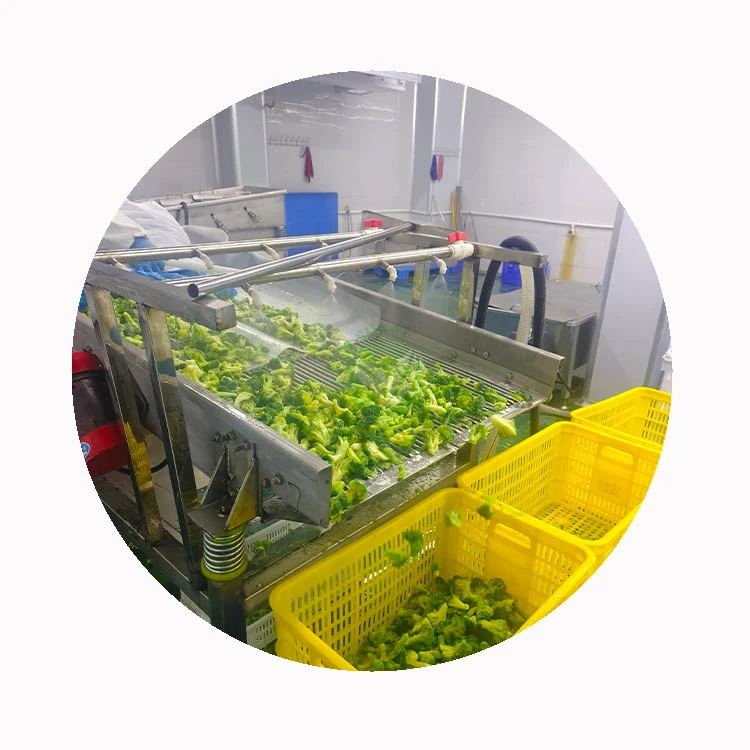
A daily menu amplifies small supply inconsistencies because every lot is used quickly and the next delivery may enter service before the previous cycle is reviewed. Link each received pack to supplier lot, production date, cold-chain record and release decision. At use, record the lot against menu date and service site. This allows a texture complaint, unusual odor, excessive fragments or portion-yield shift to be investigated without rejecting unrelated stock.
Set the sampling frequency from risk and history, not from the word "daily." New sources, changed cuts, seasonal transitions and previous deviations justify closer checks. Stable approved supply may use a risk-based verification schedule, but every delivery still needs identity, pack condition, temperature and traceability review. When multiple lots are blended into one production day, preserve the relationship among ingredient lots, finished batches and service destinations.
Cold storage does not correct a poor floret distribution or erase a temperature excursion. Keep packs at the specified frozen condition, minimize time outside controlled storage and follow the product's intended preparation. If clumping, heavy surface ice, damaged packs or thaw-refreeze evidence appears, hold the affected lot and investigate. A weekly volume plan is credible only when usable released stock-not nominal ordered weight-supports the menu.
Review the weekly evidence as one chain: ordered kilograms, received kilograms, released kilograms, issued kilograms, served kilograms and waste. Differences have different owners and remedies. Supplier shortfall requires replenishment or an approved alternative; poor cooked yield requires process review; excessive plate waste requires recipe or frequency review. Keeping those causes separate prevents an operational problem from being mislabeled as a nutrition problem.

Frequently Asked Questions
1. Is there a maximum number of days to eat broccoli?
There is no universal seven-day cutoff for healthy people. Portion, complete diet, tolerance, medication and prescribed-diet context matter more than the calendar alone.
2. Must I eat broccoli every day for health?
No. Broccoli can contribute to a healthy vegetable pattern, but other vegetables provide variety. Frequency should fit the whole diet and what you will consistently eat.
3. Can daily broccoli cause gas?
It can increase gas for some people, particularly at a large portion or after a sudden fiber increase. Track the complete meal and seek qualified advice for persistent or severe symptoms.
4. Should warfarin users avoid broccoli?
Do not make that change without clinical advice. NIH emphasizes keeping vitamin K intake consistent because sudden changes can alter warfarin's effect.
5. Is frozen broccoli suitable for repeat meals?
Yes, when its specification, safety status, storage and cooking suit the application. IQF portions can support scheduling, but cut and served yield still require validation.
6. Does 100 grams daily guarantee enough vitamin C?
Do not make that universal promise. Nutrient values vary by product state, process, storage and cooking, while individual needs and the rest of the diet differ.
7. Does 70 grams of broccoli prevent bowel cancer?
No fixed broccoli portion should be presented as guaranteed cancer prevention. Keep the message to broccoli's role in a varied dietary pattern and follow authorized claim rules.
Bottom Line
A normal broccoli portion can appear daily for many people, but daily use is neither mandatory nor automatically best. Keep the portion visible, vary the wider vegetable pattern, judge the complete recipe, respect digestive feedback and handle medication or clinical-diet questions with qualified guidance.
For a commercial program, translate frequency into served grams, weekly volume, rotation, cut and yield control, cook-and-hold acceptance and change triggers. That produces a repeatable product plan without turning broccoli into a treatment claim.